From 2001 to 2004, the City of Deadwood carried out extensive archaeological excavations within a
part of the city that was once home to Chinese immigrants during the late 19th and early 20th
centuries. One of the more unusual artifacts discovered during the Chinatown excavations was a
copper alloy metal Chinese water pipe, which was sent to the MAC Lab for conservation (Figure 1).
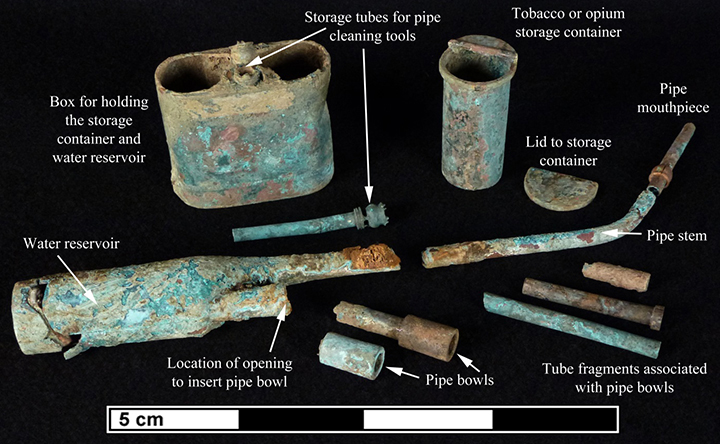 Fig. 1 Copper alloy Chinese water pipe from Chinatown excavations in Deadwood,
South Dakota.
Fig. 1 Copper alloy Chinese water pipe from Chinatown excavations in Deadwood,
South Dakota.
This type of pipe was used for smoking tobacco, opium, or a mix of the two (Leatherman 2007; Wylie
and Fike 1993; Kennedy 1969). Although the pipe is currently in several pieces and soil and
corrosion products partially obscure the surface, the object is actually quite decorative. The
surface of the pipe's box is adorned with an elaborate scene containing plants and the figure
of a Chinese woman (Figure 2). The scene is framed by bands of floral patterns, with the
uppermost band retaining a partially gilded surface. Figure 3 is an example of a Chinese
water pipe that is similar in shape and style to the one from the Deadwood Chinatown excavations
and provides an overall view of how the pipe pieces would have been assembled during its
working life.
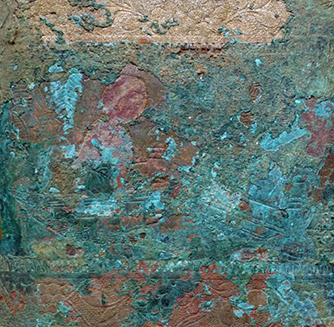 Fig. 2 Detail of decoration on the pipe’s box.
The ornate water pipe was discovered at the lowermost level of a small pit, wrapped in a black
colored Chinese vest with a brown fabric lining, with most components removed from the box and
the pieces dented or damaged. There was also a bundle of two shirts, one black and one made of
brown fabric. The vest and the black shirt have cut marks in the fabric. A second Chinese water
pipe with no decoration, ceramic opium pipe bowl fragments, and fragments of an opium pipe
smoking kit (glass lamp, metal tray, wood needle) were also located within or on top of the
bundle of clothing. In this same layer of the pit, the wall was lined with partially burnt
wood fragments and contained seeds from several types of fruit (such as watermelon, cherry,
grape, plum, blackberries, raspberries), animal bones (cow, pig, sheep, chicken, turkey),
two Chinese coins, and over 100 used matches.
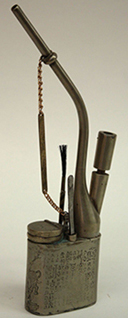 Fig.3 Example of a complete Chinese water pipe. https://www/pinterest.com/pin/16114511141997856/
During the excavation of Deadwood’s Chinatown, only two Chinese water pipes were found, implying
they were greatly valued and likely belonged to an individual of high status (Leatherman 2007).
But the significance of the water pipe increases even more when taken into account with the other
artifacts and material found in the pit. This pit was identified as a ceremonial feature for a
Chinese funerary ritual called the Shao Yi, or burning of the clothes (Leatherman 2007).
The Shao Yi is performed by the family shortly after the individual dies to "symbolically feed
the spirit, eliminate sources of death pollution, and transfer the spiritual essence of the
deceased's possessions to the afterlife" (Leatherman 2007: 35). In the ritual, the deceased's
personal belongings are deliberately damaged, placed in a small pit, and then burned. Food
offerings are also placed in the pit to feed the deceased individual on their journey to the
hereafter. The overall contents of the pit, with evidence of fire, presence of food items,
and intentional damage to objects, are consistent with the unique Shao Yi ritual (Leatherman 2007).
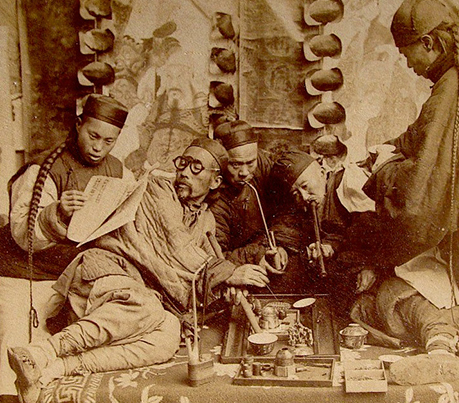 Stereoview card depciting men smoking pipes in China, circa 1900, posed in a studio. Note the water
pipes; one in the foreground and another being used by the man in the center back of the image.
http://www.collectorsweekly.com/articles/journey-into-the-opium-underworld
Stereoview card depciting men smoking pipes in China, circa 1900, posed in a studio. Note the water
pipes; one in the foreground and another being used by the man in the center back of the image.
http://www.collectorsweekly.com/articles/journey-into-the-opium-underworld
As a result, the Chinese water pipe is not only a status symbol out on the western frontier, it
physically demonstrates that the Chinese immigrants were engaging in traditional ceremonies from
their homeland. The ancient Egyptian nobility were not the only people that wanted to have their
possessions available to them in the afterlife.
References
Kennedy, Charles E.
1969 Chinese pipes for tobacco and opium. Antiques,
Vol. XCV, No. 3.
Leatherman, Christopher
2007. Web resource:Chinese Mortuary Rituals in Deadwood,
SD: An Archaeological Perspective. M.A. thesis, University of South Dakota.
South Dakota State Historical Society
2008 Deadwood Chinatown Excavation Site Report.
South Dakota State Historical Society Archaeological Research Center.
Wylie, Jerry and Fike, Richard
1993 Chinese Opium Smoking Techniques and Paraphernalia.
Hidden Heritage: Historical Archaeology of the Overseas Chinese. Amityville: Baywood Publishing
Company.