Nowadays, teaching children the difference between good and bad can be a difficult thing, but it was
also difficult in earlier times. This child’s mug (Figure 1), found on the site of a mid-nineteenth-century
store in Baltimore, helped give children valuable information on how they should behave as they got older.
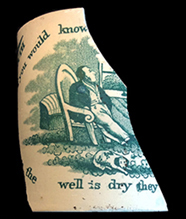 Figure 1. Fragment of mug found in Baltimore.
Ceramics made specifically for children began production in Staffordshire around 1790 (Riley 1991). Mugs and
other vessels were printed with designs of everyday scenes which drew in both parents and children, making
it more likely that the products would be bought. In the early 1800s, these mugs were being marketed more
towards small children, and parents would buy ceramics with their children’s names on them as presents
(Moonan 1998).
It is not known if these ceramics were meant to be used, or just admired as decorations. Children's china
was normally made of sturdy glazed earthenware and was much less expensive than porcelain and silver cups. These
Staffordshire ceramics were given to children, both good and bad, to show them what they had done. Some
were printed with uplifting, positive messages, whereas others may have had quarreling children on them
to represent something bad a child had recently done.
Dating around 1830, this green Staffordshire transferware child’s mug was produced in many colors, including
black, to appeal to a wider audience (Figure 2). Displayed on this mug are two adages from Benjamin Franklin's
The Way to Wealth or Poor Richard Illustrated (Figure 3), originally published in 1758. They
read "If you would know the value of money try to borrow some" and "When the well is dry they know the worth
of water" with a scene of two boys asking their father, who appears to be a businessman, for money. This
mug, designed to make children realize money is not to be wasted, was used to teach frugality.
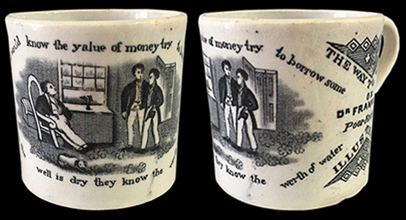 Figure 2- Complete black print mug. Photo credit:
http://www.ebay.com/itm/Antique-Staffordshire-Transferware-Childs-Mug-B-Franklin-Youth-Lessons-c-1830-/391187680426?pt=LH_DefaultDomain_0&hash=item5b149a4caa.
Figure 2- Complete black print mug. Photo credit:
http://www.ebay.com/itm/Antique-Staffordshire-Transferware-Childs-Mug-B-Franklin-Youth-Lessons-c-1830-/391187680426?pt=LH_DefaultDomain_0&hash=item5b149a4caa.
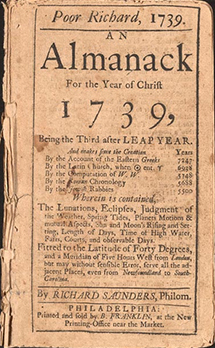 Figure 3- Benjamin Franklin’s Poor Richard’s Almanack.
Benjamin Franklin (Figure 4) was a well-known entrepreneur, printer and writer. Poor Richard's Almanack
became one of his most sold works, although he did not actually write it (Green and Stallybrass 2006). Aphorisms
contained in the almanac began to spread and become more well-known. Although the almanack was last published in
1758, the sayings were not used in production on Staffordshire mugs until the 1830s. Well-known quotes from
various authors were used by ceramic producers to make mugs for children that would be in high demand, and
provide a good message for these youngsters.
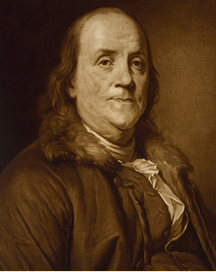 Figure 4- Portrait of Benjamin Franklin.
References
Ebay
2015 Antique Staffordshire Transferware Child's Mug: B Franklin Youth
Lessons, c.1830. Website accessed August 8, 2015.
http://www.worthpoint.com/worthopedia/black-transferware-childs-mug-decorated-way-wealth-or-dr-franklins-poor-richard-illustrated-and-being-lessons.
Green, James N., and Peter Stallybrass
2006 Inventing Poor Richard. In Benjamin Franklin-Writer and Printer.
The Library Company of Philadelphia. Website accessed August 8, 2015.
http://www.librarycompany.org/BFWriter/poor.html.
Moonan, Wendy
1998 Antiques; Presents For Children, Good and Bad. The New York Times.
July 17, 2998. Website accessed August 8, 2015.
http://www.nytimes.com/1998/07/17/arts/antiques-presents-for-children-good-and-bad.html.
Riley, Noel
1991 Gifts for Good Children; The History of Children's China
1790–1890. Volume 1. Richard Dennis Publications.