The perpetual calendar is a common feature of modern men’s watches that many take for
granted. These mechanics display the month, date, and day of the week. However, the use
of a perpetual calendar as both a decorative accessory and tool dates to the Victorian era.
This copper alloy and iron "Perpetual Almanac" was recovered from the excavations of the
Oxon Hill Manor/Addison Plantation site (18PR175), a late 17th–19th century plantation
in Prince Georges County, Maryland. The features of this artifact indicate the day, date
and month just as modern time pieces. However, this particular example also displays
the approximate time of sunrise and sunset as well as the approximate hours of day and night.
This diminutive accessory would have been a practical item that also exhibits the wearer's wealth
and status.
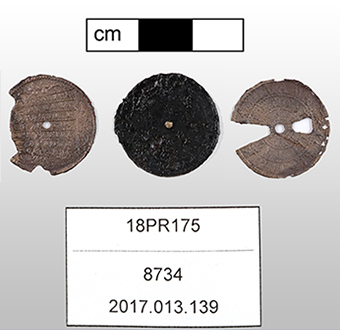 Figure 1: Copper alloy and iron "Perpetual Almanac."
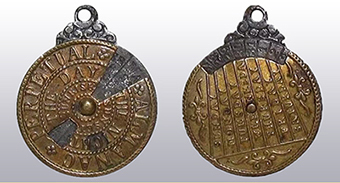 Figure 2: Ruby lane auction house.