Nothing gets you into the Christmas spirit like setting up your traditional nativity scene complete with
a babe in a manger, Mary and Joseph, three wise men, the barn animals, and… some random guy with his pants
down pooping? In some parts of the world, apparently, yes, pooping people are part of the Christmas
tradition. This is the story of how I found out about it.
In 2013, the MAC Lab Collections department had a rehousing project underway for the Federal Reserve
site (18BC27) when former Collections Assistant, Erin Wingfield stumbled across two little ceramic figurines
of people doing their proverbial business (Figure 1). One figure shows a lady sitting discreetly on a
chamber pot, and the other shows a man less discreetly squatting while he defecates. Appropriately, both
were found in a privy.
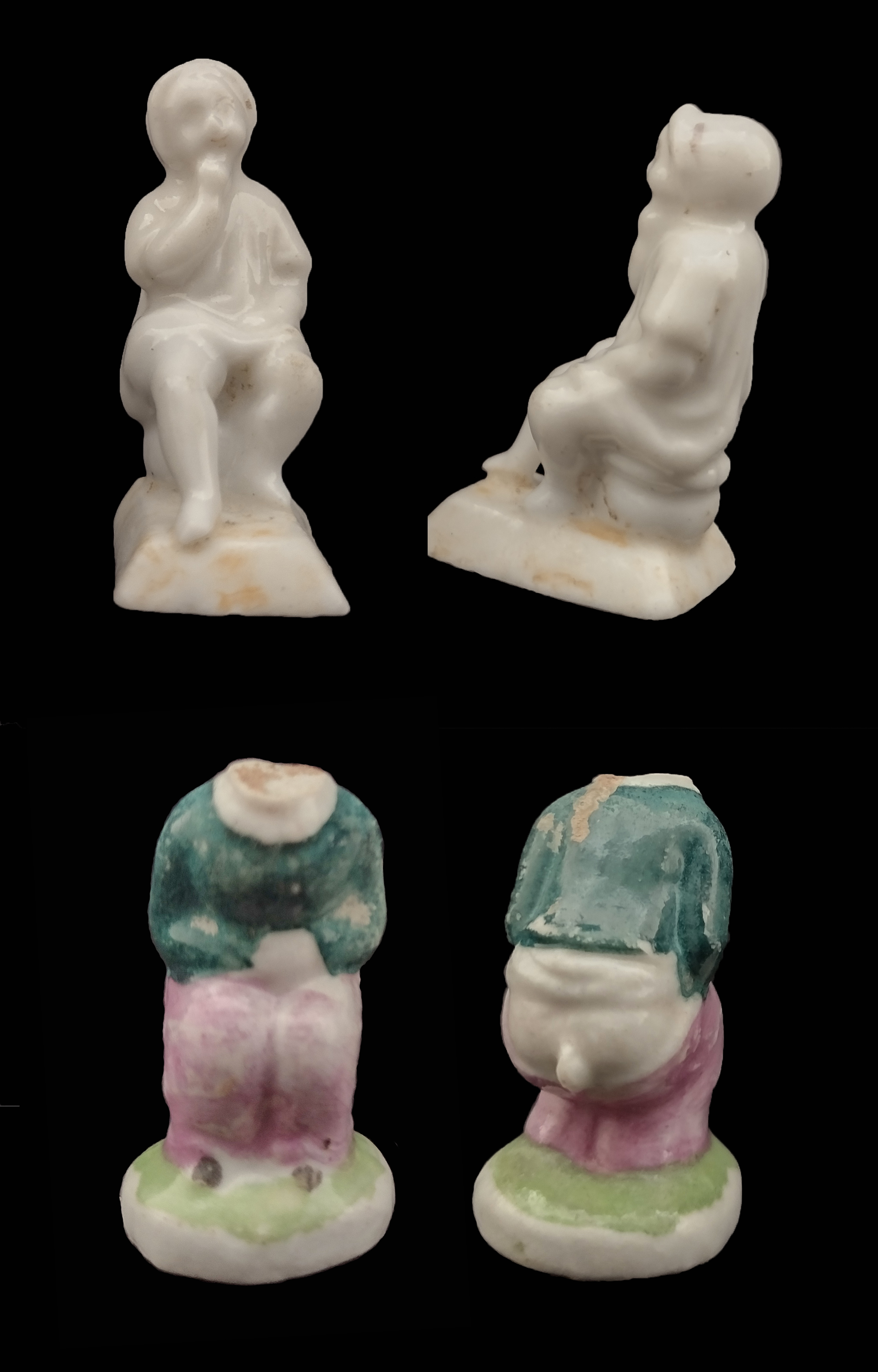 Figure 1: The two possible caganers from the Federal Reserve site were found in the same
soil layer in a privy (Feature 34, Level 2). The figures are about the same size, with the
complete woman at 3.6 cm or about 1.5 inches tall. The male figure is missing his head, but his
clothes look like the garments worn by the traditional Catalonian peasant caganers.
Figure 1: The two possible caganers from the Federal Reserve site were found in the same
soil layer in a privy (Feature 34, Level 2). The figures are about the same size, with the
complete woman at 3.6 cm or about 1.5 inches tall. The male figure is missing his head, but his
clothes look like the garments worn by the traditional Catalonian peasant caganers.
Now, if you’ve ever met an archaeologist – or any human being for that matter – then you can
have no problem picturing the scenes that took place in the lab after this discovery. The artifacts were
paraded down the hall, office to office, shown to all coworkers. Jokes ensued, as did endless speculation,
and more than a little bit of confusion. These figures had been tossed down 19th century equivalent of
a toilet, but why? Why did anyone in the 19th century make figurines of pooping people? Where did you
go to buy one? Why would you need one? Was it a gag gift for a buddy inclined toward potty humor?
A subversive resistance to the prim and proper mores of the Victorian Era? The 19th-century equivalent
of a poop emoji? An offering to the gods of constipation and other intestinal ailments? We didn't know
what to make of them, and believe me, we looked.
The staff of the MAC Lab are no strangers to research, but books on ceramics of the 19th century offered
nothing about a niche market for squatting poopers. These little figures were not available for sale in
late 19th-century Montgomery Ward or Sears Roebuck catalogs (and those had everything!), and we had
never heard of similar finds from other archaeologists, despite that being a perfectly amusing topic
to share at any professional conference, either in a presentation or as an entertaining anecdote over
a social beverage. The trail went cold, and our hopes of having a smashing good time writing up a
Curator's Choice on these things withered away thanks to lack of information.
Fast forward to the 2021 Jefferson Patterson Park and Museum Education program's Homeschool Day with
an "Icky History" theme. I set up a table of assorted "icky" artifacts: an ear wax scoop, chamber
pots, lice combs, broken dentures, etc. Naturally I included the pooping figures; this was their
time to shine! I let the students check out the artifacts, guess what each artifact had been used
for, and I explained the finds as needed. Before the day was out one mom saw the pooping figures and
said, "Oh, it's like the pooping man in Spain!" She went on to explain that nativity scenes in Spain
had pooping figures, and just like that, part of the mystery unlocked.
Thanks to that homeschooling mom and Wikipedia, I now know that in Catalonia and other nearby regions of
Spain, Portugal, and Italy, nativity scenes traditionally include a pooping figure known as a caganer.
The tradition apparently dates back at least as far as the late 17th or early 18th century and comes
from regions where the popular nativity scene tended to be a recreation of a whole village, not
just the manger scene. The caganer would be tucked into a much larger display so that everyone could
have fun playing 'Find the Caganer'— – like a Christmas themed "Where's [pooping] Waldo." The
traditional caganer wears old fashioned peasant garb, but today you pretty much can't claim to be
famous in Catalonia unless you have been caricatured in caganer form (Figure 2). The available caganers
are so varied that I can't believe I never heard of this tradition before.
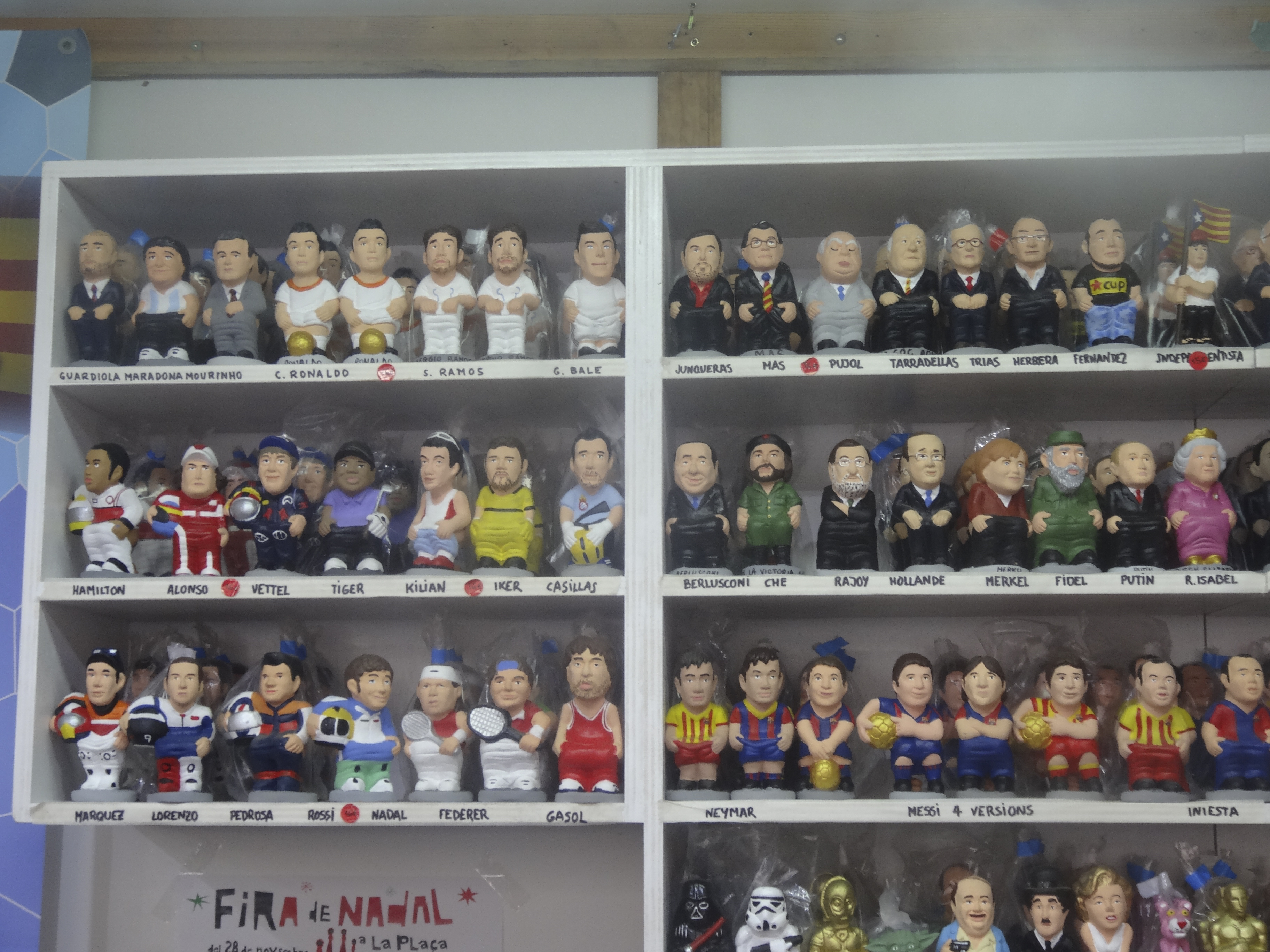 Figure 2: Athletes, politicians and Star Wars characters are among the many caganers available
to bring a festive touch to the Catalan nativity scene. Image from Wikimedia Commons.
Figure 2: Athletes, politicians and Star Wars characters are among the many caganers available
to bring a festive touch to the Catalan nativity scene. Image from Wikimedia Commons.
The artifacts found with the caganers date to the middle of the 19th century, just before the Civil
War. Was there someone on this block in Baltimore from Catalonia at that time? This is a question that
requires more research. We know that the lot changed hands several times and had numerous surrounding
tenants (Basalik 1994). While some names are known, privies fill up over time, so it can be difficult
to match such features to specific people in urban areas that had high occupational turnover.
Intriguingly, however, at one point in the mid-19th century, the property was owned by the Trustees
of St. Paul's School for Boys, which was founded in 1849 to educate the poor (Basalik 1994). It's
unclear why the school owned the property, which was many blocks from the church, but I can easily
envision it as a residence for a teacher who tossed the figurines after confiscating them from some
students. I rather doubt a little boy would need to be from Catalonia to find a caganer entertaining.
However the figurines made it into a Baltimore privy on Sharp Street, I am grateful that they helped
me learn about the caganer. The figurines are silly, irreverent, whimsical, and unexpected. Whether
they were smuggled by schoolboys or imported as Catalan nativity characters, these artifacts are
incredibly effective at demonstrating that some things about the human condition and sense of humor
have changed very little in the last 150 years.
References
Basalik, Kenneth J.
1994 Urban Development in the Eastern United States: An
Archaeological View of Baltimore, Maryland. Ph.D. Dissertation, Temple University.
Wikipedia
2021 Caganer. https://en.wikipedia.org/wiki/Caganer, accessed November 30, 2021.
Wikimedia Commons
2015 Parada de Caganer.com a la Fira de Nadal de la plaça
de la Sagrada Familia. https://commons.wikimedia.org/wiki/File:Caganers_a_la_fira_de_la_pla%C3%A7a_de_la_Sagrada_Familia_-_desembre_2015_01.JPG,
accessed November 30, 2021.