Archaeological Conservators have the pleasure of "ooo'ing & 'ahhh'ing" over some special objects and
often find beauty in the unconventional, but this stove truly is a pleasure to look at even in its damaged,
corroded state. Part of Catoctin Iron Furnace Historical Society’s collection, this 10-plate style cooking
stove comes from a tradition of portable stoves, adapted to be both functional and decorative. It could
act as a good source of heat (see the man warming his feet in The Village Inn below) and a baking appliance.
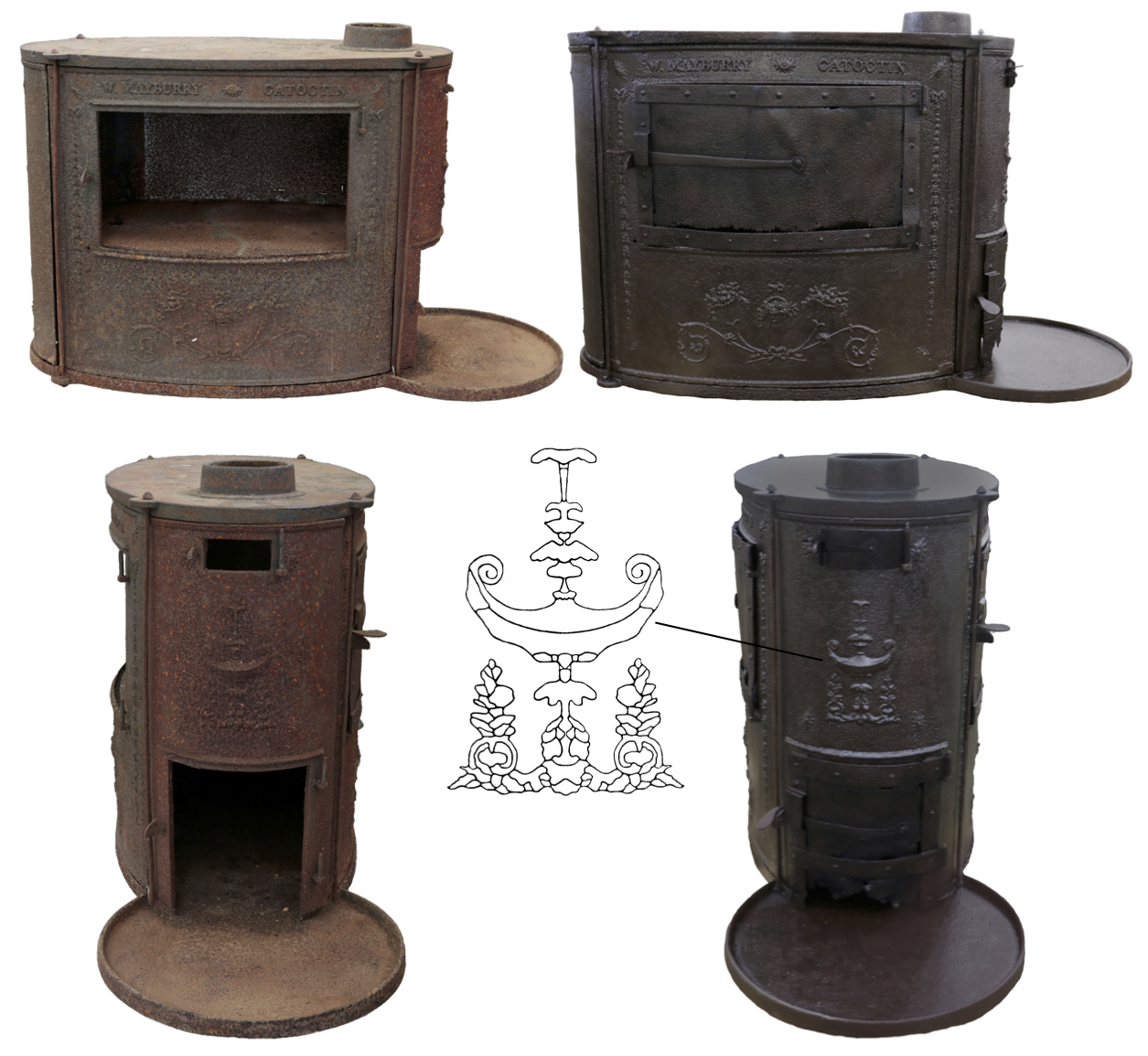 Figure 1: Stove before and after conservation treatment.
When stoked below, the flames and smoke were diverted towards the back of the oven into the upper chamber where
bread, meats, or pies could be baked on the heated plate. The smoke than traveled back to the front of the
stove out through the smoke pipe, completing a recumbent U path.
The 'W Mayberry Catoctin' (cast along the top oven door) most likely refers to Willoughby Mayberry who, along
with his brother Thomas Maybury IV, purchased the furnace from Baker Johnson in 1811. Willoughby was not
in possession of the furnace for long, which somewhat narrows the timeframe for the stove’s manufacture date.
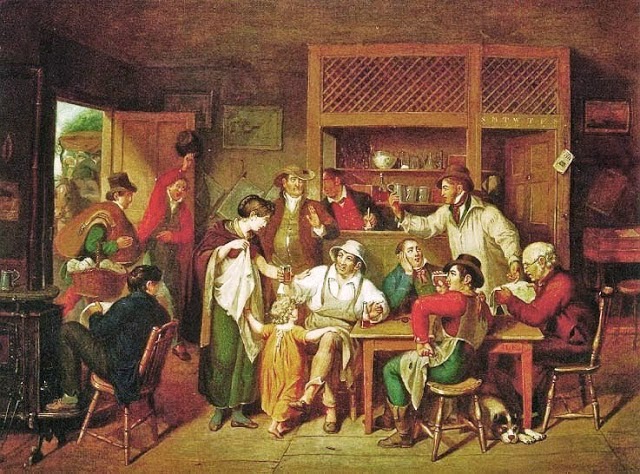 Figure 2: John Lewis Krimmel, "The Village Tavern" (1814) from the Toledo Museum
of Art.
Figure 2: John Lewis Krimmel, "The Village Tavern" (1814) from the Toledo Museum
of Art.
References
Catoctin Furnace Historical Society
2022 "Catoctin Furnace History" (https://catoctinfurnace.org/history/)
Harris, Howell
2013 "A Stove Less Ordinary – A Collection of Stoves from American Museums, I: Plate Stoves."
(http://stovehistory.blogspot.com/2013/10/a-collection-of-stoves-metropolitan.html)
"The Ubiquitous Stove: Stoves in Public Places."
(http://stovehistory.blogspot.com/2013/10/the-ubiquitous-stove-stoves-in-public.html)
The Henry Ford
2022 Ten-Plate Stove, 1767." 28.402.1.
(https://www.thehenryford.org/collections-and-research/digital-collections/artifact/10104#slide=gs-228487)
2009 "Sketches of the eight ironmaster Mayburys of Pennsylvania, Virginia, Maryland and New Jersey"
(http://homepages.rootsweb.com/~mabry/sketches.html)