One type of glass marble that Germany was particularly well-known for was called a "Sulphide."
Sulphides are large transparent marbles with a figure of an animal, person, or object inside
(Block and Payne 2001: 6; Randall and Webb 1988: 25) (Figures 1 and 2). These individually
hand-made marbles ranged from 1 to 3 inches in diameter.
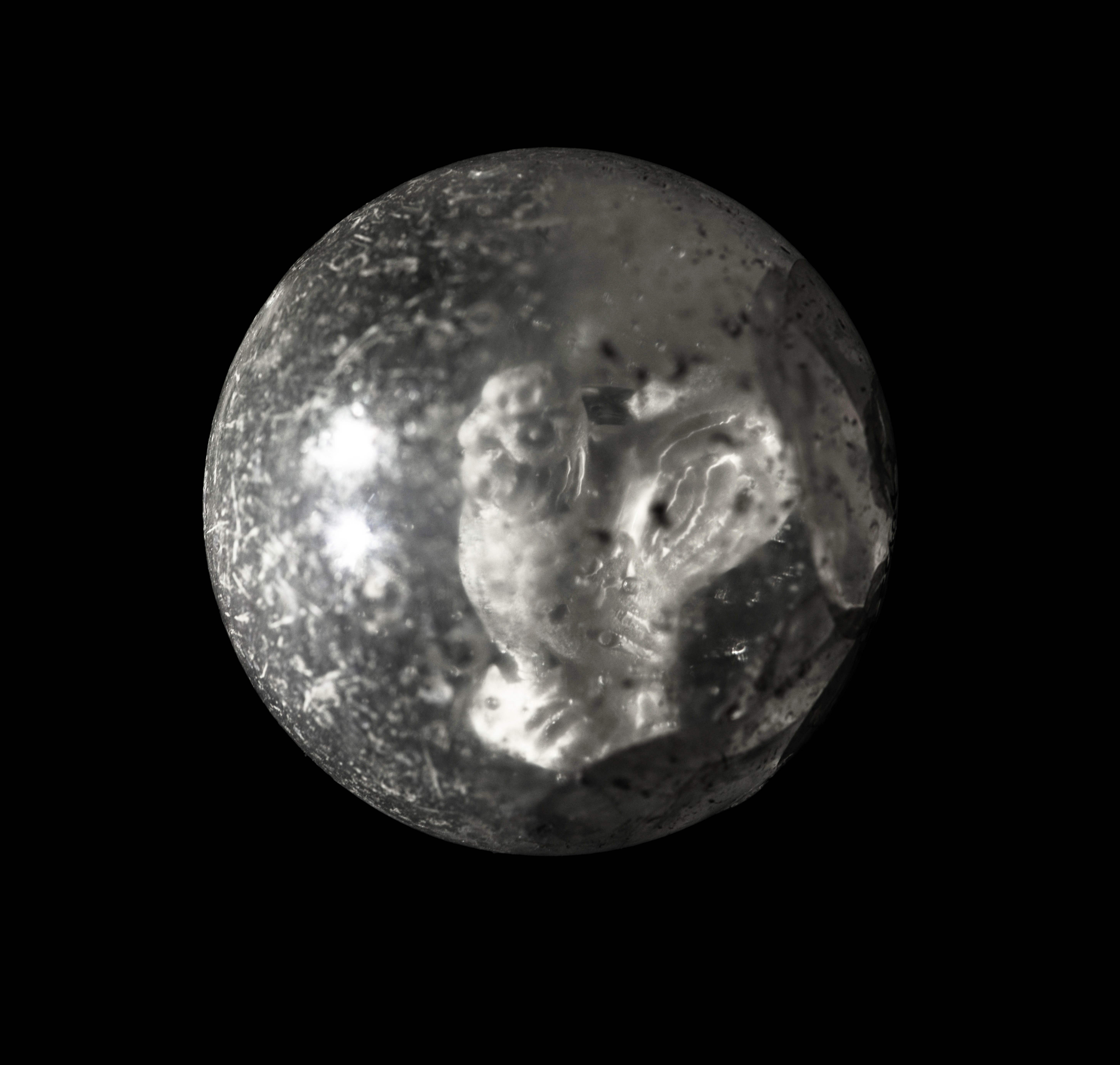 Figure 1: Sulphide marble with a rooster in the center from the James Holliday House site in
Annapolis. Photograph by Michael G. Block.
Figure 1: Sulphide marble with a rooster in the center from the James Holliday House site in
Annapolis. Photograph by Michael G. Block.
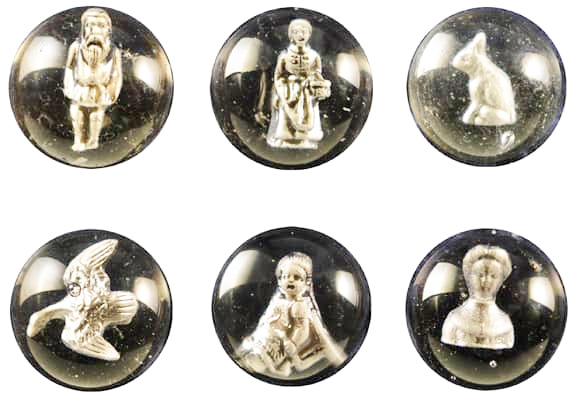 Figure 2: Examples of sulphide marbles in pristine condition (Federation of
Historical Bottle Collectors 2012).
Figure 2: Examples of sulphide marbles in pristine condition (Federation of
Historical Bottle Collectors 2012).
Early collectors mistakenly thought these figures were made from sulfur, hence the name
sulphide, but they were, in fact, made from ceramic (Block and Payne 2001: 6). Making these
marbles was a multi-stepped process beginning with creating the molded ceramic figure to be
placed at the marble's center. This figure would need to be able to withstand the temperature
of molten glass if it was to survive the marble manufacturing process intact.
The marble was then created by one of two processes, the blown method or the weld method. The
blown method required a glassblower to use a metal tube to blow a hollow in a gather of
glass, snip an opening in the glass, and place the preheated ceramic figure inside the
opening before pressing the opening closed. The air was then sucked out of the hollow
causing the glass to collapse around the figure. A silvery sheen was achieved by trapping a
thin layer of air between the figure and the glass. The weld method required the preheated
ceramic figure to be placed in a small container and molten glass poured over it. The glass
encrusted figure was then picked up on rod and encased in a thick layer of glass and shaped
into a marble or simply reheated, rounded, and annealed (Block and Payne 2001: 7).
Not surprisingly, these unique marbles were valued for their size and beauty and were considered
the most prized of all marbles (Bavin 1994: 10).
References Cited
Bavin, William
1994 The Pocket Book of Marbles. Chartwell
Books, Edison.
Block, Stanley A., and M. Edwin Payne
2001 Sulphide Marbles. Schiffer Publishing
Ltd, Atglen.
Chervenka, Mark
n.d. Sulphide Marbles. Ruby Lane: Real or Repro. Web
resource: https://www.realorrepro.com/article/Sulphide-Marble
Federation of Historical Bottle Collectors
2012 Sulphide Marbles or Figural Marbles. Web
resource: https://www.fohbc.org/2012/05/sulphide-marbles-or-figural-marbles/
Museum of Play
2021 Marbles. Web resource: https://www.museumofplay.org/toys/marbles/
Randall, Mark E., and Dennis Webb
1988 Greenberg's Guide to Marbles. Greenberg
Publishing Company, Inc., Sykesville.