Many of us played dominoes when we were young, but the game isn’t just for children. It was
a popular tavern and parlor game among adults in the 18th and 19th centuries in both Europe
and America and is still a pastime enjoyed by many today. The MAC Lab curates several
19th-century collections from archaeological sites throughout Maryland which have
well-preserved examples of these early game pieces (Figure 1).
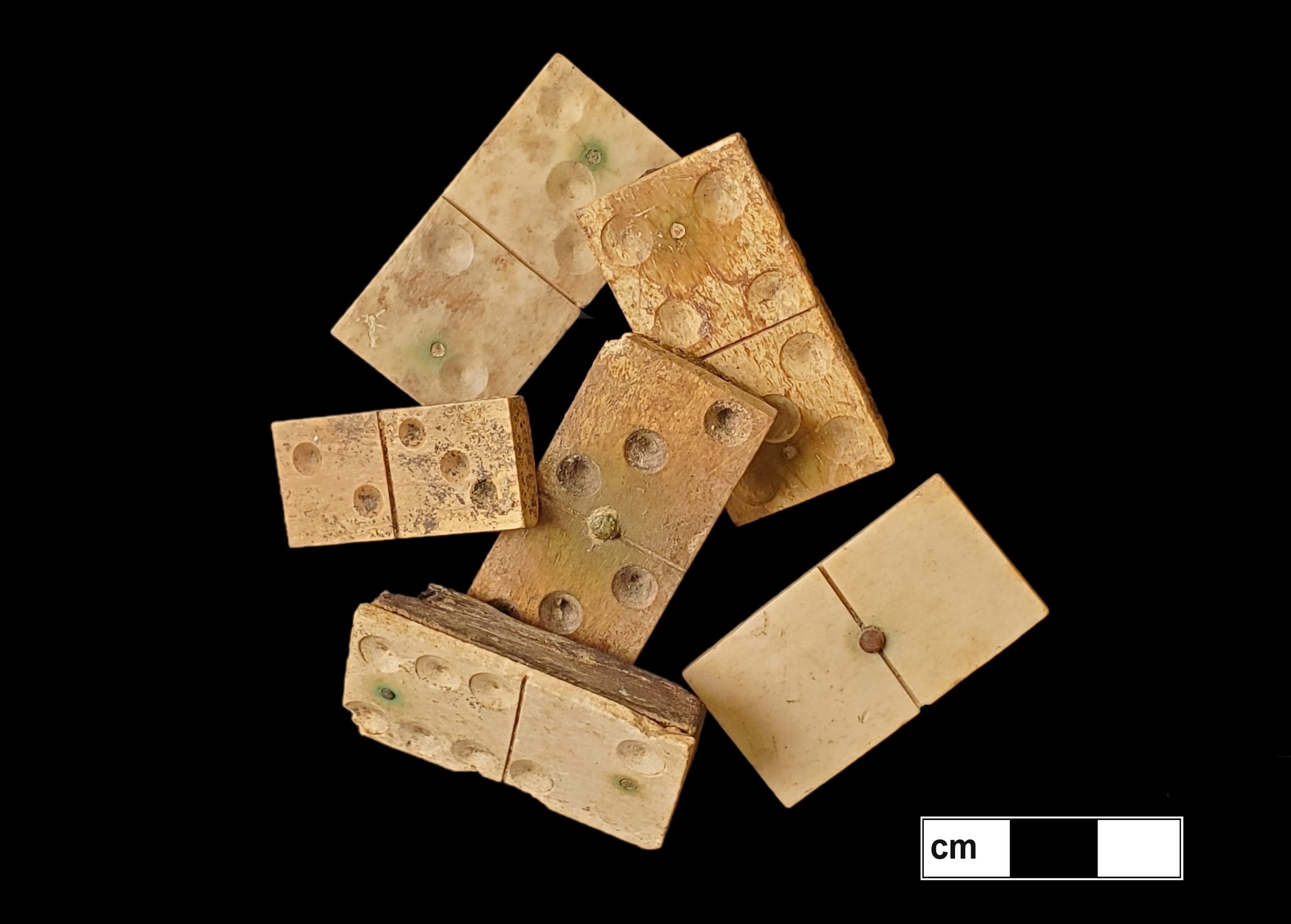 Figure 1: A selection of dominoes from the MAC Lab's archaeological
collections.
Figure 1: A selection of dominoes from the MAC Lab's archaeological
collections.
There's evidence that the earliest version of the game originated in China as early as the
10th century, having evolved from dice (Encyclopaedia Britannica 1998). Chinese dominoes,
also called tiles, bones, or stones, were designed to represent all the possible throws of
a pair of dice (The Universities at Shady Grove 2015). In Chinese, dominoes are referred to
as "dotted cards" and their design and use were more comparable to Western card games than
the various games played with dominoes today (Encyclopaedia Britannica 1998).
The Western version of dominoes, and the one most often played in America, originated in Italy
and France in the mid-18th century. It’s unclear whether this was an independent invention or
if the game arrived in the West via trading routes from the Far East. Shortly after appearing
in Italy and France, the game made its way to England, likely via French prisoners of war,
where it remained popular throughout the 19th century (Figure 2). The game found its way to
America in the late 18th century, either from England or other European countries. Evidence
that at least some dominoes made it to America directly from the European continent can be
found among the artifacts recovered from the Roosevelt Inlet Shipwreck, a European trade ship
that sank at some point in the last quarter of the 18th century off the coast of Delaware.
Dominoes were among the tens of thousands of artifacts recovered from this shipwreck site
(SEARCH n.d.).
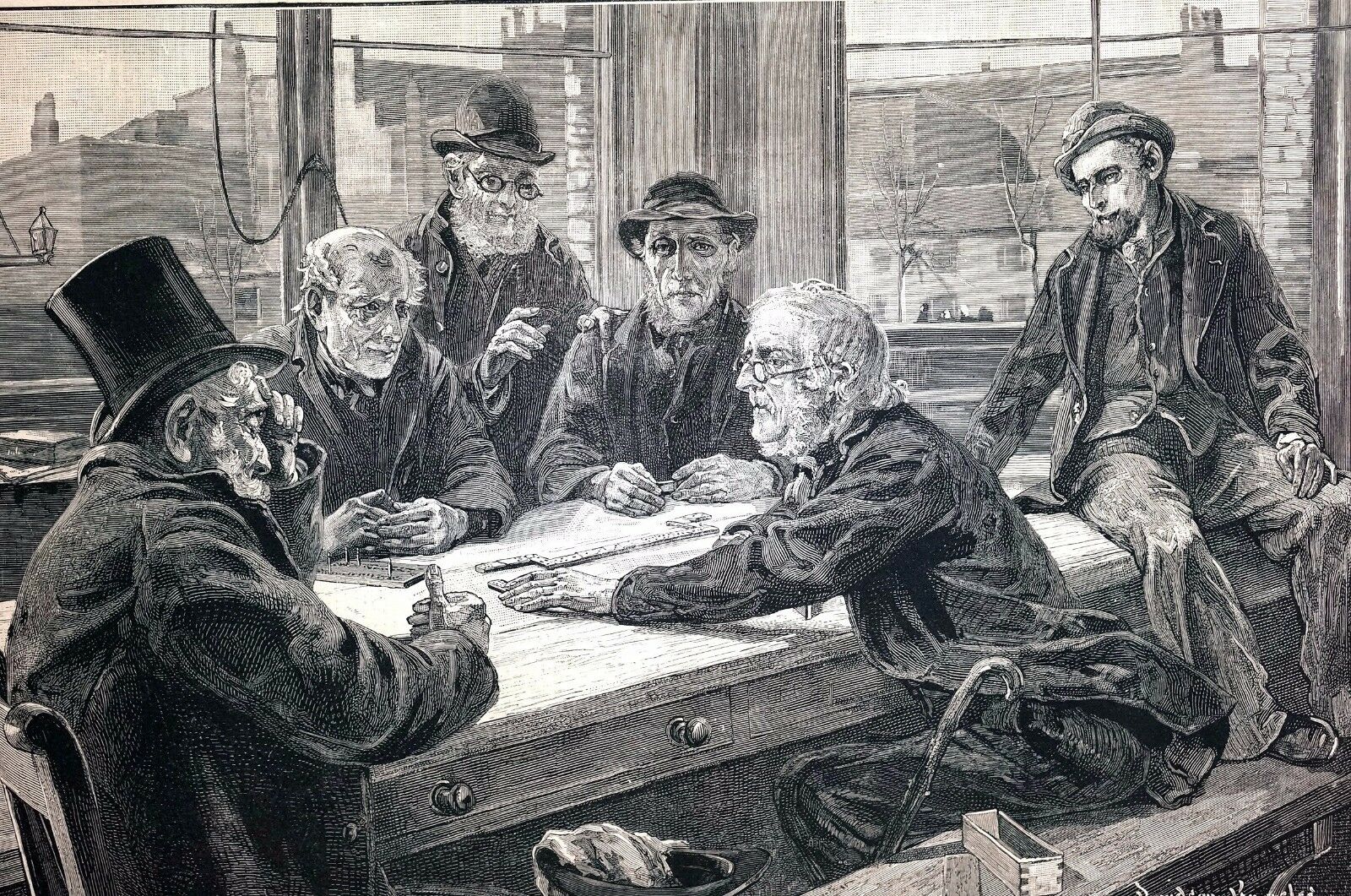 Figure 2: "A Game of Dominoes" by Davidson Knowles printed in The
Illustrated London News, January 27, 1883.
Figure 2: "A Game of Dominoes" by Davidson Knowles printed in The
Illustrated London News, January 27, 1883.
The name "domino" for the game piece likely came from the resemblance to the black and white
hooded cloaks of the same name worn at masquerade balls in 18th-century France, which were in
turn derived from the hoods worn by French priests in the Middle Ages (Schmidt 2017).
The earliest Chinese dominoes were made from animal bone or ivory, as were the first dominoes
that appeared in Europe in the 18th century. However, by the 19th century, the game pieces had
a thin, carved bone face with black dots and a dark wood back, possibly ebony, which were
held together with small iron or copper nails (Figures 1 and 3). All the dominoes in the MAC
Lab's collections are of this manufacture.
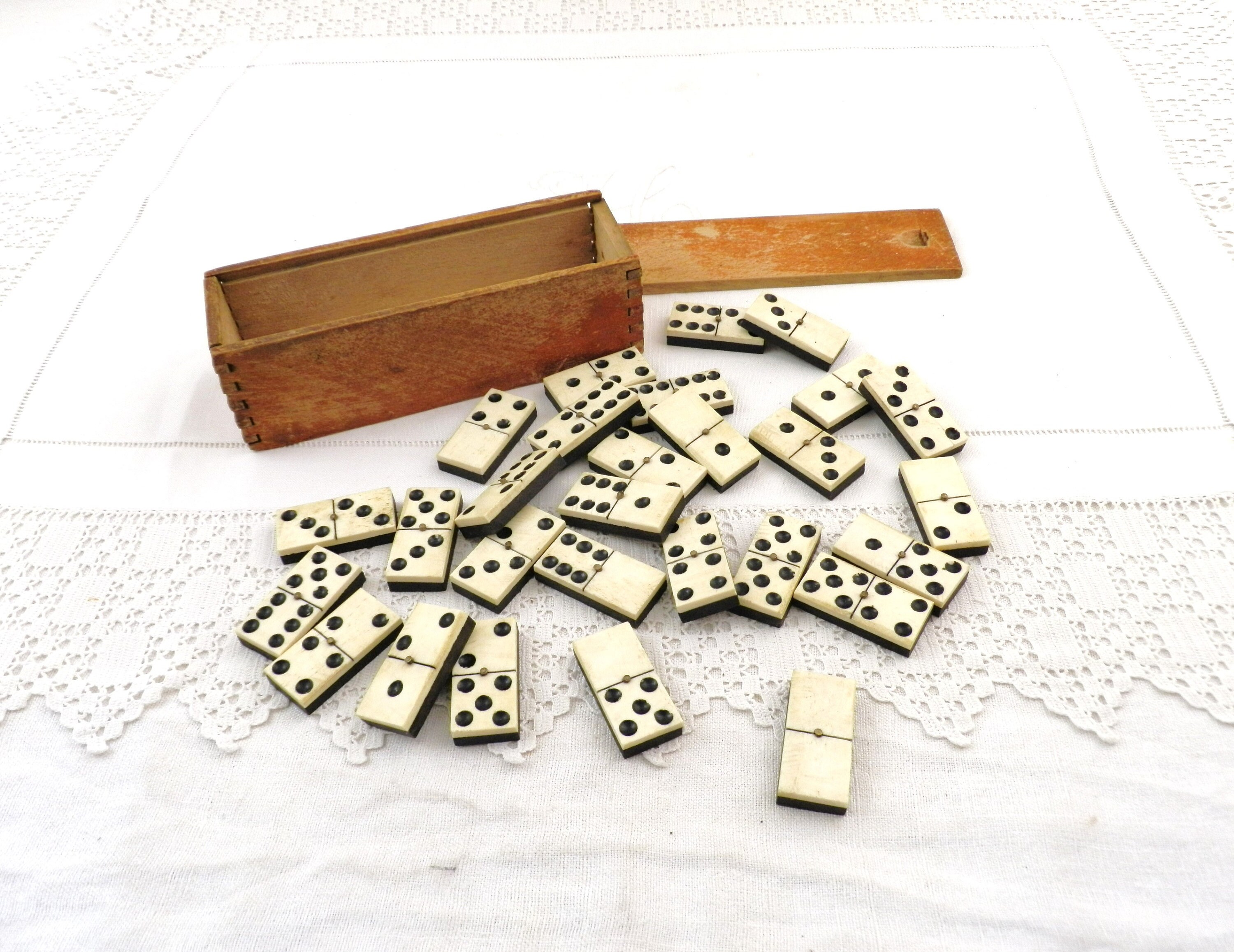 Figure 3: Late 19th/early 20th-century French bone and ebony domino set (Vintage
Décor Francais 2023).
Figure 3: Late 19th/early 20th-century French bone and ebony domino set (Vintage
Décor Francais 2023).
References Cited
Auffret, Stéphanie, and Sydney Beall Nikolaus
2019 Cleaning of Wooden Gilded Surfaces: An Experts Meeting Organized by the
Getty Conservation Institute. Los Angeles: Getty Conservation Institute. http://hdl.handle.net/10020/gci_pubs/gilded_surfaces.
Encyclopaedia Britannica
1998 Domino.
https://www.britannica.com/topic/domino-game-piece,
accessed October 19, 2023.
Knowles, Davidson
1883 "A Game of Dominoes." The Illustrated London News.
https://www.britishnewspaperarchive.co.uk/search/results/1883-01-27?NewspaperTitle=Illustrated%2BLondon%2BNews&IssueId=BL%2F0001578%2F18830127%2F&County=London%2C%20England,
accessed October 19, 2023.
Quitain, Rio
2014 The History of Dominoes. https://www.scribd.com/document/247131260/The-History-of-Dominoes, accessed October 19, 2023.
Schmidt, Louise Boisen
2017 This is Versailles.
https://thisisversaillesmadame.blogspot.com/2017/09/the-domino.html, accessed October 19, 2023.
Southeastern Archaeological Research, Inc. (SEARCH)
n.d. Roosevelt Island Shipwreck. Poster. Delaware Division of Historical and Cultural Affairs.
The Universities at Shady Grove
2015 History of Dominoes.
https://libapp.shadygrove.umd.edu/omeka/exhibits/show/international-games-day/history-of-dominoes, accessed October 19, 2023.
Vintage Décor Francais
2023 Complete Antique Set of Bone and Ebony Domino Game in Wooden Box with a Sliding
Lid, Retro Tile Game from France, Old French Dominoes Game.
https://www.vintagedecorfrancais.com/listing/761529566/complete-antique-set-of-bone-and-ebony, accessed October 19, 2023.