The eighteenth-century well at the Oxon Hill Manor Site (18PR175) yielded some spectacular
and unusual artifacts: a leather saddle, gardener's shears, grass clippings (still green!)
and what is currently the oldest archaeologically recovered condom in the United States.
The glass vessel shown in Figure 1 is another of the unusual finds from this well, which
was filled in the eighteenth century.
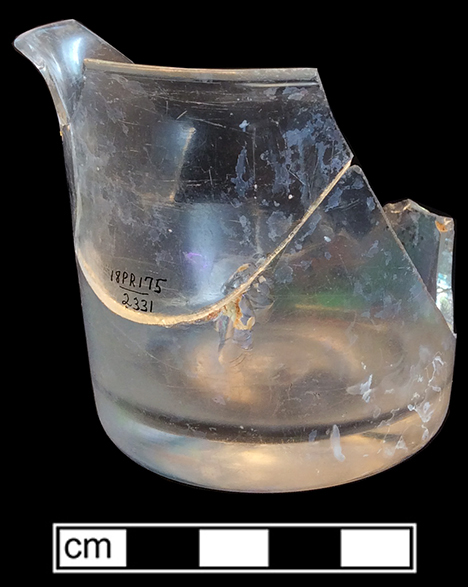 Figure 1: Wine rinser of colorless leaded glass, recovered from an 18th-century
well context.
Figure 1: Wine rinser of colorless leaded glass, recovered from an 18th-century
well context.
This three-inch tall vessel has been identified as a wine rinser. Wine rinsers or coolers
were used to cleanse wine glasses between dinner wine courses. The diner would invert the
wine glass into the rinser, which was partially filled with water. The Oxon Hill example
is missing the two everted lips along the rim (Figure 2), where the diner would place
the stem of the wine glass. By twirling the glass in the lip groove, the bowl of the
glass rotates inside the rinser, washing away all traces of the previous wine (Figure 3).
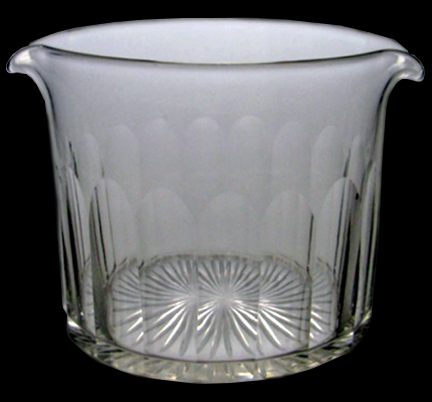 Figure 2: A circa 1820 British example of a wine rinser. This vessel is just over 3.5"
in height..
Figure 2: A circa 1820 British example of a wine rinser. This vessel is just over 3.5"
in height..
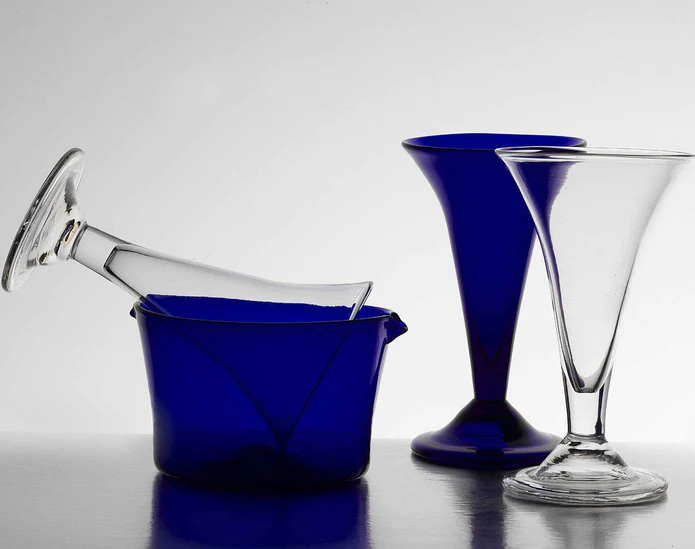 Figure 3: Replica wine rinsers sold at Mount Vernon. Photo courtesy of
https://shops.mountvernon.org/.
Figure 3: Replica wine rinsers sold at Mount Vernon. Photo courtesy of
https://shops.mountvernon.org/.
The Sevres Porcelain Factory produced decorated porcelain wine rinsers, initially as part
of a table service for King Louis XV in the mid-1750s (Le Corbeiller and Roth 2000).
This luxury item eventually made its way from the royal court to use by the gentry
and eventually the middle classes.
Starting in the late seventeenth century, Oxon Hill Manor was home to four generations
of the Addison family. The Addisons were “one of the most economically, socially, and
politically prominent families of early Maryland” (McCarthy 2010:9). Captain John
Addison, who owned the property between 1727 and 1764, was a Captain of the Militia,
a Justice of the Provincial Court and a Delegate to the Provincial Assembly. Around
1710, the Addisons built a large (72 x 40 ft.) eight room brick manor house, standing
prominently along the banks of the Potomac River. The house symbolized the family's
elite planter status and was an impressive entertainment space for this prominent
family.
The well, filled with household trash during Captain John Addison's ownership of the
property, contained ample evidence of the Addison family’s penchant for entertaining.
Chinese porcelain cups and saucers would have graced the tea table for an afternoon
entertainment, while the over 9,000 fragments of wine and spirit bottles, twelve
leaded crystal wine glasses, and a decanter tell of more alcohol-fueled engagements.
In keeping with their elite status, the Addisons appeared to have been early adopters
of the wine rinser. It is likely that many guests at their home encountered this vessel
form for the first time.
References
Le Corbeiller and Linda Roth
2000 French Eighteenth-Century Porcelain at
the Wadsworth Atheneum. J. Pierpoint Morgan Collection, Wadsworth Atheneum.
McCarthy, John P.
2010 Oxon Hill Manor; The Archaeology and
History of "A World They Made Together." Jefferson Patterson Park and Museum
and Maryland Historical Trust, Crownsville, Md.
Scottish Antiques
2023 Dishes, Bowls and Wine Rinsers. The Hoard
Limited. Online resource accessed December 14, 2023 at
https://scottishantiques.com/wine-rinsers-finger-bowls