People often think archaeologists study people's trash, while this isn’t strictly true, sometimes
they do! At the Fenby Farm Lime Kiln site (18CR163), the kilns were filled with modern trash prior
to the excavations in 1997. While the site was primarily excavated to understand the importance of
perpetual lime kilns to Carroll County and Maryland as a whole, the refuse provides interesting
insight into consumer goods from the 20th century (Frye 1998). A notable artifact is the base of
a Coca-Cola bottle (Figure 1) filled right in Westminster!
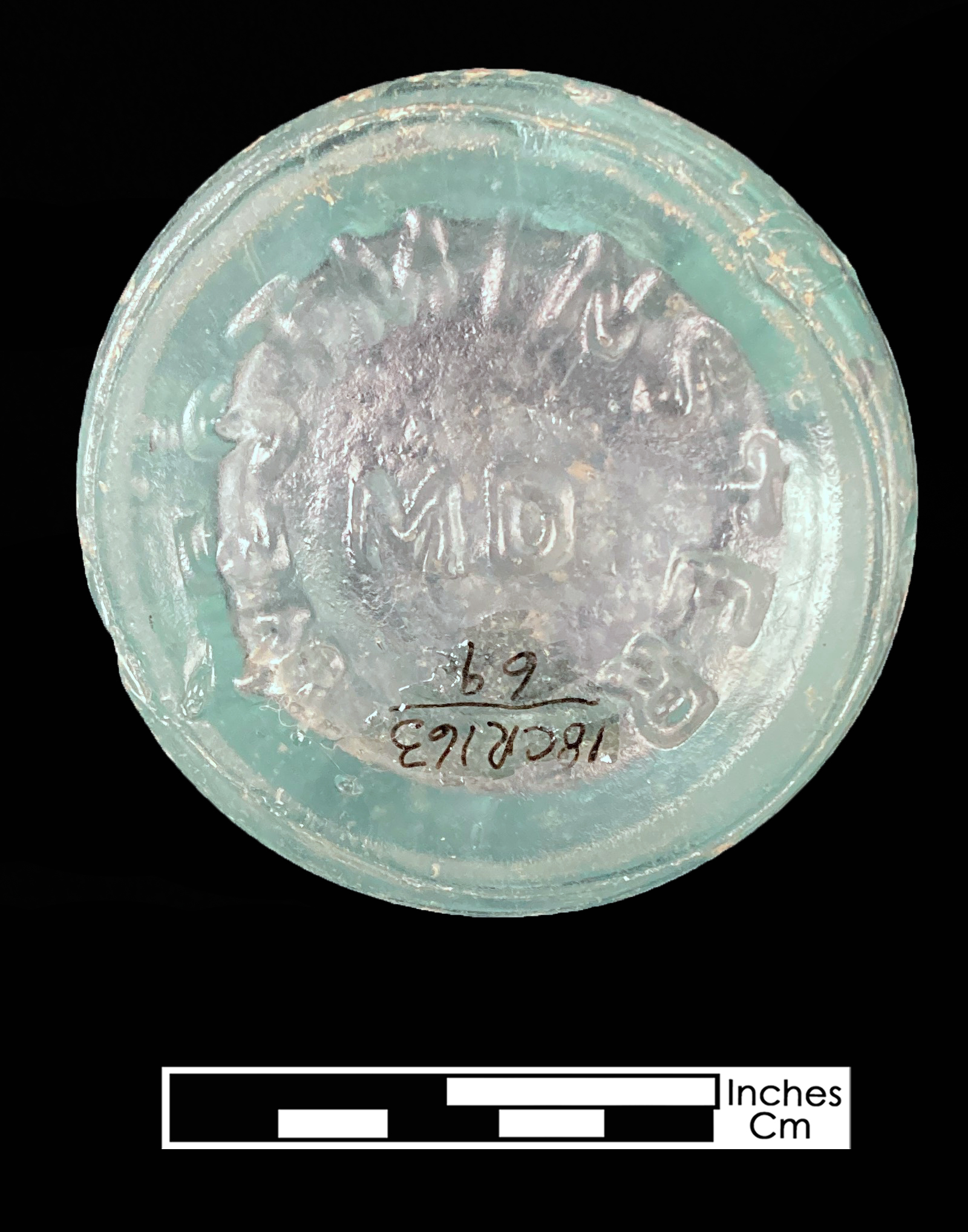 Figure 1 - The bottle base from 18CR163 showing the embossed "Westminster MD" on base.
The Westminster Coca-Cola Bottling Co. Inc. submitted its articles of incorporation to the state
of Maryland in 1931. The bottling plant continued successfully for many years before it merged with
the Mid-Atlantic Coca-Cola Bottling Company in 1991 (Maryland Department of Assessments & Taxation).
The plant in Westminster closed after the merger. The building’s façade retains its Coca-Cola
branded architectural elements (Figure 2). The building stands on Old Westminster Pike, and
it currently houses various shops.
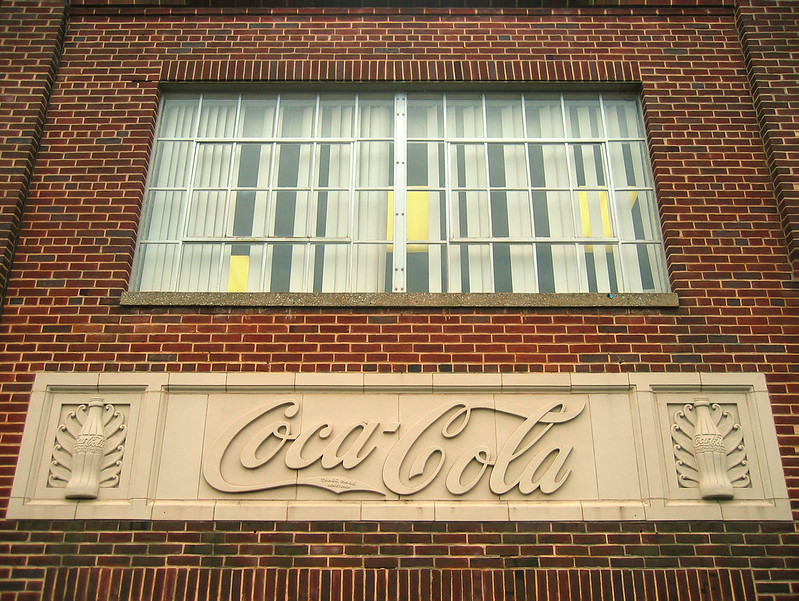 Figure 2 - Building façade featuring contour bottle design. Photo by Bryan Costin,
https://flickr.com/photos/bcostin/329786572/in/photostream/.
Figure 2 - Building façade featuring contour bottle design. Photo by Bryan Costin,
https://flickr.com/photos/bcostin/329786572/in/photostream/.
The iconic Coke bottle design has become a symbol in American pop culture. It was designed to
strengthen brand recognition and make the product stand out from its imitators and competitors.
Coca-Cola's top attorney, Harold Hirsch, suggested that the best way to unify the brand across
bottling plants was to use a distinctive bottle. Bottle producers nationwide worked on designs to
present to the Coca-Cola Company. Drawing inspiration from the shape of the cocoa bean, Earl
Dean, following Alexander Samuelsson’s guidance, sketched the now famous design. In 1916,
Coca-Cola directed all their bottle producers to adopt the design and emboss the city name of
the bottling plant on the base of the bottle (The Coca-Cola Company). Which is why we know the
Coke bottle from Fenby Farm Lime Kiln was a locally produced one. I imagine people were proud
that there was a Coke bottling plant in their town and that they could see at a glance
whether a bottle was filled in Westminster.
References
The Coca-Cola Company
N.d. The History of the Coca‑Cola Contour Bottle.
https://www.coca-colacompany.com/about-us/history/the-history-of-the-coca-cola-contour-bottle, accessed April 18, 2024.
Frye, Lori A.
1998 Phase I/II Archaeological Investigations at Fenby Farm Quarry and
Lime Kiln Site (18CR163/CARR-260), Westminster, Carroll County, Maryland. Prepared by Heritage Resources, Inc. for
the City of Westminster.
Maryland Department of Assessments & Taxation
N.d. Business Entity Search. Westminster Coca-Cola Bottling Company,
Inc.: D00243360, accessed April 18, 2024.