When one thinks of historic house museums, the mind typically conjures up images of grand houses
and wealthy, famous families. However, the lifestyles interpreted in these museums were made possible
by domestic staff. Domestic servitude has been a staple of wealthy and middle-class homes in the United
States since before the beginning of the nation, but historic house museum scholars have found that
interpretation of servants’ lives in post-Civil War sites is either completely missing or lacking
depth (Lanier and Herman 1997, 40).
In Voices from the Back Stairs: Interpreting Servants' Lives at Historic House Museums, Jennifer
Pustz discusses the results of a survey of post-Civil War historic house museums and how they interpret
the lives of domestic staff. She finds that interpretation of servants' history is becoming more common,
but one issue that these museums run into is a lack of artifacts and historical documents. Most information
told about domestic staff is anecdotal and rarely gets into discussions of race, class, and gender (Pustz
2010, 38-39).
As JPPM prepares for the future opening of the Patterson Center to the public, it is important to use the
collections to highlight the experiences of domestic staff in the house. JPPM is fortunate to have several
resources to accomplish this.
Uniforms are a way to define one’s role in a space and visually distinguish them from others (Pustz 2010, 66).
This 1950s green and white cotton gingham dress with a cotton apron is a daytime uniform (Figure 1) worn
by female domestic staff at the Patterson’s River House property in York, Maine. It is evidence of the
separation of staff from the Patterson family and their guests. The sturdy fabric of both the dress and
apron would have stood up to the hard work and long hours of housework. It would have also been much simpler
in design and construction than the clothing worn by the Pattersons and their guests.
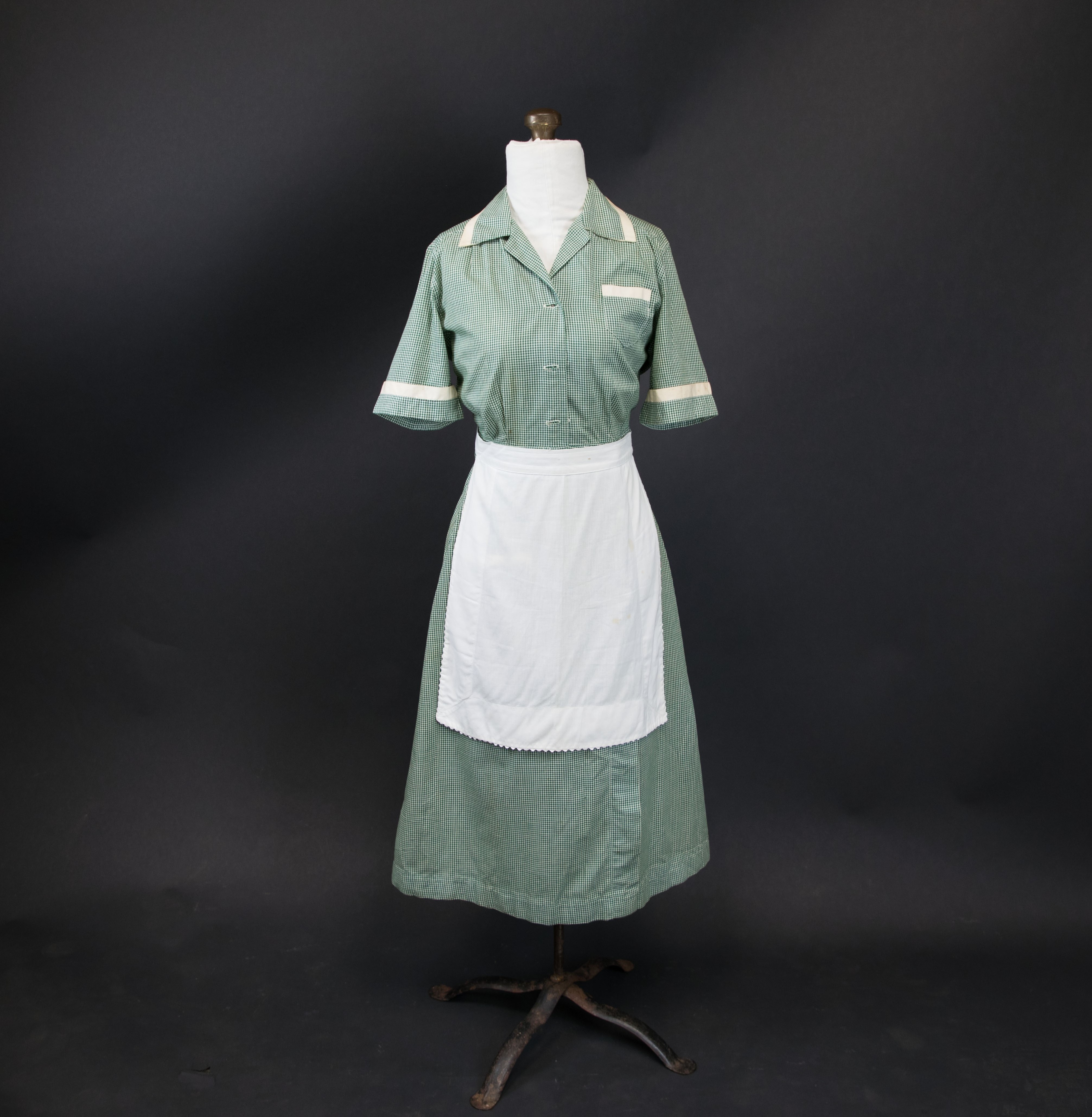 Figure 1. 1950s daytime maid's uniform with apron. Worn by maid at River House in York, Maine.
JPPM is also fortunate to have a robust oral history collection which includes that of the late Joyce
Eiler (Figure 2), a Wallville resident who served as the Patterson’s maid, housekeeper, and later,
caretaker at Point Farm during the 1970s and 1980s. In Voices, Pustz emphasizes that the way domestic
staff addressed their employers and guests illustrates the home’s hierarchy. For example, Eiler says in
her interview: "and then, of course when you go in the next morning to serve them breakfast or whatever,
you know, you're going, "Good morning sir, good morning ma'am." You never call anybody by their name"
(Eiler 2015; Pustz 2010, 51).
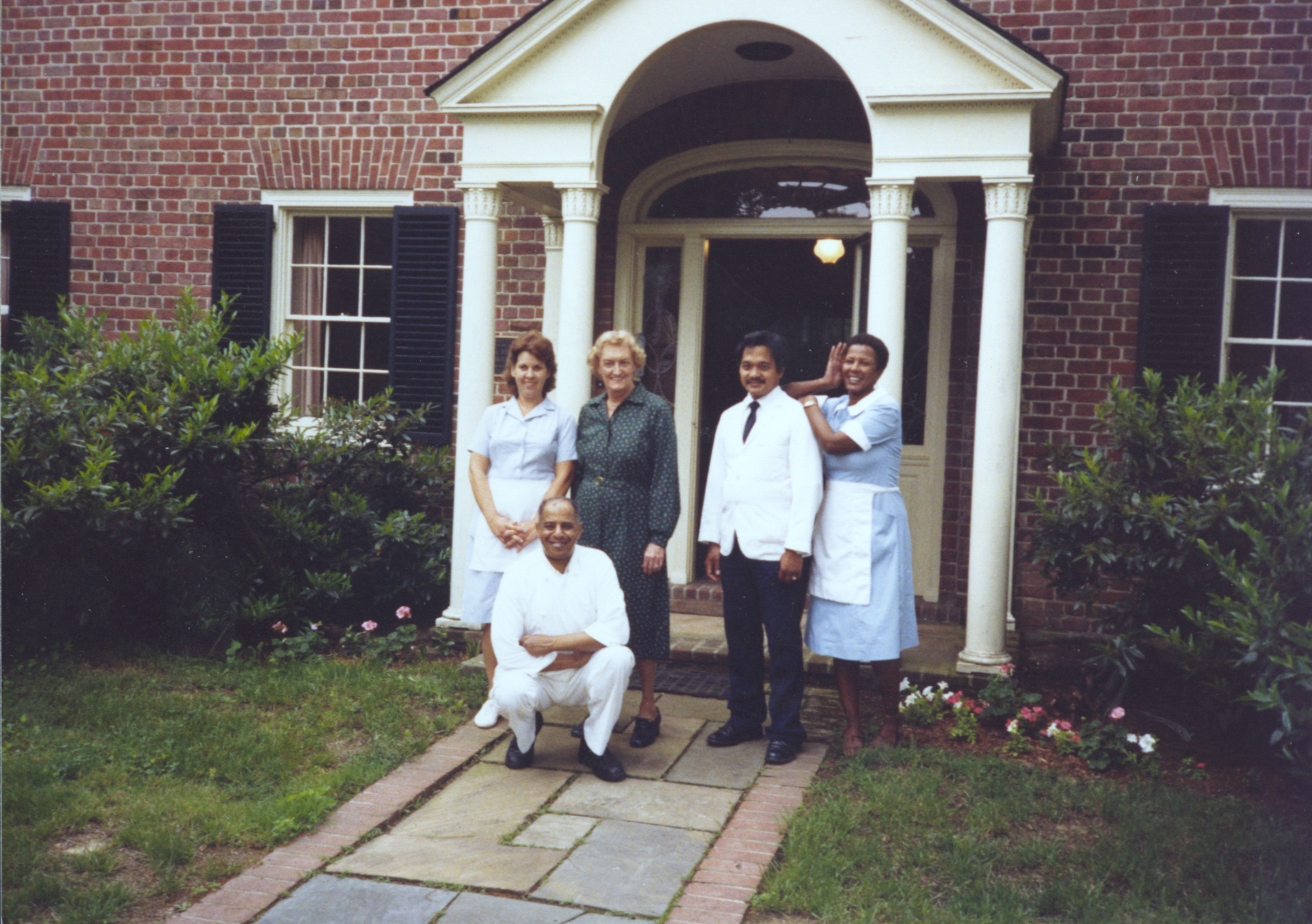 Figure 2. Memorial Day Weekend 1987 at Point Farm. Left to right: Joyce Eiler, Mahmoud Hassan,
Mary Marvin Breckinridge Patterson, Leonardo Santa Inez, and Fatima [surname unknown].
Figure 2. Memorial Day Weekend 1987 at Point Farm. Left to right: Joyce Eiler, Mahmoud Hassan,
Mary Marvin Breckinridge Patterson, Leonardo Santa Inez, and Fatima [surname unknown].
Architecture is another rich area for interpreting the domestic staff experience. The Pattersons' Point
Farm home has a service wing composed of a staff lounge (Figure 3), kitchen, butler's pantry, servants'
stairs, and a call bell system. Service wings are further evidence of the physical separation of employer
and employee and the tradition of hiding the hard work of maintaining a home (Pustz 2010, 80).
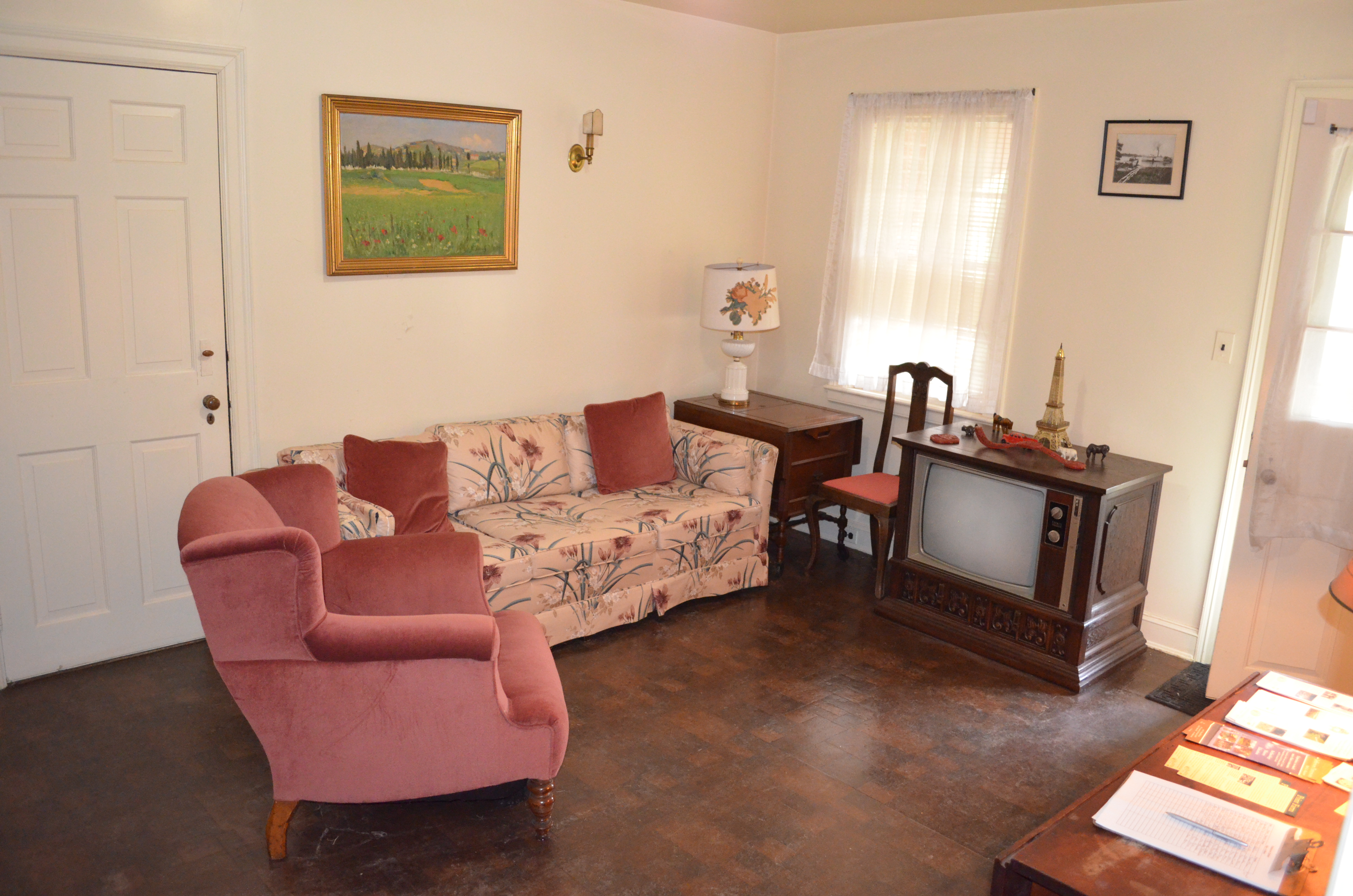 Figure 3.The Patterson Center staff lounge in 2013.
In both historic house museums and privately owned historic homes, service wings are often in danger during
renovation projects, their original functions hidden behind new uses and technologies. In Everyday
Architecture of the Mid-Atlantic, Gabrielle M. Lanier and Bernard L. Herman describe service wings
as "imperiled elements" in renovation projects, whose demise, "results directly from their role as the
workrooms in the house…" (Lanier and Herman 1997, 40).
Historic house museums have a responsibility to their visitors to interpret the many stories and different
perspectives of life inside their homes. Though servant-employer relationships cannot be generalized,
material culture, oral histories, and archival information can help us understand how race, class, and
gender may have influenced these relationships (Pustz 2010, 60-61).
References
Eiler, Joyce
2015 Interview by Robert Forloney, 24 November. Transcript. Jefferson
Patterson Park and Museum, Saint Leonard, Md.
Lanier, Gabrielle M., and Bernard L. Herman
1997 Everyday architecture of the mid-Atlantic: Looking at
buildings and landscapes. Baltimore: The Johns Hopkins University Press.
Pustz, Jennifer
2010 Voices from the back stairs: Interpreting servants' lives
at historic house museums. DeKalb: Northern Illinois University Press.