The Royal Savage was a two masted schooner that fought in the American Revolutionary
War. Originally built and scuttled by the British, it was raised, rebuilt, and used
by the American revolutionary forces during the Battle of Valcour Island on Lake
Champlain in 1776, where it sank a second time. The wreck was recovered in the 1930s
by history enthusiast Lorenzo Hagglund. Much of the field of archaeological preservation
science hadn't been discovered yet. Hagglund's attempts to preserve the small artifacts
found among the ship timbers came from a place of care for the collection, but
decisions he made had consequences for the collection today. The materials he applied
to the collection 80+ years ago did not address the root causes of deterioration, and
in some cases, actively harmed the materials he was attempting to preserve.
For the past year, MAC Lab Conservator Arianna Johnston has partnered with the Naval
History & Heritage Command (NHHC) Conservation, Research, and Archaeology Lab (CORAL) to
address the conservation needs of the Royal Savage collection. One of the biggest mysteries
was the leather shoe fragments that were treated with an unknown material. These leather
artifacts turned their new archival storage materials yellow within six months! In recessed
areas of the leather surface, there is an iridescent film. No documentation in Hagglund’s
files explained what materials he may have used to preserve the leather.
Leather dressings were common practice for decades in libraries and museums across the world.
Dressings are a mixture of compounds including oils, waxes, solvents, and other materials intended
to lubricate, polish, and improve leather’s appearance (Raphael and McCrady 1984; Campbell
2009). By the 1980s, conservators began to
examine the efficacy1 of this standard treatment, in addition to dealing with the
consequences (Campbell 2009; Peacock 1984) of regular applications of leather dressing
to large collections. Leather
dressings often require reapplication to maintain a certain appearance and condition. Excessive
use of these oils and waxes leads to tacky surfaces that collect dust, disfiguring fatty blooms
that resemble mold, or staining of surrounding surfaces by migrating oils. The components of
leather dressings can darken and become acidic over time, and they are very difficult to
remove (Raphael and McCrady 1984). Dressings do not protect historic leather and often
contribute to its degradation.
Did Hagglund learn of this practice and apply a standard leather dressing to archaeological
leather? Did he use a commercial shoe polish to try to shine the shoe leather? Did he concoct
his own oily potion to attempt to displace the water bound in the wet recovered leather? Modern
conservation ethics requires comprehensive documentation of all actions and materials used on
artifacts. This gives future conservators and researchers answers to these types of questions.
Modern conservation guidelines also urges conservators to think about how the materials you use
on and around artifacts affects its component materials in the long-term. If a coating becomes
yellow and brittle in a year, is it worth using? Will it be reversible in 5, 20, or 100 years?
Will the artifact remain in a better condition with no intervention? Ultimately these shoe
fragments will never be worn again as shoes, so why does the leather need to remain pliable?
These questions are vital when designing methodology for preserving artifacts for the future.
The Royal Savage team is still working to analyze the oily deposits on the leather and the
exudant that has transferred to its storage materials. Preliminary research suggests a non-drying
oil but further analysis is pending.
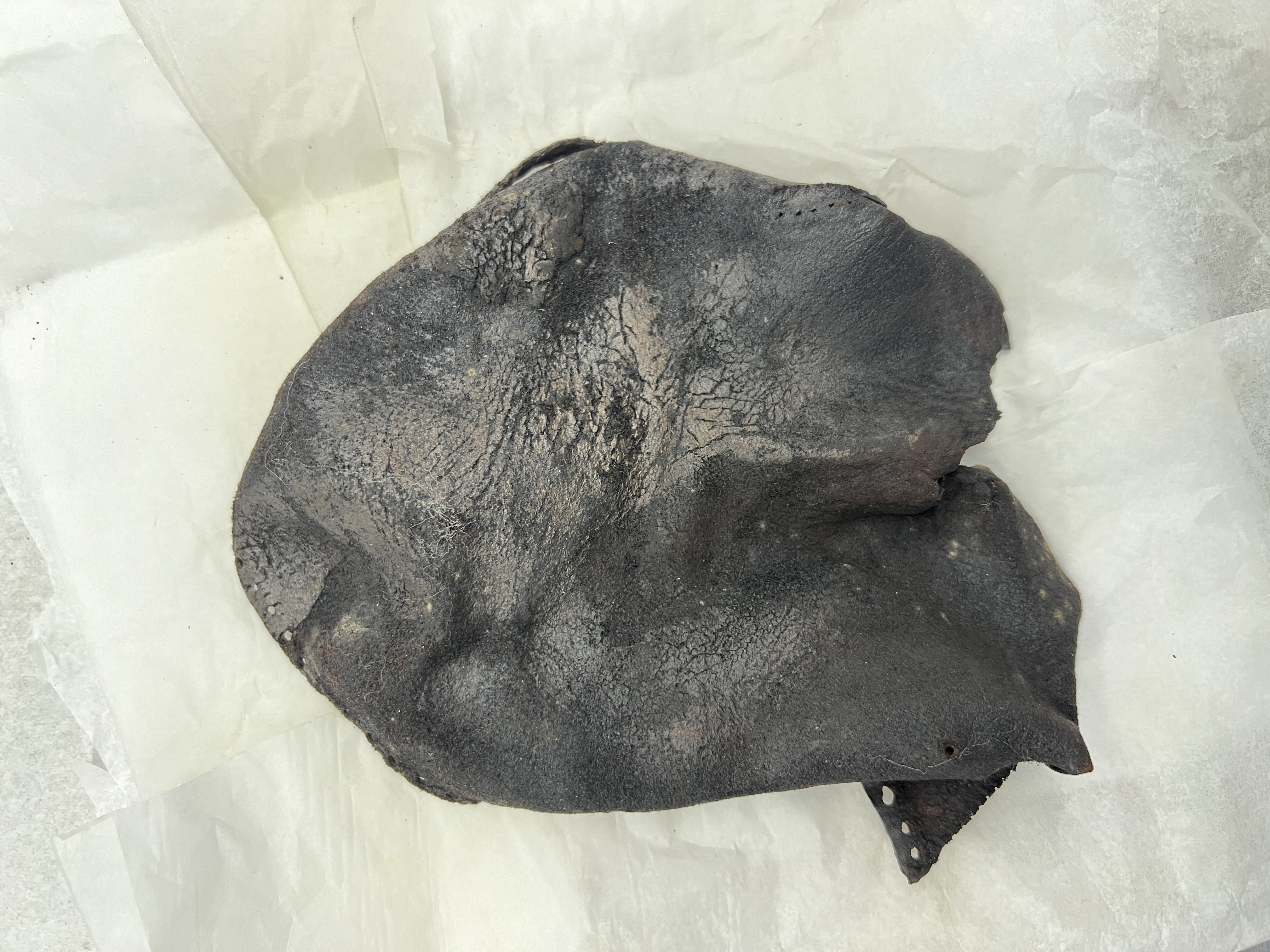 Figure 1: Leather shoe fragment NHHC 2016.026.491.08 and its iridescent film,
sitting in yellowed archival tissue paper. Image courtesy Naval History and Heritage
Command Underwater Archaeology Branch
Figure 1: Leather shoe fragment NHHC 2016.026.491.08 and its iridescent film,
sitting in yellowed archival tissue paper. Image courtesy Naval History and Heritage
Command Underwater Archaeology Branch
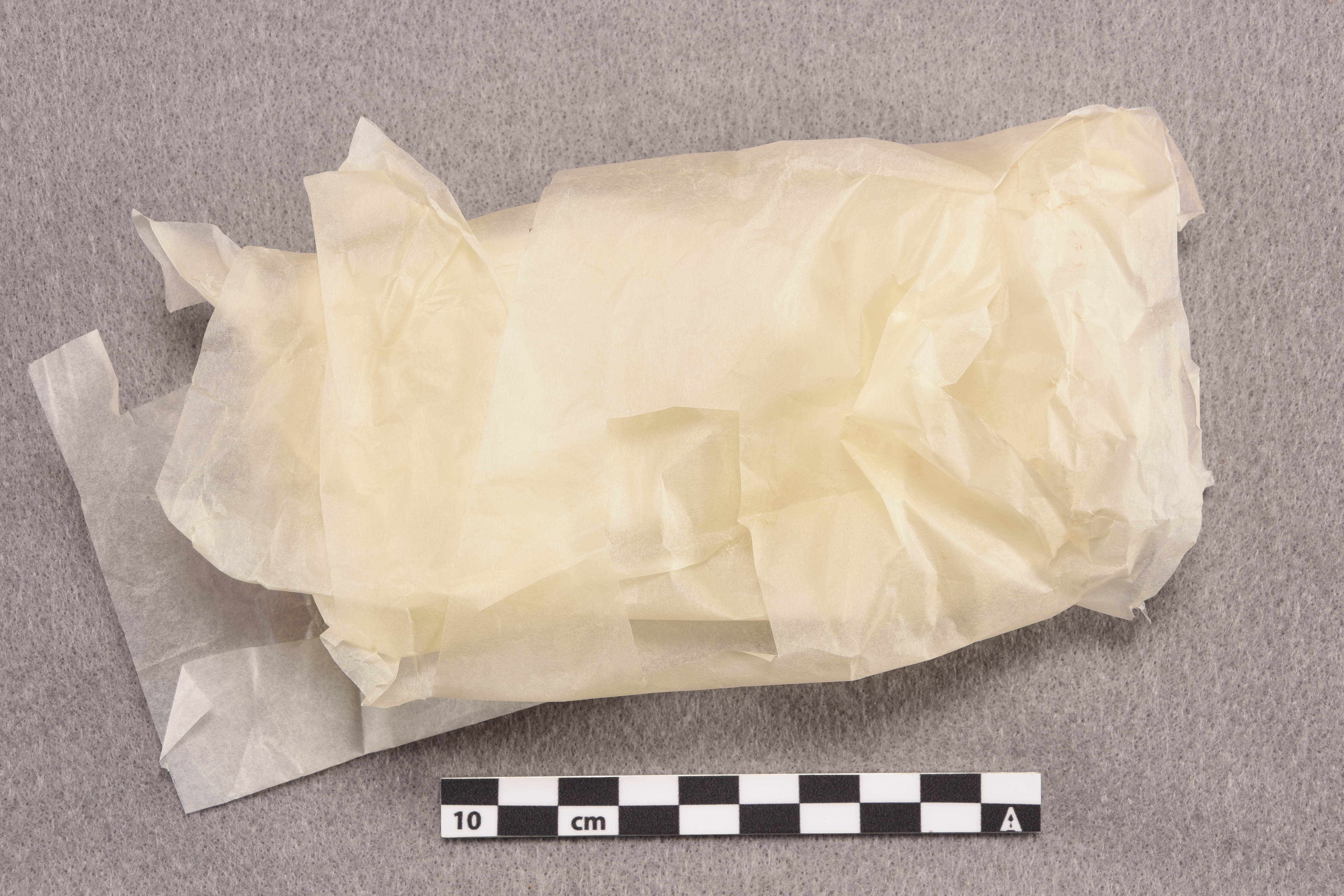 Figure 2: HYellowed packing materials. Image courtesy Naval History and Heritage
Command Underwater Archaeology Branch
Figure 2: HYellowed packing materials. Image courtesy Naval History and Heritage
Command Underwater Archaeology Branch
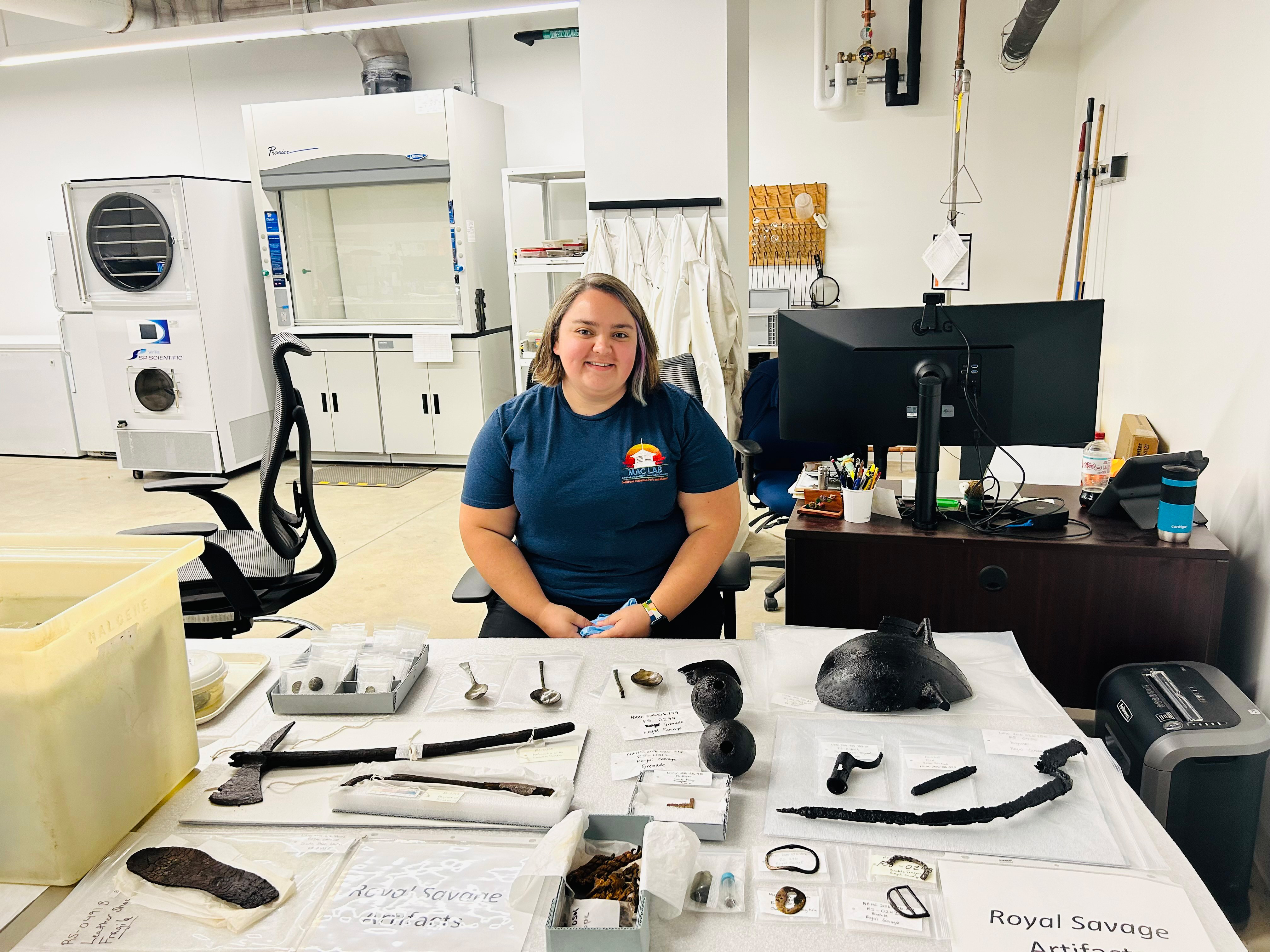 Figure 3: Arianna Johnston presenting Royal Savage artifacts at a public
Underwater Archaeology Branch lab tour.
Figure 3: Arianna Johnston presenting Royal Savage artifacts at a public
Underwater Archaeology Branch lab tour.
References
Raphael, Toby, and Ellen McCrady
1984 "Leather Dressing: A Misguided Tradition?" ICOM
Committee for Conservation, 7th Triennial Meeting Copenhagen, 10-14 September 1984, Preprints.
Paris: ICOM, 1984. pp. 84.18.6 - 84.18.8
Campbell, Brenna
2009 "The Removal of Leather Dressing from Paper." The
Book and Paper Group Annual 28 (2009): 125–31.
https://cool.culturalheritage.org/coolaic/sg/bpg/annual/v28/bpga28-22.pdf.
Peacock, Elizabeth E.
1984 "Mass Reconservation of Archaeological Leather:
A Case Study." ICOM Committee for Conservation, 7th Triennial Meeting Copenhagen, 10-14
September 1984, Preprints. Paris: ICOM, 1984. pp 84.18.1 - 84.18.5