During excavations at the 18th-century plantation site, Smith’s St. Leonard, on the grounds of Jefferson Patterson Park and Museum, archaeologists recovered a mysterious carved bone artifact (Figure 1).
This artifact was found in one of the lower levels of a subfloor pit under one of the houses for those enslaved at the plantation.
Subfloor pits under African American quarter sites are thought to have served several functions, including storage areas, root cellars, places to conceal personal items, and even as ancestor shrines (Samford 2007: 9).
It’s difficult to know if the bone artifact from Smith’s St. Leonard was placed in the subfloor pit intentionally during the pit’s use period or made its way there in a later fill episode.
Was it a treasured personal item such as a bridge to a musical instrument or hair comb?
Was it an object of spiritual or ritual importance? Or did it have some utilitarian function that is not obvious to us 300 years later?
There has been much speculation amongst MAC Lab research and collections staff as to what this artifact may be.
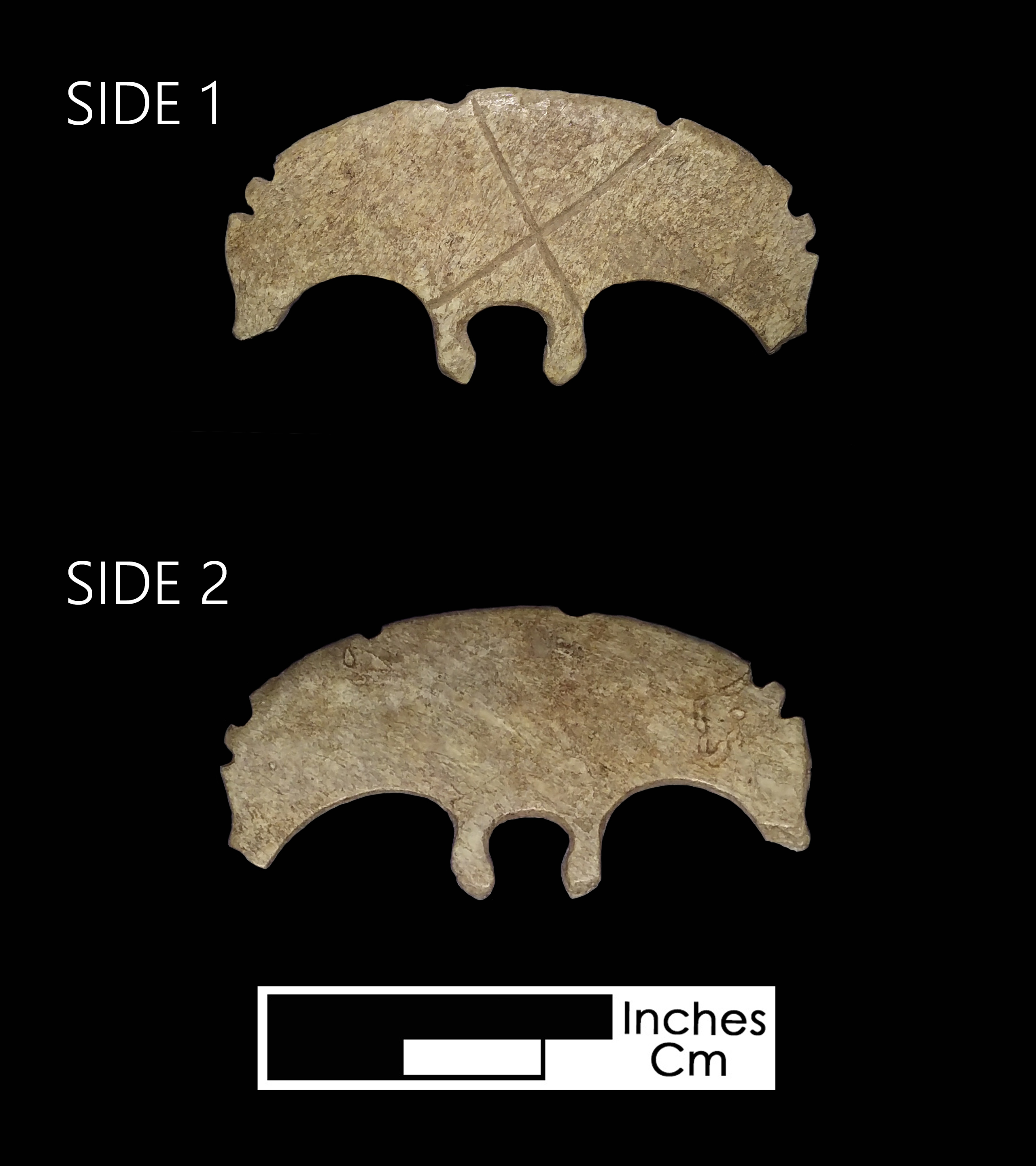 Figure 1: Carved bone artifact from a subfloor pit at the Smith’s St. Leonard site.
One of the first suggestions, and perhaps the most obvious, was a bridge to a stringed instrument, perhaps a violin or fiddle.
There are six notches along the curved edge that could have held strings in place. Four of the strings would have been almost equally spaced with two strings close together on the outer edge of the artifact.
Since violins and fiddles only have four strings, perhaps the outer two notches were decorative and not functional.
However, this bone artifact lacks the flat feet of a traditional violin or fiddle bridge (Figure 2) making it difficult to imagine how it would rest on the body of the instrument.
The tips at either end appear broken, which may indicate that such feet have broken off. However, the tips hardly seem robust enough to withstand the pressure strings would place on the bridge.
Also, violin and fiddle bridges are usually made from wood not bone. . Generally, a violin bridge should be made from “good maple” and freak bridges made of ivory or bone should be “left severely alone” (The Violin World 1916: 3).
This, of course, does not mean that someone couldn’t have fashioned their own bridge from bone, if that was the material most easily at hand. An anonymous person posted on the Fiddle Hangout Forum “I do know a couple of fiddlers who have their
bridges made from bone. Both were hand-made by the same man. Both sound good” (Fiddle Hangout 2007).
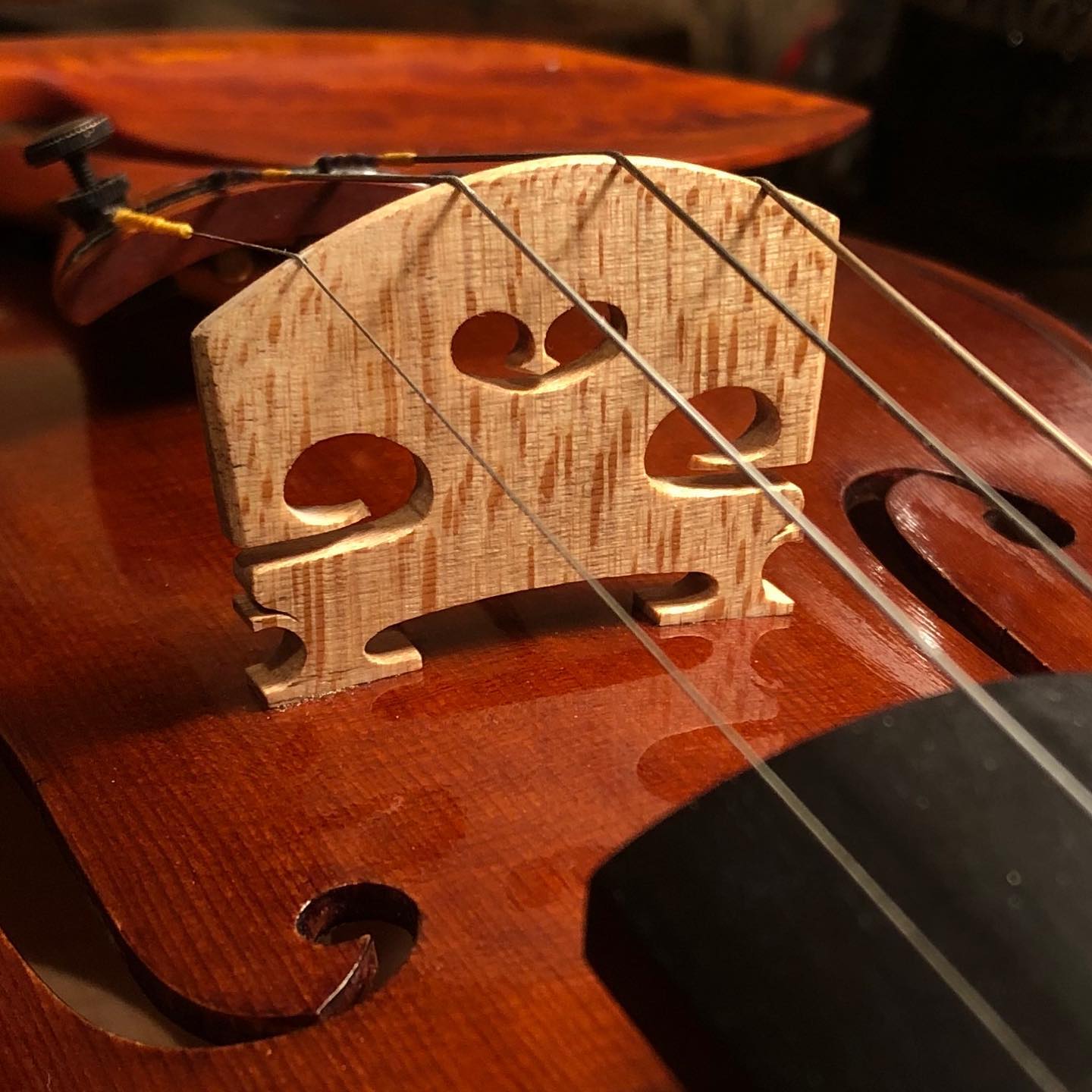 Figure 2: Violin bridge made from maple (Nigh 2020).
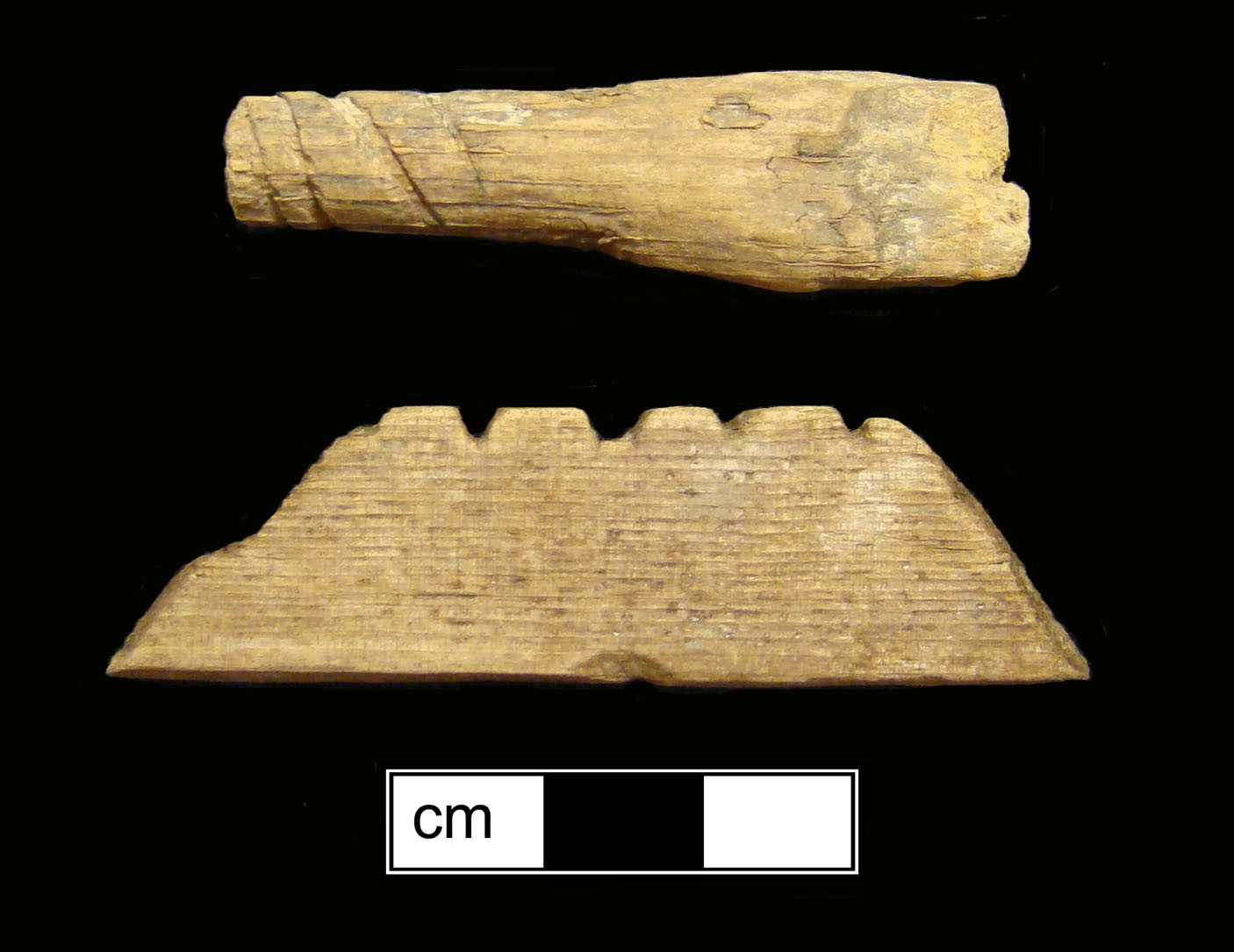 Figure 3: Wooden bridge and tuning key from a homemade banjo found at the Addison Plantation site.
Fiddles and violins aren’t the only stringed instruments though. It’s possible this artifact is a bridge for an instrument made by an individual enslaved at the Smith St. Leonard plantation. This type of artifact has been found before in Maryland.
A wooden bridge and tuning key from a homemade banjo were discovered in an 18th-century well feature at the Addison Plantation site in Prince George’s County (Figure 3) (Morehouse 2015).
There are several types of stringed instruments that were played by enslaved people who were brought to America from West Africa. Researchers and musicologists have considered lutes, such as the ngoni, as the predecessor to the modern banjo (Figure 3).
The ngoni has an oblong wooden or gourd body covered in animal hide with either a flat “unfooted” bridge or a bridge, inserted through an opening in the hide, which has a hole for the terminal end of the instrument’s neck to pass through (Figure 4).
Perhaps the bone object was the latter type of bridge and the two small prongs on the bottom were used to attach the bridge to neck or in some other improvised fashion.
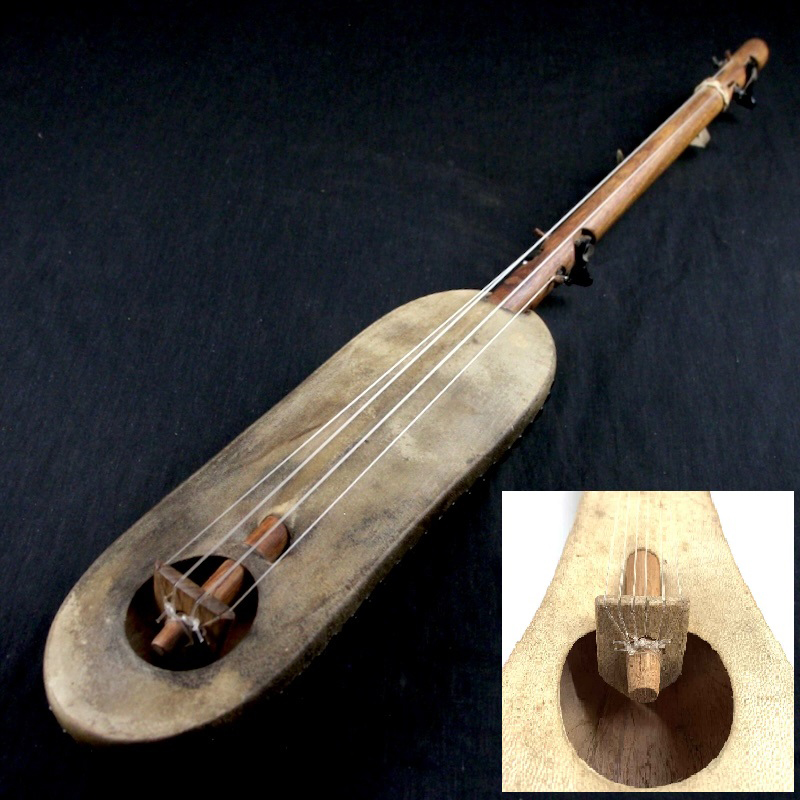 Figure 4: Ngoni, a West African stringed instrument. Inset: closeup of the bridge attachment. (BaraGnouma, n.d.).
Other possibilities considered include the upper section of a hair comb with the lower section with the teeth broken off (Figure 5). But, again, the tips on the end of the object don’t seem robust enough for use as a comb or even just a hair pin or other adornment.
It’s also possible that this object had some kind of utilitarian function, perhaps related to hand sewing or weaving.
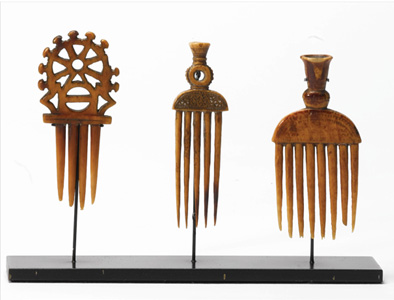 Figure 5: Three Asante ivory combs, Ghana (Sotheby's, n.d.).
The cross mark on this object is also intriguing. Was it some kind of guide for stringing an instrument or did it hold spiritual or ritual meaning?
Crosses on objects associated with enslaved people have been interpreted as “cosmograms”, which represent the physical and the spiritual worlds (Figure 6).
“One line representing the boundary between the living and the dead and the other representing the path of power from below and above” (Ferguson 1999: 119; Luyaluka 2015).
Artifacts with cross marks, from marbles to spoons to pottery, have been recovered from excavations at African American quarter sites, many of which have been interpreted as representing cosmograms.
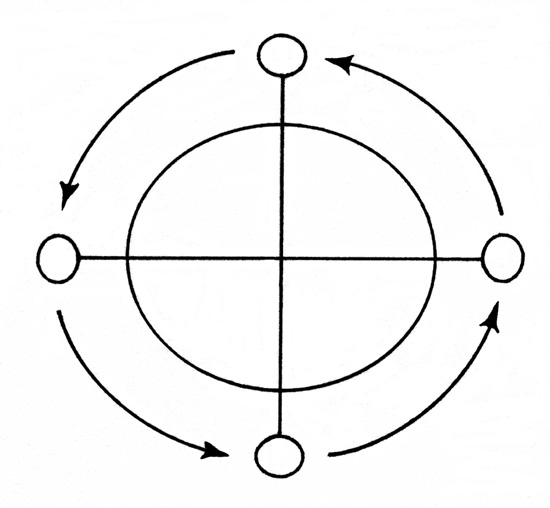 Figure 6: Illustration of a cosmogram.
This carved bone artifact took someone considerable time to create and whether it had a functional or spiritual purpose, we may never know.
MAC Lab staff would love to hear from anyone that has seen a similar artifact or who may have additional ideas about what this artifact may be.
References
BaraGnouma
n.d. Djeli n'goni
https://baragnouma.com/en/djeli-n-gonis-and-djelitars/3110-djeli-n-goni-n90.html,
accessed November 18, 2024
Ferguson, Leland
1999 The Cross is a Magic Sign: Marks on Eighteenth-Century Bowls from South Carolina. In
"I, Too, Am America:" Archaeological Studies of African American Life. Theresa A. Singleton (ed), pp. 116-131. University Press of Virginia: Charlottesville, Virginia.
Fiddle Hangout
2007 "Different Bridge Woods?". Fiddle Hangout Forum. July 7, 2007.
https://www.fiddlehangout.com/archive/374
accessed November 18, 2024
Morehouse, Rebecca
2015 "Evidence of an African Instrumen in Colonial Maryland?". MAC Lab Curator's Choice, February 2015.
https://jefpat.maryland.gov/Pages/mac-lab/curators-choice/2015-curators-choice/2015-02-evidence-of-african-american-instrument-in-colonial-maryland.aspx,
accessed November 18, 2024
Samford, Patricia
2007 Subfloor Pits and the Archaeology of Slavery in Colonial Virginia.
The University of Alabama Press: Tuscaloosa, Alabama.
Sotheby's
n.d. "Three Asante Ivory Combs, Ghana."
https://www.sothebys.com/en/auctions/ecatalogue/2011/african-oceanic-and-precolumbian-art-n08749/lot.245.html,
accessed November 18, 2024.
The Violin World
1916 "The Importance of a Violin Bridge". The Violin World 26 (1):3. February 15, 1916.