Starting in the 1870s, North American manufacturers began large scale production of enameled wares for kitchen and household use.
In the enameling process, iron, steel, or tin vessels wares were coated with a melted powdered glass that provided a smooth and lustrous surface.
The enameling process had several benefits: the all-over surface protected the metal wares from rusting and kept food and beverages from taking on metallic tastes (Old & Interesting 2012).
It was also non-stick, easy to clean, and resistant to acids that occurred naturally in some fruits and vegetables.
After cast iron enameled wares were replaced with vessels made from sheet metal, they were also lightweight and easy to use.
In addition to food preparation vessels, enameled wares were also produced in other forms: cups, plates, washbasins, milk jugs, chamberpots, and more.
.jpg) Figure 1. Enameled coffee pot found in a surface midden at the Elizabeth Rawlings site (18CV553).
Figure 1. Enameled coffee pot found in a surface midden at the Elizabeth Rawlings site (18CV553).
An almost complete enameled sheet iron coffee pot was recovered from the late 19th- to early 20th-century Elizabeth Rawlings site in Calvert County, Maryland (Figure 1).
Although badly battered and corroded, and missing its handle and lid, enough of the vessel survives to determine that it was very similar to one depicted in a circa 1890 advertisement for enameled ware (Figure 2).
Generically known today as “graniteware”, enameled wares also were marketed in the late 19th and early 20th centuries as “marbled ware,” “speckleware,” “agateware,” and “swirled ware,”
dependent on the decoration used to coat vessel exteriors (Vogelzang and Welch 1981).
The name graniteware was the name that stuck, perhaps because of its connotations of strength and durability, as well as decoration that looked like veins of granite.
While the exteriors of graniteware came in a variety of colors—green, blue, grey, red, and turquoise—the interiors were always enameled in white to aid in thorough cleaning.
The demise of graniteware began in the 1930s, as the production of stainless steel, Pyrex, and plastic kitchenware brought serious competition to the enamel ware market.
Today, vintage enameled wares are highly collectible and sometimes hard to find, since many pieces of graniteware were handed in during the scrap metal drives of World War II.
In recent years, there has been a resurgence in the popularity of cast iron cookware with upscale pieces produced by companies like LeCreuset.
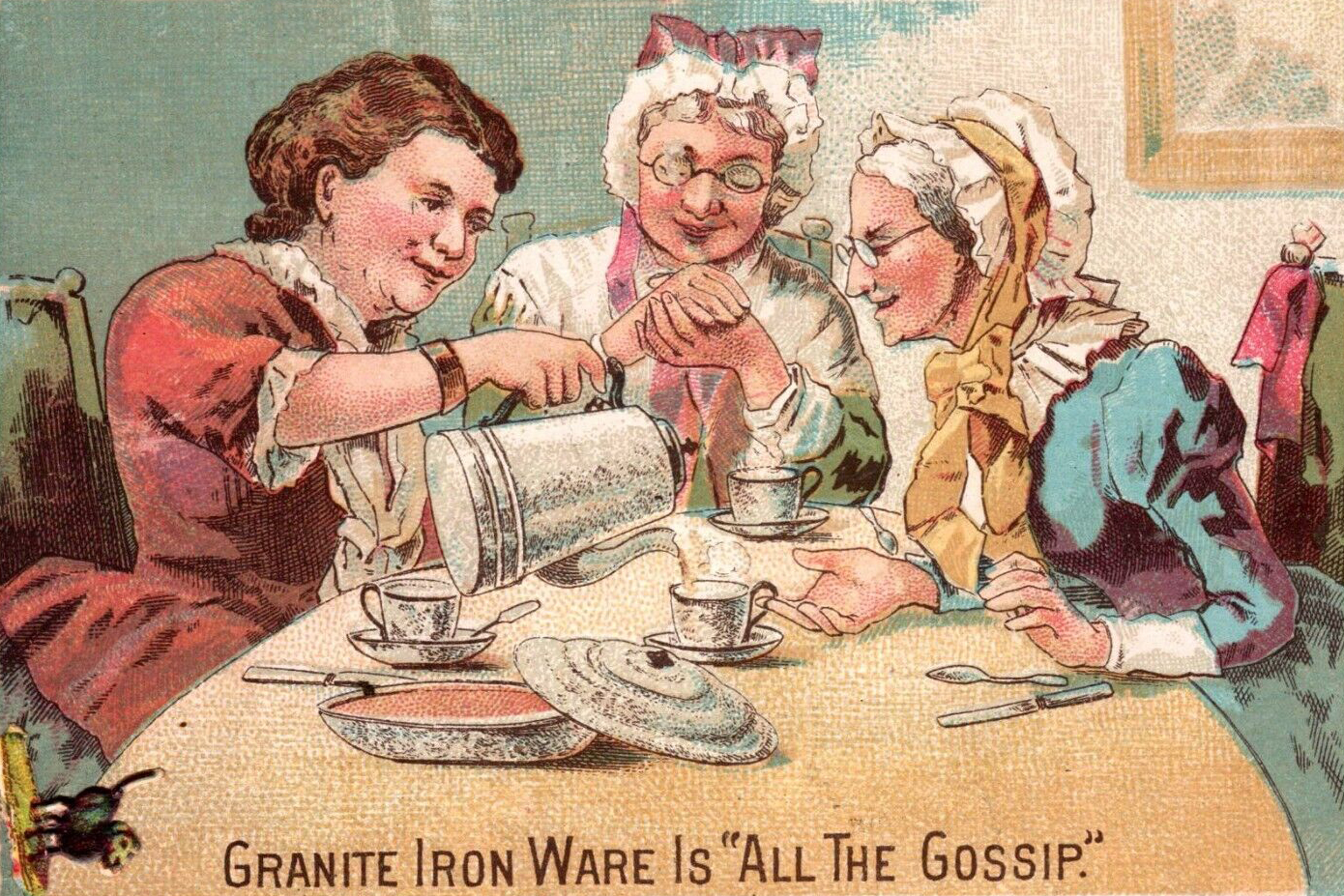 Figure 2. Advertising trading card dating between 1870 and 1900. Electronic resource,
https://ark.digitalcommonwealth.org/ark:/50959/w9505k88j.
Figure 2. Advertising trading card dating between 1870 and 1900. Electronic resource,
https://ark.digitalcommonwealth.org/ark:/50959/w9505k88j.
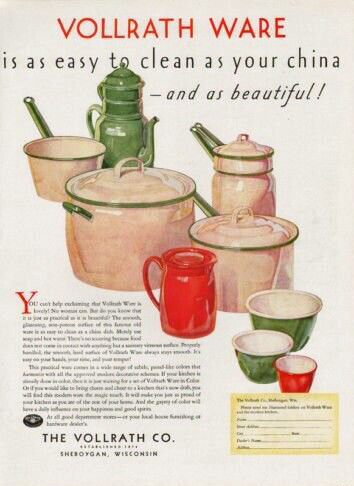 Figure 3. 1930 advertisement for enamel ware made by the Vollrath Company.
* Note: The title comes from an early 20th-century advertisement for the Vollrath Company.
References
Old and Interesting
2012 History of Enamelware—Kitchen & household. Electronic resource, accessed December 19, 2024. http://www.oldandinteresting.com/enamelware-history.aspx
Vogelzang, Vernagene and Evelyn Welch.
1981 Graniteware; Collectors’ Guide with Prices. Wallace-Homestead Book Company, West Des Moines, Iowa.
Vollrath
n.d. Gay Colors—Graceful Shapes, Lustrous Surfaces”. Advertisement for Vollrath enameled wares.
Depicted in Graniteware; Collectors’ Guide With Prices. Vernagene Vogelzang and Evelyn Welch. Wallace-Homestead Book Company, West Des Moines, Iowa, 1981.