Smoke Like a Turk: An Example of the Orientalist Movement in 19th-century Baltimore
Most tobacco pipes imported from Europe up until the mid-19th century were made from white ball clay.
This clay was high in titanium with a smooth texture that was highly malleable and could be used to make
molded tobacco pipes without requiring further treatment (Vince and Peacey 2006: 14). These pipes had a
fine white color and have been found in abundance on archaeological sites from the 17th through the 19th
centuries.
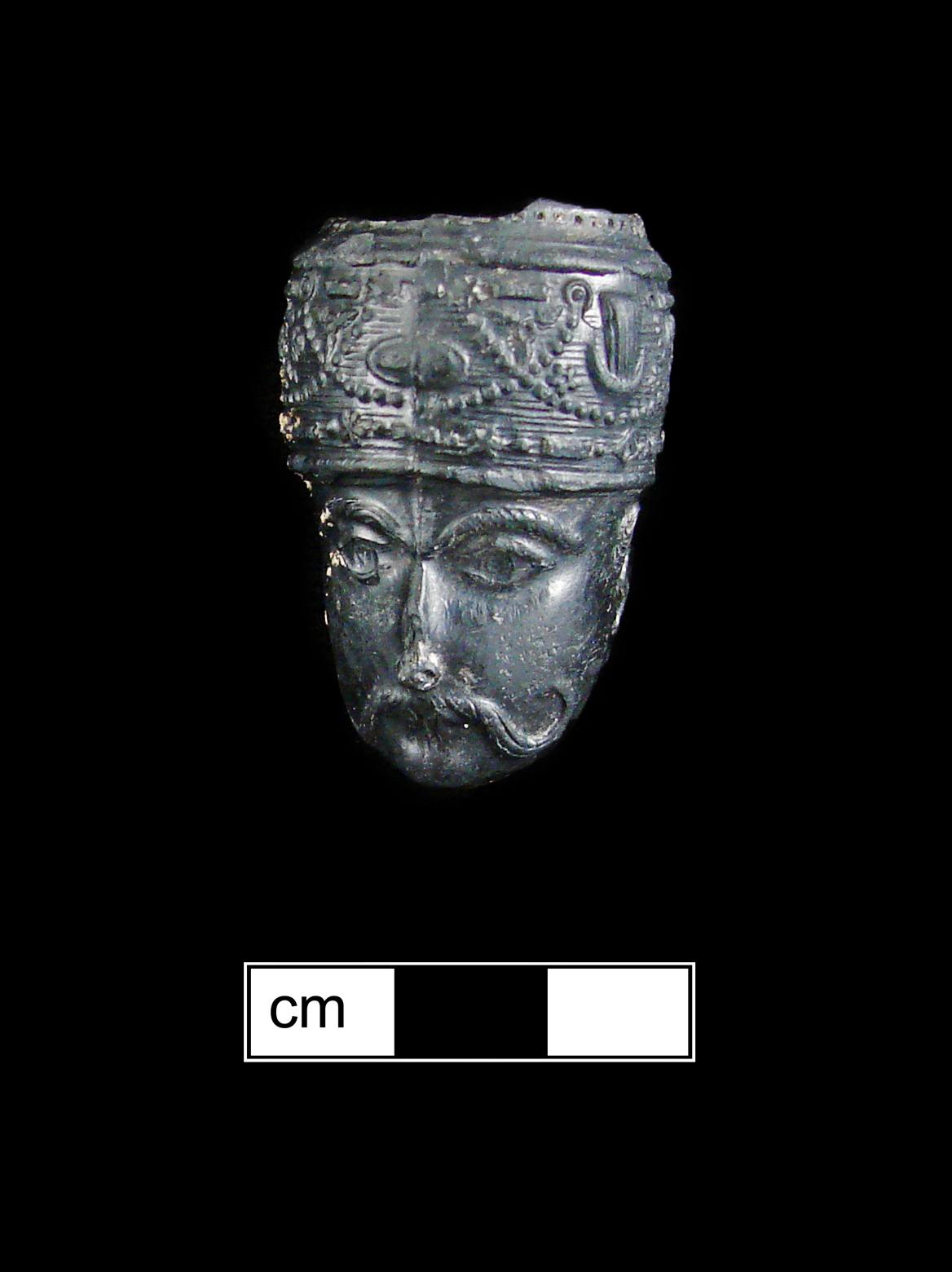 Figure 1. Polished black tobacco pipe from a privy at the Federal Reserve
site in Baltimore City.
Figure 1. Polished black tobacco pipe from a privy at the Federal Reserve
site in Baltimore City.
One of the most interesting white clay tobacco pipes in the MAC Lab’s collections is actually black
(Figure 1). This black tobacco pipe was recovered from a privy at the Federal Reserve site in
Baltimore City and likely dates to the early to mid-19th century. Dr. David Higgins, a British tobacco
pipe expert associated with the Society for Clay Pipe Research in the United Kingdom, said that the
pattern and style of the pipe indicate it was likely produced in one of the many large pipe-making
factories in northern Europe, perhaps France or Belgium (2011: personal communication).
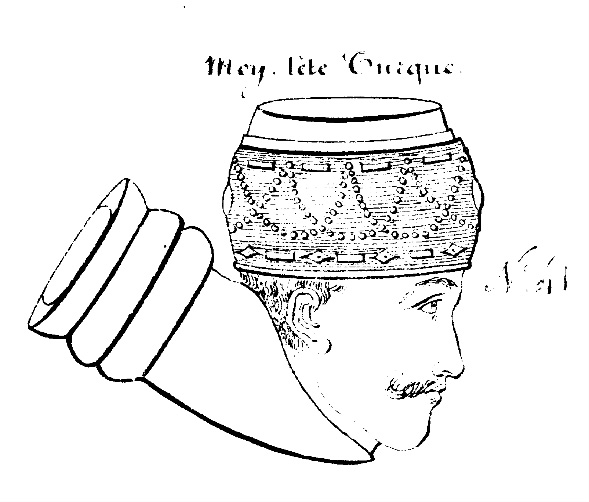 Figure 2. Illustration from the 1846 Fiolet Factory catalog (Higgins 2011: personal
communication).
Figure 2. Illustration from the 1846 Fiolet Factory catalog (Higgins 2011: personal
communication).
Illustrations found in the 1846 catalog from the Fiolet factory in Saint Omar in northern France
show designs very similar to the pipe from the Federal Reserve site (Figure 2) (Dr. David Higgins
2011: personal communication). Like most tobacco pipes of this time period, this pipe is made of white
clay but was put through an additional process to obtain its black appearance. For protection during
firing, clay tobacco pipes are placed in cylindrical ceramic vessels called “saggars” before being
fired in a kiln (Figure 3). Once fired, the saggar was then filled with oak sawdust and fired a
second time. This process produced a black matte finish on the pipe. The surface was then coated
in graphite or coal dust and rubbed with a cloth to produce a polished surface (Walker 1977: 44).
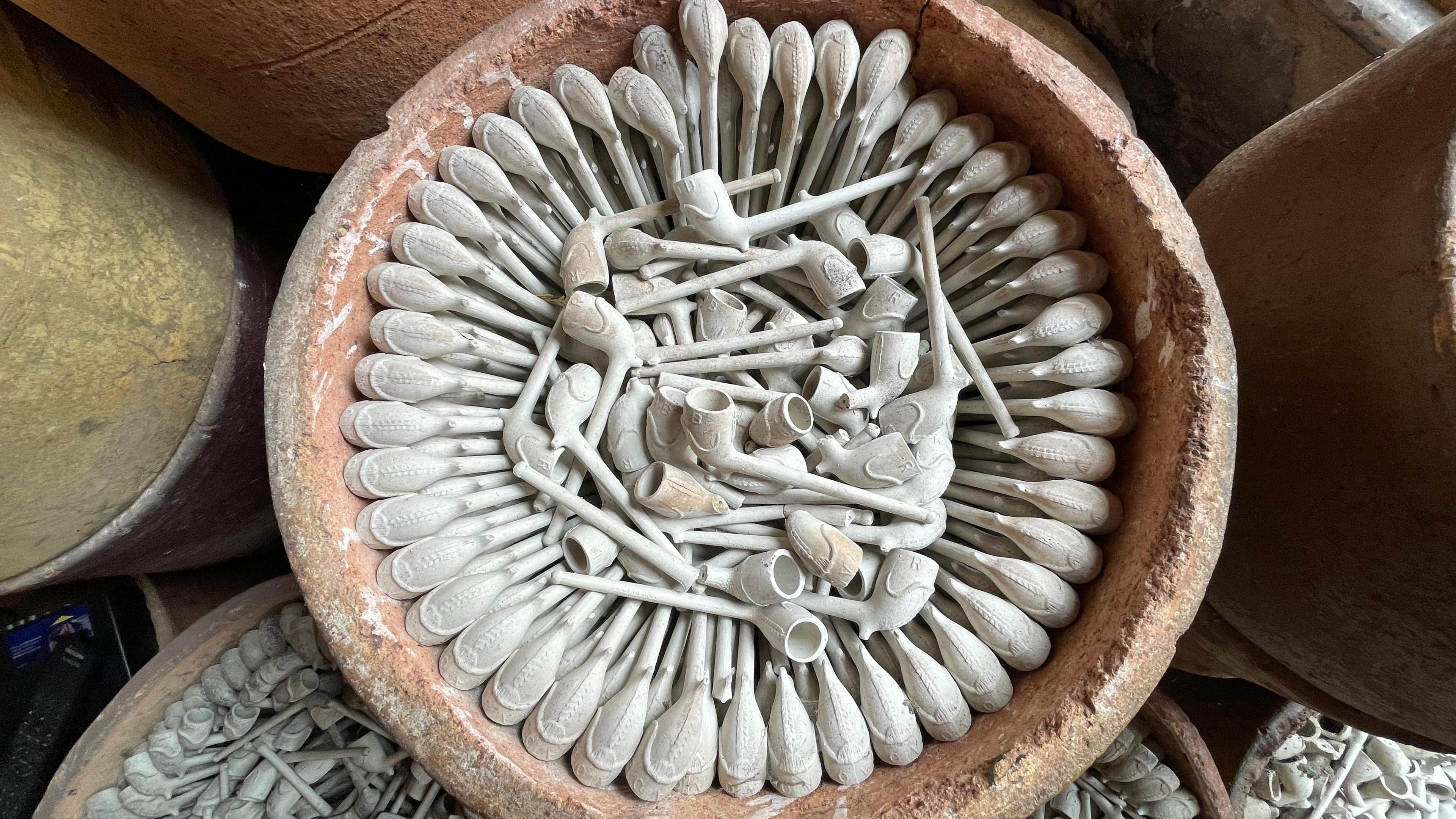 Figure 3. Ceramic saggars protect tobacco pipes during firing (Rack and Tisdale
2024).
Figure 3. Ceramic saggars protect tobacco pipes during firing (Rack and Tisdale
2024).
The molded face of the pipe is referred to as a “Turk’s Head” and is a representation of Europe’s
fascination with “the Orient” during the early 19th century. In the late 18th century, after
Napoleon Bonaparte led the French Army’s invasion of Egypt, European travelers flocked to the Near
and Middle East. Many of these travelers captured their impressions of these foreign lands in Africa
and Asia through art and literature, sparking the Orientalist movement of the 19th century. As this
Turk’s Head pipe illustrates, this artistic expression can also be found in the molded pipes made
throughout continental Europe during this time period. The Turk’s Head design was also be associated
with tobacco imported from the Near East and was a symbol, along with the Saracen, the Indian Prince,
and the Moor, used on coffee house and tobacconist’s signs, as well as trade figures, since the
17th century (Colin 1994: 36) (Figure 4).
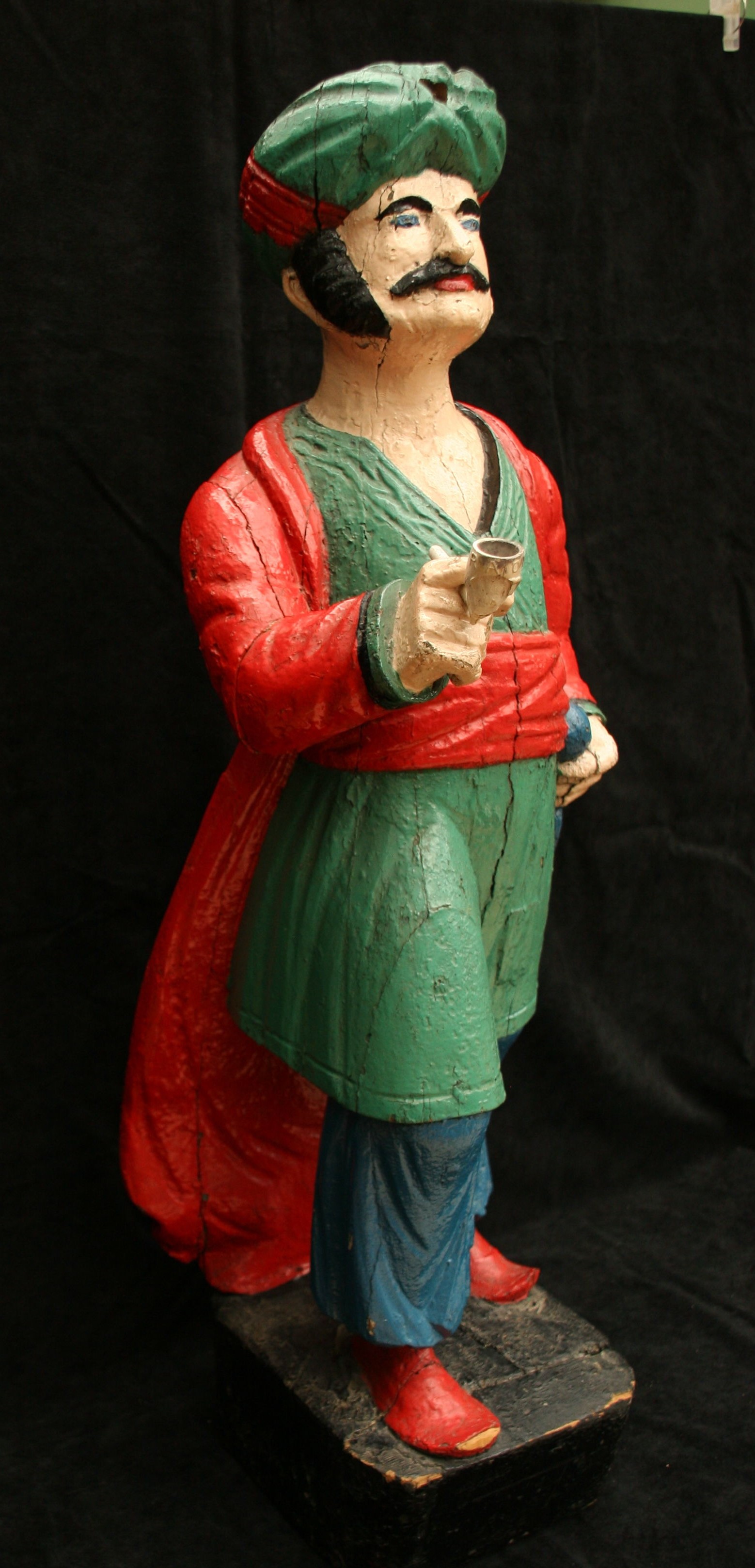 Figure 4. Turkish tobacco trade figure from 19th century England (David Levi
Antiques N.D.)
Figure 4. Turkish tobacco trade figure from 19th century England (David Levi
Antiques N.D.)
References
Tatman, Colin Andrew.
1994 The Archaeology of the Clay Tobacco Pipe XIII: The Clay
Tobacco Pipe Industry in the Parish of Newington, Southwark, London. British Archaeology Reports,
British Series 239, Oxford.
David Levi Antiques
N.D. Tobacconist Trade Sign 19th Century. Web resource:
https://www.davidleviantiques.com/en-GB/folk-art/tobacconist-trade-sign-19th-century/prod_10945 accessed
online, 24 February, 2025.
Higgins, David
2011 Personal communication.
Rack, Susie and Richard Tisdale
2024 “Pipeworks Museum Reopens with Donated Artifacts” on the
BBC website. Web resource:
https://www.bbc.com/news/articles/c4ng124wx02o,
accessed online, 27 February 2025.
Vince, Alan and Allan Peacey
2006 “Pipemakers and Their Workshops: The Use of Geochemical
Analysis in the Study of the Clay Tobacco Pipe Industry”. In Between Dirt and Discussion: Methods,
Methodology, and Interpretation in Historical Archaeology, Steven N. Archer and Kevin M. Bartoy, editors,
11-31. Springer, New York, NY.
Walker, Iain C.
1977 Clay Tobacco Pipes, with Particular Reference to the Bristol
Industry. History and Archaeology 11A-D, National Historic Parks and Sites, Parks Canada, Ottawa.