Conservation plays a key role in the analysis and interpretation of archaeological
artifacts by helping to reveal surface details that may be hidden beneath soil
or corrosion. Conservators have a range of cleaning methods at their disposal
to assist in this process. However, cleaning alone may not always yield the
level of detail necessary for accurate identification. To enhance surface
visibility, conservators and archaeologists at the Maryland Archaeological
Conservation Laboratory use an imaging method called Reflectance Transform
Imaging (RTI).
RTI is a computational photographic technique that captures the surface shape and
color of an object in fine detail by recording how it reflects light from multiple
directions. In an RTI setup, a stationary camera takes a series of photographs of
the object while varying the position of a single light source around it. Specialized
software then combines these images to create an interactive file where the user can
manipulate a virtual light source to explore surface features. This method reveals
subtle textures and surface details—such as inscriptions, tool marks, or wear patterns
that are often not visible under static lighting.
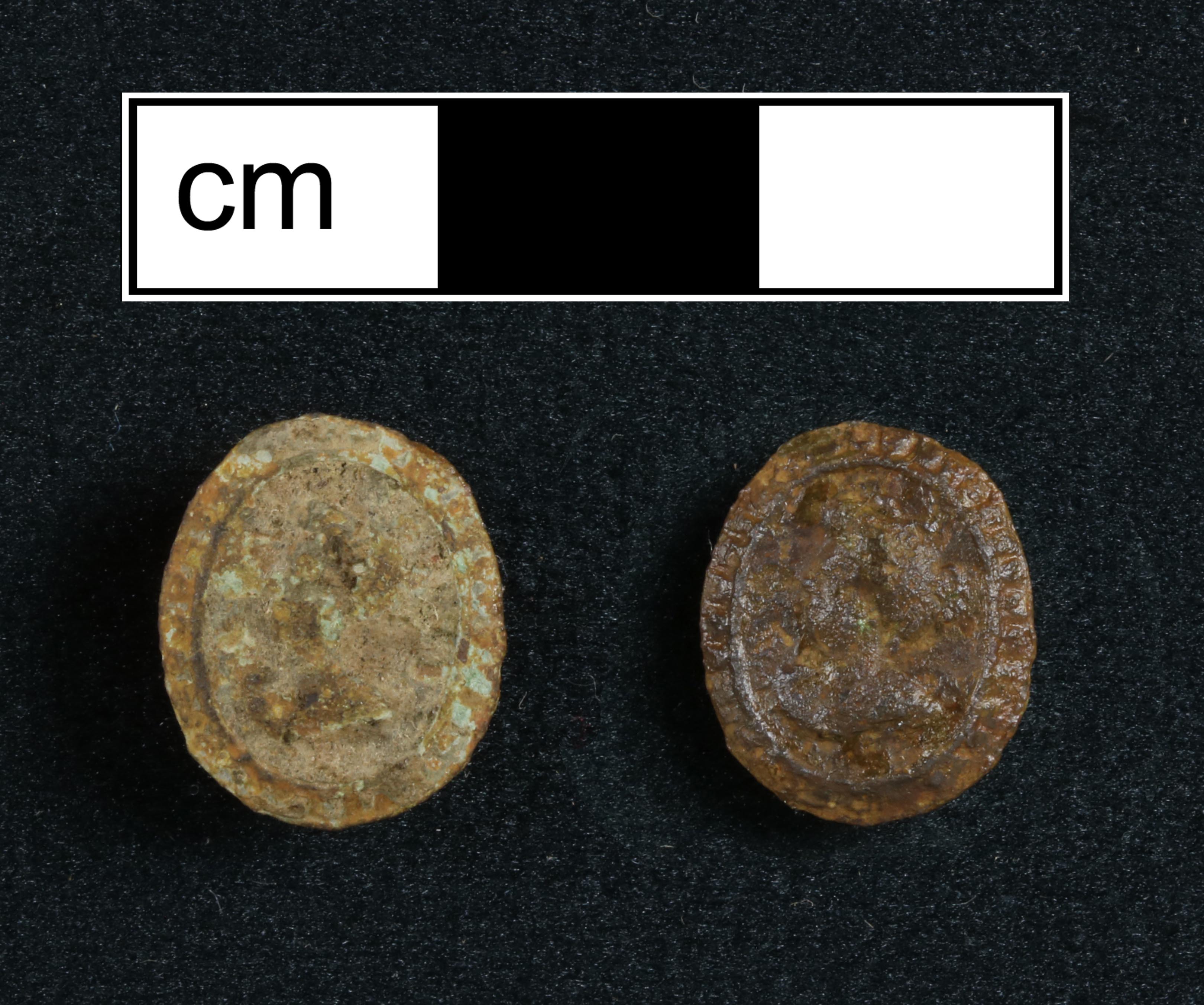 Figure 1. Before and after treatment images of sleeve button.
A notable example of RTI aiding in artifact identification is a sleeve button recovered
from Middle Plantation (18AN46) in Anne Arundel County, MD. Initially, the image on the button
was thought to depict King George II (r. 1727–1760)1. Despite the careful removal of soil
and concretions by conservators, the figure remained difficult to identify with certainty.
However, the use of RTI allowed curators to examine the surface in greater detail,
ultimately leading to the identification of the figure as Queen Anne (r. 1702–1714)
with dates that align more closely with the site's period of occupation.
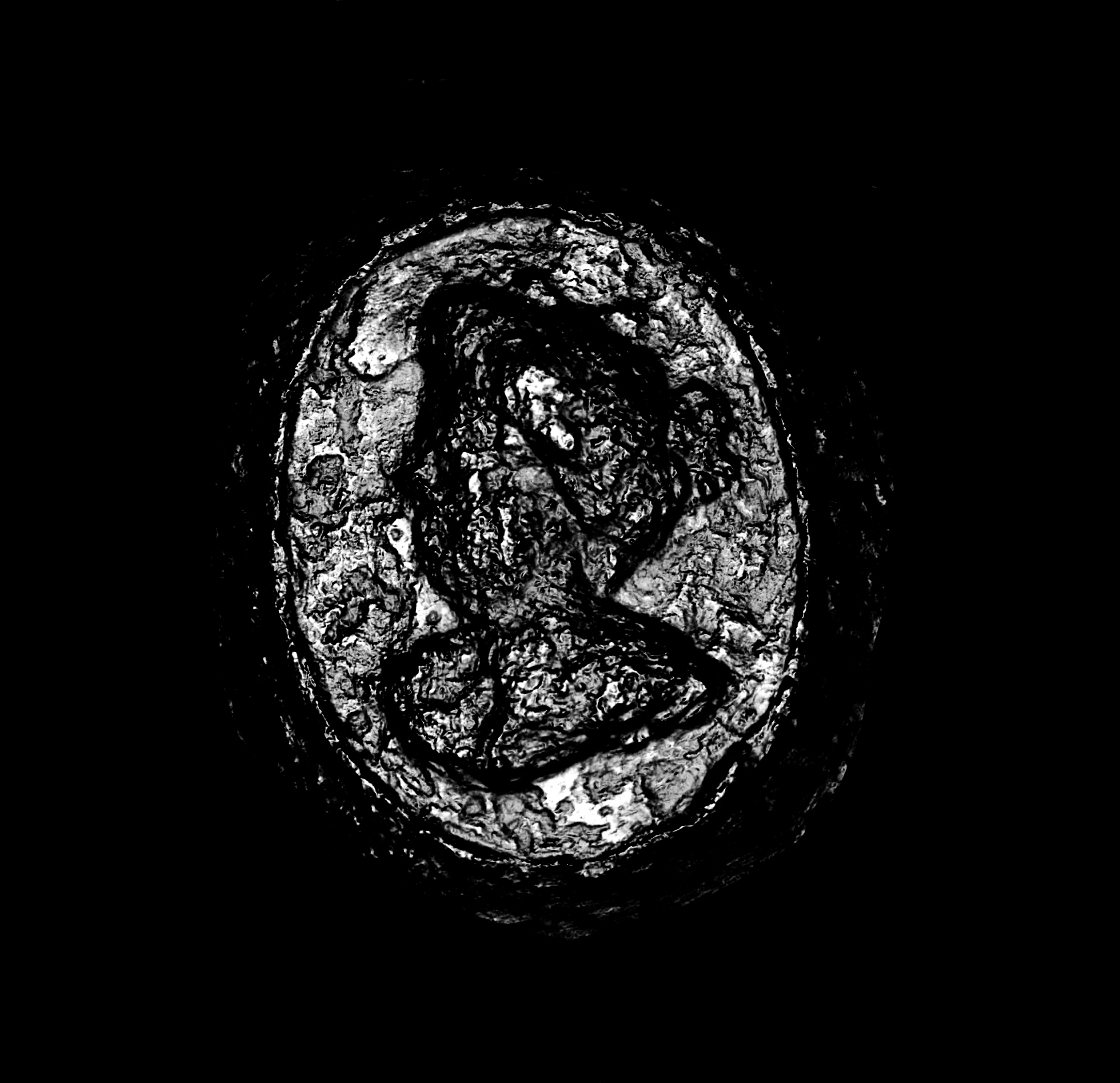 Figure 2. RTI image of sleeve button.
A wide range of methods and analytical tools are often used together to aid in the
identification and interpretation of archaeological artifacts. Among these, Reflectance
Transform Imaging stands out for its ability to reveal fine surface details that may not
be visible through cleaning or traditional photography alone, making it a valuable tool
in archaeology, conservation, and material studies.
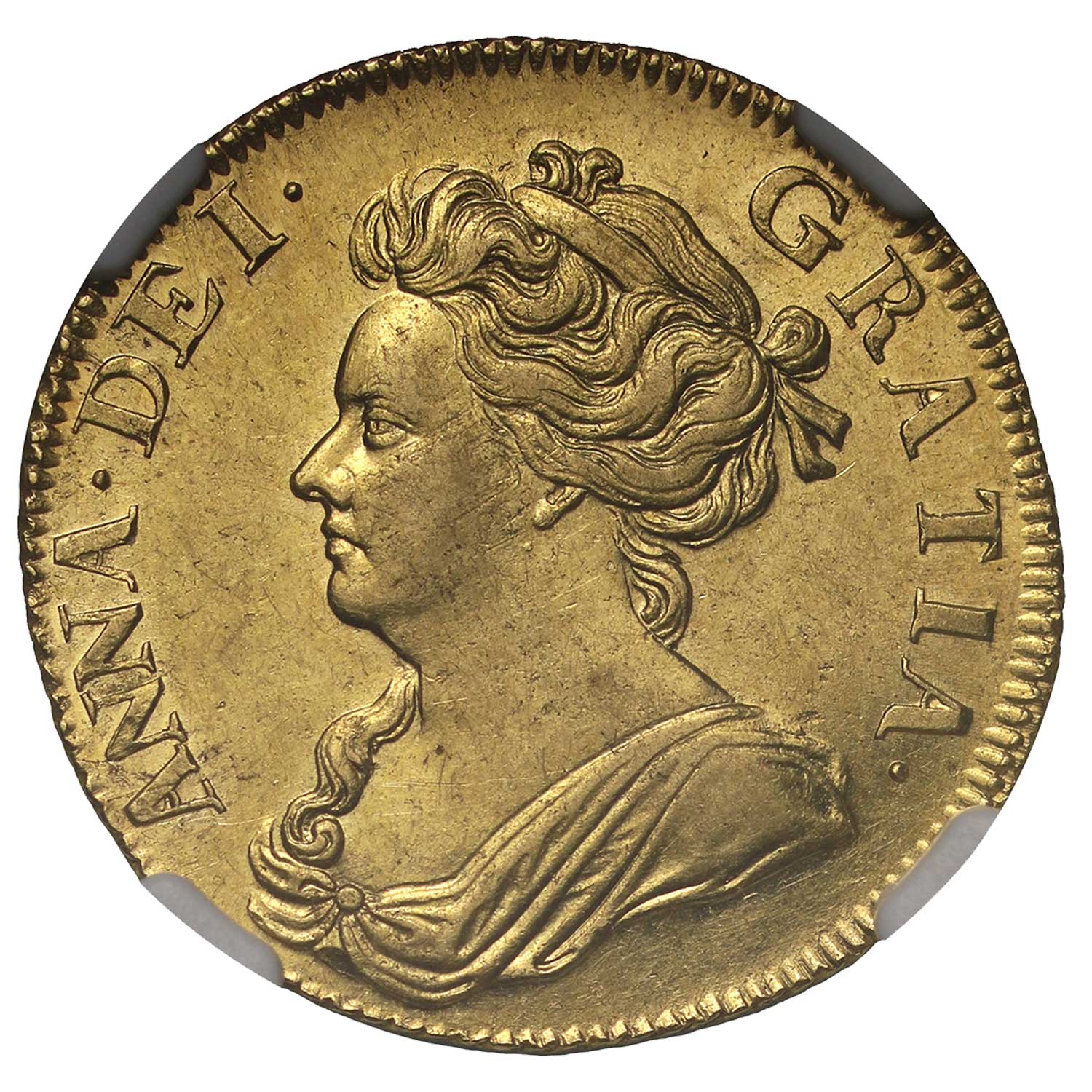 Figure 3. Bust of Queen Anne on a 1702 Gold Guinea. Image courtesy of
The Royal Mint.
https://www.royalmint.com/shop/monarch/queen-anne/1702-Anne-Gold-Guinea-Pre-Union-Type/
Figure 3. Bust of Queen Anne on a 1702 Gold Guinea. Image courtesy of
The Royal Mint.
https://www.royalmint.com/shop/monarch/queen-anne/1702-Anne-Gold-Guinea-Pre-Union-Type/
References
Doepken, William P.
1991 Excavations at Mareen Duvall’s Middle Plantation
of South River Hundred. Gateway Press, Inc. Baltimore. p.177.