“Knowledge of the Small-Sword…is an Art so necessary to be known, and so proper a
Qualification for the constituting of a Man a Gentelman, that I had almost said,
he can be none that is not skill’d therein" - Henry Blackwell
While swords are often seen today purely as weapons of war, beginning in the late
medieval period noblemen began carrying shorter, more ornate side swords that served
primarily as symbols of social status rather than instruments of combat. As opposed
to the heavier, larger blades of traditional battlefield weapons, the smallsword was
a light, nimble weapon intended largely for civilian life. The hanging of a sword at
a gentleman’s side was not a latent threat of violence, but instead a projection of
aristocratic identity, an expectation for men of noble status.
“The smallsword is really a species of rapier, in the sense that it originated as a
civilian’s weapon…it is a weapon of simple elegance and, no matter that it required
athleticism and practiced skill to manage it effectively, it nonetheless became the
essential everyday dress accessory for urban fop and portly squire alike, whether
he knew how to use it or not.”
An 18th century gentleman brandishing such a smallsword may be skilled in the art of
defense, but their sword may as well just be a fashion accessory with no true
offensive use.In William Hogarth’s series of paintings, “Four Times of the Day”
depicting daily life in London circa 1736, his piece “Noon” (Figure 1) features a
family strolling along the street. Both father and son of the well-heeled noble
family are wearing smallswords on their person,clear signifiers of social status.
Maryland colonists, such as Col. John Addison, would follow these same fashion
conventions in North America. Archaeological evidence of this can be found in
the form of multiple sword components excavated from the Addison Plantation site.
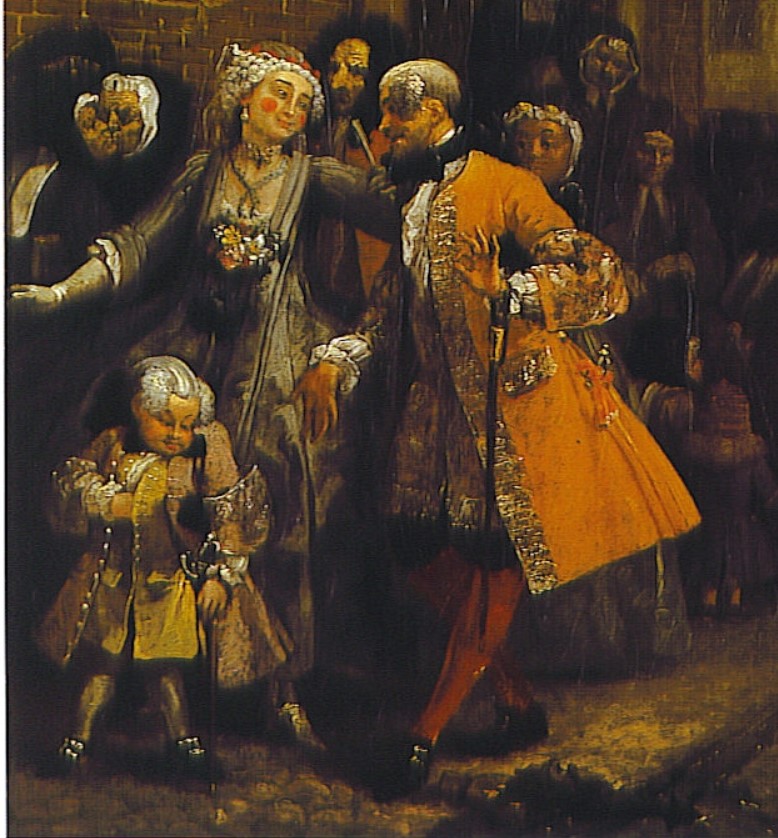 Figure 1. "Noon" by William Hogarth, 1736
Several cast metal sword components were found during excavations of Col. John
Addison’s original post-in-ground house and associated cellar. The smallsword
components were found in the wood-lined passageway to the cellar, which extended
25 feet away from the original post-in-ground house site. This passageway may
have had objects hanging from the walls or tucked against the sides of the passage
for storage. The sword components, which included two identical counterguard
fragments, a knuckle guard, as well as a quillon block, were all made of cast
brass and featured similar ornate designs (Figures 2 and 3). These components
were likely fragments of infantry hangers, which were lower quality imitations
of a gentleman’s smallsword (Pulaczewski, 2024). Due to casting the metal hilts
using molds, elaborate decoration was possible while keeping production
cheap.(Rivers Cofield)
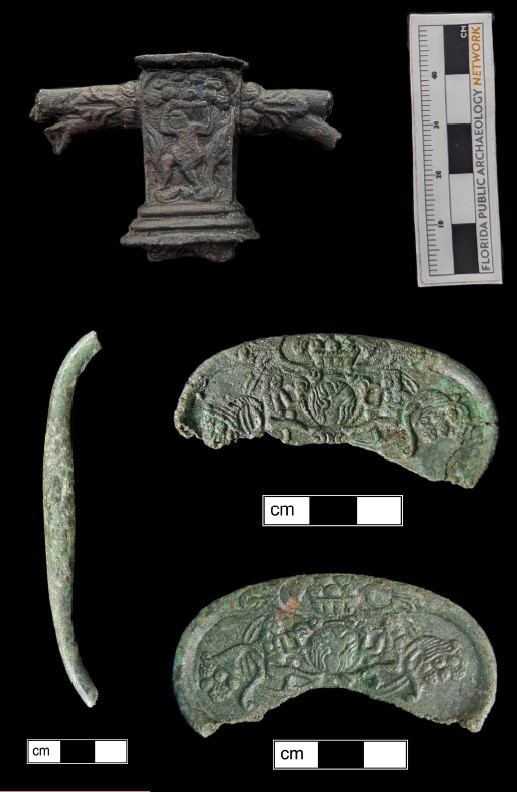 Figure 2. Smallsword components from the Addison plantation, ca 1690-1730.
Top: Brass quillon block; Left: Brass knuckle guard; Right: Brass
counterguard fragments
Figure 2. Smallsword components from the Addison plantation, ca 1690-1730.
Top: Brass quillon block; Left: Brass knuckle guard; Right: Brass
counterguard fragments
The presence of these smallsword components in a Maryland plantation house demonstrates
the cultural bonds between the Old and New Worlds. Carrying a smallsword in
colonial America was not merely a matter of fashion or defense; it was a deliberate
statement of identity.
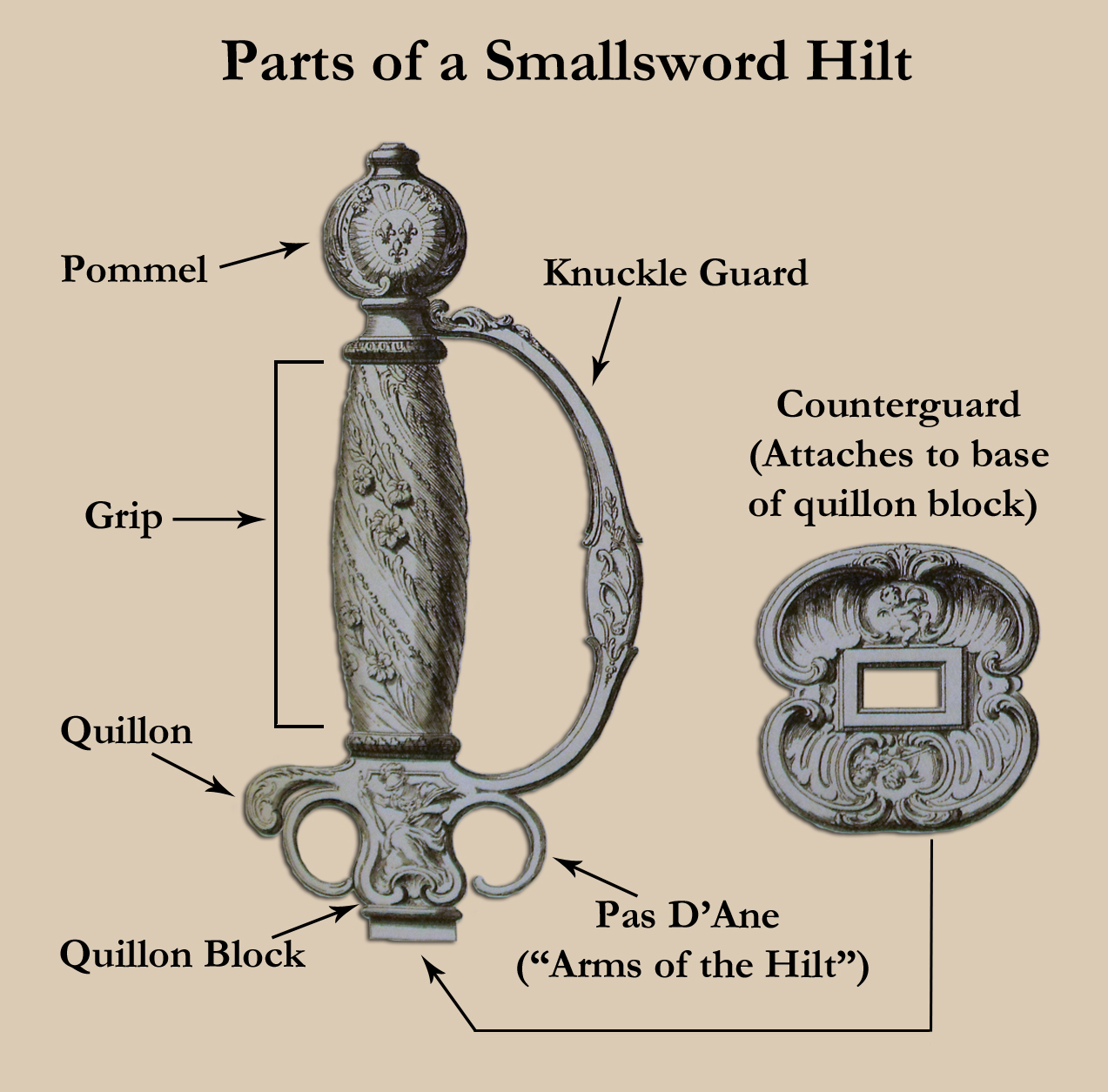 Figure 3. Hilt engraving adapted from Diderot and Alembert’s (1751-1765)
Encyclopedie, ou Dictionnaire Raisonne des Sciences: Des Arts et des Metiers.
Figure adapted by Sara Rivers Cofield for “Artifacts of Outlander” online exhibit.
https://apps.jefpat.maryland.gov/outlander/index.html
Figure 3. Hilt engraving adapted from Diderot and Alembert’s (1751-1765)
Encyclopedie, ou Dictionnaire Raisonne des Sciences: Des Arts et des Metiers.
Figure adapted by Sara Rivers Cofield for “Artifacts of Outlander” online exhibit.
https://apps.jefpat.maryland.gov/outlander/index.html
References
Blackwell, Henry
1730 The gentleman’s tutor for the small sword: Or,
the Compleat English Fencing Master. London: Printed for J. and T.W. and sold by J. Jackson,
at St. James’s, pg. 48.
Diderot, Denis, and Jean Le Rond d'Alembert
1751-1765 Encyclopedie, ou Dictionnaire Raisonne
des Sciences: Des Arts et des Metiers. Chez Braisson, David, Le Brton, Durand: Paris.
Accessed through the Charles Lawrence Ferguson Collection, Library of the Society
of the Cincinnati.
Hogarth, William
1736 "Noon." Tate Gallery
Loades, Mike
2011 “The Gentleman’s Companion: The Age of the
Smallsword.” Chapter. In Swords and Swordsmen, 1st ed. Casemate Publishers.
Pulaczewski, Maciej
2024 Dissertation. Deadly Elegance: A Scientific
Evaluation of the Form and Function of the Colichemarde Small-Sword. Dissertation,
University of Huddersfield,
https://pure.hud.ac.uk/en/studentTheses/deadly-elegance
Rivers-Cofield, Sara
“Artifacts of Outlander: Sword Parts.” Artifacts
of Outlander. Accessed June 9, 2025.
https://apps.jefpat.maryland.gov/outlander/Artifacts/ButtonsBucklesBlades/SwordParts.html
Colonial Williamsburg
1720 “Smallsword” infantry hanger, 1720-1750.
Artifact. Colonial Williamsburg. Williamsburg, VA. Accessed June 9, 2025.
https://emuseum.history.org/objects/67659/smallsword-infantry-hanger