It seems appropriate to open the 2026 Curator’s Choice series with a toy military
artifact to begin a year of commemorations of the 250th anniversary of the signing
of the Declaration of Independence and the opening salvos of the Revolutionary War.
Throughout our country’s long history, countless American citizens have fought
and died for democracy and freedom.
This lead alloy toy soldier (Figure 1) was found during archaeological excavations at
the home site of Benjamin Banneker in Baltimore County (18BA282). Banneker (1731 – 1806)
was a Free Black mathematician, astronomer, naturalist, and almanac author.
He served on the team appointed by then U.S. Secretary of State, Thomas Jefferson, to
survey the boundaries of Washington D.C.
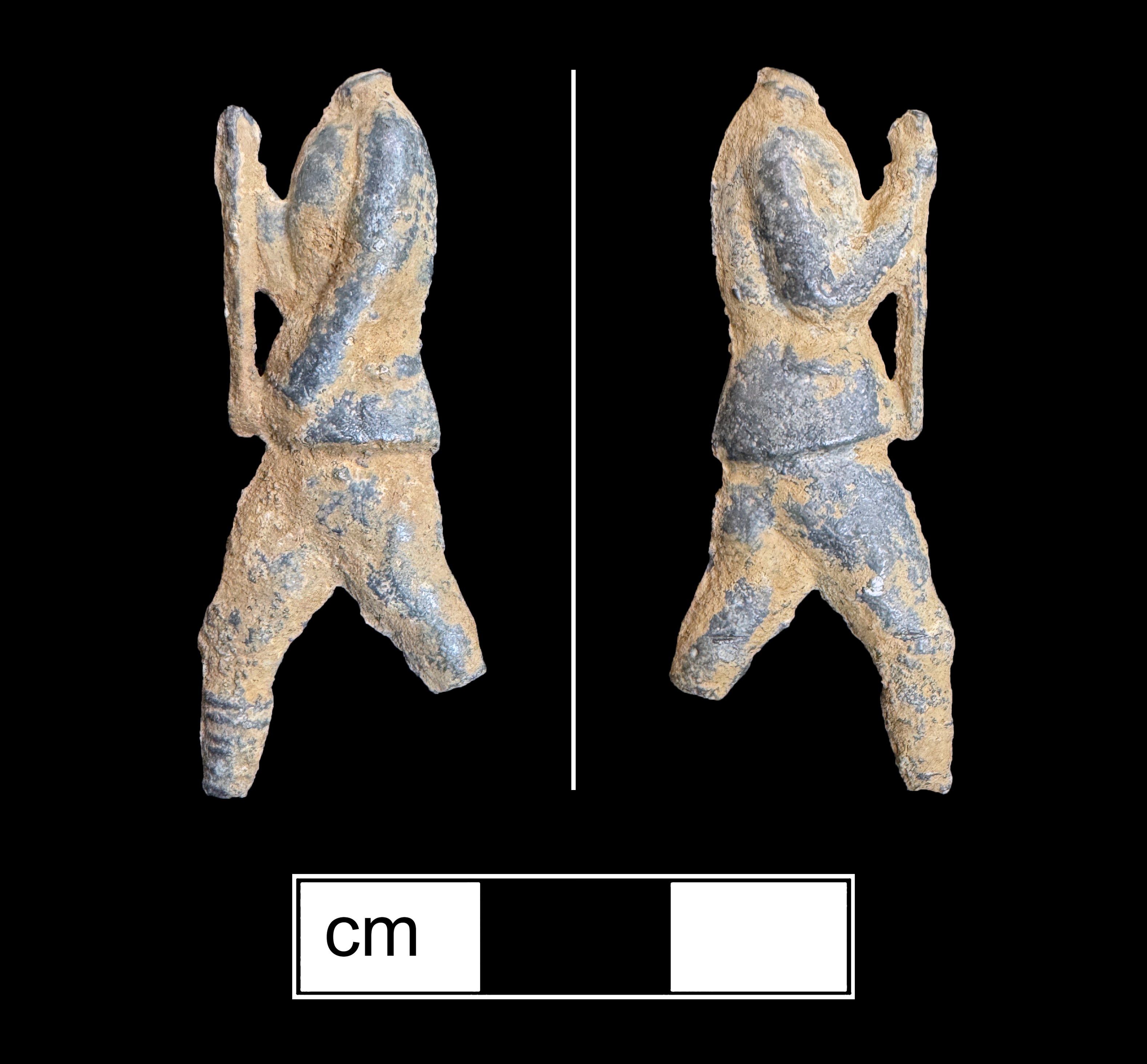 Figure 1: This cast lead alloy soldier would have originally been painted.
Banneker was in his forties during the American Revolution, but there is no evidence that
he was involved in the war. The solid cast figure found at the Banneker site appears to
be a military standard bearer like one shown in the center of the top row in Figure 2.
While it is unlikely to date to the American War for Independence, details that could have
been used to definitively date the figure (like the head and the flag) are unfortunately
absent. The short jacket and the striped spats suggest that this figure dates to World
War I, based on examples shown online (Figure 3).
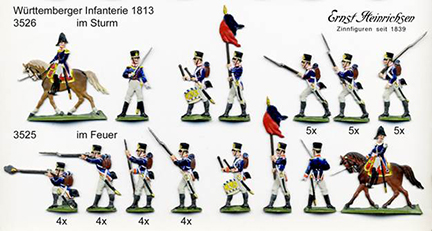 A set of modern replica soldiers representing an early 19th-century German
infantry.
A set of modern replica soldiers representing an early 19th-century German
infantry.
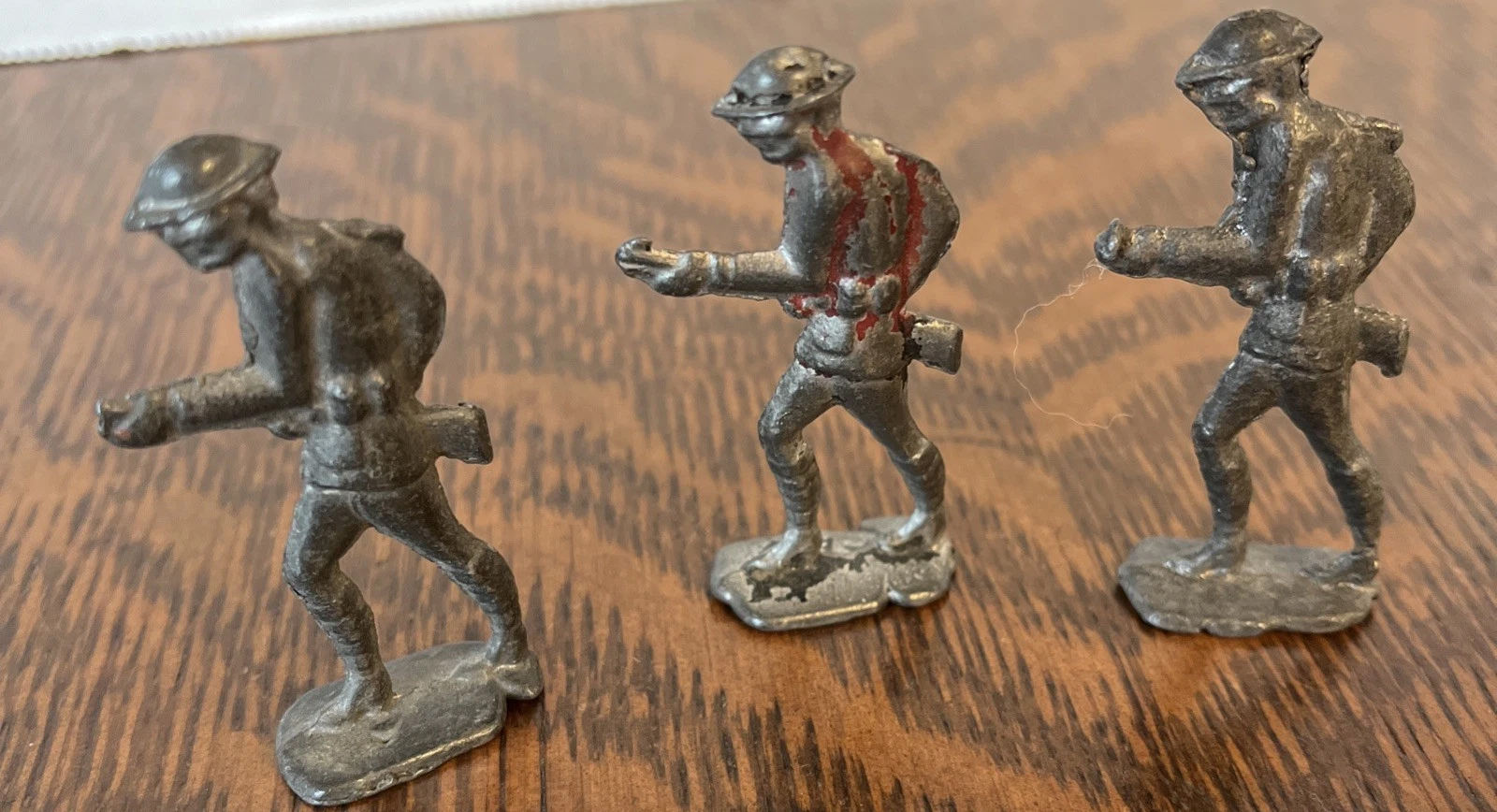 Figure 3: Group of cast soldiers dating to World War I (Photo from ebay).
Diminutive human figures depicting soldiers have a long history, with some of the earliest
known examples found in Egyptian tombs. The earliest “flat” toys were soldiers of pressed
tin made in Germany from the 1730s onward. In the eighteenth century, toy soldiers were
generally crafted from lead, or tin, and were not made as toys, but as collectibles for
the wealthy (Warwick and Warwick 2026). Most toy soldiers were made in Germany in the
18th and 19th centuries, with Ernst Heinrichsen, who began business in 1839, being one
of the most prolific producers (O’Neill 1988:244).
In 1893, William Britain developed a process for hollow casting toy soldiers in lead and
this process remained popular into the mid-20th century, when the production of plastic
soldiers became standard (Brown 2026). The hollow, or slush, casting method
used less lead than the solid cast figures and were less expensive to produce. In
the twentieth century, simple home casting kits (Figure 4) imported from Germany
were available in the United States for the home production of toy soldiers
(Wisconsin Historical Society 2007).
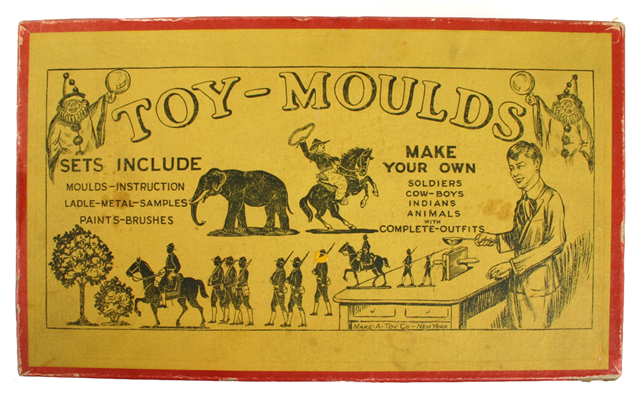 Figure 4: Home casting kit from the 1930s (photo courtesy of the Wisconsin
Historical Society).
Figure 4: Home casting kit from the 1930s (photo courtesy of the Wisconsin
Historical Society).
When we think of toy soldiers today, we think of the plastic green Army men from movies
like Toy Story. Or maybe you remember getting a bag of them in various poses from your
local store. While different in material, the toy soldiers of yesteryear
were much the same and allowed children to use their imaginations while admiring the
sacrifice and courage of those that fought for their country. While not as popular
as they once were, kids today may just prefer more immersive types of soldier role
playing in the form of video games.
References
Brown, David
2026 . Lead- Solid and Hollowcast. Vintage Toy
Figures. Electronic resource accessed on January 3, 2026 at
https://collectablefigures.wordpress.com/materials/lead-solid-and-hollowcast/
O'Neill, Richard
1988 The Collector’s Encyclopedia of Metal
Toys. Crescent Books, New York.
Warwick and Warwick
2026 The Complete Guide to Vintage Toy Soldiers.
Electronic resource accessed on January 3, 2026 at
https://www.warwickandwarwick.com/news/the-complete-guide-to-vintage-toy-soldiers
Wisconsin Historical Society
2007 Lead Toy Soldier Casting Kit. Electronic
resource accessed on January 3, 2026 at https://www.wisconsinhistory.org/Records/Article/CS2658