From the earliest inhabitants to modern anglers, fishing has long been
a way of life for Marylanders. One foundational piece of technology to
harvest this aquatic bounty is the fishhook. This simple object has had
a huge impact for such a small tool, evolving from hand-crafted bone
hooks to the mass-produced variety of steel hooks today.
Maryland Indians made their home along the banks of the water, relying on
harvesting fish and shellfish as a part of their daily life. They used a
variety of methods to catch fish, such as nets, hook and line, spears,
and weirs (traps). William Strachey, a British colonist, described the
hook and line method in 1612:
“Their angles are long small rods at the end whereof they have a cleft to
which the line is fastened, and at the line they hang a hook, made either of
a bone grated (as they nock their arrows) in the form of a crooked pin or fishhook,
or of the splinter of a bone, and with a thread of the line they tie on the
bait (Strachey 1612, 79).”
The MAC lab holds several examples of the different styles of fishhooks (see
Figures 1 and 2). These examples were recovered from near Catoctin Creek in
Frederick county, as well as along the Potomac River and were carefully crafted
from bone. Fishhooks of various organic materials, including bone, shell,
and horn have been discovered around the world, some dating back to 25,000
years ago (Corbyn 2011).
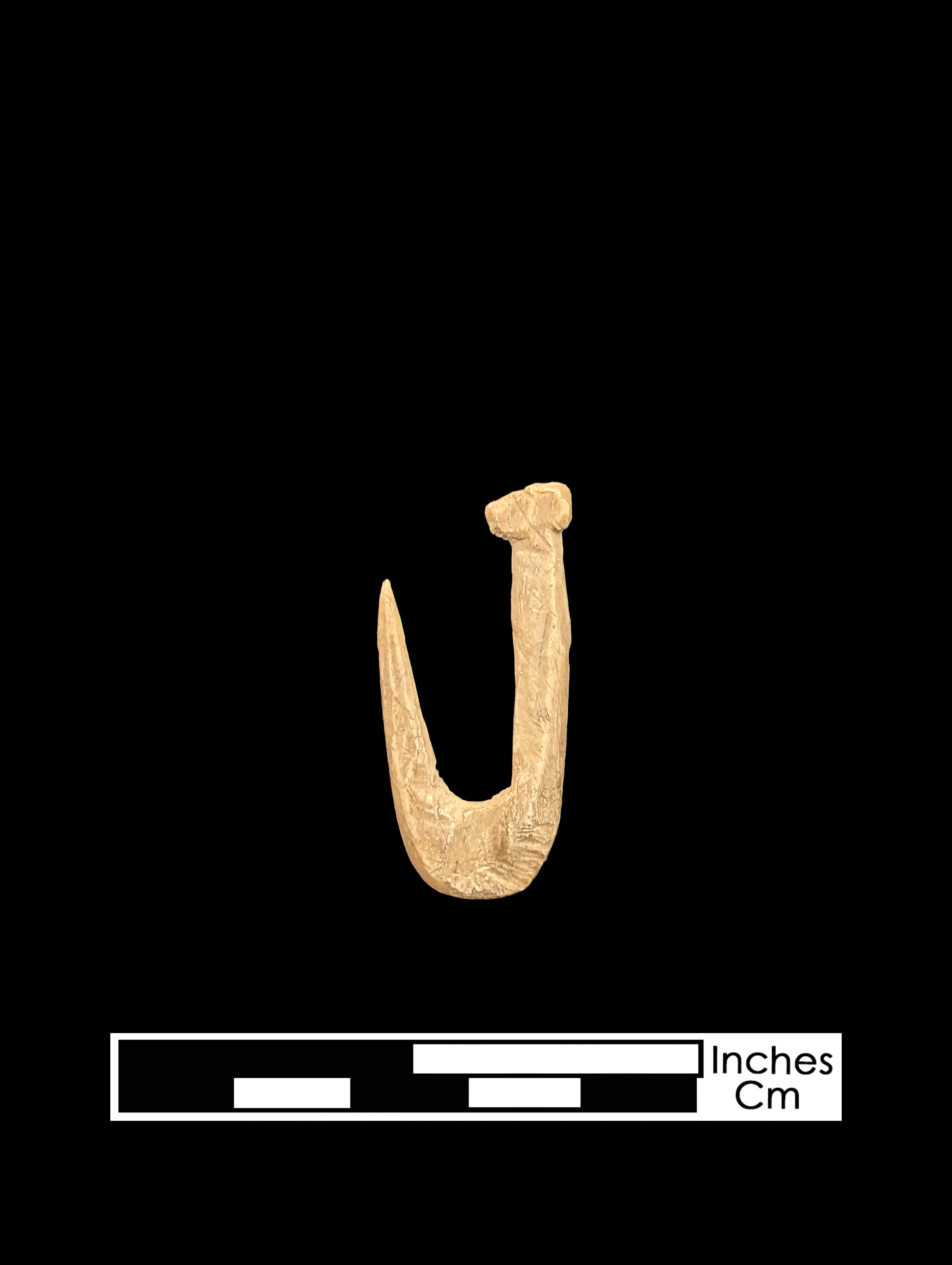 Figure 1: Bone fishhook from 18FR4 near Catoctin Creek.
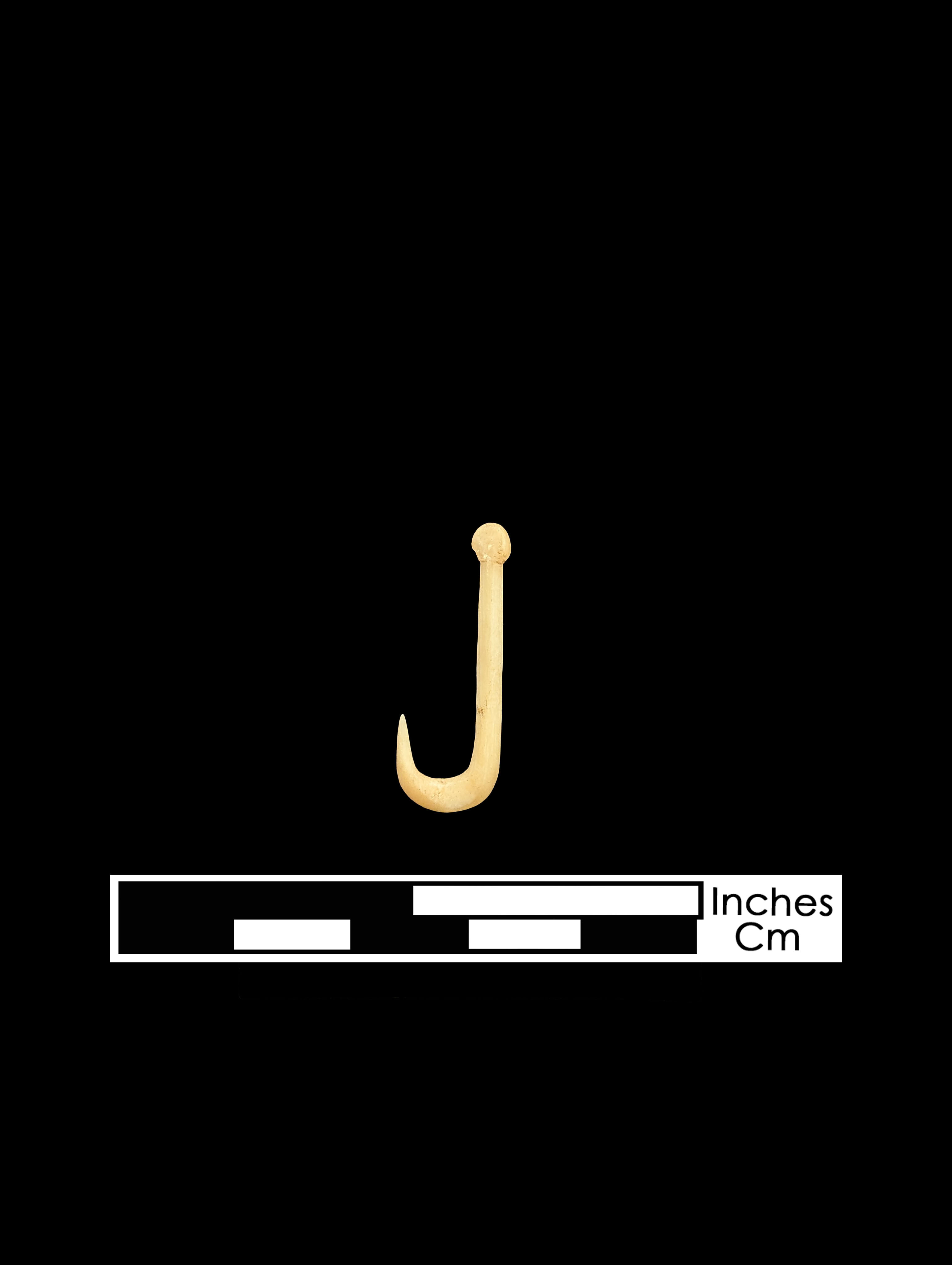 Figure 2: Bone fishhook from 18MO13, north of Great Falls along
the Potomac.
Figure 2: Bone fishhook from 18MO13, north of Great Falls along
the Potomac.
As European colonists arrived in the early 1600s, they applied their own methods
to catching the variety of aquatic life they encountered in the Chesapeake. Their
fishhooks were made of metal, typically iron or a copper alloy, and have been
found at several sites along waterways. While they also used nets and traps, they
primarily used hook and line from the shore, just as many anglers in Maryland
enjoy today. We know this from inventories of their items. “A sample of 900 household
probate inventories of colonists between 1640 and 1740 were examined, and 95%
of those had only one type of fishing gear – hooks and lines…..Curiously, few of the homes
had boats or canoes (Miller 2022).”
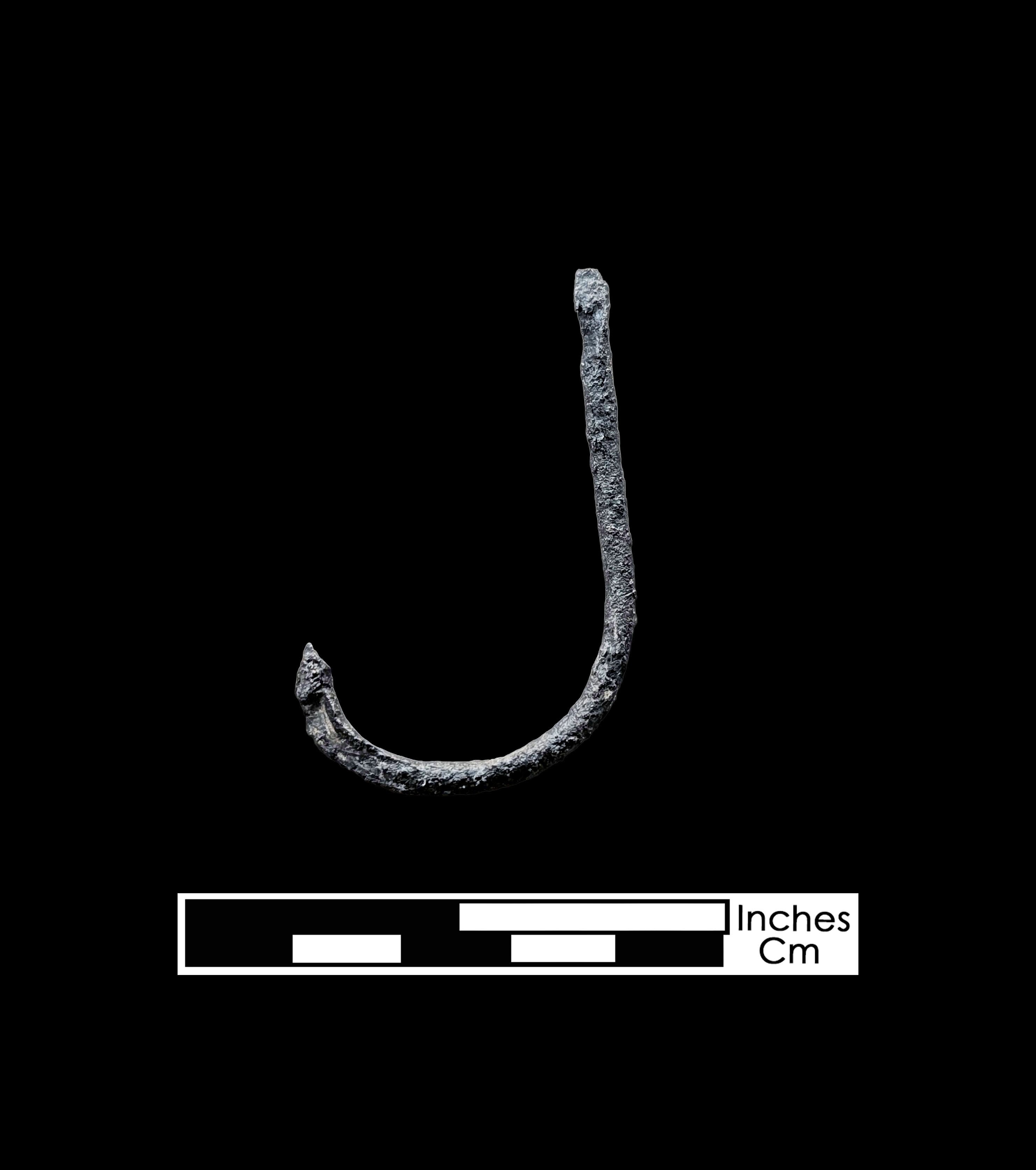 Figure 3: Colonial period metal fishhook from King’s Reach site, at
Jefferson Patterson Park.
Figure 3: Colonial period metal fishhook from King’s Reach site, at
Jefferson Patterson Park.
Fishing provided necessary sustenance and could supplement the diet of colonists,
but it was also a relaxing way to spend the day. Fishing as a hobby increased in
popularity in the mid 1600s, evidenced by the publication of fishing guide books
such as The Compleat Angler in 1653 by Izakk Walton. It was such a popular pastime
in colonial Maryland that the Assembly saw fit to ban fishing on Sundays to keep
holy the Sabbath day in 1678 (Proceedings and Acts of the General Assembly 1678).
Fishhooks were produced commercially in England, although the metals used were fairly
soft and of unknown temper and composition. Around 1640, Charles Kirby began producing
fishing tackle using his own process to reliably temper steel, which resulted in a
stronger and more reliable hook. Kirby hooks became known for their superior product
and were dominant until crucible tempering of metal be-came widespread in 1750 (Herd
1997). At that point, the mass pro-duction of steel needles became possi-ble, which
were bent and shaped in-to fishhooks in a variety of shapes and sold.
The shape and size of a fishhook can be very different depending on the purpose of
the hook. All of them catch fish of course, but anglers may choose different hooks
to target different species of fish. Hooks all have some basic parts in common: the
point, the bend, and the shank (Figure 4). While one of the first depictions of a
fishhook with an eye, or a circular hole to tie the hook to the line, can be found
in 1688’s Les Ruses Innocentes, a fishing and hunting guide book, (Figure 5) most
fishhooks were “blind” (without an eye) until the late 1800s and were simply tied
onto the shank of the hook (Herd 1997). Sizing of fishhooks was unregulated and varied
across manufacturers, with different hook scale systems in place in the nineteenth
century (Fishing Museum Online 2011). Today the sizing of fishhooks is more standardized,
with a larger number representing a smaller hook, and vice versa.
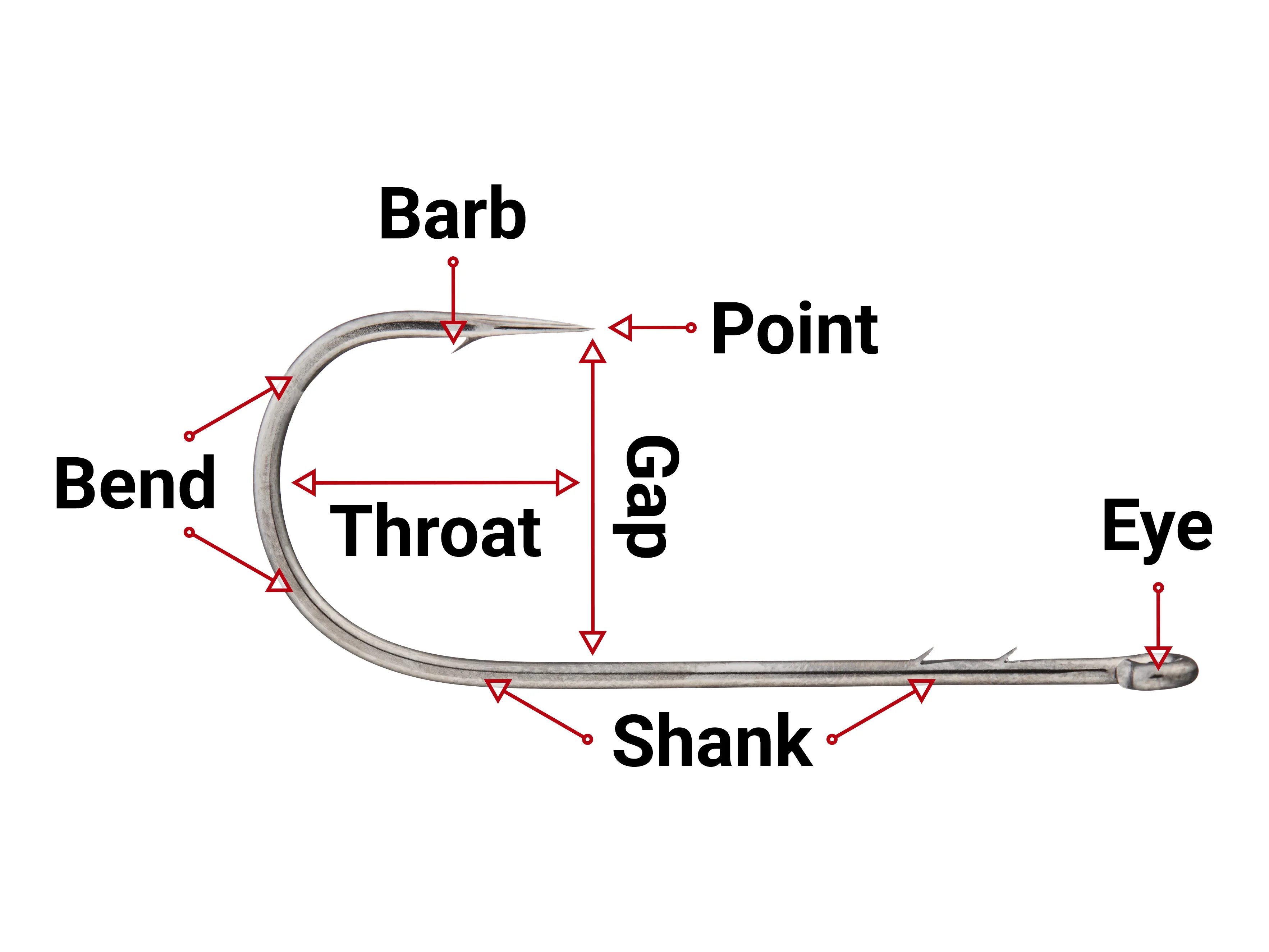 Figure 4: Diagram of the parts of a fishhook. “Understanding the Anatomy
of a Fishing Hook” 2019.
Figure 4: Diagram of the parts of a fishhook. “Understanding the Anatomy
of a Fishing Hook” 2019.
 Figure 5: Depiction of fishhook with an eye from a fishing and hunting
guide, Les Ruses Innocentes, 1688.
Figure 5: Depiction of fishhook with an eye from a fishing and hunting
guide, Les Ruses Innocentes, 1688.
Anglers still use metal fishing hooks today, but with access to a much greater variety
of sizes and shapes for different uses. As new materials are developed, it’s
likely they will be applied to one of humanity’s oldest tools, the fishhook. No
matter what material it is made of, with a simple hook the anglers of Maryland will
continue to enjoy the bounty of the waters.
References
Corbyn, Zoe
2011 . “Archaeologists Land World’s Oldest Fish
Hook.” Nature, November.
https://doi.org/10.1038/nature.2011.9461.
Fortin, Francois
1688 Les Ruses Innocentes. Paris, France:
Bibliothèque nationale de France. Pg. 439.
Herd, Andrew
1997 “A Short History of the Hook.” The Salmon
Flyer 9 (3).
https://feathersmc.com/SALFLYER/vol_9/summer/history.html?ref=currentflowstate.com.
Miller, Henry M.
2022 “Fishing in Early Maryland.” Historic
St. Mary’s City. January 11, 2022. Accessed February 11, 2026.
https://www.hsmcdigshistory.org/clues-to-early-maryland-24-fishing-in-early-maryland
Strachey, William
1612 The Historie of Travaile Into Virginia
Britannia: Expressing the Cos-mographie and Comodities of the Country, Togither with
the Manners and Customes of the People
https://archive.org/details/dli.ministry.02639/page/n77/mode/2up Pg. 79.
1678 Proceedings and Acts of the General Assembly. October.
Maryland State Archives.
https://msa.maryland.gov/megafile/msa/speccol/sc2900/sc2908/000001/000007/html/am7--52.html
2011 “The Fishing Museum Online - a Brief History of the Hook.”
http://www.fishingmuseum.org.uk/hooks_overview.html