X-radiography is a fantastic tool to peer through corrosion concretions,
document artifacts, and unravel mysteries in archaeological collections.
After the generous donation of the artifacts excavated by William Doepkens
encompassing Middle Plantation (18AN46), Tucker (18AN227) and Indian Range
(18AN230), MAC Lab staff have worked to x-ray every metal artifact. This
allows us to identify and check the condition of thousands of artifacts
resulting in over 100 x-ray plates!
One of our most interesting finds were these fragments from 18AN227, the
Tucker site, an 18th-century farmhouse or plantation site three miles south
of Middle Plantation (Doepkins 1991, 92). From one side, the fragments
consist of even rows of iron wire aligned in an off-set pattern with
corrosion and compacted soil covering the rest of the surface. The fragments
mend together along several edges, indicating pieces of a larger object.
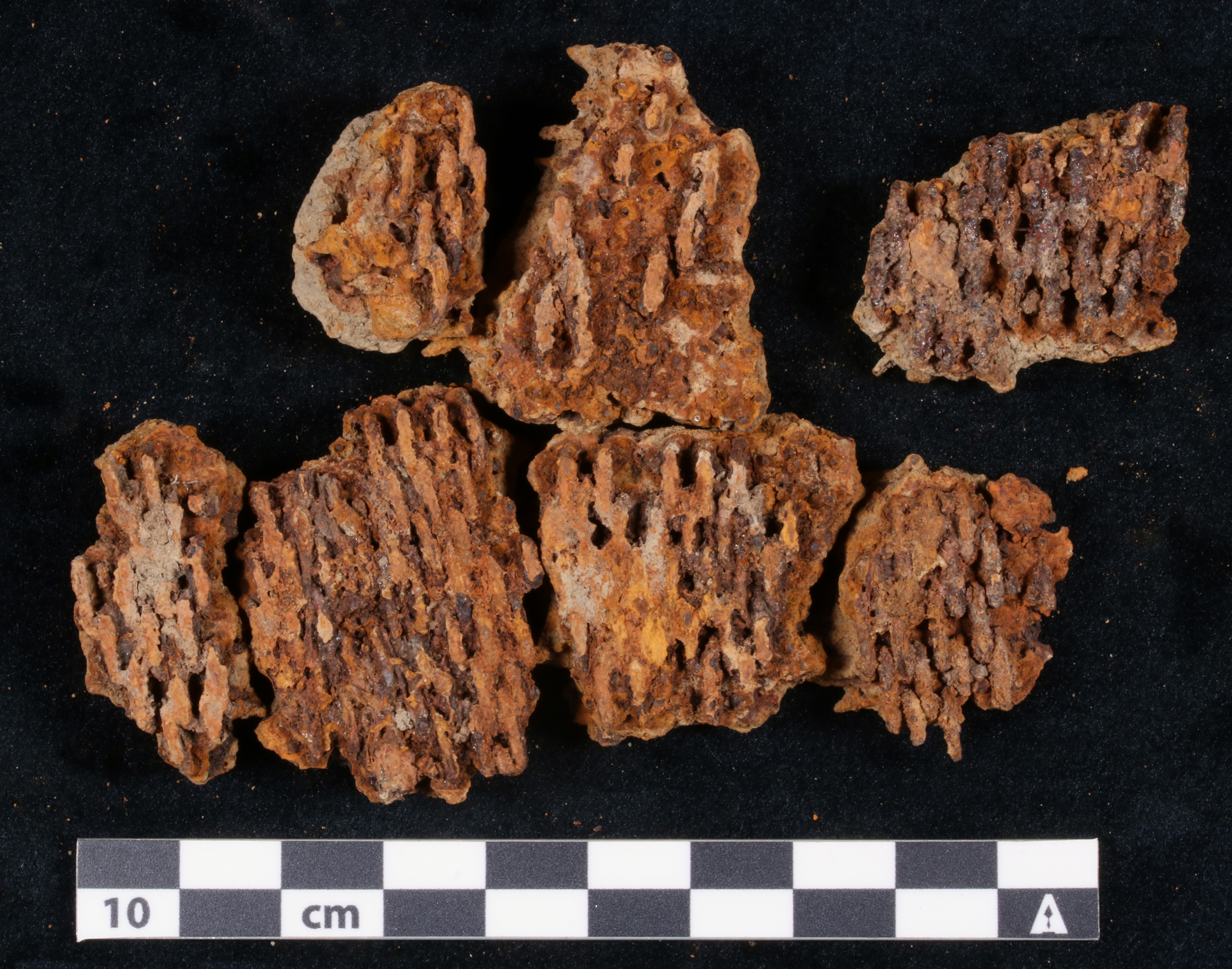 Figure 1: 18AN227 fragments before treatment.
X-radiography of these fragments shows an orderly but complex array of bent
wires. Rotating the fragments shows the profile of these wires: a rectangular
staple with its legs bent at a consistent angle – like a staple. Curator (and
small metal finds extraordinaire) Sara Rivers Cofield identified these closely
set, bent wires as parts of a card for processing wool or cotton fibers.
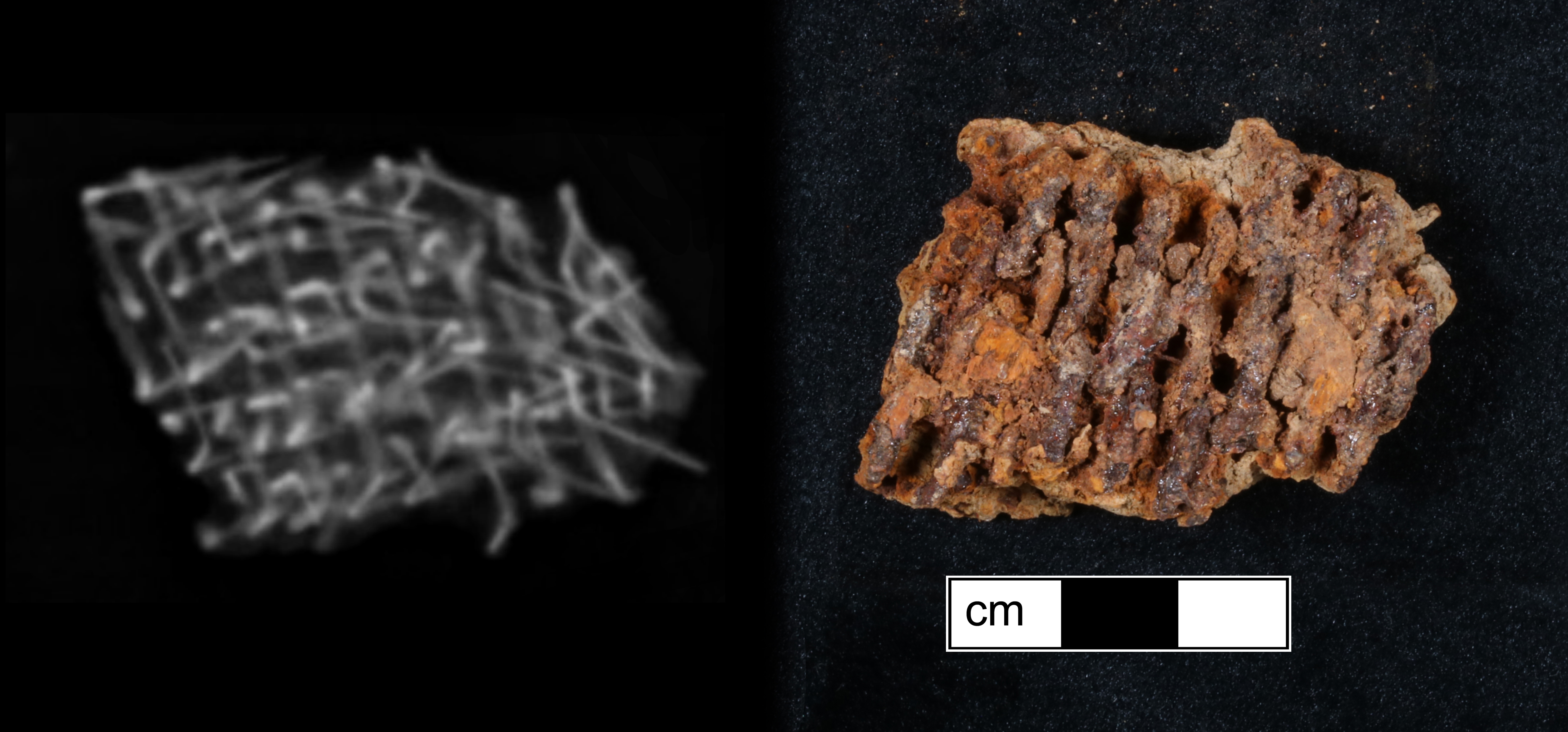 Figure 2: One wool card fragment and its x-ray showing iron wires
in an offset pattern.
Figure 2: One wool card fragment and its x-ray showing iron wires
in an offset pattern.
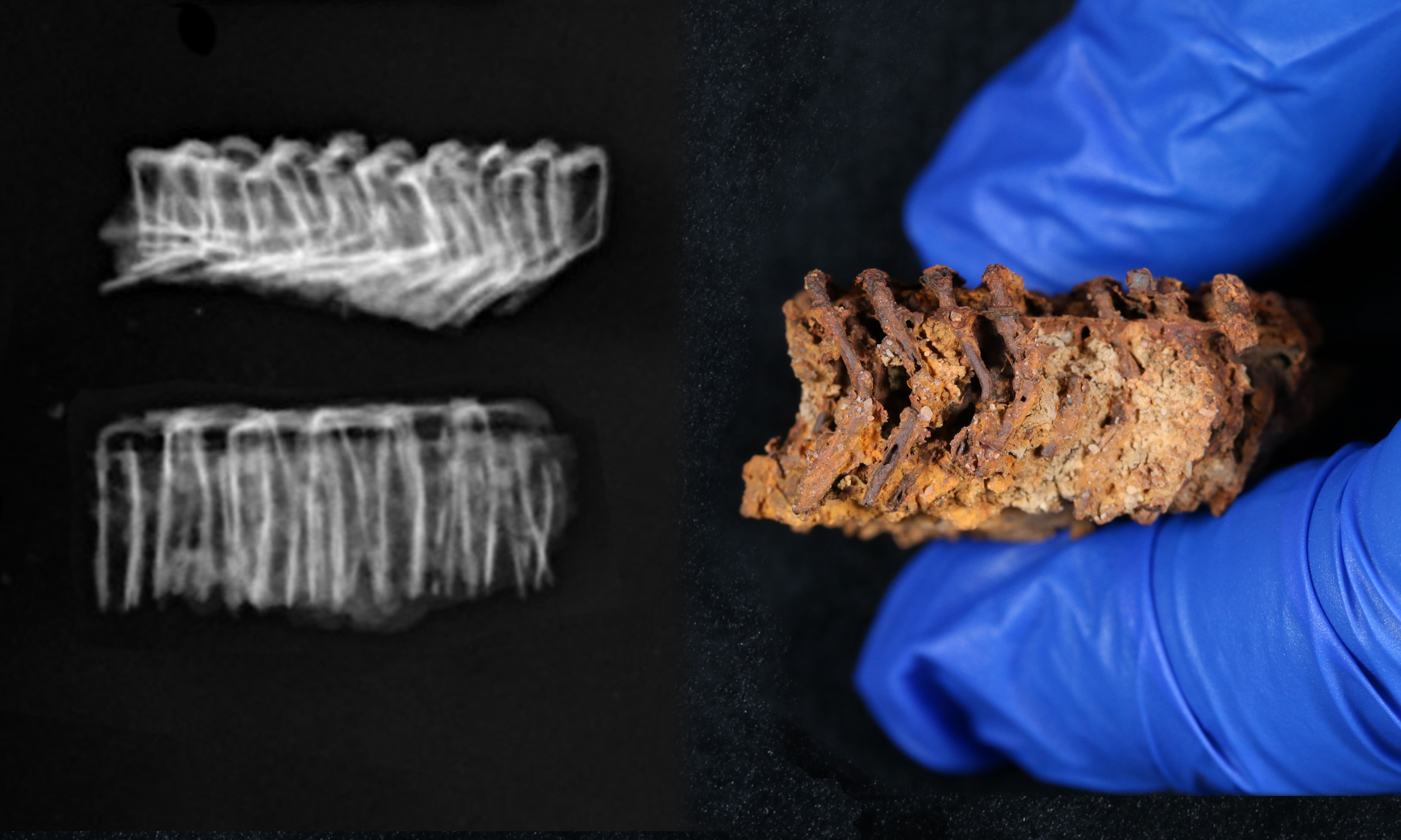 Figure 3: Wool card fragment side profile showing bent staple shape
and x-rays showing the wire shape.
Figure 3: Wool card fragment side profile showing bent staple shape
and x-rays showing the wire shape.
Hand cards are used to untangle and align fibers for spinning. Fibers are arranged
onto the tines, and the two cards were gently pulled away from each other to draw
fibers in one direction. Cards were labeled in different grades depending on the
quality of fiber or textile, and grades were regulated in Europe in the 18th
century to prevent poorer quality fabric from being sold as higher quality
(Diderot and Alembert 1751).
 Figure 4: La Cardeuse by Jean-Francois Millet ca. 1865. Etching.
Cooper Hewitt.
Figure 4: La Cardeuse by Jean-Francois Millet ca. 1865. Etching.
Cooper Hewitt.
Cards were constructed from wood, wire, and leather. A sheet of leather was pulled taut
on a frame. Wire lengths were shaped into staples, slotted into pre-punched holes
then bent in place, forming an array of tines. A “strong glue” was applied to the
reverse to keep points in place. Once dry, wires were sharpened, aligned, and replaced
if needed, and the leather was mounted to a wood backing board with tacks (Diderot
and Alembert 1751).
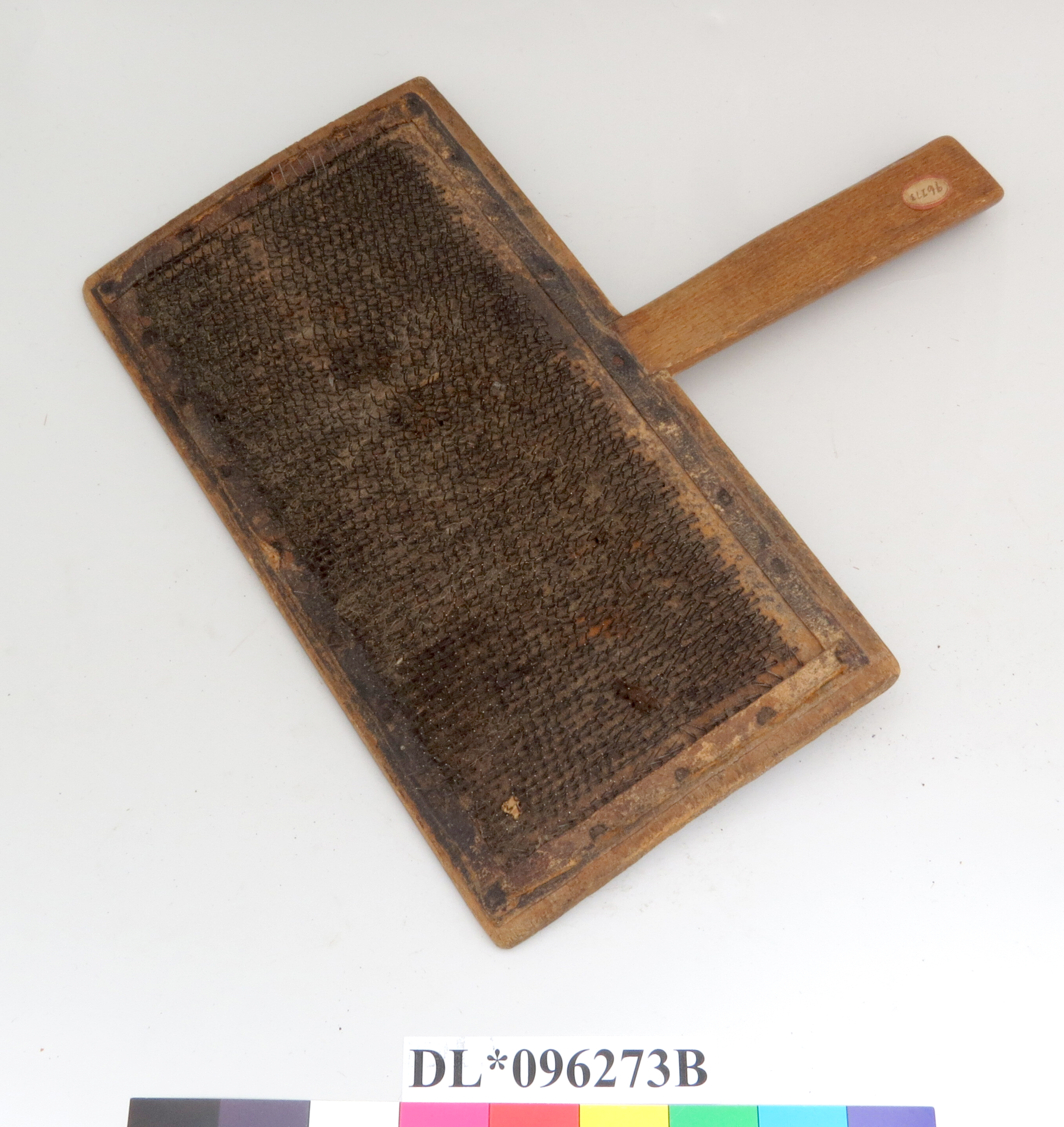 Figure 5: 19th-century wool hand card, National Museum of American
History.
Figure 5: 19th-century wool hand card, National Museum of American
History.
In 18th-century Maryland most fabrics were imported from abroad, but these cards demonstrate
that small-scale fiber and textile production did take place in central Maryland before
1800. The threads spun from carded fibers would have contributed to the family’s ability
to make and mend textiles such as clothing, bedding, and other linens (Sara Rivers-Cofield
in discussion with the author, May 2026).
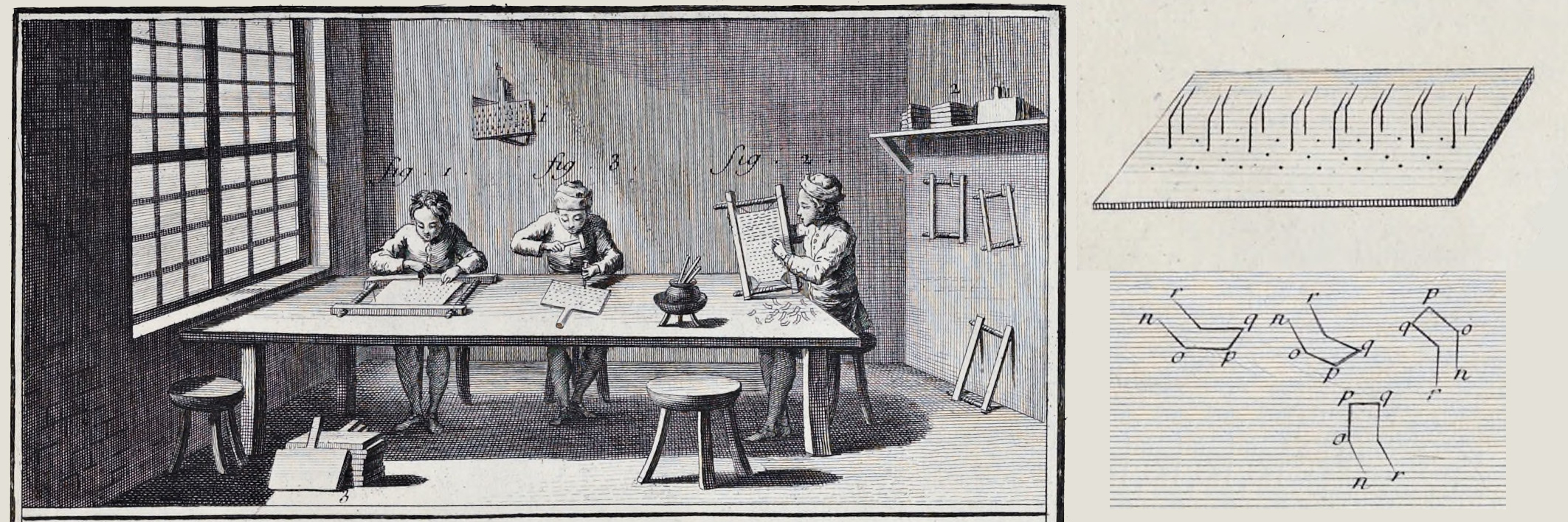 Figure 6: Diagrams of the production of wool cards depicting the punching
of leather, hand carving of the wood backer, and placing the staples through the
leather. (Diderot et al 1762, 396).
Figure 6: Diagrams of the production of wool cards depicting the punching
of leather, hand carving of the wood backer, and placing the staples through the
leather. (Diderot et al 1762, 396).
References
Diderot, Denis, and Jean Le Rond d'Alembert
1751 . Encyclopédie, ou, Dictionnaire raisonné
des sciences, des arts et des métiers, Vol 2. Paris: Chez Braisson, David,
Le Breton, Durand. Getty Research Institute, Los Angeles, CA. pp. 678-680.
https://archive.org/details/gri_33125011156318/page/678/mode/1up. Accessed 15 May 2026.
Diderot, Denis, Jean Le Rond d'Alembert, and Robert Bénard
1762 Recueil de planches, sur les sciences,
les arts libéraux, et les arts méchaniques, avec leur explication, Vol 3.
Paris: Chez Braisson, David, Le Breton, Durand. Getty Research Institute, Los
Angeles, CA. pp. 393-395.
https://archive.org/details/gri_33125006581629/page/n393/mode/2up. Accessed 15 May 2026.
Doepkens, William P.
1991 Excavations at Mareen Duvall’s Middle
Plantation of South River Hundred. Gateway Press, Inc., Baltimore. p 92.
Millet, Jean-Francois
1856 La Cardeuse (circa 1856),
print/etching. Platemark: 25.7 × 17.8 cm (10 1/8 in. × 7 in). Cooper Hewitt, NYC.
Gift of Mrs. David Keppel, 1957-168-15.
https://www.si.edu/object/la-cardeuse-wool-carder:chndm_1957-168-15.
National Museum of American History
Hard Carder (Wool Card).
https://americanhistory.si.edu/collections/object/nmah_1456171. Accessed 21 May 2026.