During Public Archaeology in the Spring of 2026, volunteers and staff at the
MAC Lab came across a curious piece of mangled metal (Figure 1). The
artifact is tin-plated, round (approximately 5 inches in diameter), with
a hole in the center, a large hole just off-center, and several smaller holes
in various spots. There are no markings or decorations that can be seen, but
there are what appear to be ridges going out from the center like spokes of a
wheel, likely to give rigidity to the otherwise thin bit of metal.
It was found at the Straiten site (18CV307), which dates from the 1830s to the
1930s. During the early 20th century it was occupied by the Straiten family of
Wallville, who were Black tenants on the Peterson farm that is now Jefferson
Patterson Park and Museum. At first, we thought maybe it had to do something
with cooking, like a cover for a burner on a stove. There was no evidence of
burning, however.
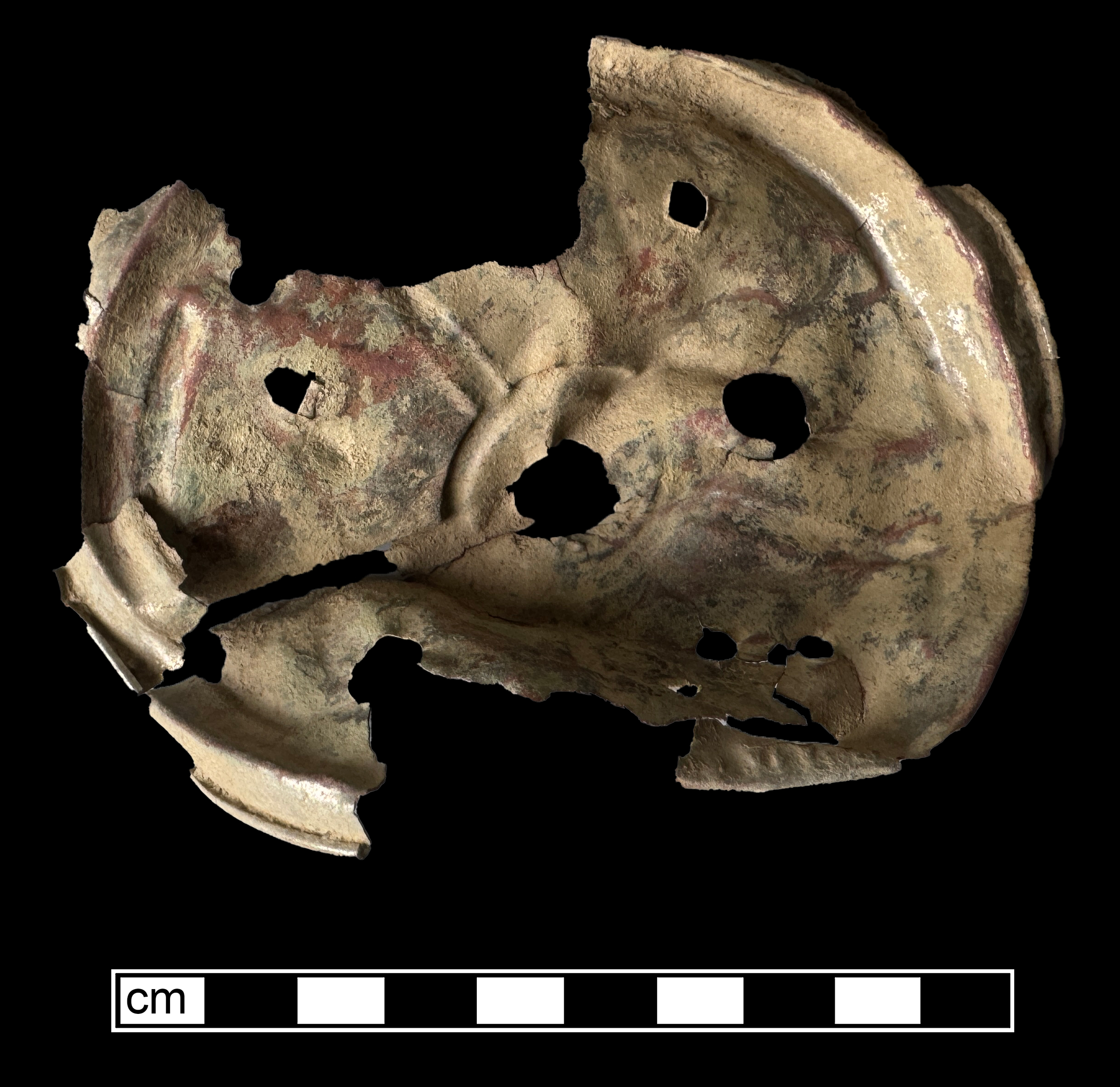 Figure 1. Tin-plated metal toy fragment from the Straiten site
(18CV307).
Figure 1. Tin-plated metal toy fragment from the Straiten site
(18CV307).
Found nearby were small fragments of gears and wind-up mechanisms. Could this
have been part of some sort of wind-up toy? At present, the best we can
determine is that it was some kind of child’s tinplate toy. But what kind of
toy contained flat, round parts? Tinplate toys are thin sheets of iron coated
with rust-resistant tin. Tinplate toys were manufactured in the northeast
United States beginning in the early 19th century. Early tinplate toys were
simple and non-mechanical, which included things like whistles or bubble pipes
(Ketchum 1981).
Mechanical tinplate toys with lithographed (a type of colorful printing)
designs were popularized in the 1910s and 1920s with prominent makers being
the Ferdinand Strauss Company (known as the “Toy King”) and Louis Marx and
Company, founded by a former Strauss employee (O’Brien 1993). Strauss was an
immigrant from Germany, who began selling toys imported from Europe before
manufacturing toys in America. Another prominent German toymaker at the time
was a company called Bing.
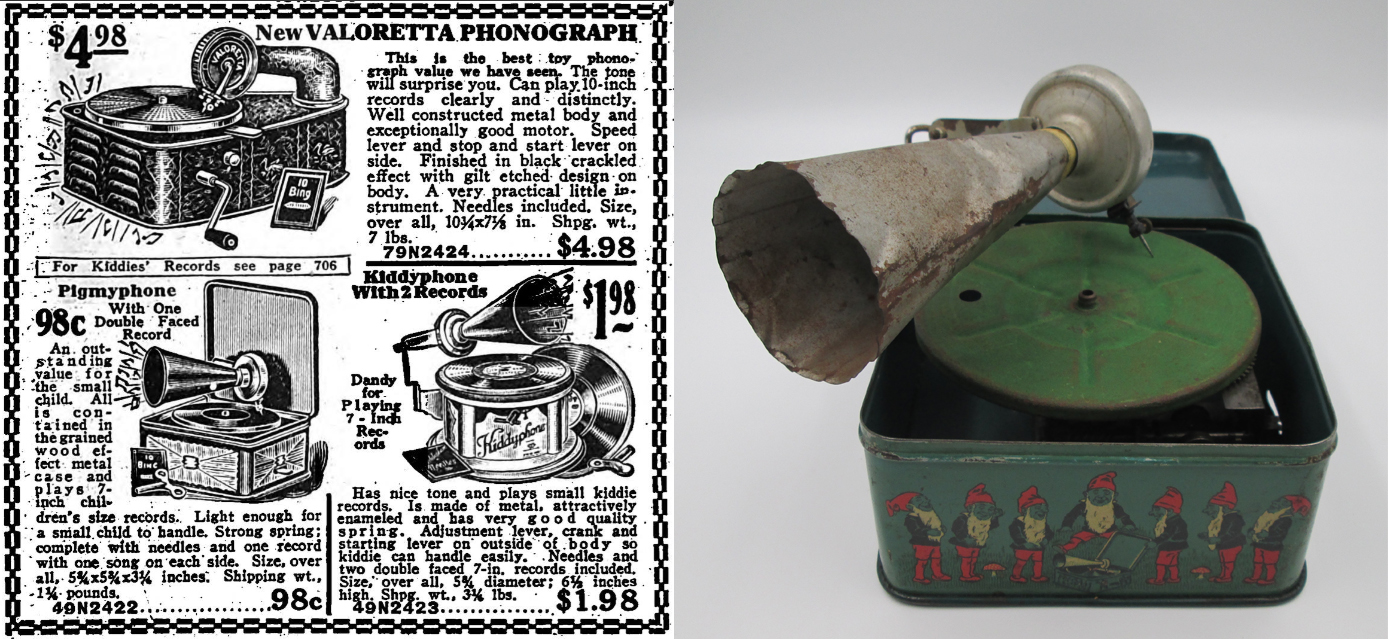 Figure 2. Left: Sears, Roebuck and Co. advertisement for children’s
phonographs c. 1928 (Sears, Roebuck and Co. 1928). Right: Bing Pygmyphone toy
gramophone c. 1929-1933 (El Coleccionista Eclectico n.d.)
Figure 2. Left: Sears, Roebuck and Co. advertisement for children’s
phonographs c. 1928 (Sears, Roebuck and Co. 1928). Right: Bing Pygmyphone toy
gramophone c. 1929-1933 (El Coleccionista Eclectico n.d.)
So, what type of mechanical wind-up tinplate toy has a round flat platform? There
are two possibilities (Figures 2 and 3). One possibility is a turntable for a
child-sized phonograph or gramophone and the other is the platform of a carousel
or merry-go-round. Each features a flat disk with a wind-up motor attached to the
center. Each also often has a hole punched in the plate just off-center where a
wind-up key could be inserted to tighten the spring mechanism to make it turn.
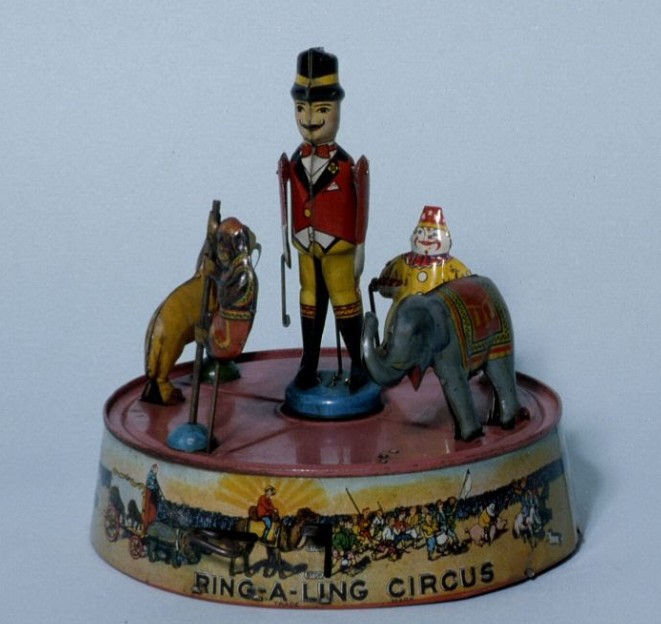 Figure 3. Ring-A-Ling Circus by Louis Marx and Company, c. 1925
(The Strong National Museum of Play n.d.).
Figure 3. Ring-A-Ling Circus by Louis Marx and Company, c. 1925
(The Strong National Museum of Play n.d.).
Mechanically these types of toys were nearly identical and could easily have been
produced from the same parts and machinery. Where they differ is how they were
displayed. Carousel-type toys had very colorful lithograph designs on their
rotating platforms since they would have been highly visible. Holes would’ve
been used to secure figures or characters that would rotate with the platform –
like we see on mangled metal from the Straiten site. Turntables, on the other
hand, were either plain or covered with a piece of felt. What was recovered
at the Straiten site is entirely undecorated but bears holes that may have
been used to attach figures on a carousel-type toy. So, which is it? It is
possible that the toy from the Straiten site was a kid’s phonograph with an
undecorated turntable that was manufactured in the same factory producing
carousels. Either way, the mangled metal found at the site is good evidence
for kids being kids.
References
El Coleccionista Eclectico
Bing Pigmyphone Children’s Toy
Phonograph. Accessed June 2026.
https://www.elcoleccionistaeclectico.com/en/bing-pigmyphone-childrens-toy-phonograph-tinplate-clockwork-p23873
Ketchum, William C., Jr.
1981 Toys & Games. Cooper-Hewitt
Museum. The Smithsonian Institution’s National Museum of Design. Smithsonian
Institution, Washington, D.C.
O’Brien, Richard
1993 A Collector’s Identification &
Value Guide: Collecting Toys No. 6. Books Americana, Florence, Alabama.
Sears, Roebuck and Co.
1928 Catalog No. 157: Fall and Winter
1928-1929. Accessed June 2026. https://archive.org/details/sears-roebuck-catalog-157-fall-1928
The Strong National Museum of Play
Mechanical Figure: Ring-A-Ling Circus.
The Strong National Museum of Play. Accessed June 2026. https://artsandculture.google.com/asset/PwEhqURSFMQ8tw