We see many cannons in the Conservation Department at the Mayland Archaeological Conservation Laboratory (MAC Lab). Most
of these cannons are made of cast iron, but we recently had the opportunity to treat a bronze cannon belonging to
the Jamestown-Yorktown Foundation (JYF). The earliest cannons were cast in bronze before metallurgical technology
advanced to the point when iron cannons could be efficiently produced. However, iron cannons are much heavier and
larger than bronze cannons able to fire the same weight of projectile. Iron cannons are also more susceptible to
corrosion which can cause failure during firing, and where bronze cannon rupture, iron cannons explode and fragment
violently. So even though bronze cannons are lighter, stronger, and safer, they fell out of use during the 18th
century as iron cannons were significantly less expensive to produce. The value of bronze is also part of the
reason these cannons are less common today. Many bronze cannons were melted down and their metal put to other
uses, including commemorative medallions [Powers:2012).
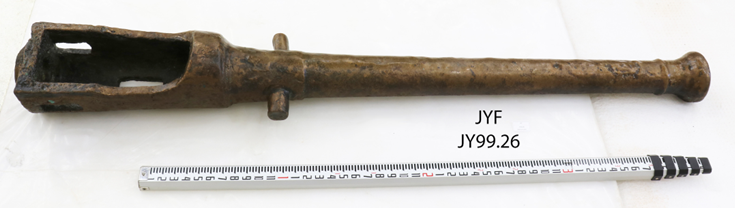 Fig 1: JYF cannon Before Treatment. Photo by Arianna Johnston.
Another significant feature of the JYF cannon is its style. Muzzle loaded cannons are familiar, but this gun is
breech loaded. This cannons would have been loaded with a mugshaped chamber containing the gunpowder and
projectile. This style of breech loading cannons fell out of favor as larger sized projectiles became too
unwieldy, and the breech closure was not strong enough to withstand large charges of powder [Hogg: 1987].
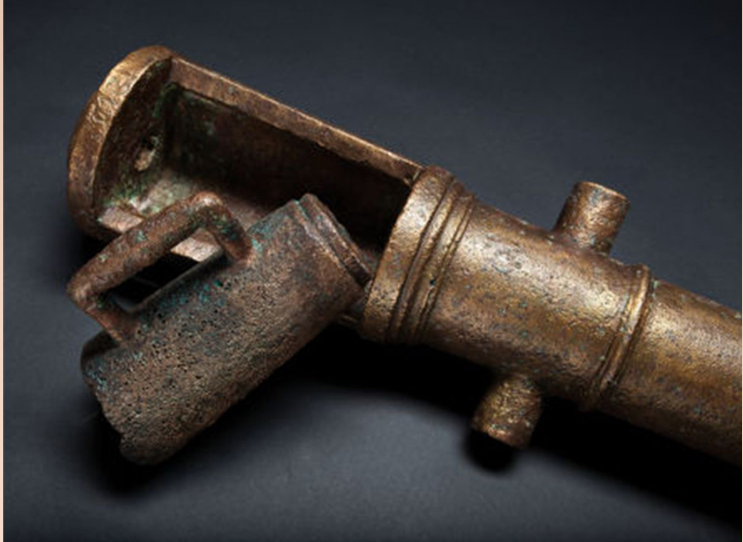 Fig 2: 18th-century French bronze cannon with loading chamber. Photo by
icollector.com.
Fig 2: 18th-century French bronze cannon with loading chamber. Photo by
icollector.com.
The JFY cannon is currently being treated at the MAC Lab to address active corrosion issues. Metal artifacts
can acquire harmful salts from their burial environments, which cause localized electrochemical cells that form
corrosion. This object will undergo desalination as part of its conservation treatment to passivate the current
corrosion and prevent future deterioration.
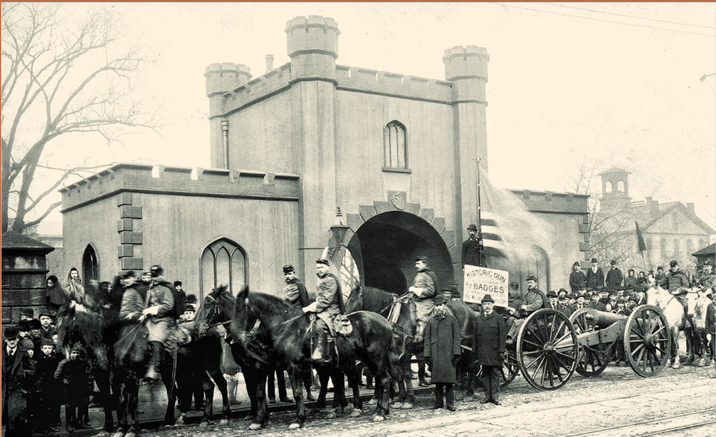 Fig 3: During a 1894 convention of Union veterans, a bronze cannon is on parade before
being melted into commemorative badges. Photo Courtesy of the Carnegie Library of
Pittsburgh.
Fig 3: During a 1894 convention of Union veterans, a bronze cannon is on parade before
being melted into commemorative badges. Photo Courtesy of the Carnegie Library of
Pittsburgh.
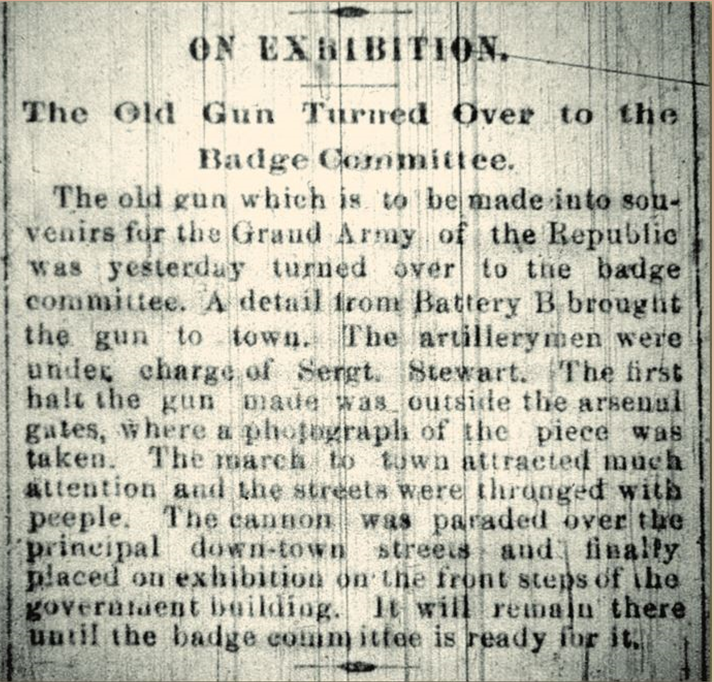 Fig 4: February 23, 1894, Pittsburgh Commercial Gazette. Photo by Tom Powers.
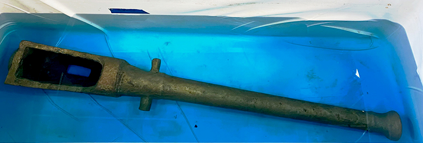 Fig 5: JYF cannon in desalination. The blue tint in the solution is a result of the copper
chlorides being drawn away from the metal. Photo by Nichole Doub.
Fig 5: JYF cannon in desalination. The blue tint in the solution is a result of the copper
chlorides being drawn away from the metal. Photo by Nichole Doub.
References
Hogg, Ian V.
1987 The Illustrated Encyclopedia of Artillery. London:
Stanley Paul.
Powers, Tom
2012 The Mystery of the Allegheny Arsenal Cannon Photo. Western
Pennsylvania History, Spring, pgs.38-42. https://journals.psu.edu/wph/article/view/58862/58587