This umbrella tip (sometimes called a ferrule) was unearthed in a midden at the Dunn Site,
located in present day downtown Annapolis (Figure 1). The midden had been created sometime
in the late 18th century, but late 19th century activity intruded upon the feature.
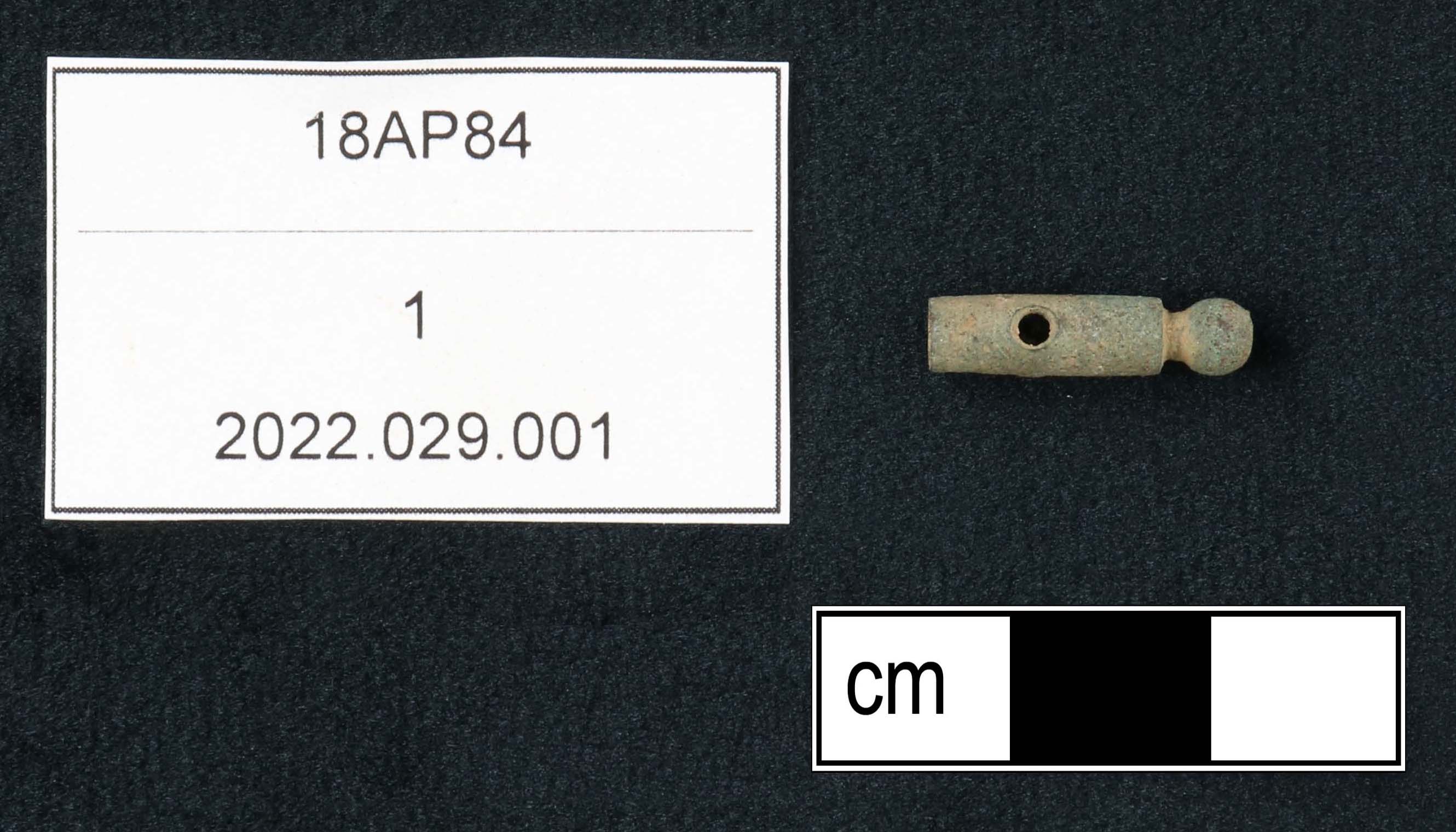 Figure 1: The ferrule or tip recovered from the Dunn Site (18AP84).
Archaeological work at the Dunn Site followed a partial demolition of a building structure
on the site, in advance of a construction project.
Property records revealed that the site began as a shop and a residence in the 18th century,
but was converted to a tavern and later became the site of a multitude of other businesses,
including a dry goods shop, an ice cream parlor, and a barber shop – to name only a few. The
archaeology of the site equally reflects the many shifts and changes that the property underwent
from its establishment in the 18th century through the 20th. Archaeologists uncovered a series
of brick floors and chimney foundations in addition to many different wall foundations that
indicated the numerous building renovations that took place on the site (Samford 2016).
Like the Dunn Site itself, the usage of the umbrella evolved over the course of its long history.
Prior to the late 18th century, umbrellas were not as widely used or as accessible as they are
in the present day. In the archaeological record, we see evidence of people using umbrella-like
devices in depictions of people in power, from royalty to religious leaders. From ancient
Greece and Egypt all the way to India, China, and Mexico, prominent individuals were protected
by sunshades (importantly, they were usually held by someone else) (Olmert 1996:252-253).
It was, however, a long time before umbrellas took hold and were used with any kind of regularity
in Europe. In 1611, an Englishman called Thomas Coryate recorded his travels in Italy and observed
that the Italians were using umbrellas to protect themselves from the rain. "Many do carry a thing
which they call in the Italian tongue umbrellas," he wrote, with the root of the word coming from
the Latin term umbra meaning "shadow" (Olmert 1996:251,253).
An 18th century traveler and writer, Jonas Hanway, brought an umbrella home with him after traveling
the Middle East and Asia, believing that they’d be perfect for the damp London weather. Unfortunately
for Hanway, his adaptation of the umbrella didn’t immediately take off as a fashionable accessory
and he was often mocked for the oversized version that he carried with him around London (see
Figure 2) (Olmert 1996:254-255; Waters 2016). Similarly, in 1772 a shopkeeper in Baltimore bought
an umbrella from a merchant vessel that returned from India, startling his neighbors with his new
accessory. But by 1787, the umbrella had gained enough popularity that they were being manufactured
in England (Lester and Oerke 2004:408-409).
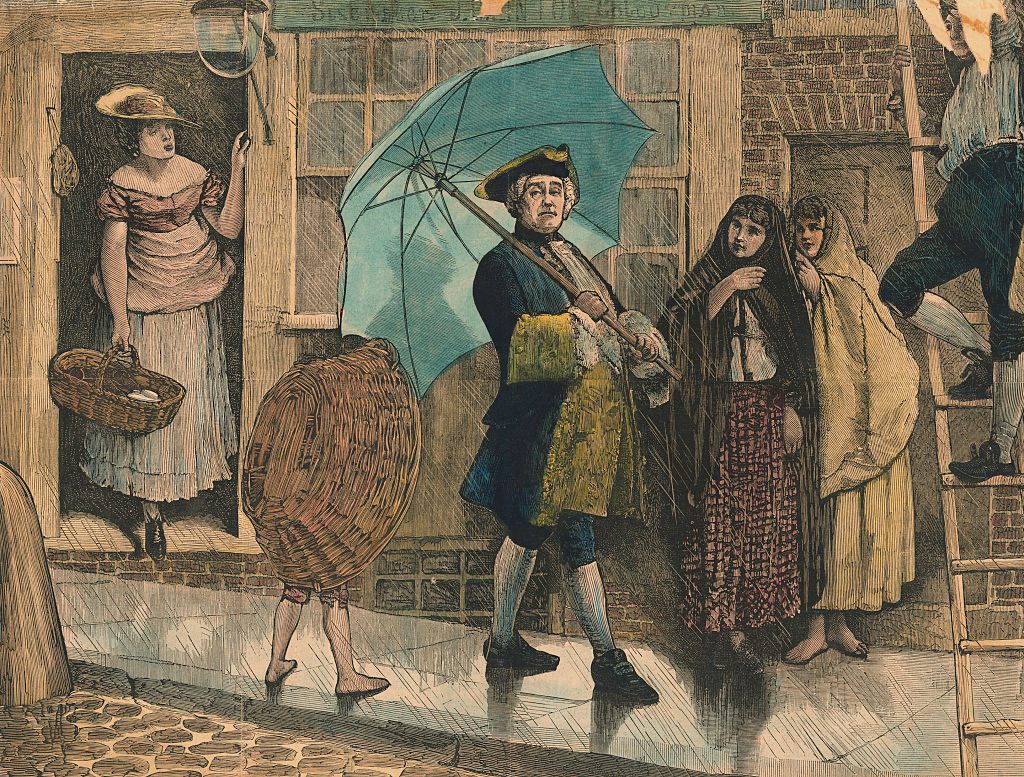 Figure 2: Jonas Hanway and his umbrella (Waters 2016).
Much like their Chinese predecessors, the construction of the European umbrellas were relatively simple
and consisted of a central handle, ribs, fabric covering, and some sort of folding mechanism (Figure 3).
Until the first half of the 19th century, the ribs were typically fashioned from wood and the fabric
coverings were most commonly silk or linen that had been treated with oil or wax. But by the latter
half of the 19th century, umbrellas were fashioned using metal ribs that made them lighter and much
easier to carry (Lester and Oerke 2004:409-410).
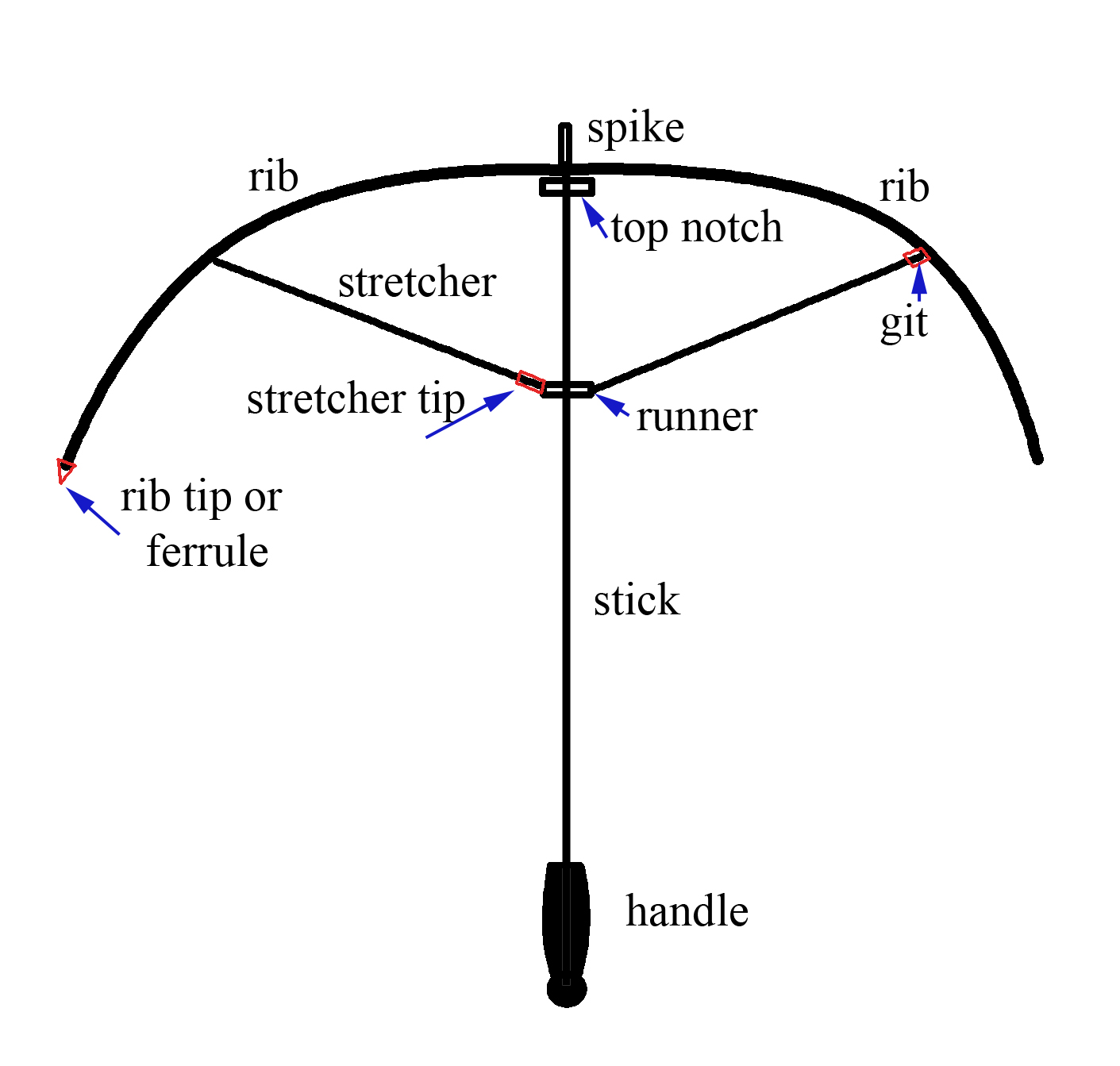 Figure 3: Diagram of umbrella components (Ogborne 2013).
The umbrella tip from the disturbed midden is most likely from a 19th century construction, due to the
narrowness of the opening. When manufacturers abandoned wooden ribs in favor of metal alloys, it
allowed these components to be thinner without sacrificing strength and stability. In the absence of
other clues, we can only guess how the umbrella hardware arrived in the midden. Perhaps a shopper's
umbrella broke on a windy, rainy evening and the rib tip rolled away. But what we do know is that
the dynamic history of the Dunn Site offers us a glimpse into the evolving landscape of downtown
Annapolis, from the colonial era into the modern – when an average person walking down the street
with an umbrella in hand was no longer a strange sight.
References
Lester, Katherine, and Oerke, Bess Viola
2004 Accessories of Dress: An Illustrated
Encyclopedia. Dover Publications, Inc., Mineola.
Ogborne, Jennifer
2013 Of Parasols and Umbrellas. Website
accessed on November 27, 2023 at https://poplarforestarchaeology.wordpress.com/2013/05/14/442/
Olmert, Michael
1996 Milton's Teeth and Ovid’s Umbrella: Curiouser &
Curiouser Adventures in History. Touchstone, New York.
Samford, Patricia
2016 Dunn Site (18AP84). In Maryland Unearthed: A Guide
to Archaeological Collections at the Maryland Archaeological Conservation Laboratory.
https://apps.jefpat.maryland.gov/mdunearth/SiteSummaries/Site18AP84.aspx
Waters, Michael
2016 “The Public Shaming of England’s First Umbrella User”.
Atlas Obscura. https://www.atlasobscura.com/articles/the-public-shaming-of-englands-first-umbrella-user