Every now and then at the MAC Lab when we go through old collections, we spot something worth another look. A small collection of 17th-century artifacts collected from the surface of the ground just outside of Jefferson Patterson Park and Museum (18CV232) included the mended fragments of an almost complete red clay pipe bowl (Figure 1). The site may date as early as 1651 when the land was patented to Peter Johnson (Pogue 1991).
It is not uncommon to find red clay pipes made and traded by indigenous people on 17th-century English sites. Many pipes traded to the English colonists contained intricate rouletted designs featuring four-legged animals (or quadrupeds). These depictions have been most commonly interpreted as either deer or dogs. Pipes like these are commonly known among archaeologists as “Running Deer,” “Quadruped,” or “Chesapeake” pipes (Kiser and Luckenbach 2019).
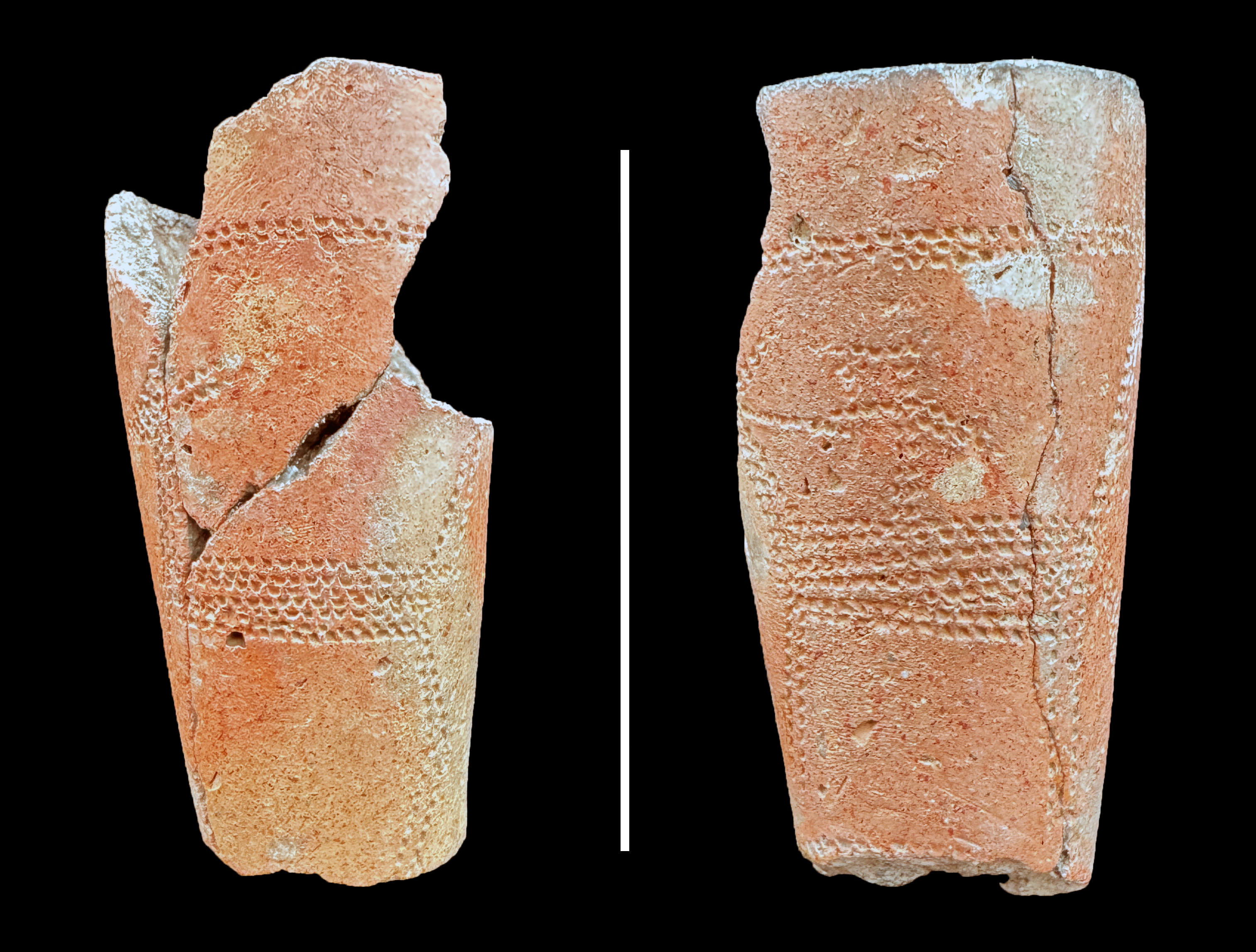 Figure 1: Indigenous manufactured red clay tobacco pipe bowl from 18CV232 (Mackall #4 Site).
Whether depicting deers or dogs – both were animals of importance to indigenous people. Deer were important sources of food and raw materials. Deer hides could be made into mats, cloth, and leather cordage. Deer bones and antlers could be carved into awls, needles, fish hooks, beads, or other tools and items of adornment. Dogs held a particularly important role in indigenous communities, utilized for hunting and protection, and also had spiritual importance as guides in the afterlife (Kerber 1997).
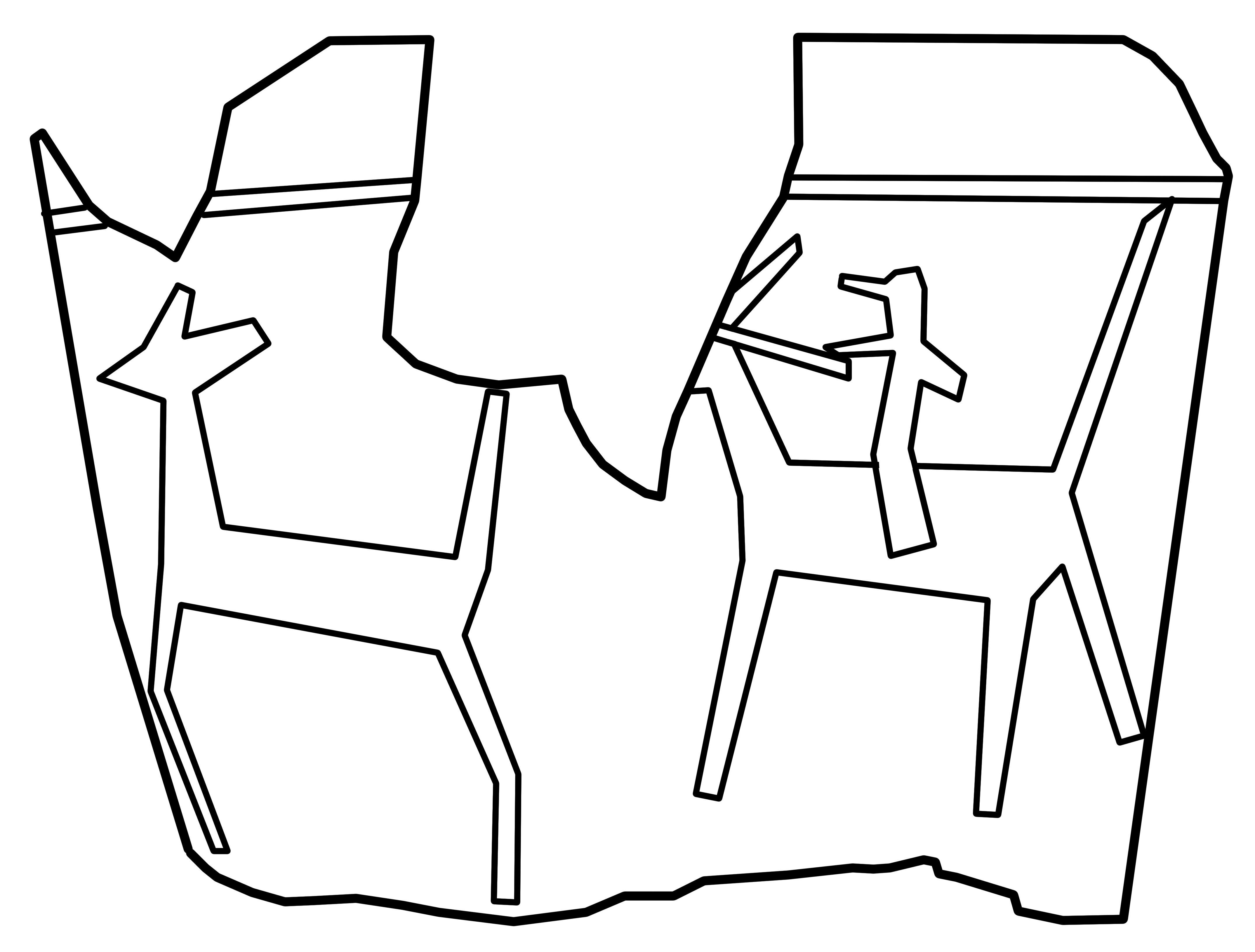 Figure 2: Rendition of scene with quadruped figures shown.
When first examining this particular pipe, it could easily be assumed to be another pipe depicting two deer. There are, however, noticeable differences in the way each animal is illustrated (see Figure 2)…and let’s not forget the quadruped in the room…one of them has a figure riding on top of it! One of the quadrupeds has a more slender torso and bent or jointed legs, while the other has straight legs and a wider torso. Both have similar ears and an erect tail. Other notable differences are that the quadruped with the figure riding on top has an extra back leg as if to indicate motion.
What could this pipe be depicting? Is it a hunting scene with person atop a horse chasing a deer or running with a dog? Is that person wearing a hat and holding reins? There are known examples of indigenous-made pipes on English sites decorated with other animals (like fish and birds). Only a few that show either a person or a horse (Figure 3) – but none have been documented with a person riding a horse. Many questions remain about this unique pipe.
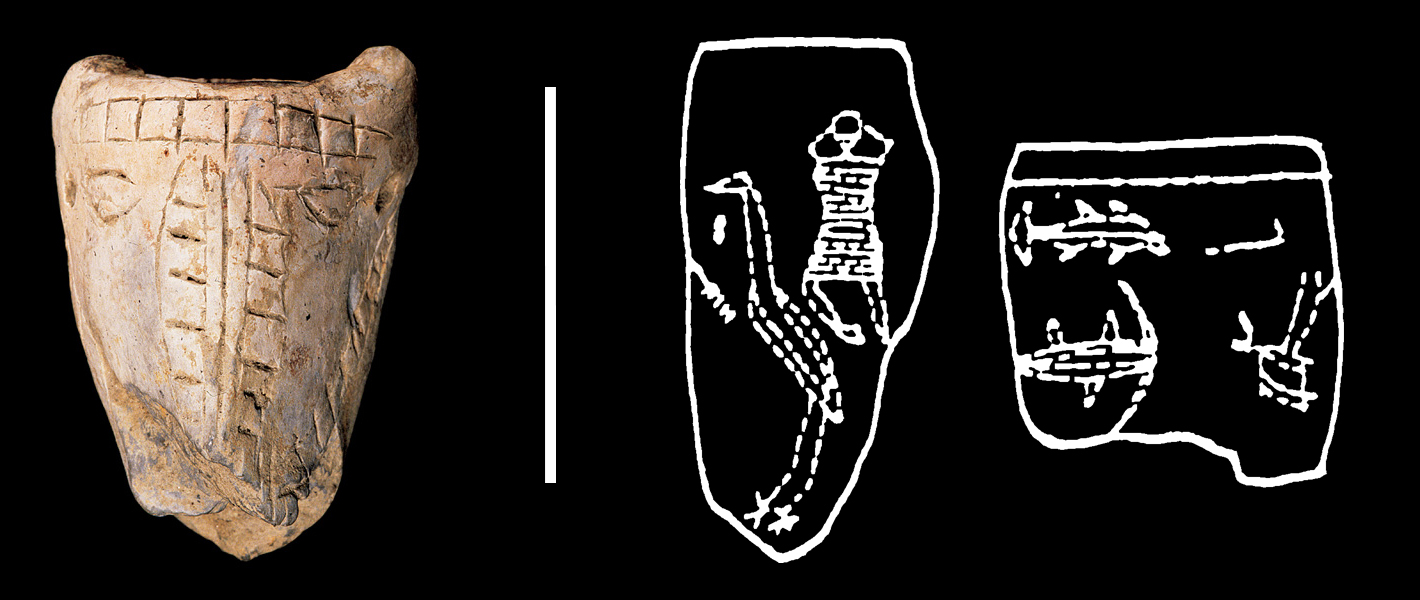 Figure 3: Animal figures on other red clay tobacco pipe bowls. Left: Bridled horse face, c. 1610, James Fort, Jamestown, VA (Historic Jamestowne n.d.). Right: Birds, human, and fish, c. 1645-1655, Pope’s Fort, St. Mary’s City, MD (adapted from Miller 1991).
The author would like to thank Ed Chaney, Mike Clem, Brad Hatch, Julia King, Taft Kiser, Lauren McMillan, Rebecca Morehouse, Sara Rivers Cofield, Patricia Samford, and Drew Shuptar-Rayvis for their thoughts on the design of this and other comparative pipes.
References
Historic Jamestowne
N.D. “Bridled Horse Pipe. Available online:
https://historicjamestowne.org/collections/artifacts/horse-pipe/ . Accessed September 2026.
Kerber, Jordan E.
1997 “Native American Treatment of Dogs in Northeastern North America: Archaeological and Ethnohistorical Perspectives” in Archaeology of Eastern North America 25: 81-96.
Kiser, Taft and Al Luckenbach
2019 “Creolization of the Northeastern Woodland Clay-Stemmed Tobacco Pipe” in Ceramics in America, 2019, pp. 135-157. Robert Hunter, editor. Chipstone Foundation, Milwaukee.
Miller, Henry M.
1991 “Tobacco Pipes from Pope’s Fort, St. Mary’s City, Maryland: an English Civil War Site on the American Frontier” in The Archaeology of the Clay Tobacco Pipe, Vol. XII. Chesapeake Bay, pp. 73-88. Peter Davey and Dennis J. Pogue, editors. Liverpool Monographs in Archaeology and Oriental Studies No. 14. BAR International Series 566, Oxford.
Pogue, Dennis J.
1991 “Clay Tobacco Pipes from four 17th century Domestic Sites in the Lower Patuxent River Valley of Maryland” in The Archaeology of the Clay Tobacco Pipe, Vol. XII. Chesapeake Bay pp. 3-26. Peter Davey and Dennis J. Pogue, editors. Liverpool Monographs in Archaeology and Oriental Studies No. 14. BAR International Series 566, Oxford.