Chew (18AN1372)
Site History
The Chew site (18AN1372) is a late 17th to early 18th-century plantation house site located on Herring Bay in the colonial town of Herrington in Anne Arundel County. The house site is located near an early 19th-century home that is still standing. The home was the residence of Samuel Chew, Senior, prominent Anne Arundel County resident and founder of the town of Herrington. The two-story building had a hipped roof, paired chimney, and a cupola, according to the 1732 Hoxton Map. Archaeological evidence suggests the house was built between the 1690s and 1718, and archaeological and contemporary newspaper articles indicate the house was destroyed by fire in 1772. The house was one of the largest known structures in the Virginia and Maryland Tidewater at the time of its construction.
Archaeological Investigations
The site was initially recorded in 2007 during an excavation by the Lost Towns of Anne Arundel County project. So far two features—a brick foundation and a possible refuse filled pit—have been discovered. The Lost Towns staff excavated 58 5 × 5 ft. units to discover the footprint of the house. By 2009, archaeological testing revealed the house to be 56 × 66 feet in dimension, facing east with a recessed central bay, and an exterior bulkhead cellar entrance on the west side. Apart from the foundation itself, features included a laundry hearth in the southeast cellar room.
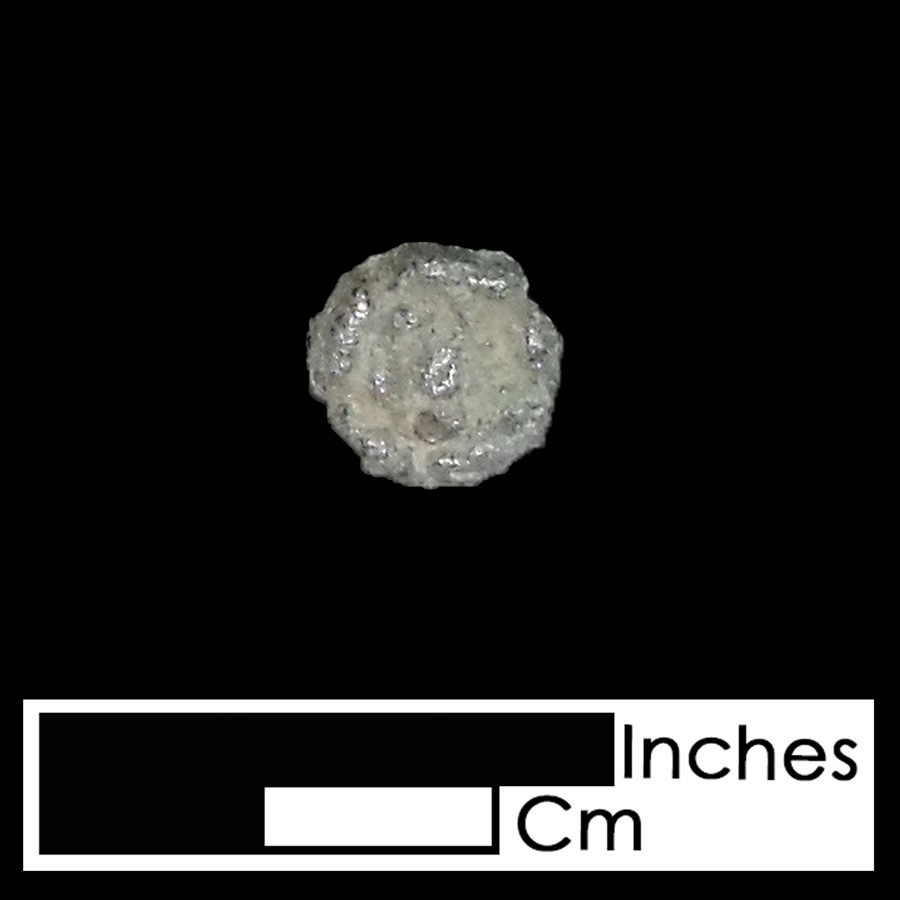
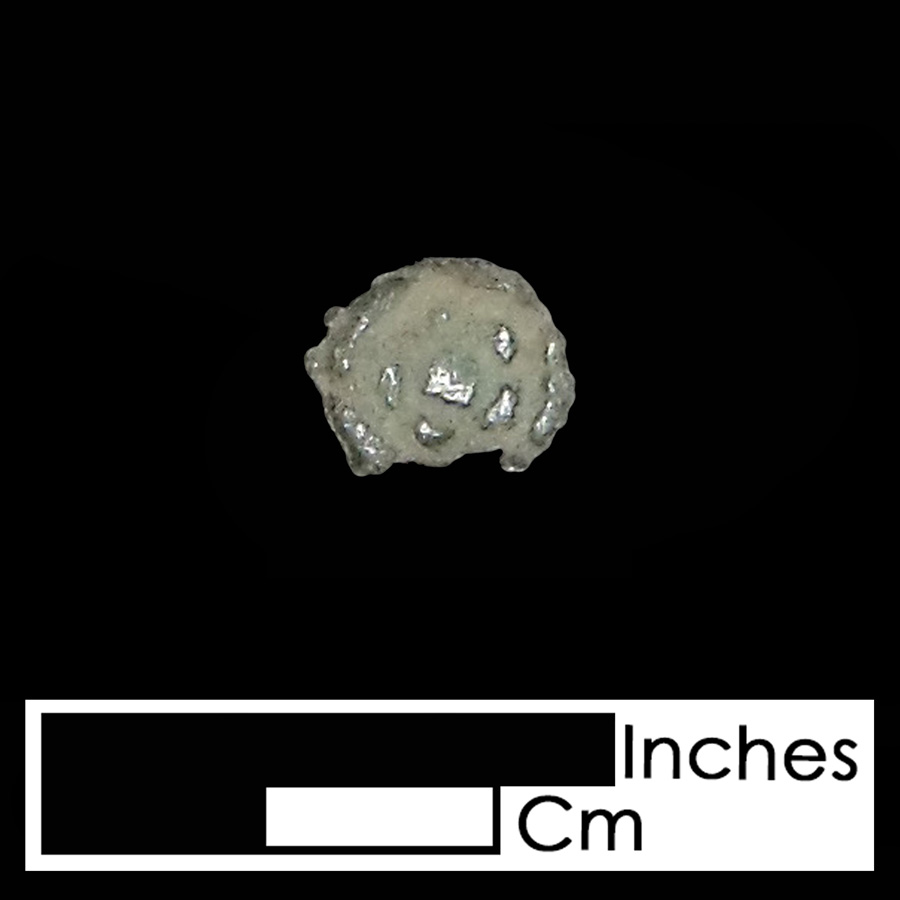
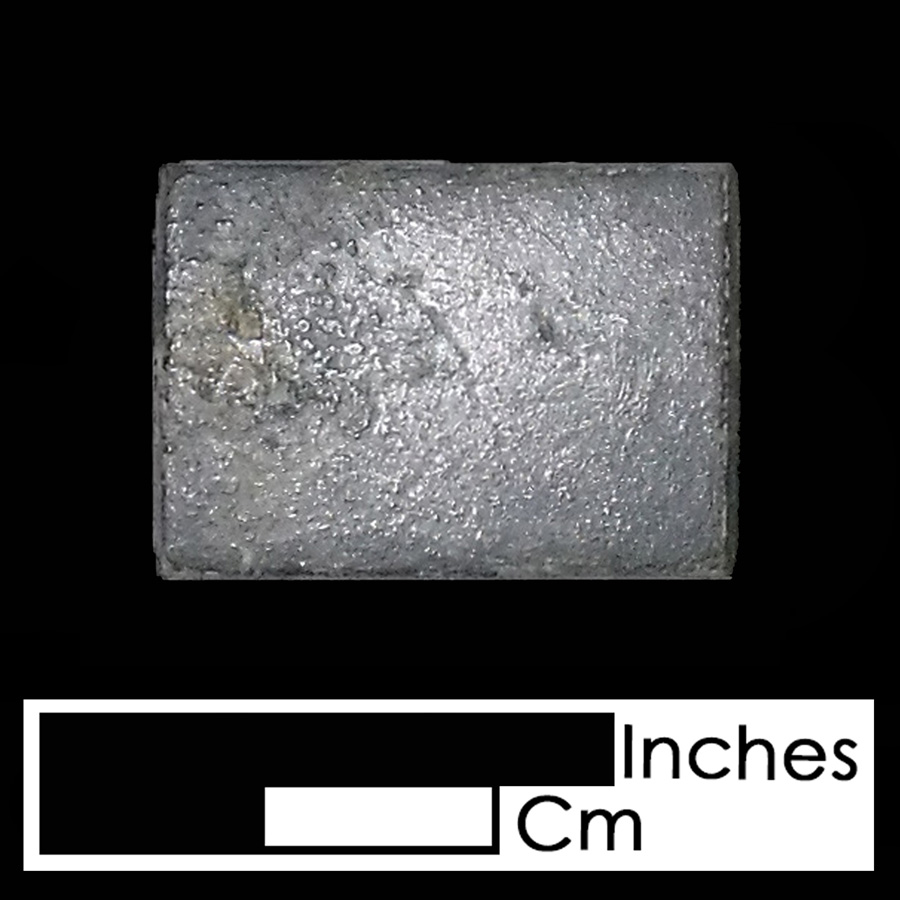
Exterior brick-lined drainage trenches extend from the northwest and southwest corners of the house towards a ravine to the south of the site. Large fragments of melted lead found in this area indicate that lead guttering on the house melted and dropped when the house burned. Beneath the stairs in the bulkhead cellar entrance were found intact artifacts, including diamond-shaped window glass quarrels. Also found near the recessed front bay was a fragment of dressed stone in the shape of a stair nosing. The bulk of the stairs may have been removed and used elsewhere after the fire.
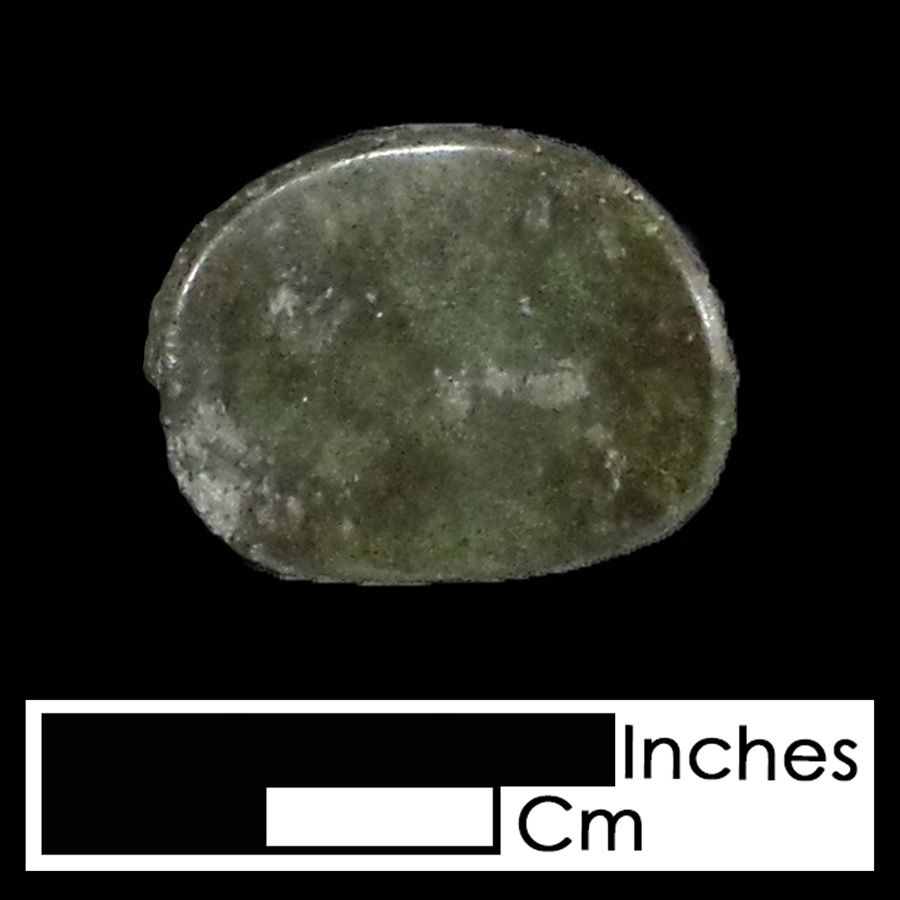
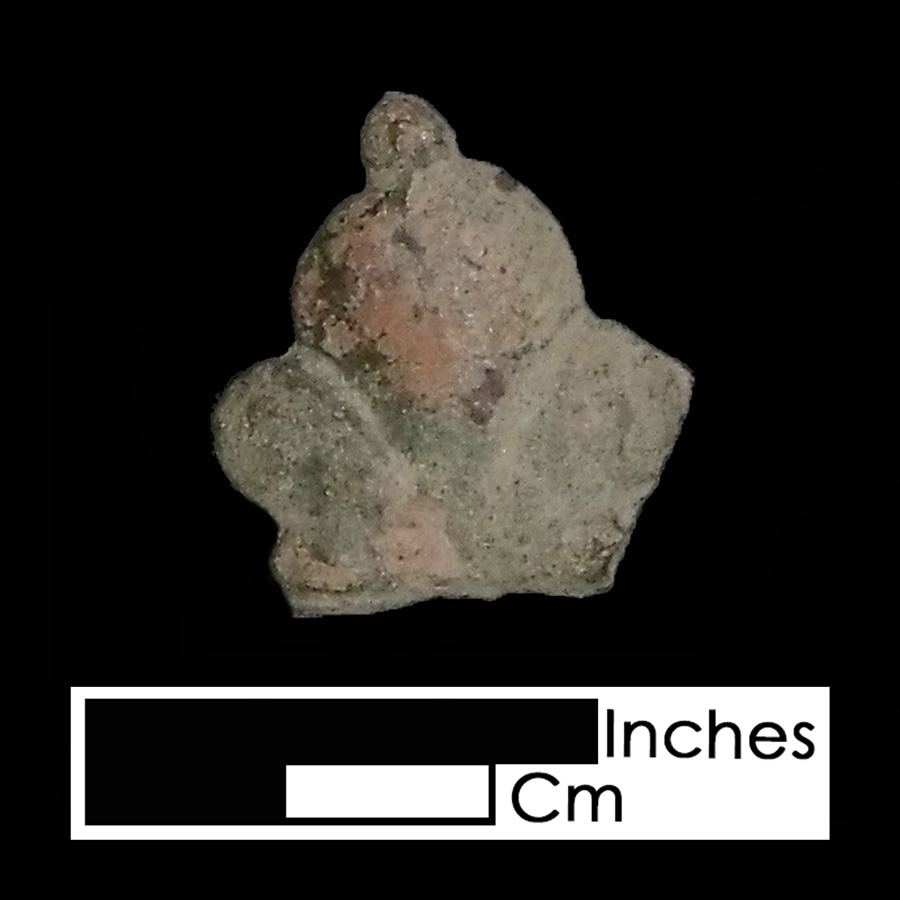
The front hall of the house may have been paved with black and white stone squares, in either stripes or a checkerboard pattern. Fragments of such squares have been recovered throughout the center of the house. Yellow "Dutch" brick and many examples of molded brick have been recovered, including numerous different molding shapes. A possible water table brick inscribed "JB" with a small diamond shape between may have been the mark of the mason. Hand-painted polychrome "Delft" tiles (tin-glazed earthenware) were found throughout the house. Ceramics include many hand-painted polychrome porcelain fragments, including some with a fish motif using gold paint. Bottle glass included at least three bottle seals, marked "S Chew."
References
2009 "Important Discoveries at the Chew Site" Letters from Lost Towns, newsletter. Autumn 2009.
2009 "More discoveries at the Chew mansion", Letters from Lost Towns, newsletter. Winter 2009.
2011 An Unusual Drabware Strainer from the Chew Site, Anne Arundel County, Maryland. Ceramics in America. Chipstone Foundation, University Press of New England, pp. 185-186.