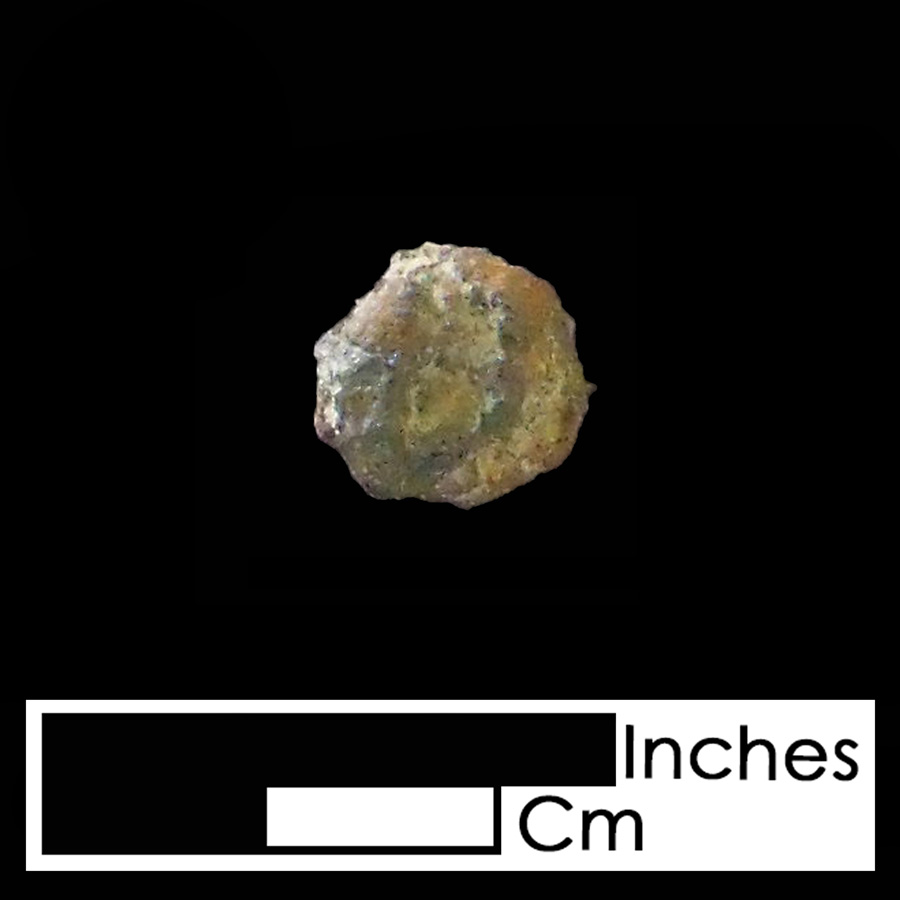
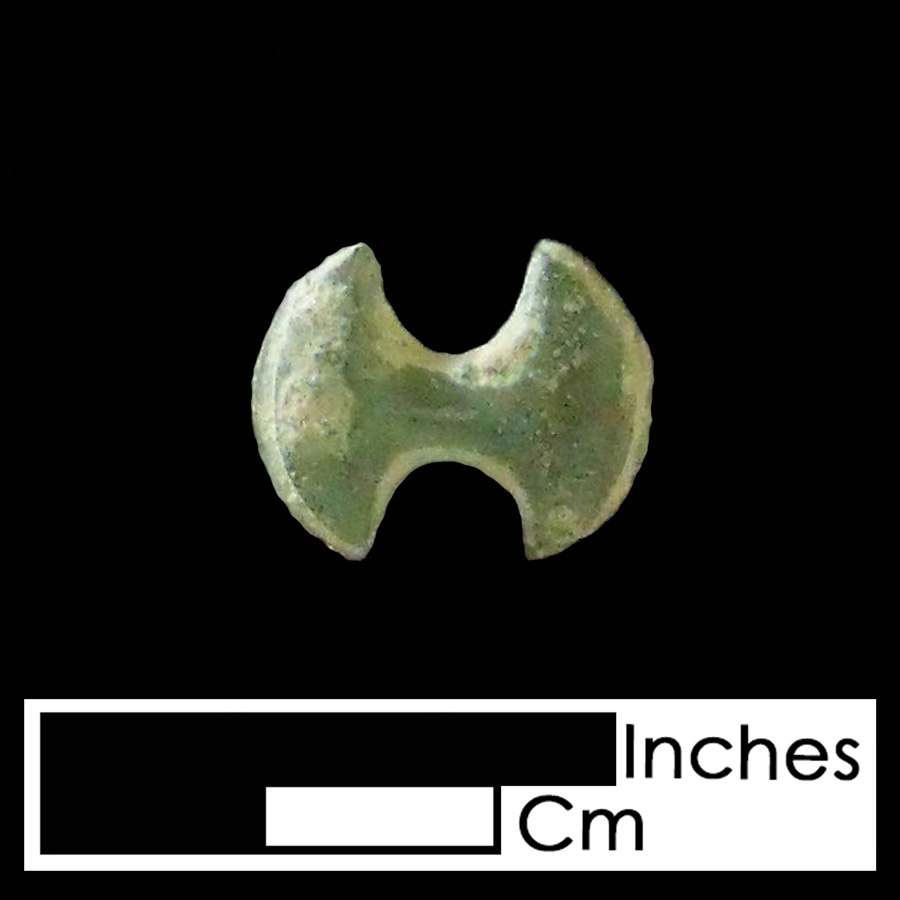
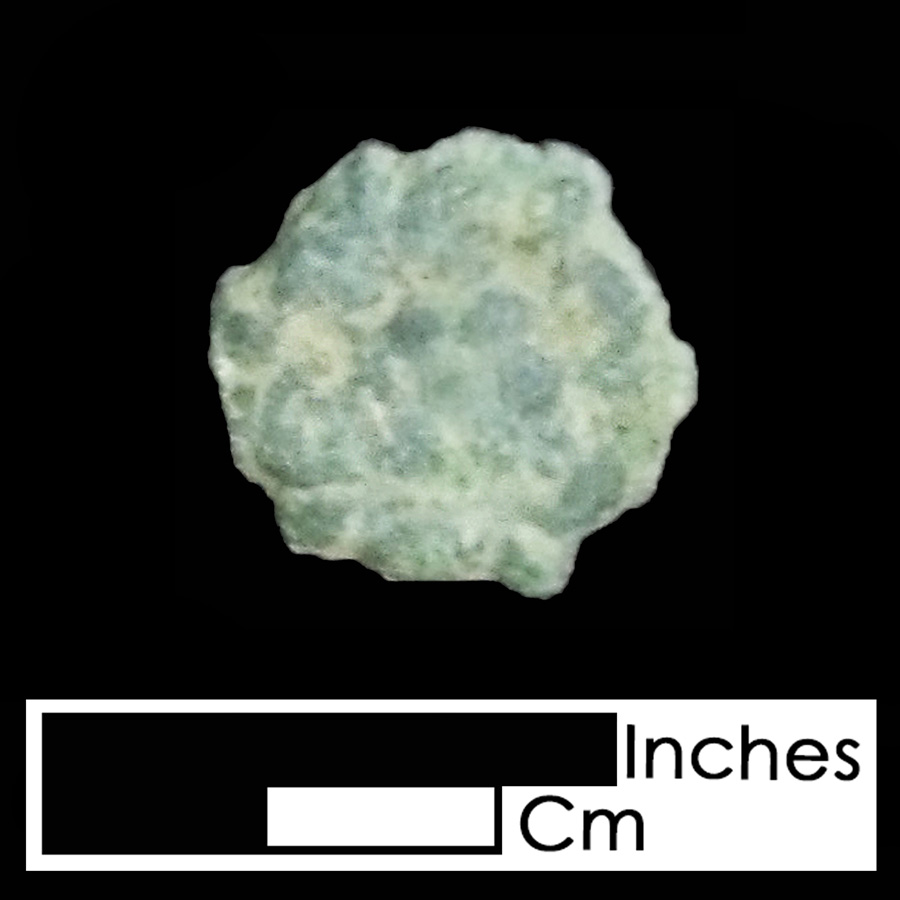
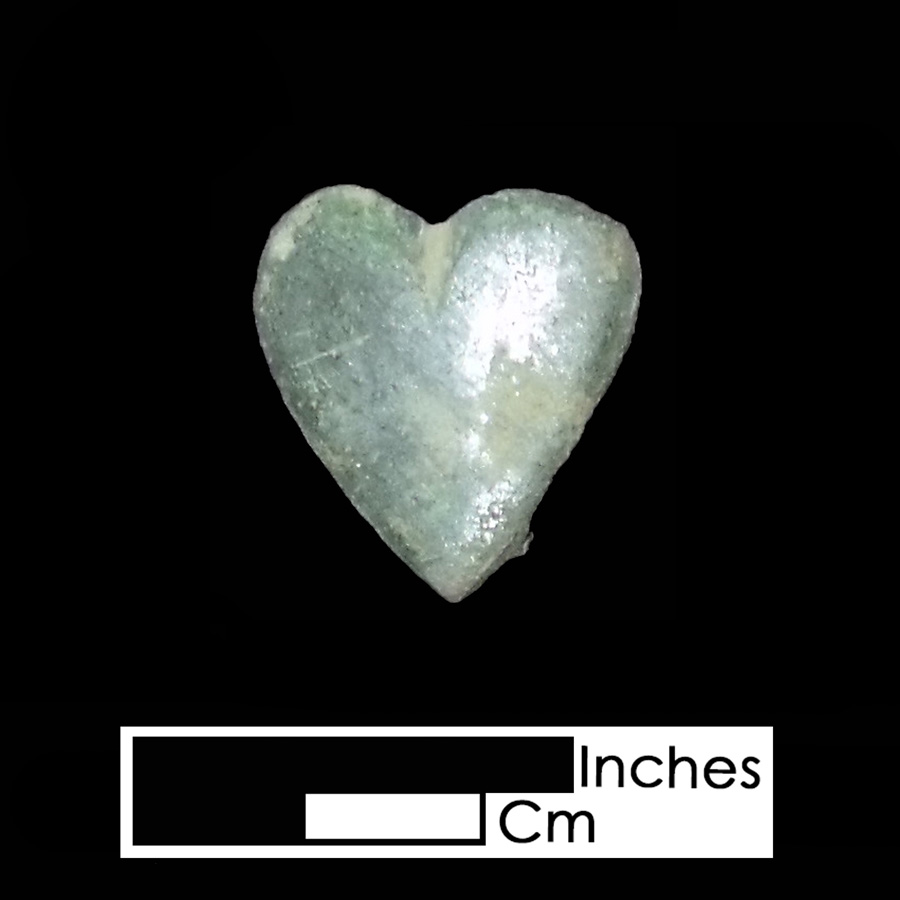
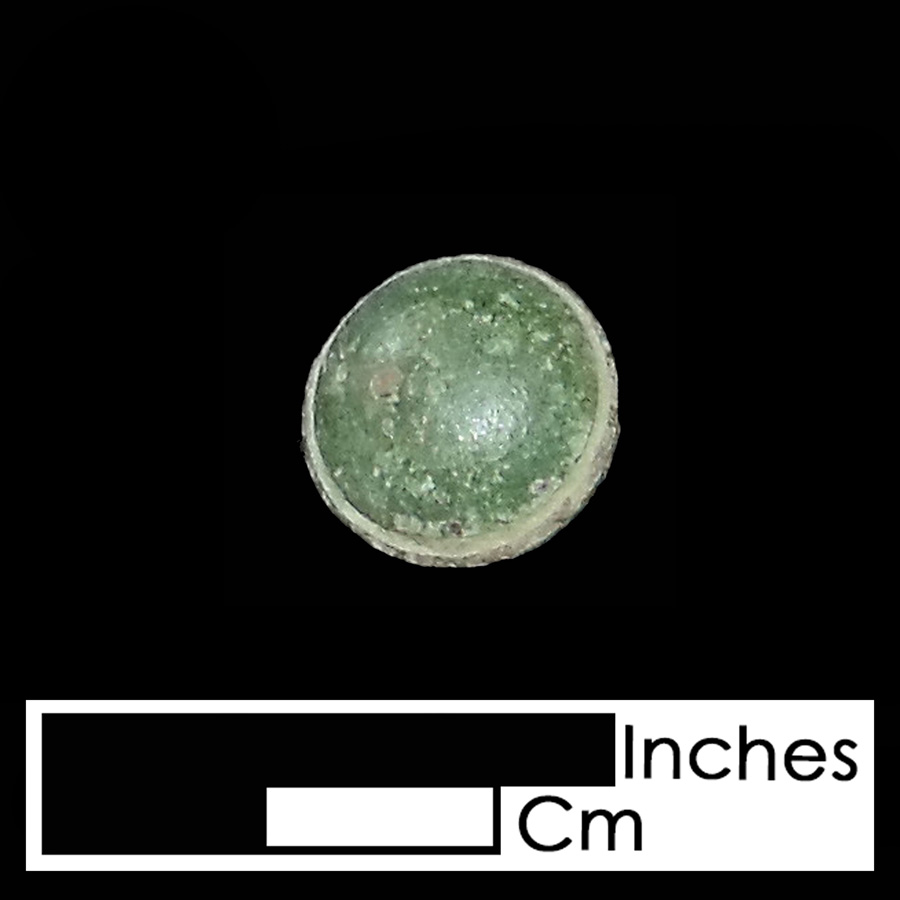
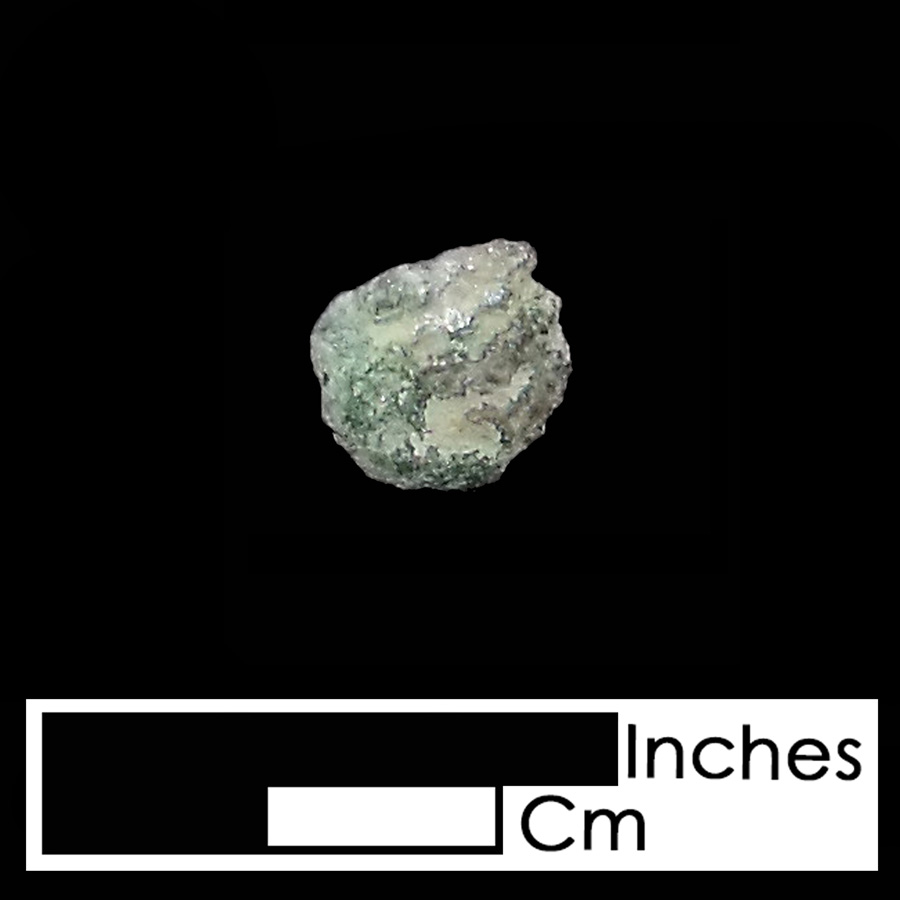
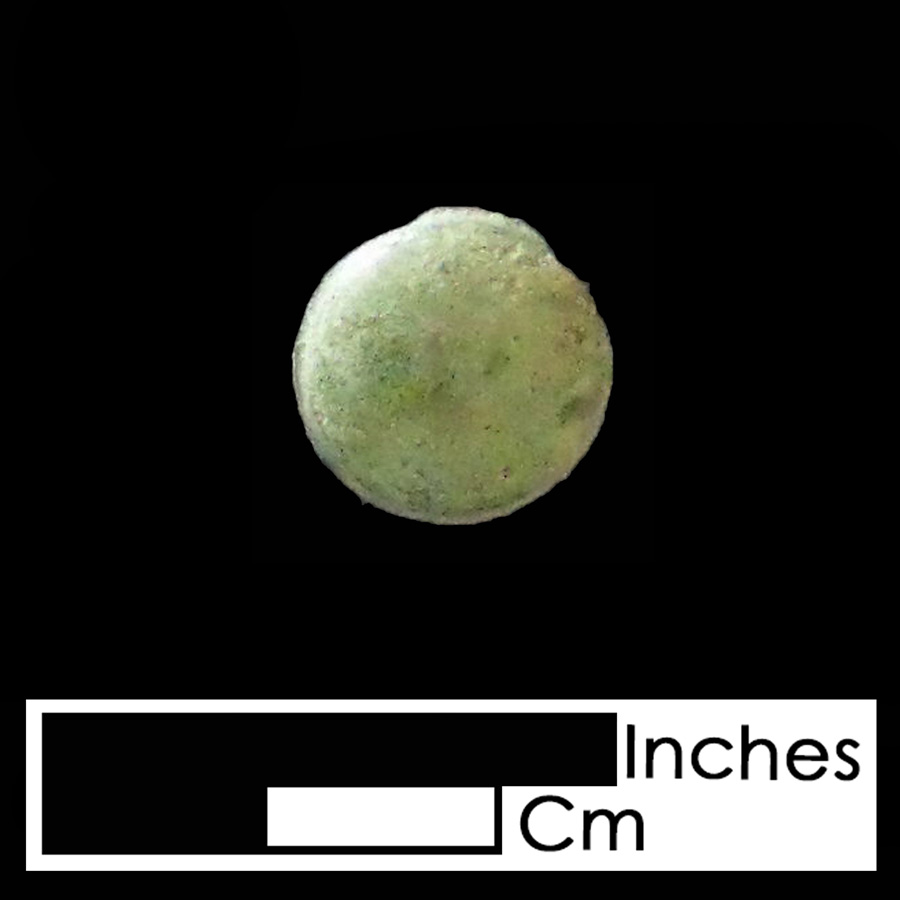
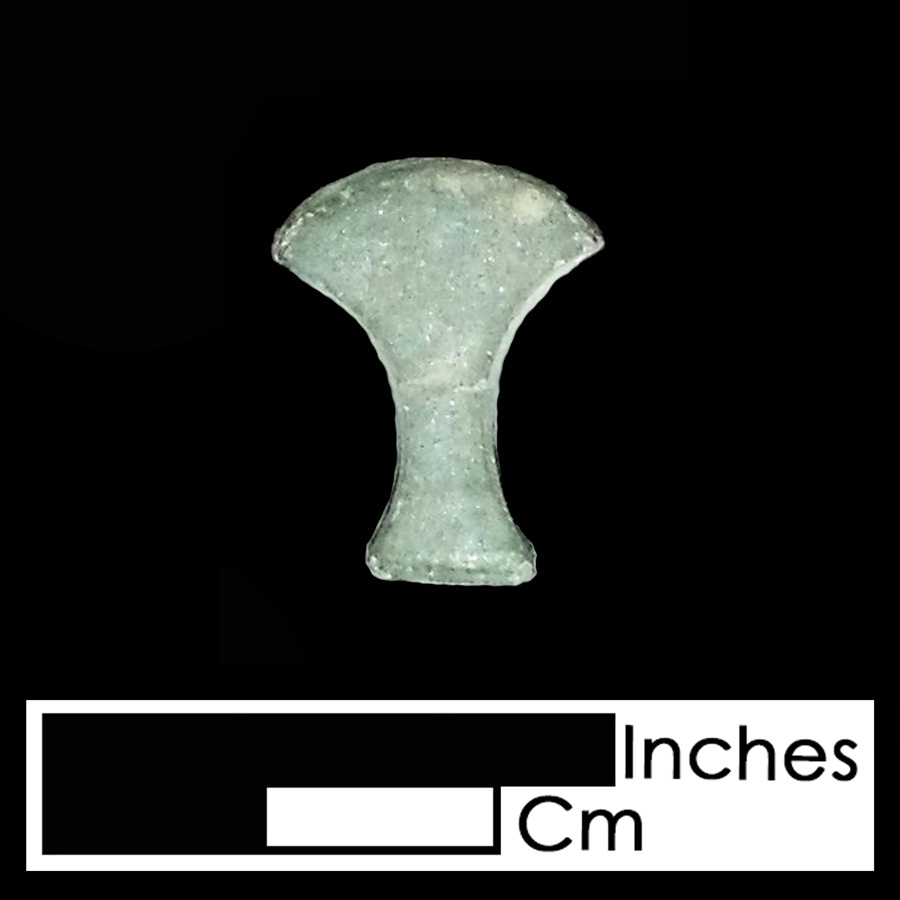
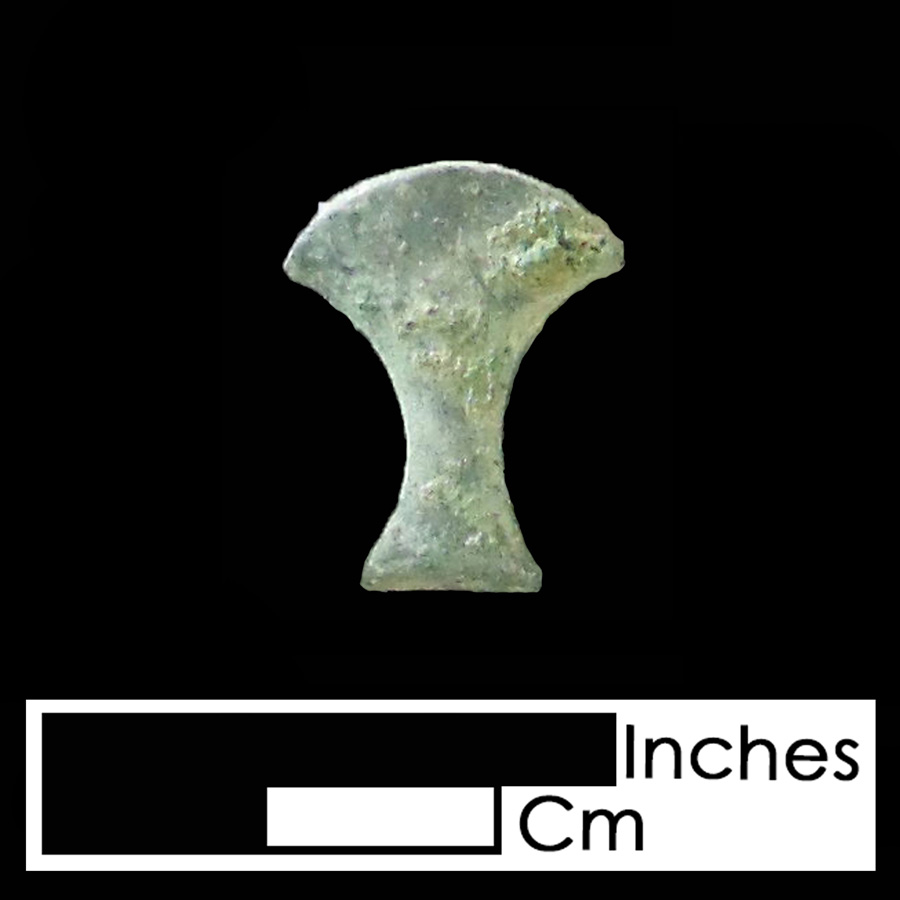
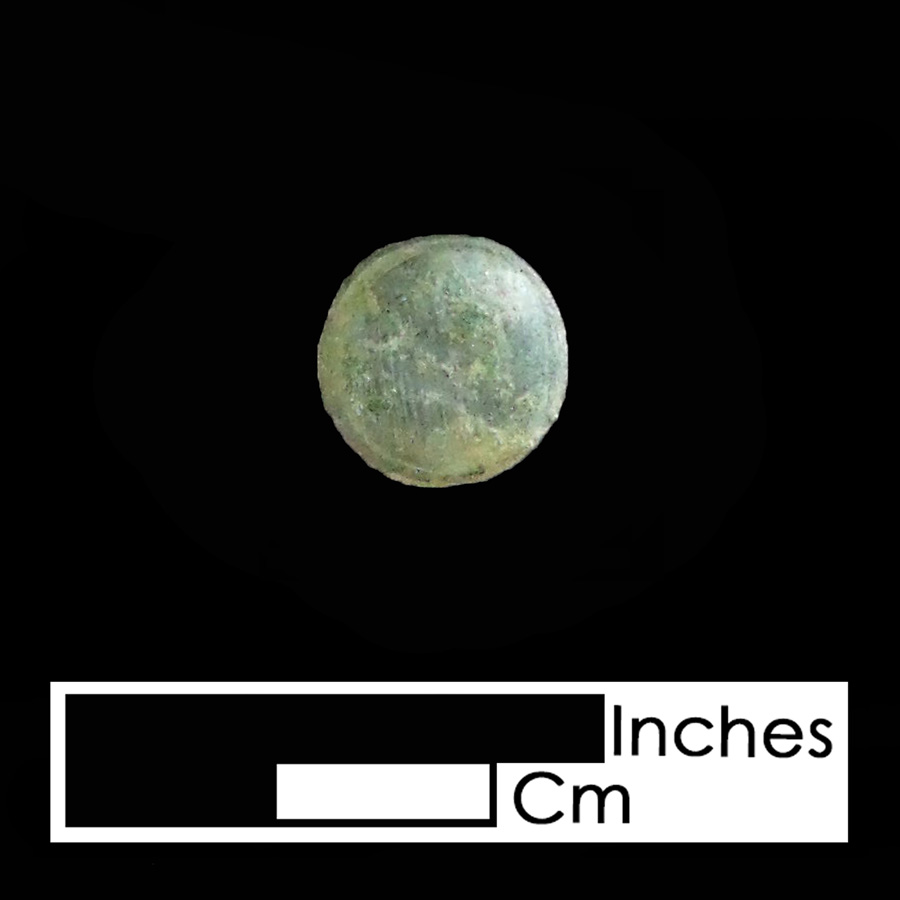
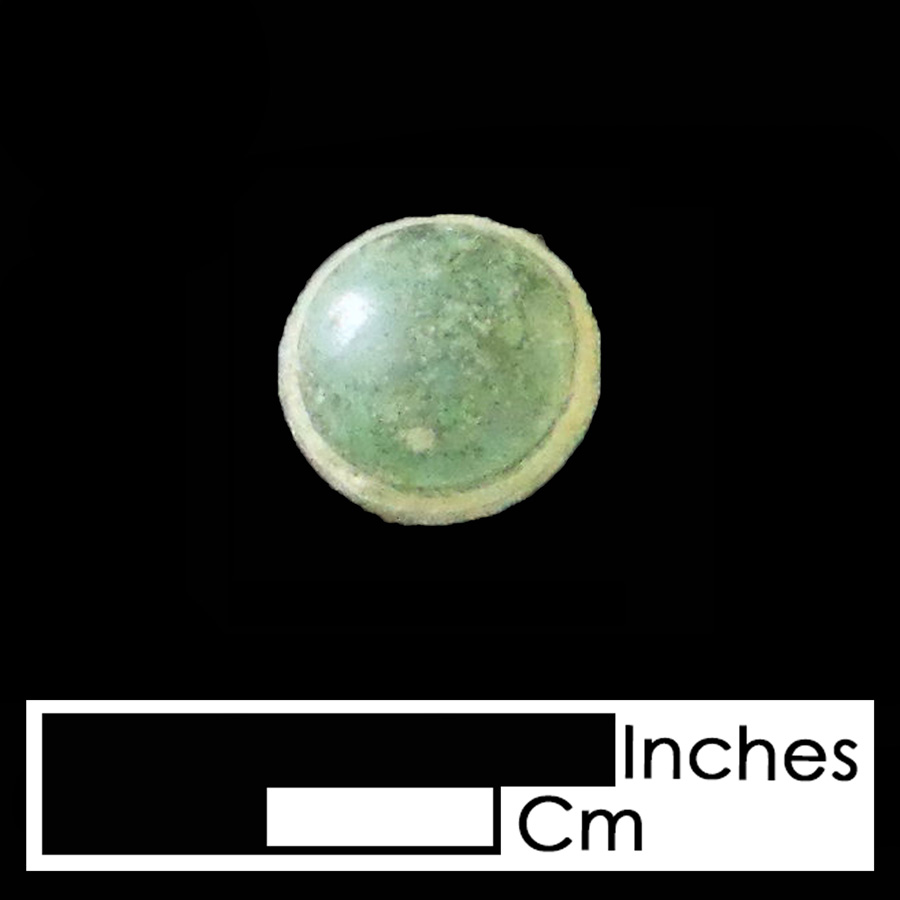
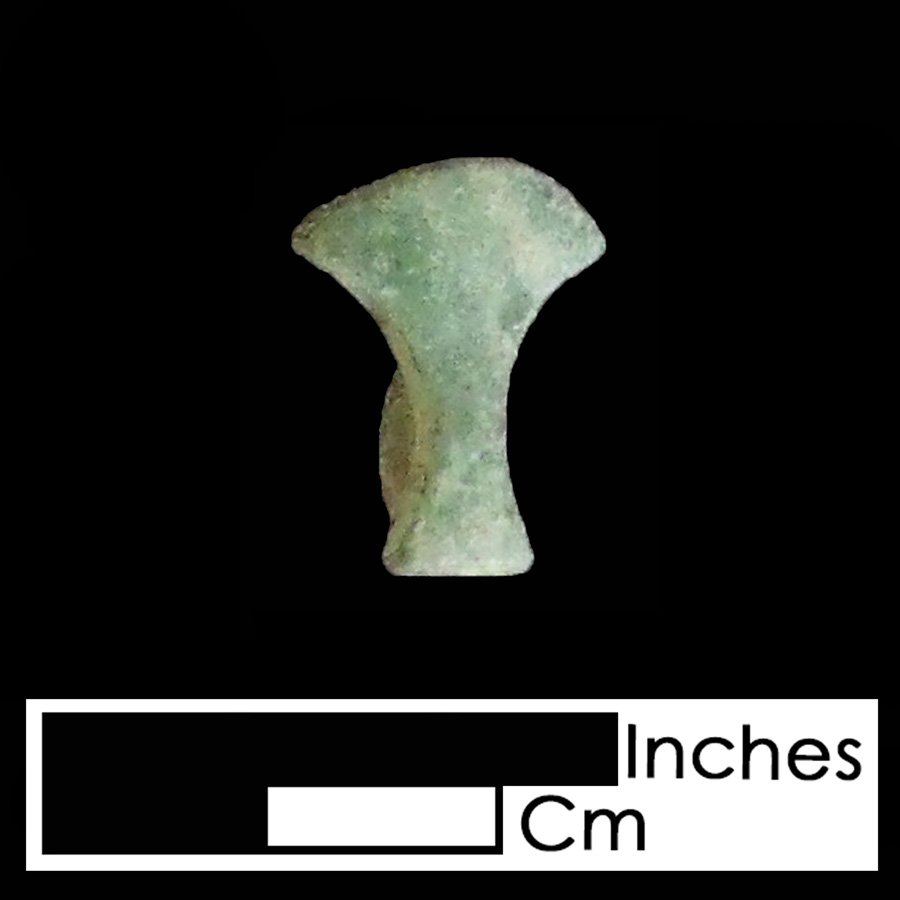
London Town (18AN48)
Site History (c. 1683–1965)
London Town is mostly a colonial-era site with some assemblages associated with the Anne Arundel County Almshouse that existed on a portion of the original town land from the 1820s through 1965. The site today is owned by Anne Arundel County and operates as a history museum and public garden.
The Maryland General Assembly established London Town as an official town and port in 1683. It was the county seat for Anne Arundel County between 1683 and 1694. During the 1700s, London Town's location on the South River was on the main travel route to Annapolis and points north from Southern Maryland and other southern colonies. This allowed the town to grow to approximately 200 residents while supporting multiple ferries, taverns, and other businesses such as carpenters, staymakers, and other service-oriented trades.
As travel patterns shifted, London Town became less relevant, and the number of residents dropped. By the early 1800s there were no longer enough residents to call it a town. Anne Arundel County purchased approximately 10 acres in the 1820s to use as the County's Almshouse through 1965. The history museum and public garden operations started in the 1970s. Anne Arundel County currently owns approximately 24 acres of the original 100-acre town.
Only one building is still standing from London Town's colonial period; a c. 1760 brick house and tavern that was constructed by ferryman, innkeeper, and carpenter William Brown. This structure became the dormitory for women and families during the almshouse period. An early 20th-century structure used as a dormitory for male residents of the almshouse also survives at the site. This structure was converted into a visitor center when the site became a history museum and public garden, and it now acts as a venue for events and weddings.
Archaeology
Archaeology has been conducted sporadically at London Town since the late 1960s. Preliminary archaeological surveys were initiated when the property was transitioning from the almshouse to the museum and public garden in the late 1960s and early 1970s. No major reports or records came from the earliest surveys, but they suggested that the site had a great deal of erosion and disturbance and little remaining evidence of the colonial town.
Multiple projects undertaken between 1979 and the early 1990s contradicted the early findings. Despite severe erosion, there are intact features below plow zone in some areas. Additionally, while 19th and 20th century artifacts from the almshouse period tend to dominate plow zone assemblages, colonial artifacts were also recovered.
In the 1990s, the Anne Arundel County Cultural Resources Section undertook a more in-depth investigation of the London Town property and archaeologists from the Lost Towns Project led a multi-year public archaeology program at the site. Hundreds of 5 × 5 foot units were excavated (well over 600, but the exact count would require a complete compilation of records beyond the scope of this summary), and many features and buildings were exposed below the plow zone.
Four of the main structures identified within 18AN48 are referred to by their own distinct designations: Rumney-West Tavern, Carpenter Shop, Lord Mayor’s Tenement, and the Almshouse Black Dormitory.
Rumney-West Tavern – This structure dates to c. 1710 to 1760. It was one of the main taverns in London Town during the town's heyday. Though the building may have originally been built by Edward Rumney, it was Stephen West who operated it as a tavern for the longest. After West died in 1752, William Brown likely operated this building as a tavern before he had his large brick house and tavern built. A large cellar of about 15 feet in diameter yielded most of the artifacts from the Rumney-West Tavern.
Carpenter Shop – This location dates to c. 1725 – 1780. The erosion of the site creates some challenges to more specific dating. Historical documents indicate that Stephen West likely built a structure here to use as a warehouse (c. 1725 – 1750). William Brown may have later used the structure as his carpenter shop (c. 1750 – 1780). A burial found within this structure has been interpreted as a child of African descent who was interred under the floorboards in a tradition that has been documented in slave quarters of the 18th century Caribbean (Plumley and Cullen 2004).
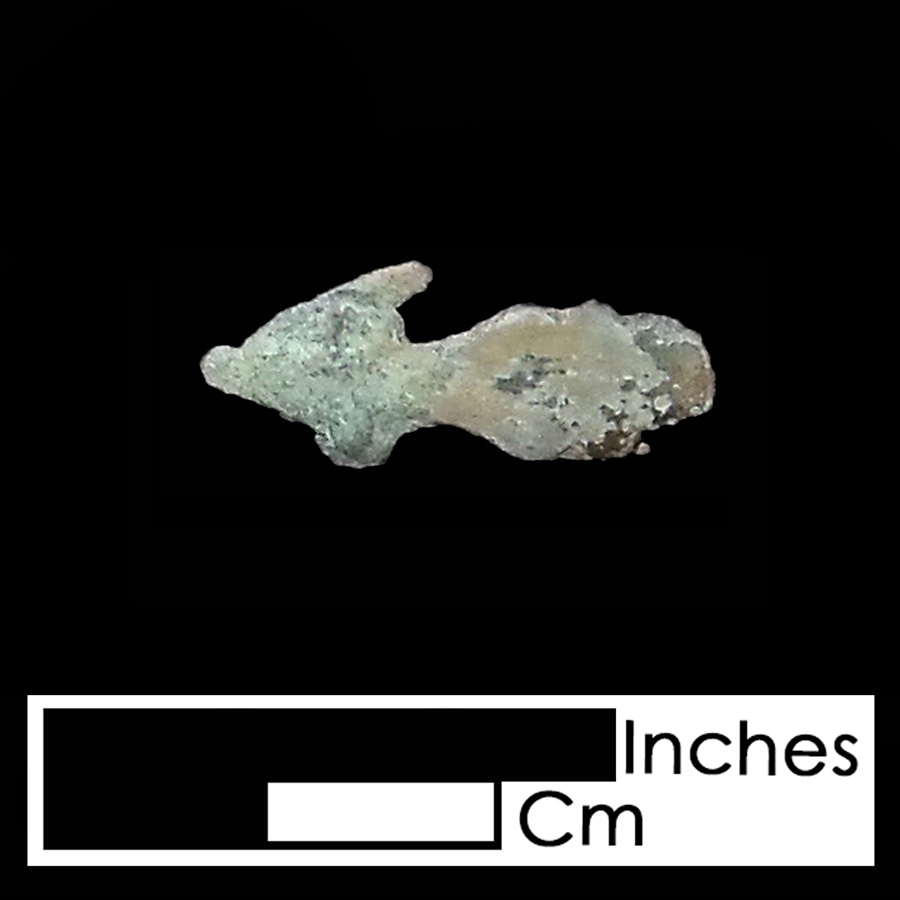
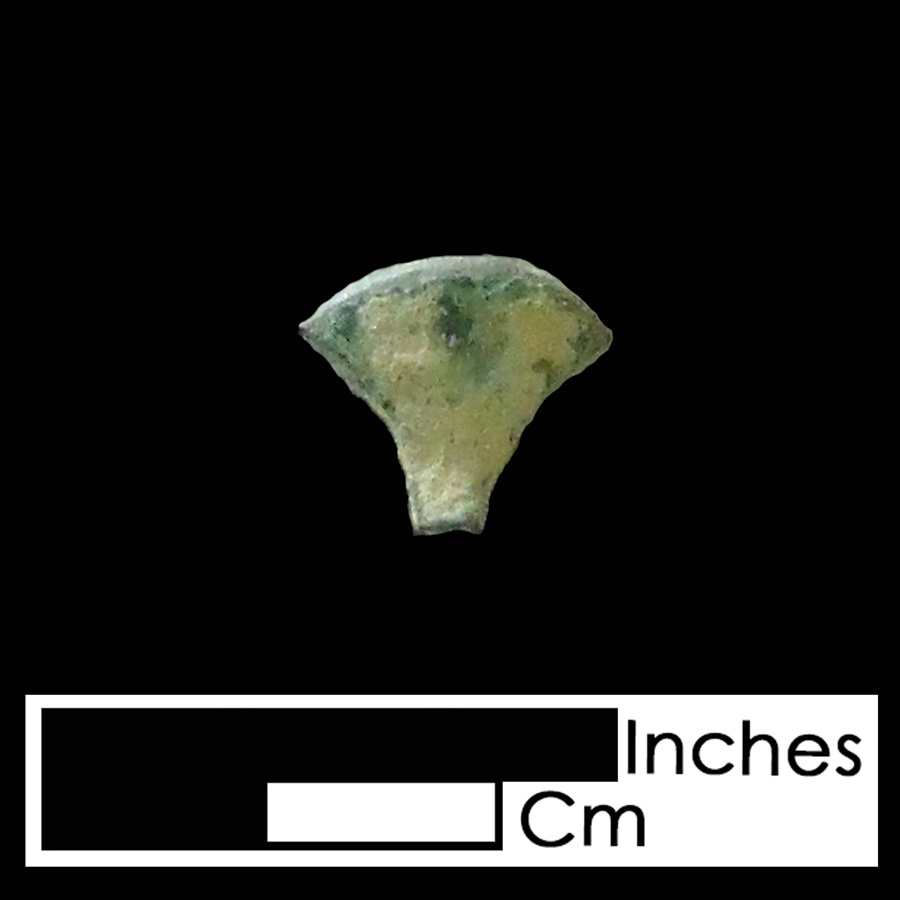
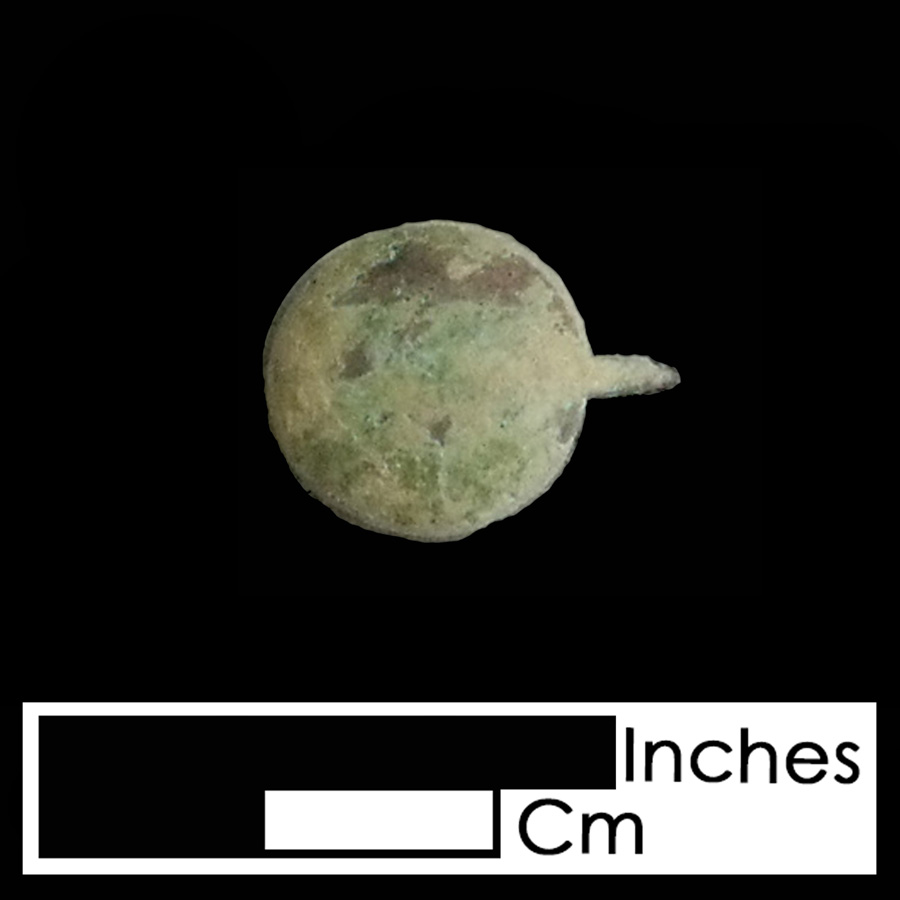
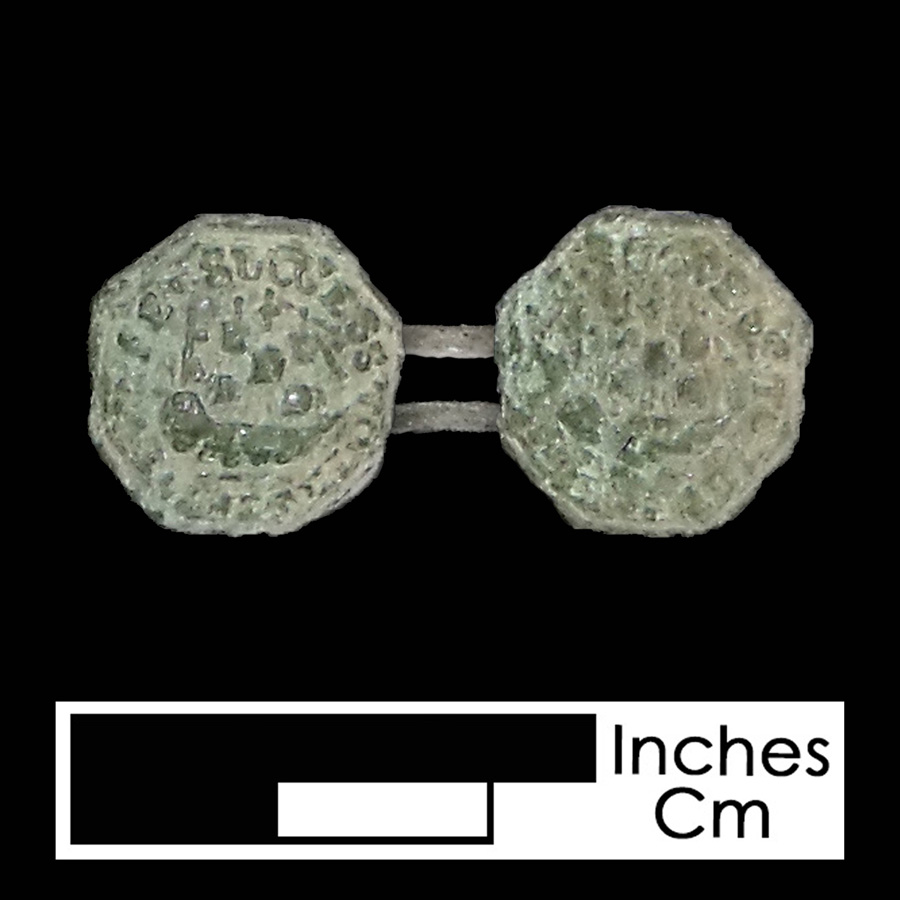
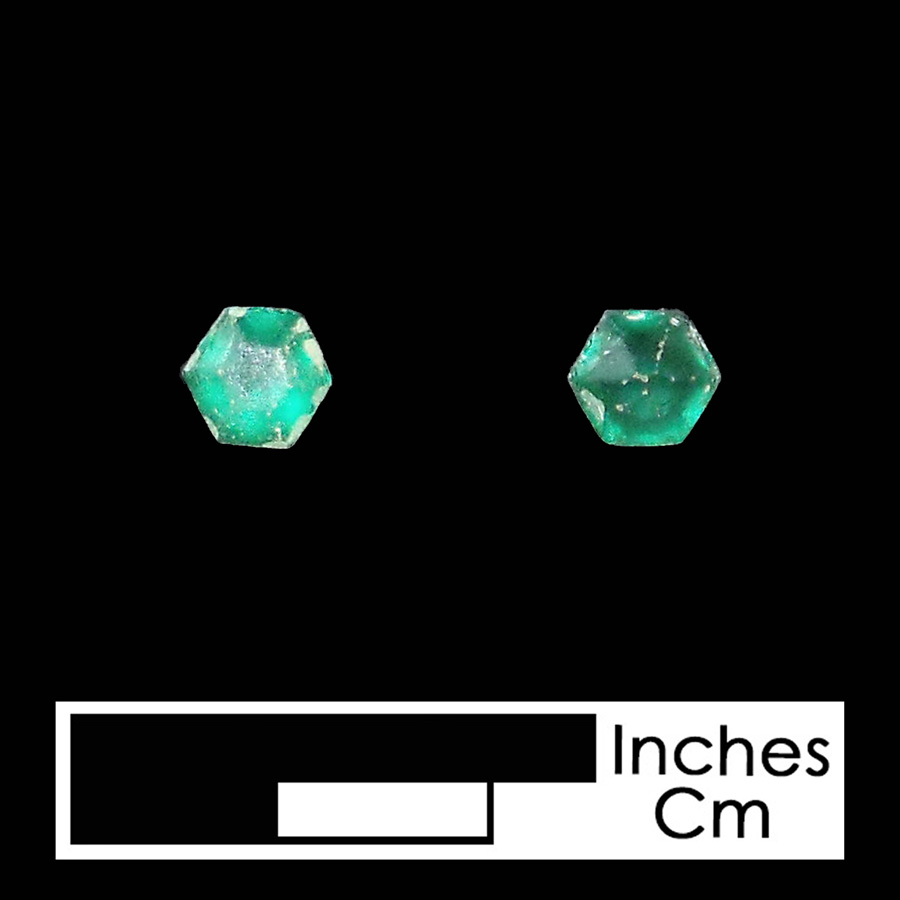
Lord Mayor's Tenement – The post-in-ground structure known as the Lord Mayor’s Tenement dates to c.1685 – 1730. The postholes indicate that the structure was the minimum size required to claim a town lot (20 × 20 feet). Artifacts are mostly from the early 1700s. A notable exception is a pair of cufflinks likely associated with the French and Indian War because they depict a tall ship surrounded by the phrase "Success to the British Fleet!" Historical records are not substantive enough to link the structure with a particular individual.
Almshouse Black Dormitory – This c. 1830 to 1910 structure operated as the black dormitory during the first 80 years of the Almshouse's operations. Excavations in the early 2000s uncovered some of the original brick and stone foundations as well as artifacts from that time period. Much of this site was destroyed in the 1910s when the building was torn down and the Men's Dormitory was constructed. The Men's Dormitory serves as the core portion of the building now called the London Town Pavilion.
Technical reports for excavations at London Town are spotty and tend to focus on projects prompted by infrastructure improvements. Most of the literature available about 18AN48 excavations is in the form of journal articles focused on specific structures or artifact types. Artifacts and field records are curated by the Anne Arundel County Cultural Resources Section.
References
1978 Report on an archaeological survey of Londontown Publik House and Gardens located in Edgewater, Anne Arundel County, Maryland. (Archaeological Services, Inc.) MHT# AN 62.
1986 A Preliminary Archeological Reconnaissance Survey of Londontown Publik House and Gardens and Twelve Acre Expansion, Anne Arundel County, Maryland. (Maryland Historical Trust) MHT# AN 72.
1924 Londontown on South River, Anne Arundel County, Md. Maryland Historical Magazine 19(2):134-141.
1975 The evolution of a tidewater settlement system: All Hallow's Parish, Maryland, 1650-1783. Chicago : University of Chicago, Dept. of Geography.
1999 A Shallow Water Shoreline Survey of London Town, Maryland. (Maritime Archaeological and Historical Society) MHT # AN 364.
2018 Phase I Test Survey Report: London Town Parking Lot Expansion Project, Historic London Town, Edgewater, Maryland. Anne Arundel County Trust for Preservation, Inc. MHT # AN 724.
n.d. Unearthing Our Colonial Past: Selected Articles on the Archaeology of Early Anne Arundel County, Maryland. (Lost Towns Project). Articles from Maryland Archaeology reprinted in bound form. MHT # AN 515.
2002 Ceramics from the Edward Rumney/Stephen West Tavern, London Town, Maryland, Circa 1725. Ceramics in America, Robert Hunter, ed., pp. 130-152.
2004 Fowl Play at London Town? Maryland Archeology, Volume 40(2):8, September 2004.
1994 17th Century Lead Cloth Seals from Anne Arundel County, Maryland. Maryland Archeology 39(1,2):17-26.
1953 The Tobacco Coast: a maritime history of Chesapeake Bay in the colonial era. Newport News, VA: The Mariners Museum.
2003 Searching for the Poor of Lost London: The Almshouse Years 1823-1965. London Town Foundation & Anne Arundel County's Lost Towns Project. MHT # AN 453.
2004 A London Town Burial: A Study in Past and Present Customs. Maryland Archeology 40(2):9-18, September 2004.
1995 Phase II Testing of the Proposed Outflow Pipe Location at 18AN48, London Town Publik House, Edgewater, Maryland. MHT# AN 308.
1977 Reconnaissance of drowned cultural resources at Londontown, Maryland. Nautical Archaeology Associates. MHT# AN 24.
1978 Londontown: A Brief History. London Town Publik House Commission, Inc.
1978 Archeological Survey of the South River Drainage Basin MHT# AN 13.
1982 Towards a Synthetic Approach to the Chesapeake Tidewater: Historic Site Patterning in Temporal Perspective. University of North Carolina at Chapel Hill. MHT # MD 141 (pp. 140-189)