Swan Cove (18AN934)
Site History
The Swan Cove (18AN934) site represents a mid-17th-century Euroamerican homelot and tobacco pipe kiln, a late 17th-century house site, and a possible contact period site. The site is located on Mill Creek in Anne Arundel County, Maryland.
The site has been identified as the pipe kiln site of Emmanuel Drue, who occupied the land during the 1660s. William Fuller patented the tract of land containing the Swan Cove site as "Broad Creek" in 1659. In 1662, he subdivided that tract, selling a portion called "Swan Cove" to brothers Hugh an Emmanuel Drue. Hugh died in the same year, leaving the property to his brother. Emmanuel Drue died in 1669. When he died, Drue's probate inventory listed "a pair of pipe molds, brass" valued at 150 pounds of tobacco. His will stipulated that his daughters, Elizabeth and Martha, be sent to live with neighbors, and his sons apprenticed to local craftsmen. By 1707, Henry Merriday occupied Swan Cove. He sold the site in 1721 to Amos Garret. No one occupied the site until William Storck, the present owner, acquired it in the 20th century.
Archaeological Investigations
Amateur archaeologist Bob Ogle and property owner Bill Storck first discovered this site during road construction in the late 1970s. They brought the site to the attention of county archaeologist Al Luckenbach in 1991. In 1992 and 1998, Anne Arundel County's Lost Towns Project conducted preliminary excavations, with more intense archaeological exploration taking place beginning in the fall of 2000.
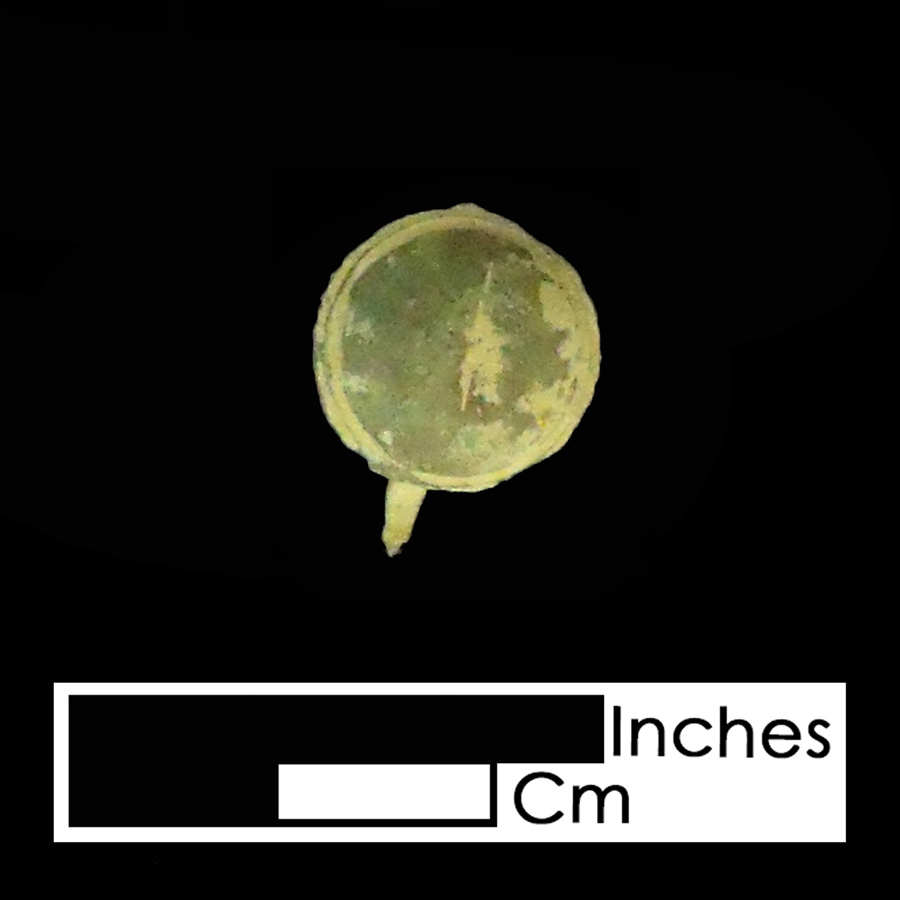
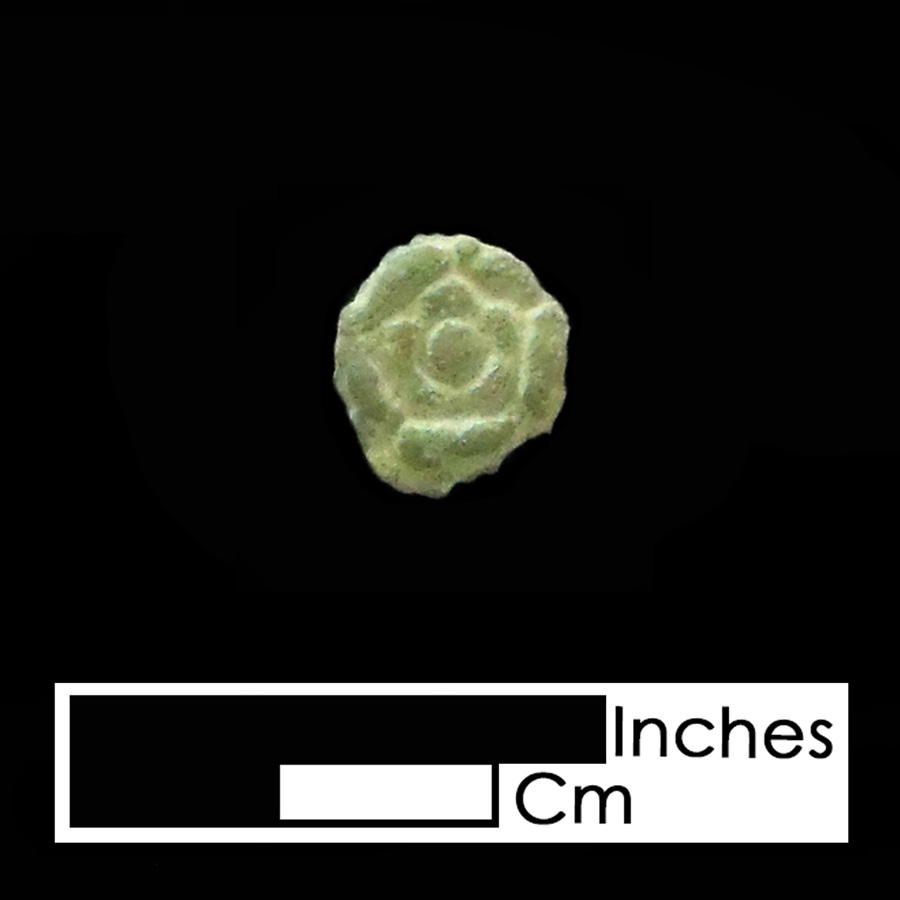
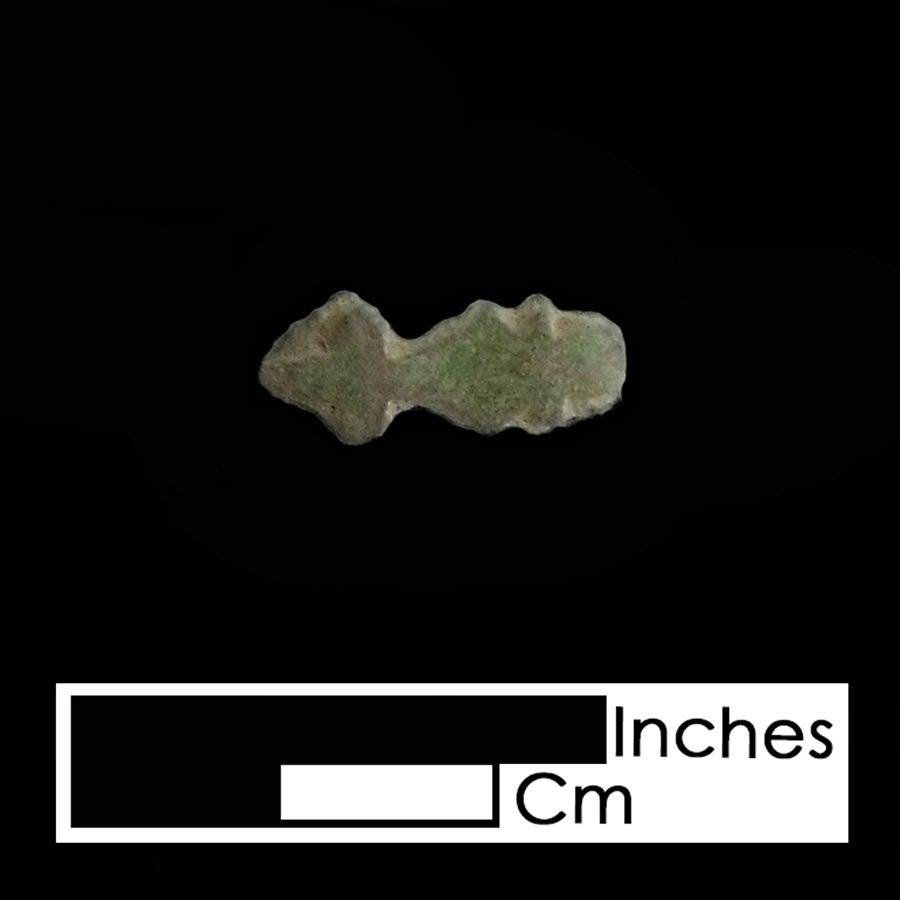
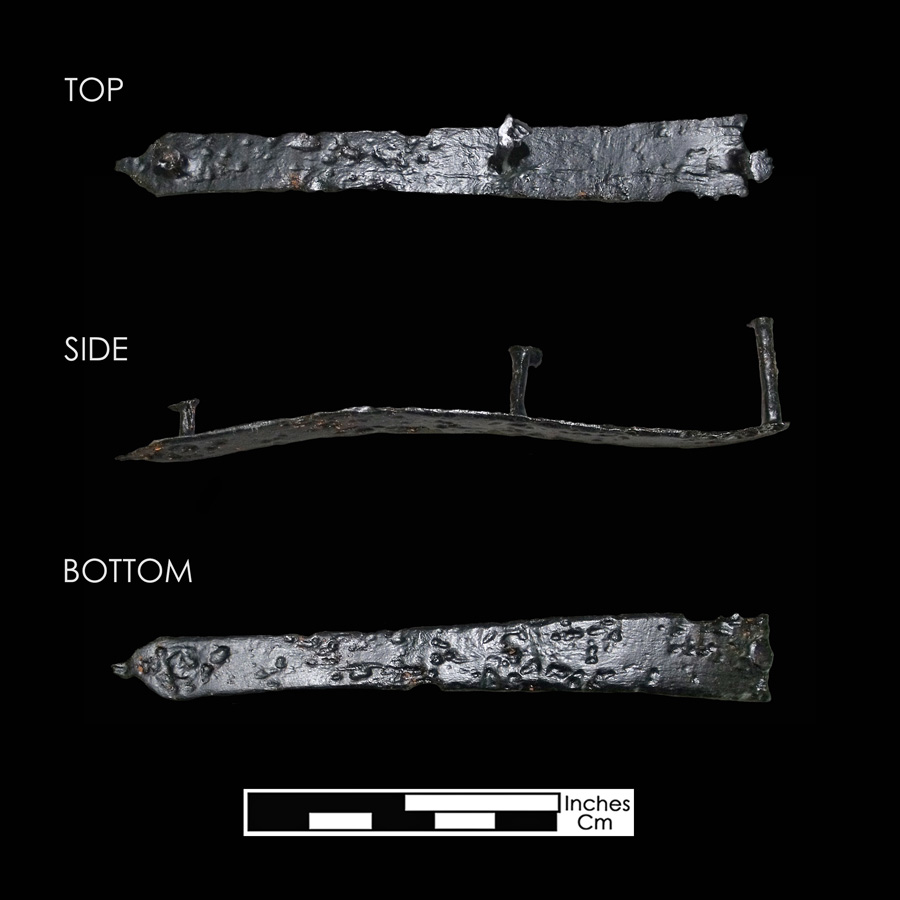
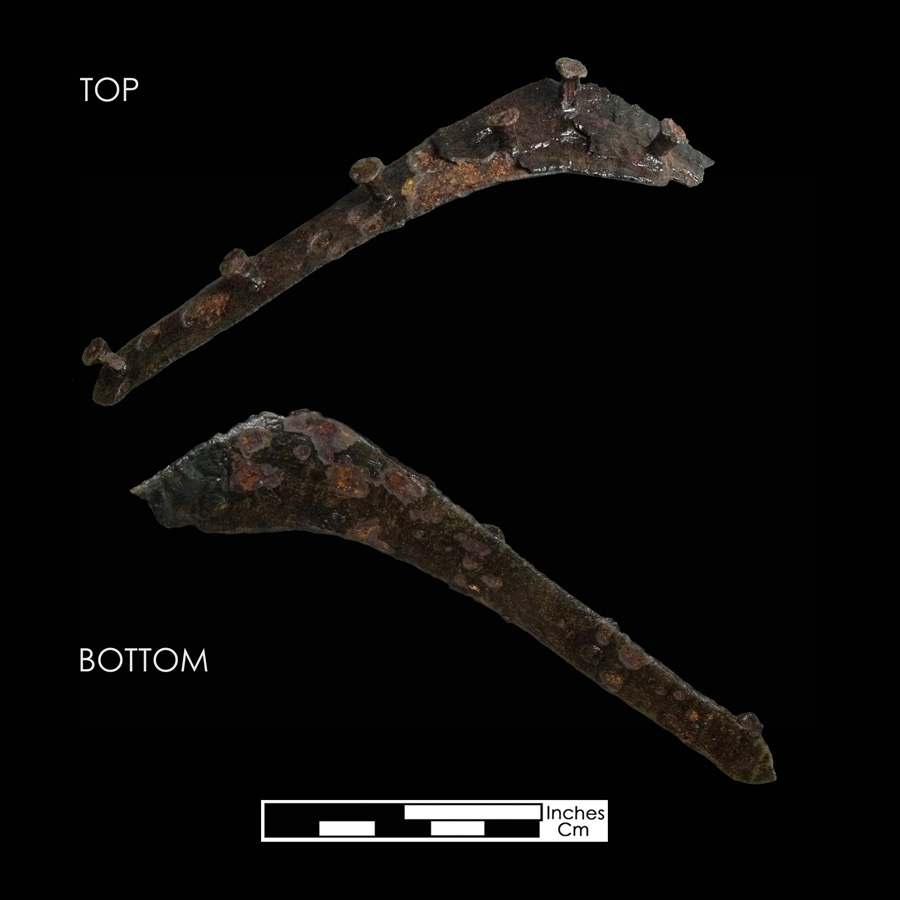
In addition to artifacts associated with domestic life, archaeologists found fragments of kiln debris--muffles, "loaves," and fire-cracked rocks, along with waster pipes, kiln furniture, and domestic ceramics re-used as kiln furniture. These artifacts provided evidence for the existence of the kiln. The discarded and waster pipes ranged in color from vivid pink to dark gray and some of these pipes were created from mixing clays. Some of the pipes contained Drue's maker's marks. Architectural materials recovered from the site include numerous burnt fragments of pan-shaped roofing tile and several small hand-wrought nails. The artifact assemblage suggests that a mixture of domestic activities and industry occurred at Swan Cove in the mid-17th century.
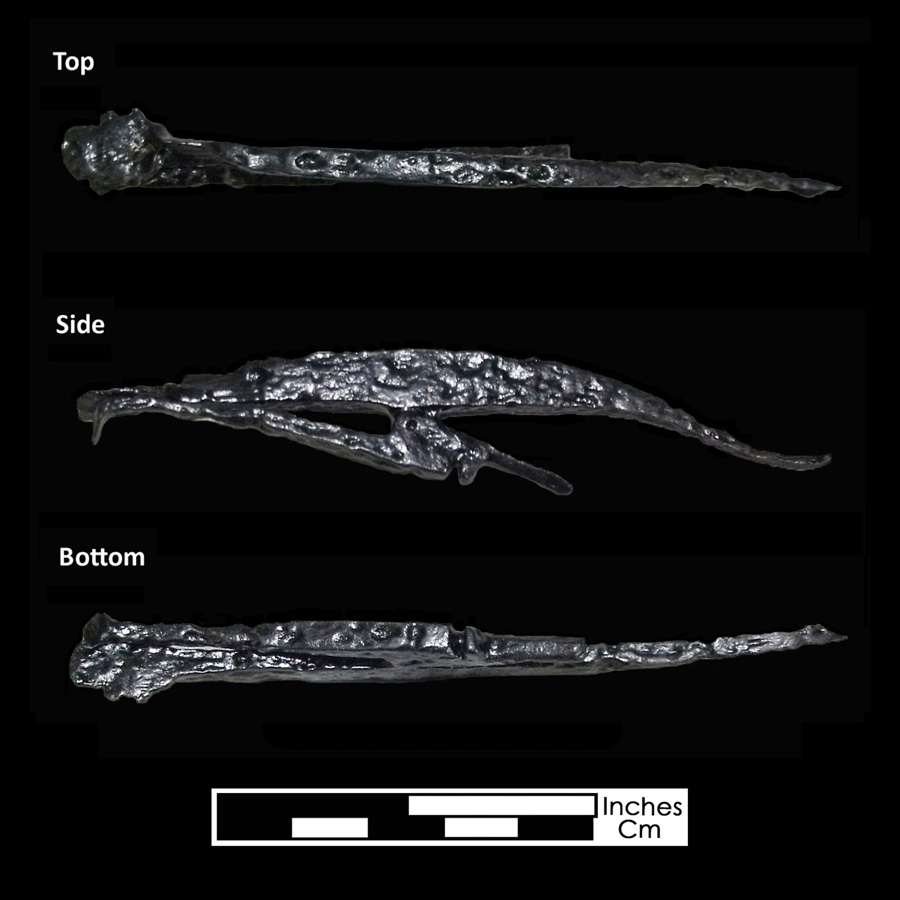
Excavations within the portion of the site believed to have been occupied by Merriday and his family located the remains of at least one post-in-the-ground building, including two trash-filled cellars. Lost Towns Project researchers excavated one post hole from that house, as well as the southeastern half of the northernmost cellar. This 6 ft. square cellar was excavated to its base at 4.5 feet below ground surface. Over 11,000 objects were recovered, including faunal materials, ceramics, and a large collection of iron artifacts. The presence of North Devon Sgrafitto and Manganese Mottled earthenwares in the deposit, along with the absence of later English Brown or White Salt-Glazed Stoneware, dates the deposit to the very close of the 17th century or the very early years of the 18th century. Additionally, the presence of sherds of low-fired indigenous earthenware suggests possible contact with nearby Native American traders.
The work conducted by the Lost Towns Project excavated 70 five-foot excavation units and identified 24 intact features. In 2004, the Archeological Society of Maryland Field School took place at the site in conjunction with the Maryland Historical Trust, The Anne Arundel County Trust for Preservation, and the Lost Towns Project. A complex of features, including two kiln debris and pipe-filled pits were recorded.
The 2005 Archeological Society of Maryland Field session focused on features associated with the occupations of Drue and Merriday. These features included two trash-filled clay borrow pits, as well as excavating the second half of a cellar dating from the Merriday occupation (first half excavated in 2001). Postholes associated with this dwelling house were also recorded during this fieldwork. Sixteen additional 5 × 5-foot square units were excavated to subsoil during this 2005 session.
The southern section of the site excavated and documented by Luckenbach, Cox, and Gadsby has shown that features there represent the "industrial" or manufacturing section of the site representing Emanuel Drue’s 17th-century tobacco pipe kiln. The northern section of the site, excavated during both the 2004 and 2005 ASM Field Sessions have proven to represent two different uses and periods of occupation. The complex of features, many not yet excavated, are large, and shallow, full of both kiln debris (kiln furniture, muffle and loaf) and some domestic artifacts (butchered animal bone, tablewares and serving ceramics).
To date, the Swan Cove site can be best summarized as the first documented early colonial period pipe kiln in the region, showing that tobacco pipe production was not always a "leisure activity" as suggested in the past, instead Drue's operation appears to be a protoindustrial undertaking based on English and European technology, materials, and skills.
References
2005 Annual Tyler Bastian field session in Maryland archeology: Swan Cove (18AN934). Hosted by the Archeological Society of Maryland, Inc. (Lost Towns Project) MHT # AN 823.
2006 The 2005 ASM Field Session: Excavations at Swan Cove (18AN934), September 16-25, 2005. (Lost Towns Project) MHT # AN 822.
2002 "Tobacco Pipe Manufacturing in Early Maryland: The Swan Cove Site (ca. 1660-1669)" in The Clay Tobacco Pipe in Anne Arundel County, MD (1650-1730). Anne Arundel County's Lost Towns Project.