Posey (18CH281)
Period of significance is c. 1650-1680.
Site History
The Posey site is a circa 1650 to 1680 settlement that was probably the year-round home of a small group of American Indians. The site is located near Mattawoman Creek aboard what is now the Naval Support Facility Indian Head. The individuals who lived there were most likely members of the Mattawoman petty chiefdom, a component group of the Piscataway Indians. Although not a large village, the Posey site affords archaeologists the opportunity to study how interaction with European colonists changed the material culture of Maryland’s Indians in the 17th century.
In 1636, Lord Baltimore awarded the property where Posey is located to Thomas Cornwallis who re-patented the parcel in 1654, but there is no evidence that Europeans were living there at the time. In fact, between in the 1660s and 1670s efforts were made to protect Indian land and Maryland's Provincial Council prohibited European settlement between the Mattawoman and Piscataway creeks. By the end of the 17th century, however, the European colonists had encroached on the area and were interested in convincing the Indians to allow English settlement and tobacco production. The Posey site seems to have been abandoned by about 1680.
Archaeology
The Posey site was first discovered in the early 1960s by Calvert Posey, a naval chemist who noticed artifacts exposed on the ground after the explosion and cleanup of a nitroglycerin manufacturing plant. Posey and some colleagues collected artifacts from the site, and Posey later wrote a small article proposing that it had been the location of the village of Matiwataquamend, which was visited by Captain John Smith in 1608.
The site was later revisited by William Barse during a 1985 Phase I of the Naval Support Facility Indian Head, and the Southern Maryland Regional Center, which conducted Phase II excavations in 1996. These studies concluded that Posey did not represent a large village, but instead a small hamlet that had at least one household. Disturbance at the site by plowing, erosion and Navy activities may mask the presence of other households, but it certainly was not home to more than a few families, and therefore is not a likely candidate for the location of Matiwataquamend.
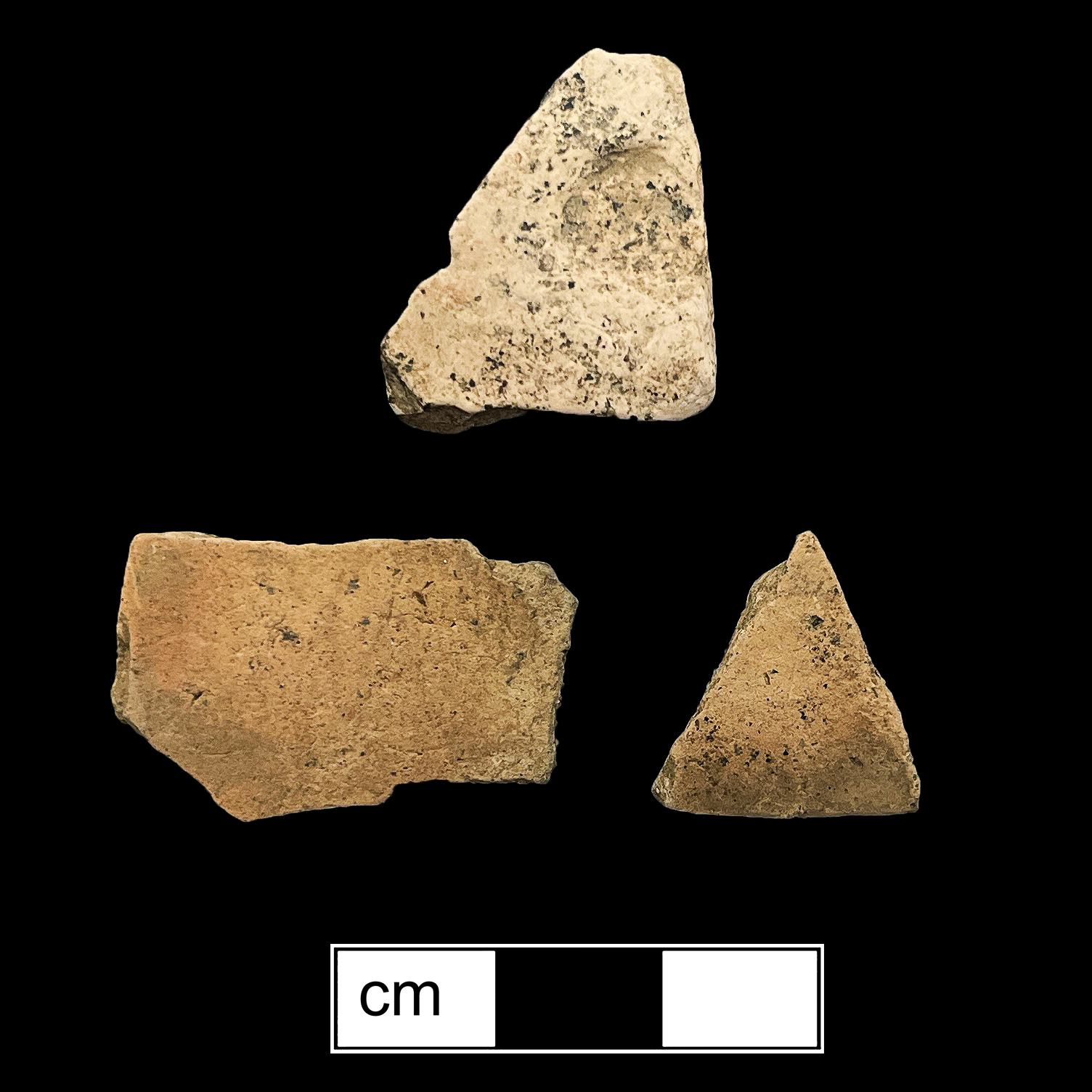
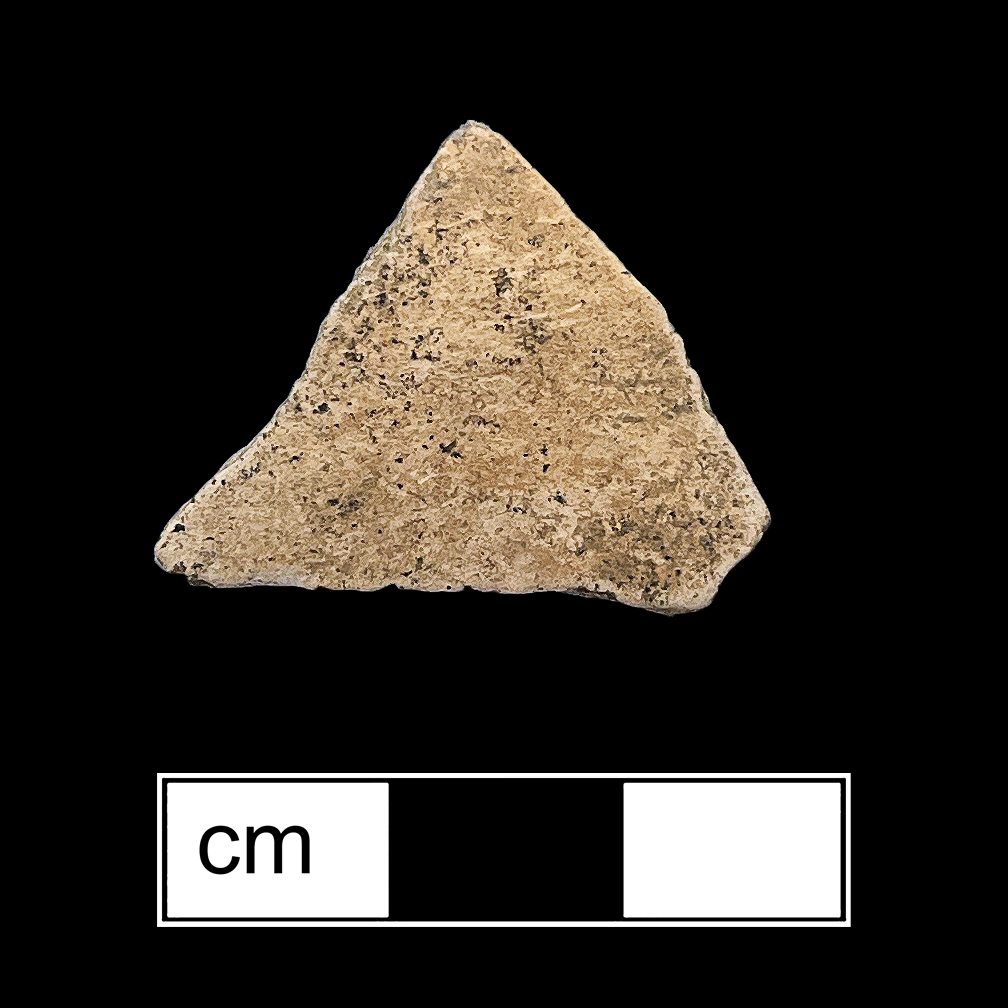
Artifacts recovered at the Posey site indicate that pottery and shell beads were being made there for personal use, and possibly also as goods for trade with the Europeans who lived in the surrounding area. The people who lived at the Posey site had access to a global trade network when interacting with the colonists. Stoneware ceramics from Germany, glass beads from Italy, tin-glazed ceramics from the Netherlands, and utilitarian ceramics from England were regularly shipped to Maryland by the 1650s, and these types of artifacts were recovered at the Posey site. Though Posey’s inhabitants certainly did not abandon their traditional practices of pottery-making, shell bead work, and stone-tool usage, the introduction of European goods expanded the range of materials they could incorporate into these practices. For example, metal tools could be used to drill the tiny holes needed for shell beads, and decorations might be applied to clay pipes with metal stamps. Perhaps the most striking example of material culture change at Posey, however, is the appearance of projectile points made from copper as opposed to stone, as well as musket balls and gunflints.
Archaeological collections from the 1985 and 1996 excavations at Posey are owned by the Naval Support Activity South Potomac, and curated at the Maryland Archaeological Conservation Laboratory.
References
For more information:
http://www.chesapeakearchaeology.org/SiteSummaries/PoseySummary.htm
1985 A Preliminary Archaeological Reconnaissance Survey of the Naval Ordnance Station, Indian Head, Maryland, Volume I: Cornwallis Neck, Bullitt Neck and Thoroughfare Island. Draft report prepared for the Department of the Navy, Chesapeake Division, Naval Facilities Command.
1997 Pollen Study of Two Sediment Cores from Mattawoman Creek, Maryland. Prepared for the Department of Research, Jefferson Patterson Park and Museum, St. Leonard.
1999 Archaeological Investigations at the Posey Site (18CH281) and 18CH282, Indian Head Division, Naval Surface Warfare Center, Charles County, Maryland. Draft manuscript on file, Maryland Archaeological Conservation Laboratory, Jefferson Patterson Park and Museum, St. Leonard.
1998 Analysis of Faunal Remains from the Posey Site (18CH281). Prepared for the Department of Research, Jefferson Patterson Park and Museum, St. Leonard.
n.d. Matiwataquamend: An Indian Village on the Indian Head Peninsula of the Mattawoman Creek. Ms. on file, Maryland Archaeological Conservation Laboratory, Jefferson Patterson Park and Museum, St. Leonard.
Associated Artifacts
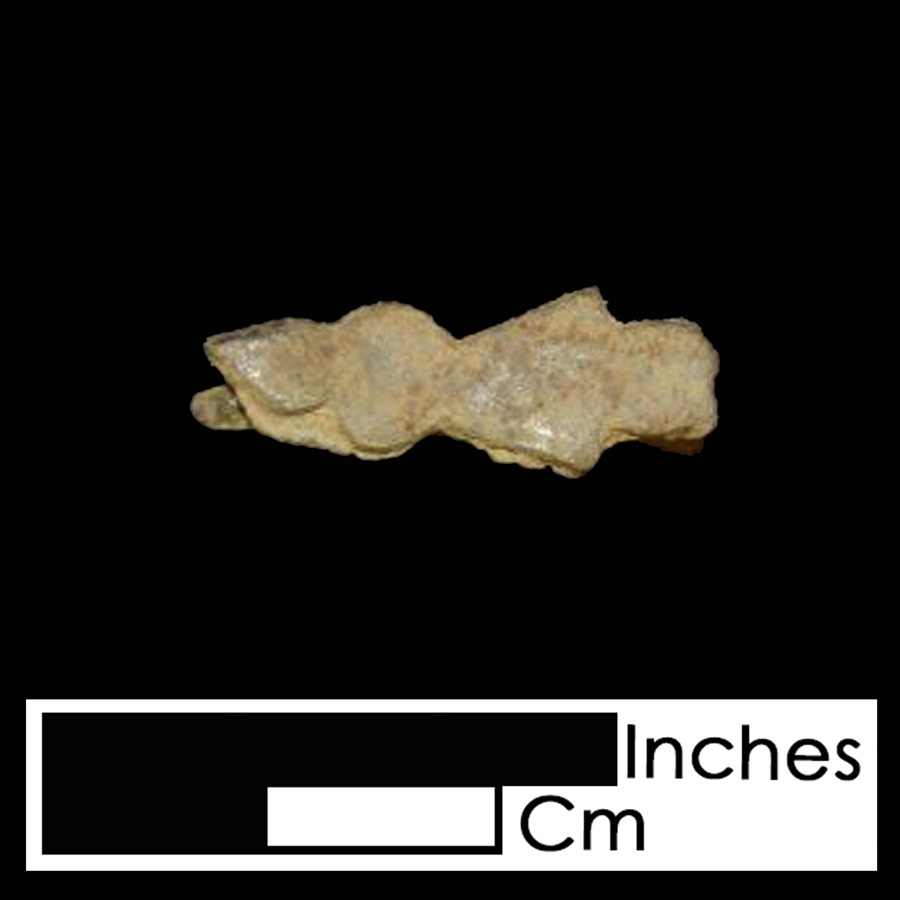
Colonoware
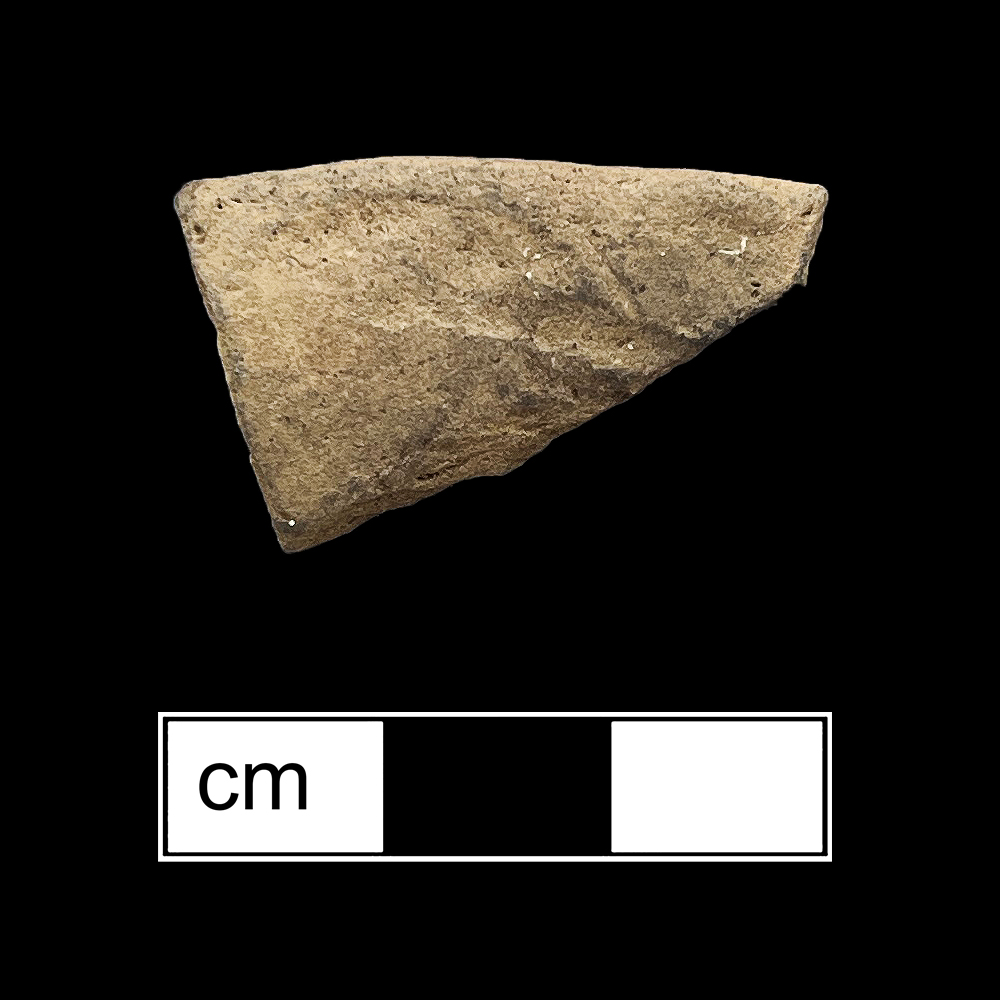
Colonoware
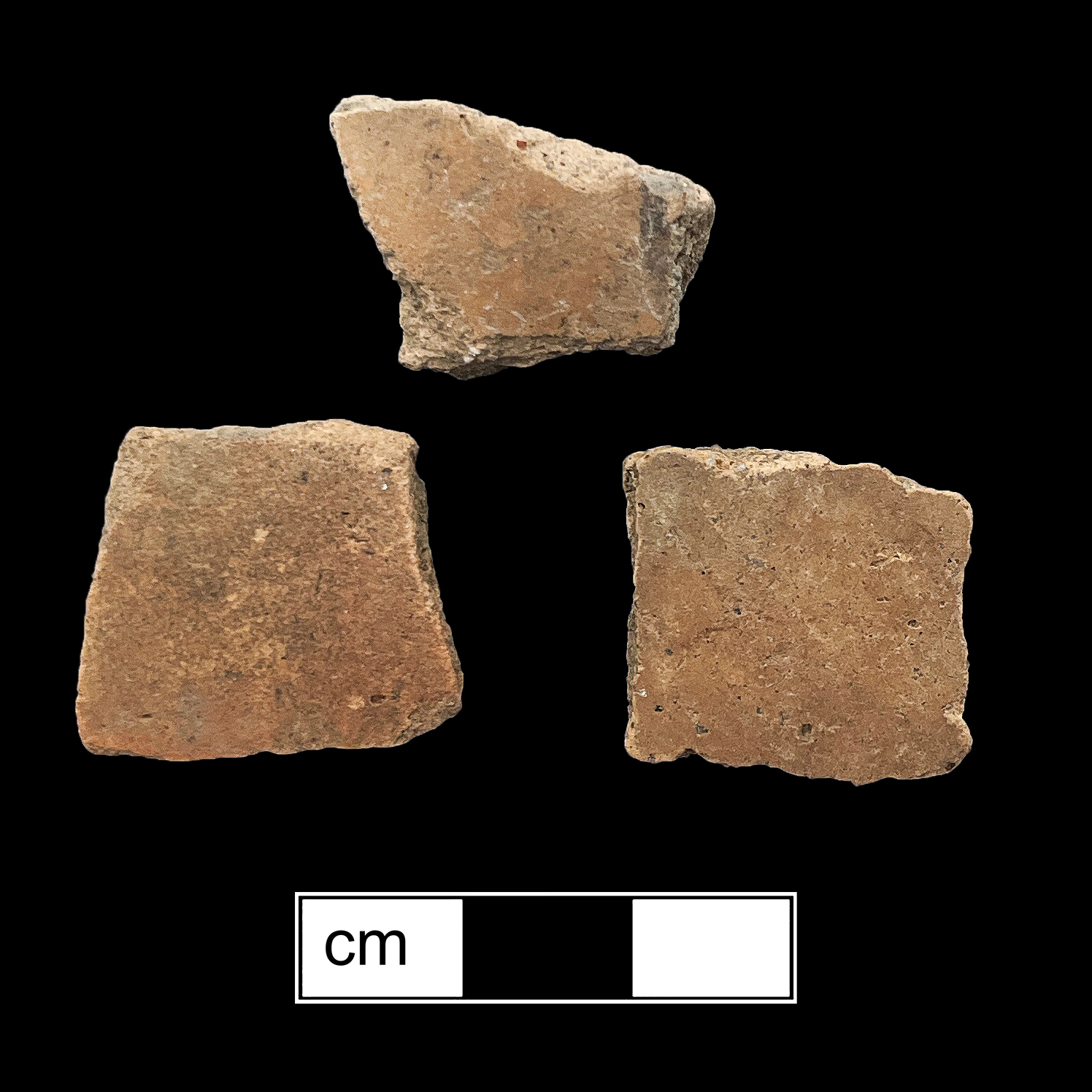
Colonoware