Popes Creek (18CH74)
Site History
The Popes Creek site (18CH92) is an Early Archaic to Late Woodland shell midden with a Middle Woodland concentration located on the Potomac River in Charles County, Maryland. The site is also the location of a late 19th-century lime kiln. In the 1870s and 80s, lime kilns were built to burn the shell from the midden. A railway line was built to haul the burned lime away.
Archaeological Investigations
The site was mined by lime burners in the 1870s and 1880s. Many collectors have visited the site since that time, including Fowke, McGuire, Howard, Dinwiddie and Dowling, Morris, and Hruschka.
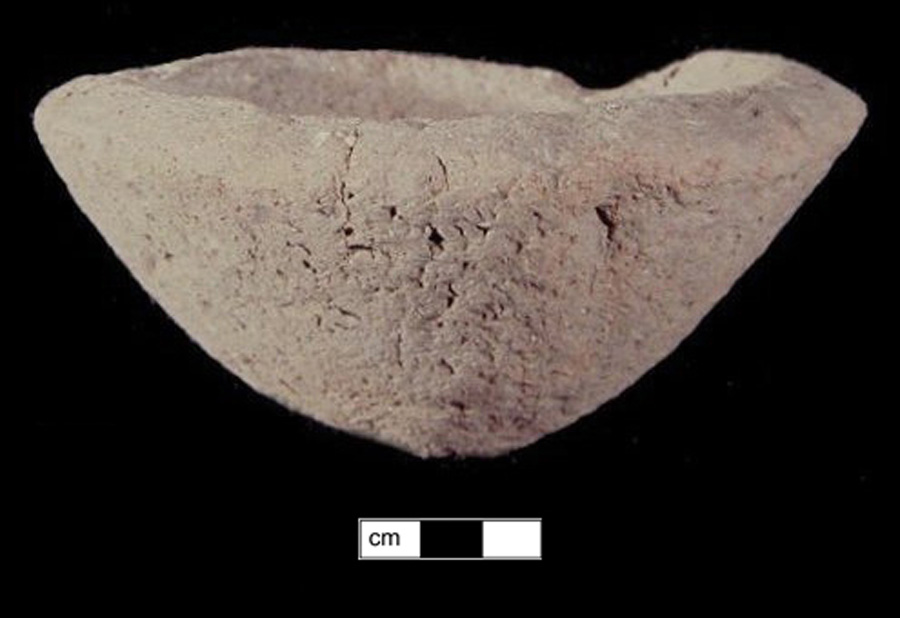
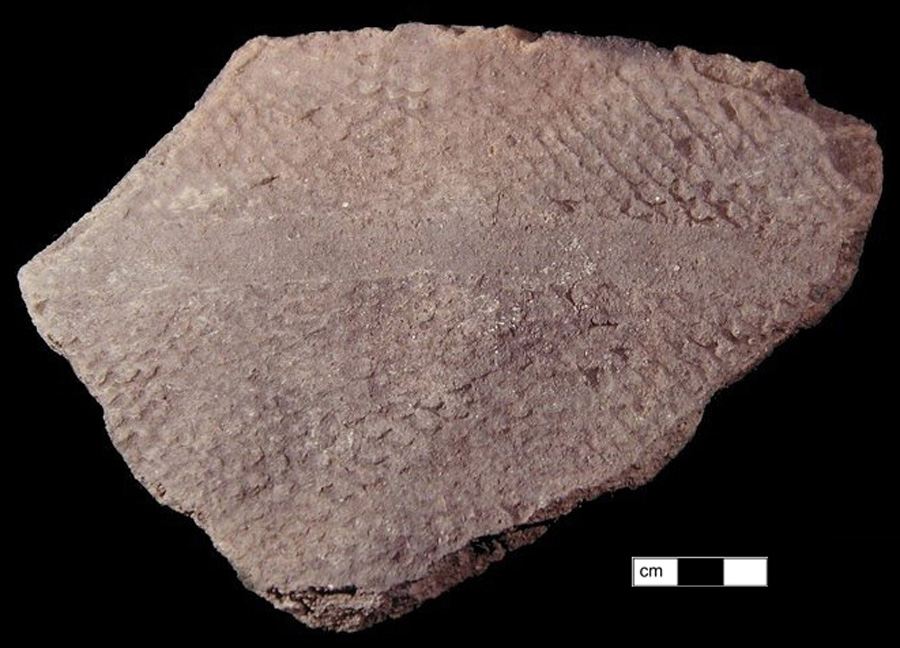
Ethnologist and botanist Elmer R. Reynolds' 1884 memoir describes a shell mound on Popes Creek. Reynolds (1889) estimated that the northern midden was once 14 acres in extent and 20 to 25 feet in height. In the 1880s, Reynolds and Smithsonian archaeologist William Henry Holmes collected artifacts from the excavations of the lime workers. Artifacts collected by Holmes and Reynolds included points, axes, celts, hammerstones, ceramics, fragments of gorgets, pendants, ornamented clay pipe, and other clay pipe fragments, steatite pipe fragment, and a possible net-sinker. Diagnostic artifacts were mainly Middle Woodland, with some Late Archaic and possibly Early Woodland as well. The pottery is almost entirely the classic Popes Creek ware, in contrast to that from Loyola Retreat where early and late types also occur with some regularity.
McNett and Gardiner feel that the Popes Creek component represents a migration into the area of a riverine oriented culture which followed a seasonal round and apparently entered the Potomac valley from the Patuxent, traveling overland the short distance from the Zekiah Swamp.
In 1985, archaeologists with the Maryland Geological Survey and the Archeological Society of Maryland excavated 47 1 × 1m contiguous excavation units in two areas of the upper terrace. After topsoil was removed, the shell midden was excavated in arbitrary 10cm levels until natural stratigraphy could be established, at which point, units were excavated by natural levels where this could be determined. These excavations on the upper terrace recovered 12 projectile points, including 1 stemmed, 2 Holmes, and 1 Calvert.
The ASM radiocarbon age on the oyster shell from the base of the North Popes Creek site was 4717+26. This makes it the earliest confirmed shell midden date for the Potomac tidewater region and is consistent with early shell midden dates for north of the Chester River on the Eastern Shore of the Chesapeake Bay.
References
1907 "Aboriginal Shell-Heaps of the Middle Atlantic Tidewater Region." American Anthropologist, 9:1:113-128. MHT # MD 97.
1971 "Shell Middens of the Potomac Coastal Plain" Proceedings of the Mid-Atlantic Archeological Conference, pp. 21-29.
1999 A report on 1985 Excavations at the Popes Creek West Site. MHT # CH 87.
Associated Artifacts
Popes Creek
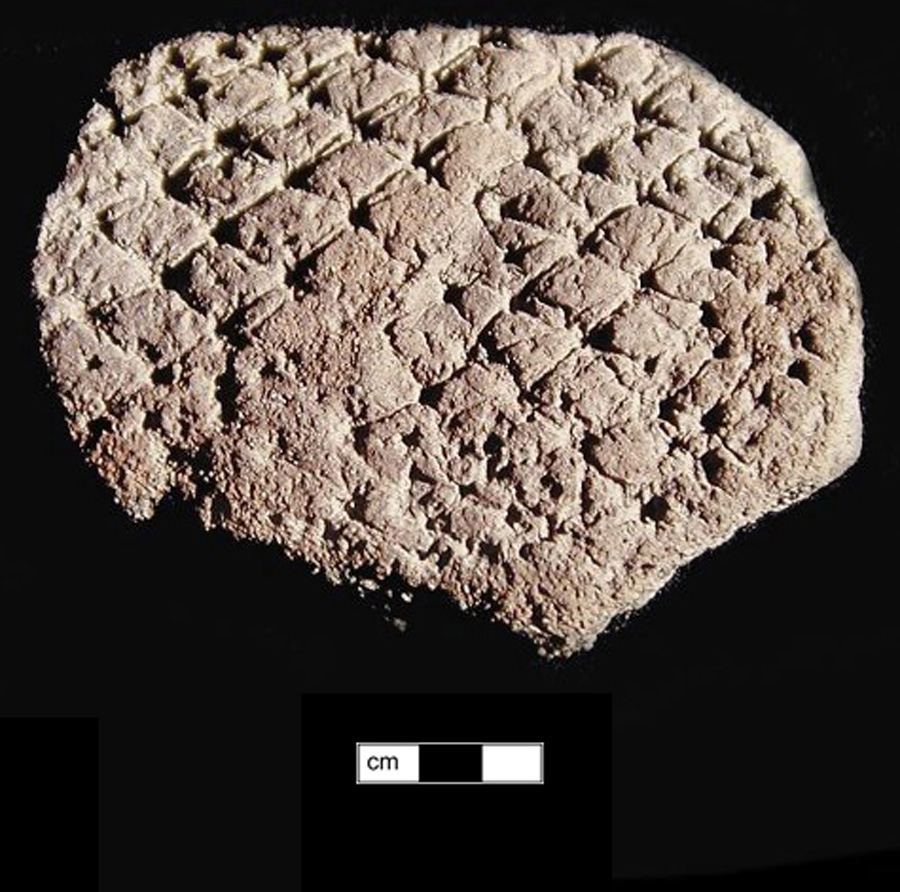
Popes Creek
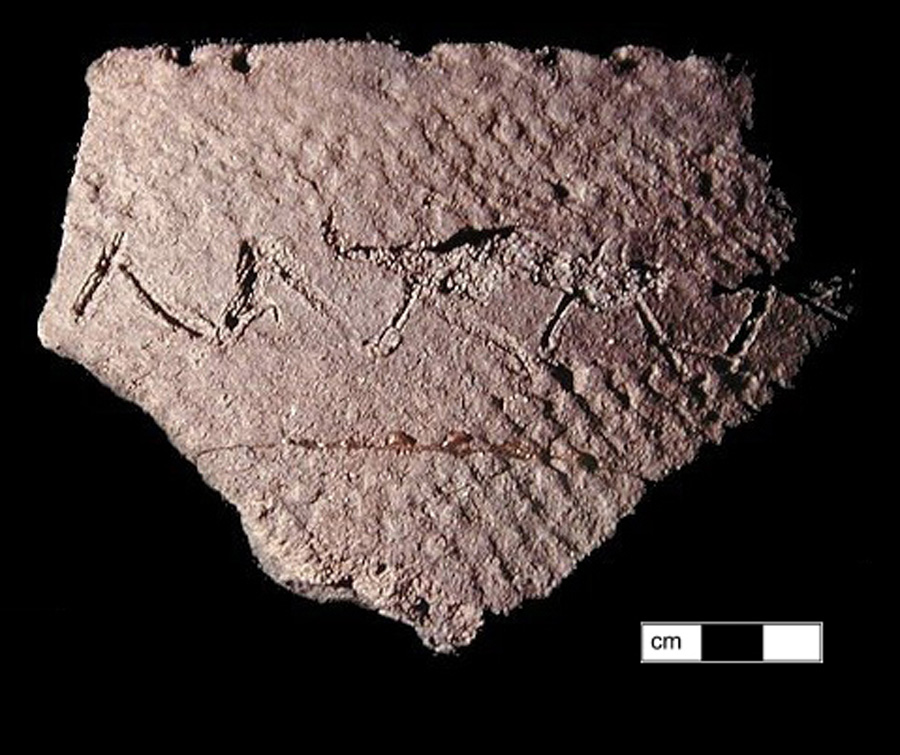
Popes Creek