Windy Knoll/Zekiah Fort (18CH808)
Site History
The Windy Knoll site (18CH808) is a late 17th-century Piscataway Indian fortified settlement known as Zekiah Fort. The site also contains a mid-19th century domestic occupation. The site is located east of Jordan Swamp off of Route 5 in Charles County, Maryland.
The Zekiah Fort, as it is commonly called, was the property Charles Calvert, third Lord Baltimore, directed the Piscataway Indians to during a period of significant unrest along Maryland's 17th-century frontier. The Piscataway, who before their move to Zekiah had been living closer to the Potomac in the vicinity of Piscataway Creek, were under increasing pressure from Seneca and Susquehannock groups to the north. Raids were increasingly common. Lord Baltimore had at first encouraged the Piscataway to relocate to the Eastern Shore, but when they refused to go, the proprietor directed them into the Zekiah Swamp. In June 1680, the Piscataway moved into the swamp, where they built a fort and appear to have lived for as many as 10 or 12 years before abandoning their settlement there.
A 1713 deed of the property described the land as being an "old Indian field." During the recording of the 1798 Federal Direct Tax of Charles County, the property was in possession by the Charles County Sheriff, Thomas A. Dyson. Dyson is listed within the tax record as being in possession of a property referred to as "Indian Town."
Archaeological Investigations
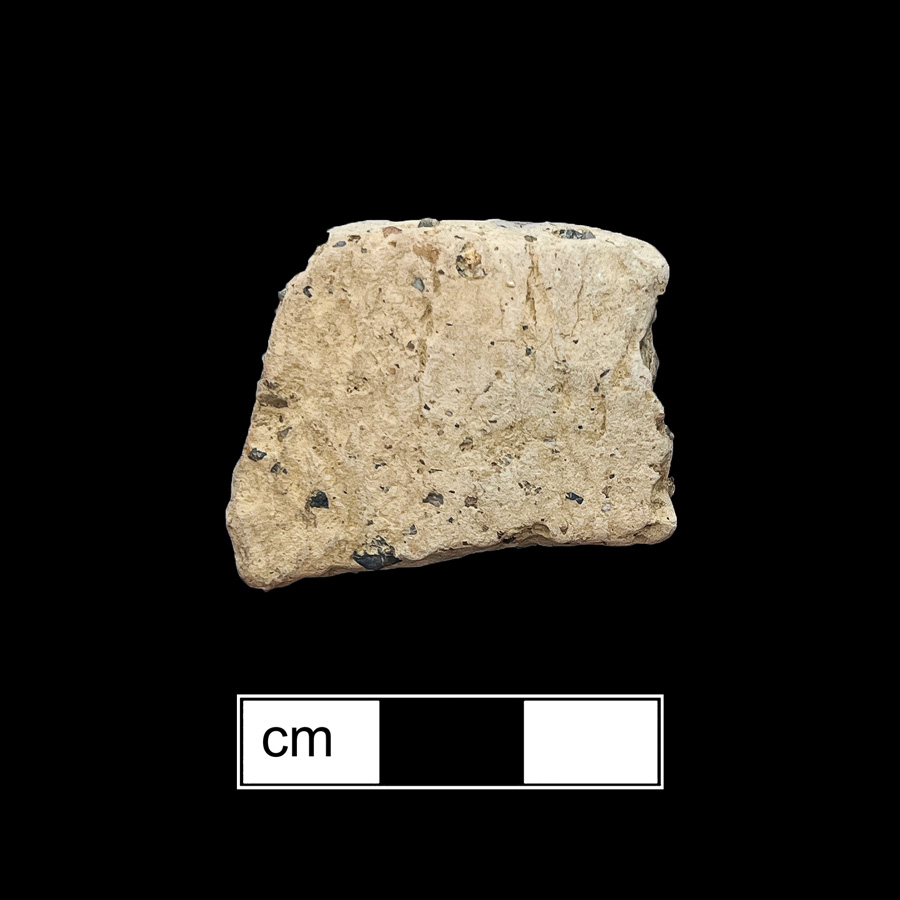
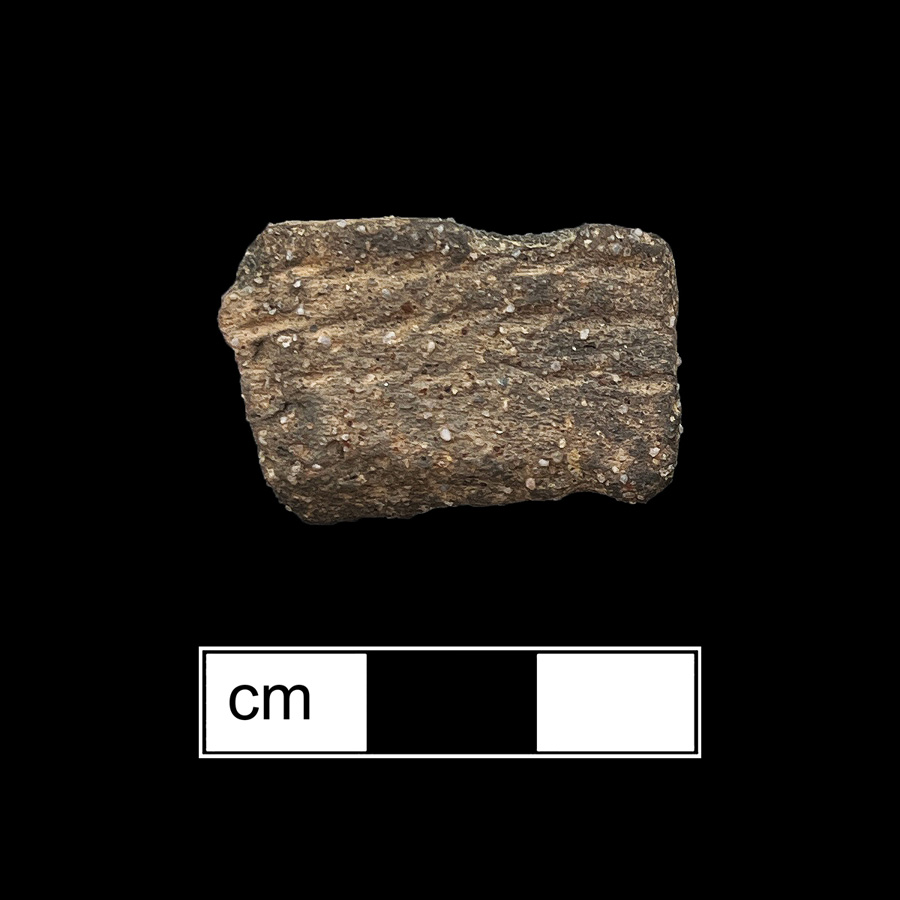
During February 2011, a Phase I archaeological survey of parcels located near Waldorf, Maryland, was conducted in an effort to identify any 17th-century sites, and to specifically explore the possibility that any sites may be a Piscataway settlement known as Zekiah Fort. The site was identified through the excavation of 1,362 shovel tests. Diagnostic artifacts from the site include Potomac Creek pottery, glass beads, and large bore white clay tobacco pipes as well as an Indian made red clay tobacco pipe. The most common lithic material found at the site are fragments of European flint, including what is likely French gunflint.
Phase II testing began in May 2011, when 46 test units were excavated. Most of the five-by-five-foot units (n=42) were excavated on top of the hill in checker-board formation stretching north to south. Archival research in addition to the recovery of Potomac Creek, English brown, and other ceramics, flint debitage, gunflints, lead shot, glass beads, and animal bone suggest that Windy Knolls I is the location of the Zekiah Fort.
However, despite the excavation of 42 test units in an area predicted to contain the fort, little was found that indicates the traces of a palisade or other type of fortification. Indeed, few features were found that could conclusively be identified as 17th-century in date. Seventeenth-century features at the Posey site on Mattawoman Creek, however, were similarly difficult to identify, and perhaps what this assemblage does suggest is that notions of what a fort may have looked like are not fully formed. Indeed, the existence of a literal fortification where people could gather and take a defensive position appears clear in the archives concerning Zekiah Fort. By 1682, however, there are virtually no reports of attacks or other depredations at the settlement. Nonetheless, at least some of the Piscataway remained in this area into the 1690s. But while the material culture on the knoll top contains a large number of prestige goods -- brass, glass beads, bone from animal meat, and gun-related artifacts -- the sheer numbers of artifacts are relatively small (almost 12,000) when compared with the slightly earlier settlements at the Posey site (18CH281) and the Camden site (44CE3). For these reasons, the settlement on the knoll top is interpreted as probably the fortified residence of the tayac and his household. Families living nearby could come to the fort in times of alarm and if circumstances warranted.
In addition to the colonial site, materials dating to the 19th century were also recovered both at the top and base of the hill along an unnamed tributary of Piney Branch.
References
2012 "...a place now known unto them:" The Search for Zekiah Fort. (St. Mary's College of Maryland) MHT # CH 173.
2016 The Search for Zekiah Fort: Tracing Piscataway History on the Ground. (St. Mary's College of Maryland) MHT # CH 230.
Associated Artifacts
Moyaone