Swann Farm (18CV40)
Site History
The Swann Farm site (18CV40) consists of a late 17th to early 19th-century farmstead, with an overlapping prehistoric artifact scatter already designated with another site number (18CV4). 18CV40 was located adjacent to a small ravine that cut down to a terrace on the Patuxent River, making the ravine an ideal location for a dock or landing. Tyler Bastian identified the site as that of Tasker mansion, sometimes known as the Sunderland Place. Tasker was a planter, merchant, and important political figure in early Calvert County who owned a plantation along the Patuxent River twenty miles south of Annapolis. The assemblage is indeed consistent with a plantation or another type of large, domestic site, likely with multiple buildings, and a long occupation. More archival research, especially deed research, is necessary before the site can be definitely assigned to Tasker.
Archaeological Investigations
In the fall of 1978, Leland Gilsen attempted to relocate site 18CV4, discovering that it had originally been mis-mapped a mile or so to the south. The landowner of Swann Farm plowed his field and allowed Gilsen to collect artifacts from five transects. Instead of a prehistoric site, he found a very early historic site mixed with some prehistoric debitage. The historic material occurred in at least three discrete pockets of black organic midden and produced hundreds of clay pipe fragments, Rhenish stoneware, tin glaze earthenware, faunal bone, and wine bottle fragments. The flake material increased in density to the north, so Gilsen was able to re-locate 18CV4. Gilsen recorded the early historic site as 18CV40, Swann Farm I.
The ceramics indicated a 1680 to 1750 major occupation with a small amount of material dating from 1750 to 1830.
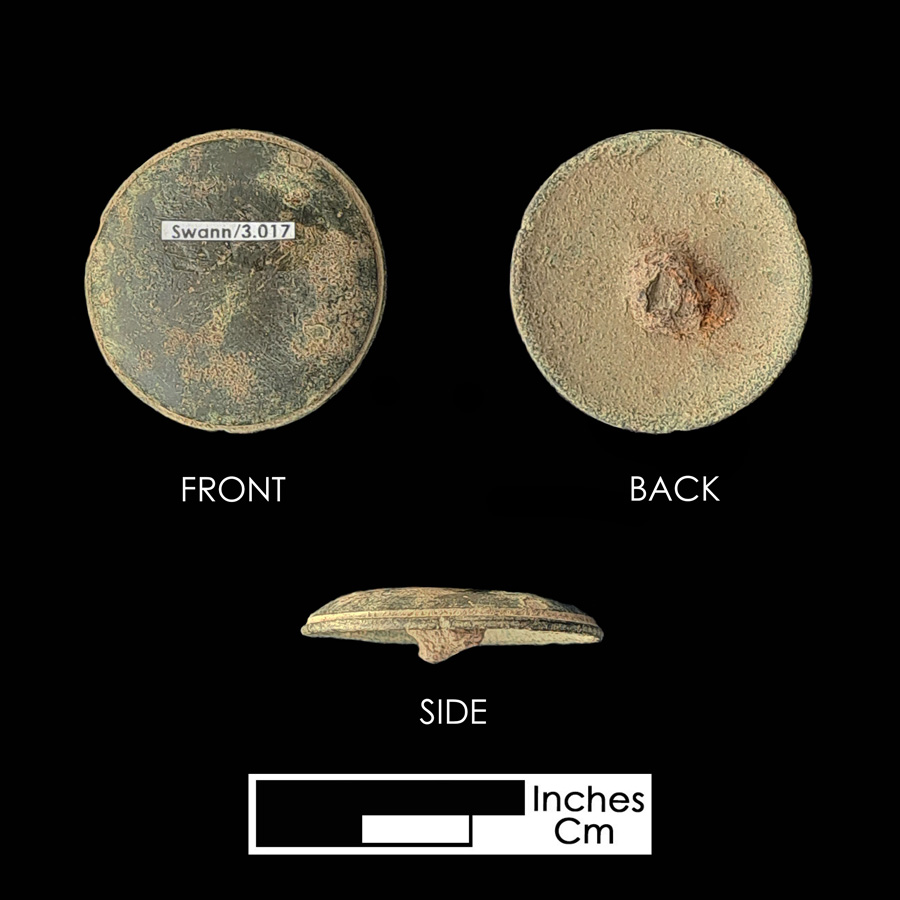
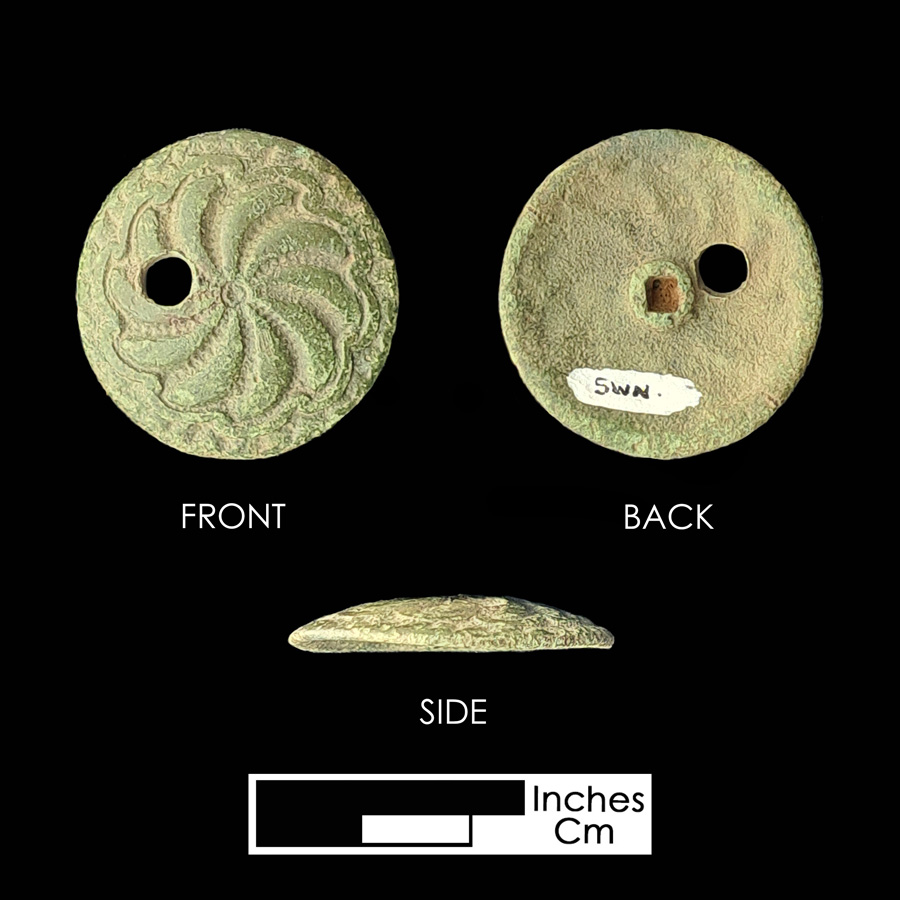
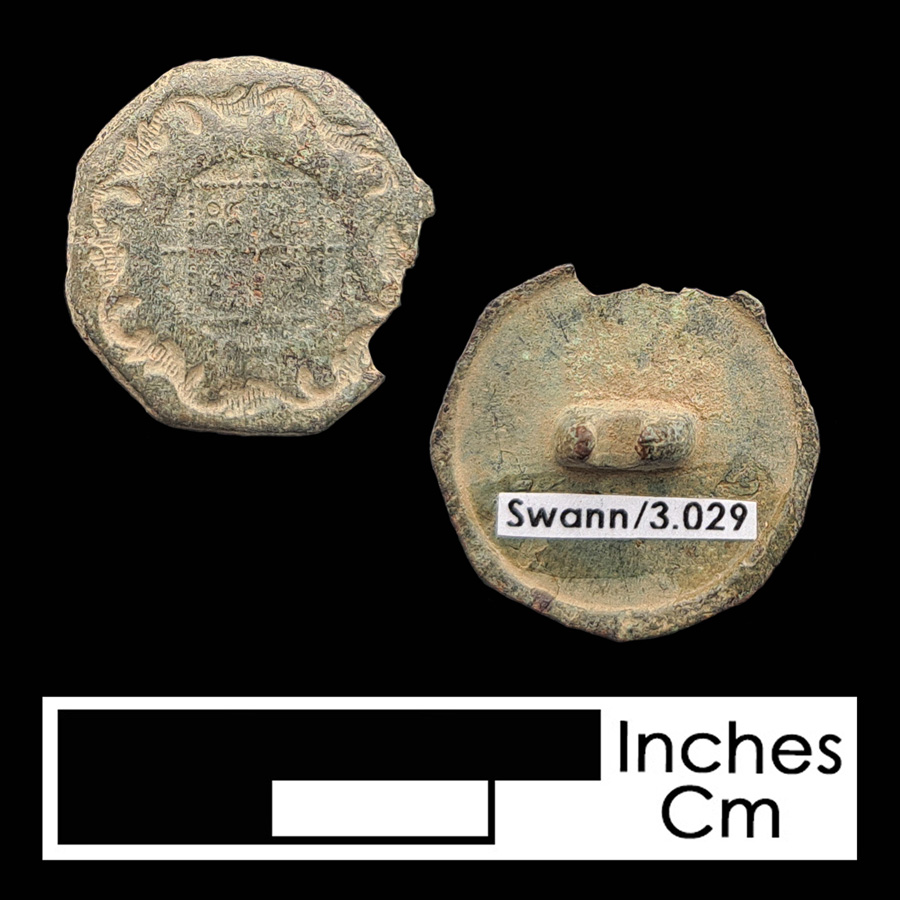
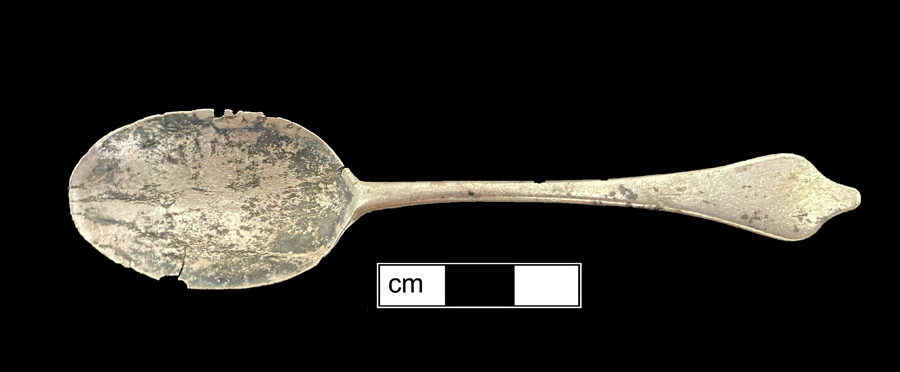
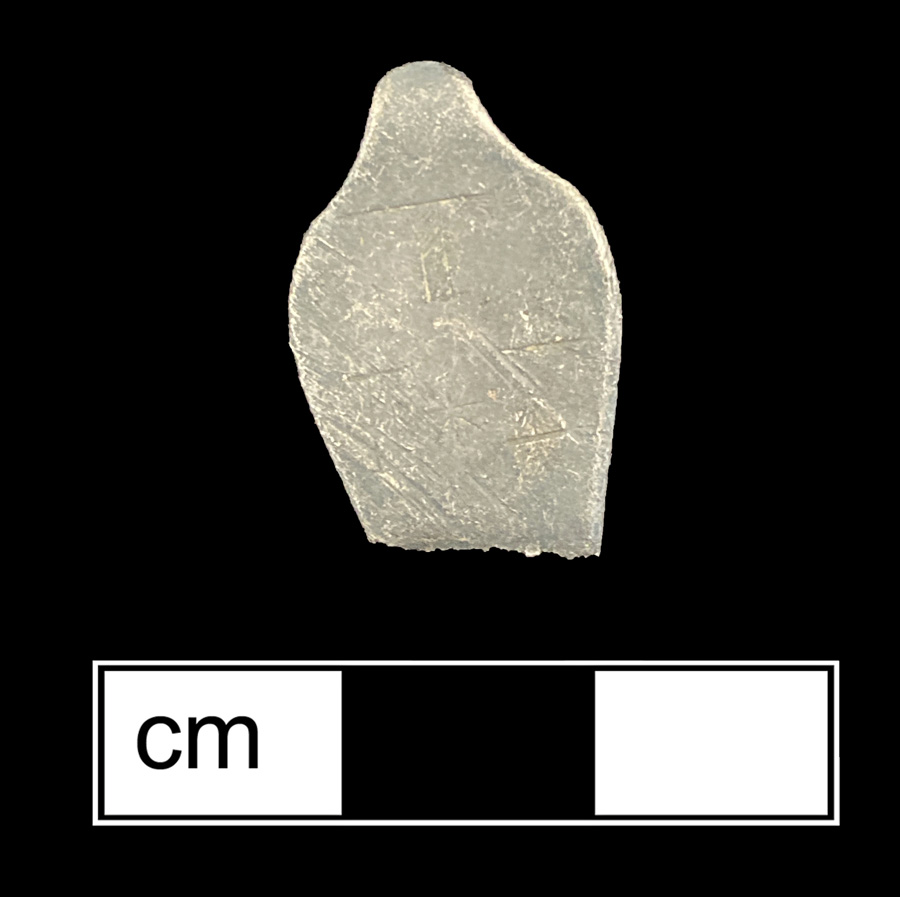
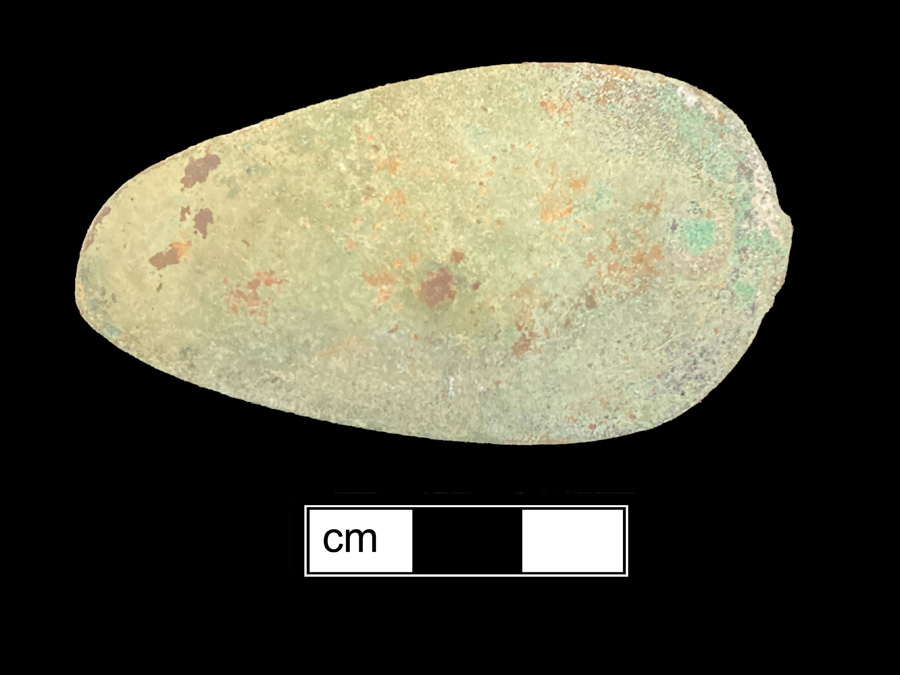
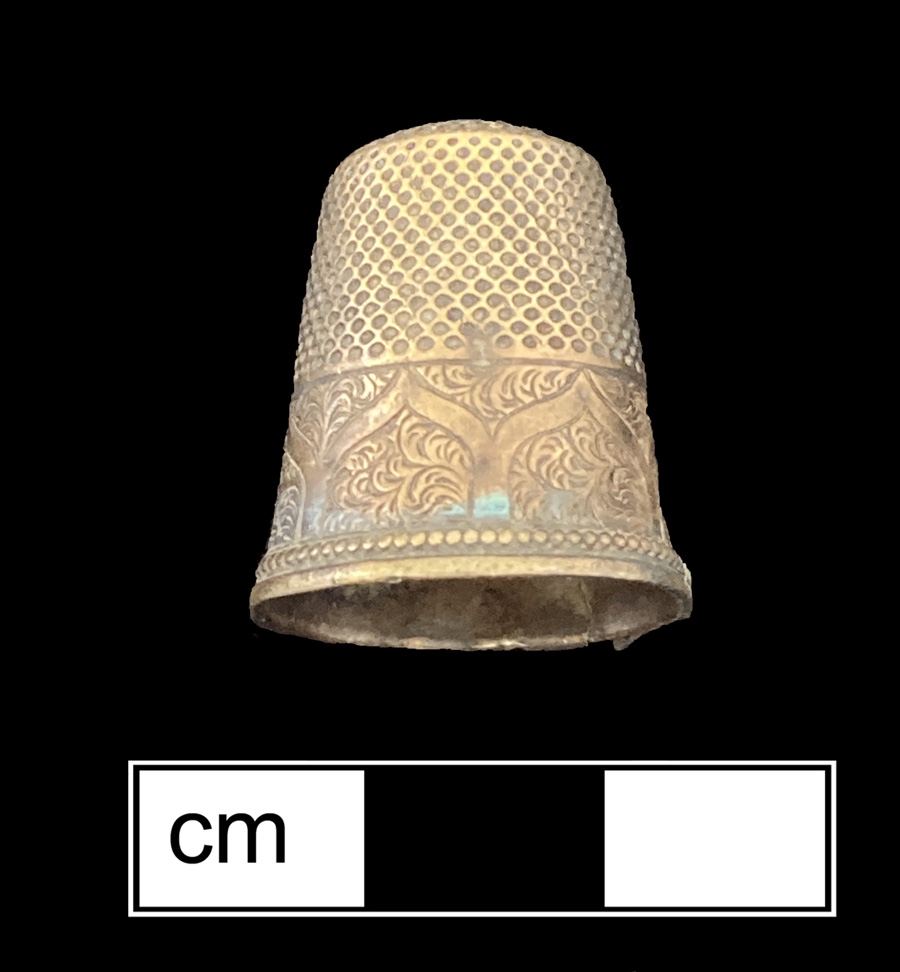
This site had been collected by avocation archaeologist Bob Ogle for many years. Over the course of his career as a professional road surveyor, Ogle meticulously collected, separated, and labeled artifacts from sites across Southern Maryland and the broader region, including artifacts from this site. While he mostly surface collected the Swann site, he did excavations in 1990 that exposed a brick foundation and went partly into a pit feature, possibly a cellar. Archaeologists at Jefferson Patterson Park and Museum assessed Ogle’s large collection from the site and accompanying field notes in 2000. Ogle's collection included a German gold coin dated 1647, a James II copper coin dated 1689, glass beads (many 17th century), pins, buttons (1 pewter w/stamped portrait), buckles, copper-alloy leather ornaments, straight pins, thimbles, a comb fragment, furniture tacks, spoons, knives, gunflints, lead shot, spurs, horse bosses, tobacco pipes, as well as a full range of imported ceramics from the 17th and 18th centuries.
In 2020, Anne Arundel County was awarded an MHT non-capital grant to process and catalog artifacts from the Robert Ogle collection, which was donated to the County in 2009. Ogle's "Swann" collection is massive: 55,553 artifacts comprising over 35 boxes of a wide range of native and 17th-20th-century material. Ogle's "Swann" site was a series of farm fields owned by the Swann family along the Patuxent River, both north and just south of Swan Lane near Lower Marlboro/Owings. Today, Ogle's "Swann" site is the combination of six sites: 18CV4, 18CV40, 18CV41, 18CV42, 18CV43, and 18CV472. Except for a small number of artifacts that were stored with tags attributing them to 18CV40, most of the artifacts from Swann were not stored with provenience information more specific than "Swann," meaning that they cannot assigned to one specific site or a location within a site. Therefore, Ogle's "Swann site" refers to the area collected by Ogle which now encompasses 18CV4, 18CV40, 18CV41, 18CV42, 18CV43, and 18CV472.
References
2021 Enhancing the Ogle Archaeological collection from Central and Southern Maryland. 2 Volumes. Anne Arundel County Planning and Zoning Cultural Resources Section. (MHT # MD 198).