Smith Site (18CV92)
Site History
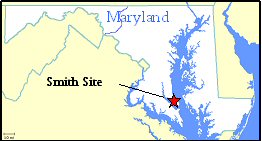
The Smith site was the c. 1660s-1690s home of Richard Smith Sr., the first Attorney General of Maryland. Smith owned a sizable parcel of land at the fork of the Patuxent River and St. Leonard Creek. His son inherited the property in 1689, but Richard Smith Jr. apparently chose to build a new plantation hub at King’s Reach rather than update the buildings his father had erected. The Smith site was abandoned for the most part in the 1690s, though the family cemetery there may have been used into the 18th century.
The site reverted to farmland until 1932 when Jefferson Patterson purchased the property and built a large farm complex directly over Smith’s former plantation center. Patterson’s farm buildings were then adapted for reuse as part of Jefferson Patterson Park & Museum in the 1990s.
Archaeology
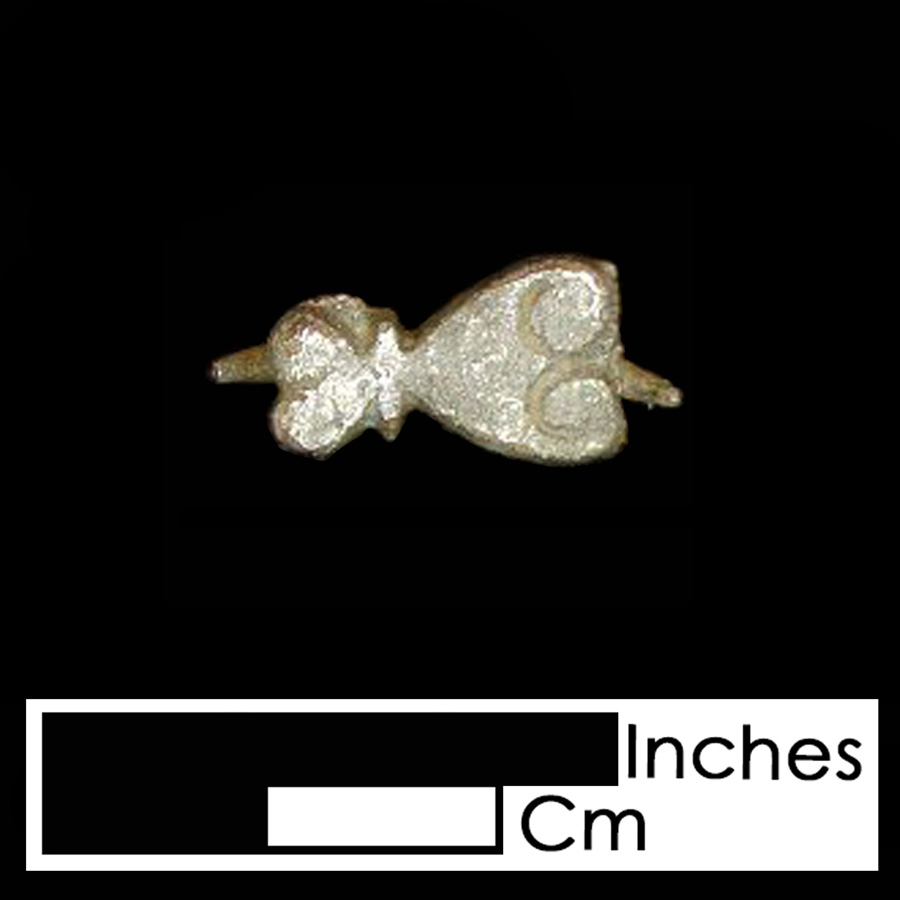
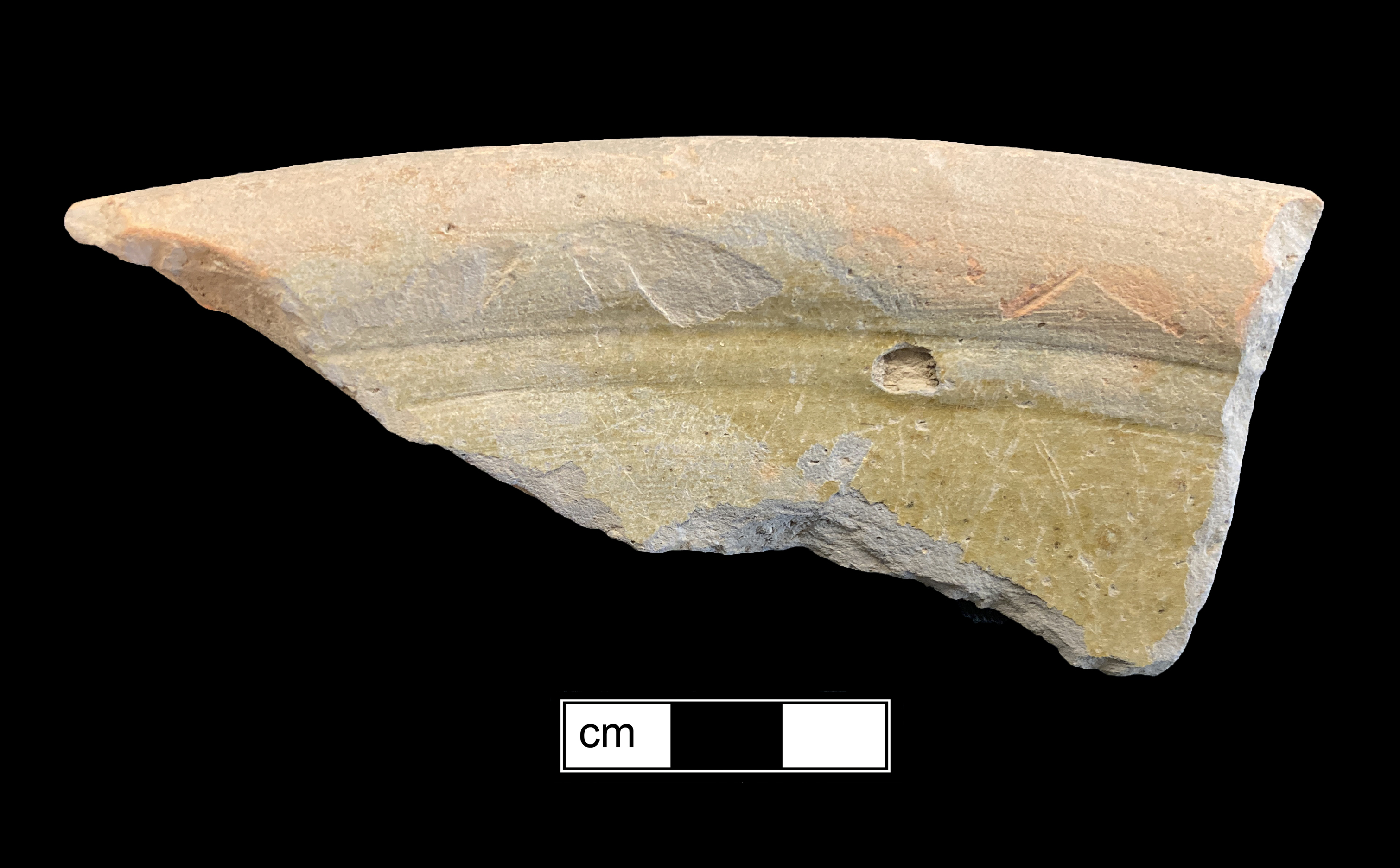
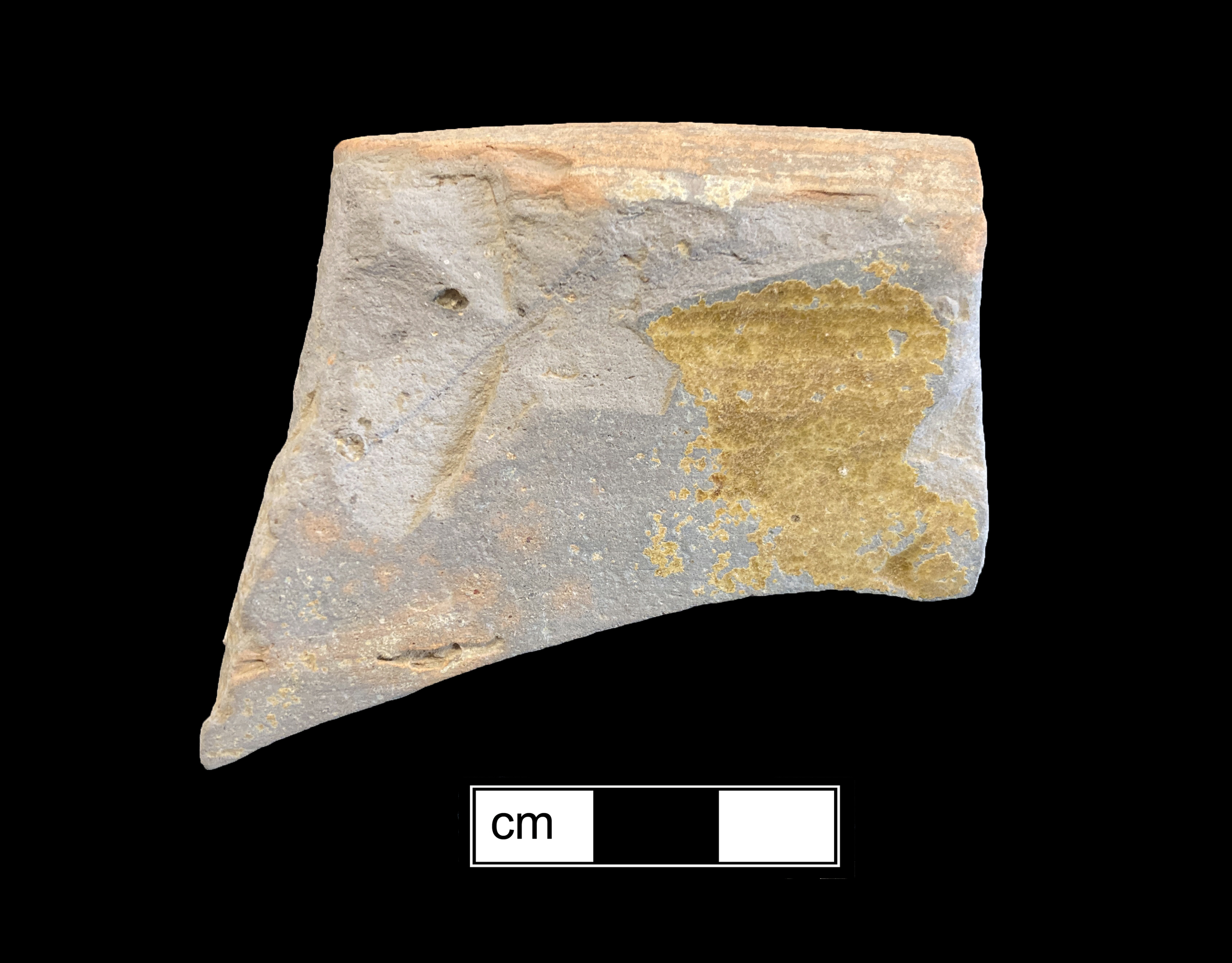
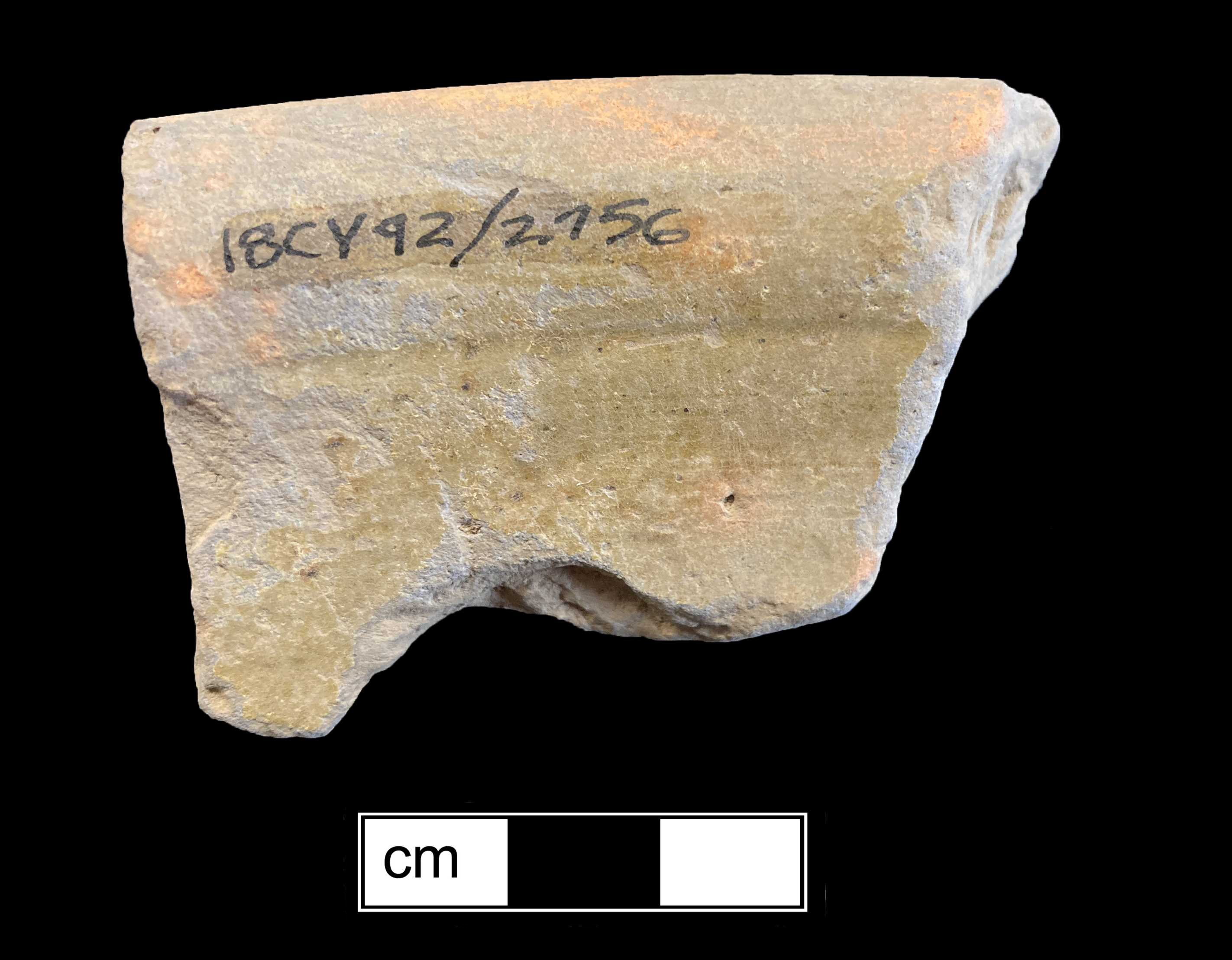
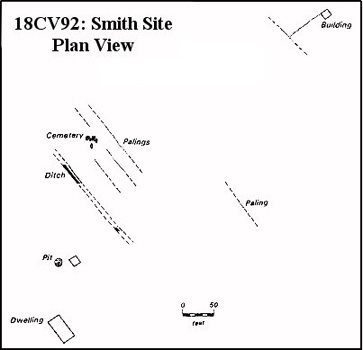
Archaeological investigations at the Smith site have consisted primarily of testing by Jefferson Patterson Park & Museum archaeologists to assess the impact of construction activities related to the rehabilitation of the 1930s farm center. An 18th century map that was discovered in a court case alerted archaeologists to the possibility that a cemetery was located in the path of construction. In 1991, a backhoe was used to trench through thick fill and map the Smith family cemetery, though the burials were not excavated. Shovel tests, trenches, and test units were also placed in other areas of the site in advance of building renovation. These excavations identified paling ditches, post holes/molds, a 17th-century pit feature, and an artifact concentration that most likely indicates the approximate location of Smith’s dwelling.
References
2000 Sites & Insights: Archaeological Discoveries at the Jefferson Patterson Park & Museum. Jefferson Patterson Park & Museum Studies In Archaeology No. 2.
The Smith Site archaeological collection is owned by the Maryland Historical Trust and curated at the Maryland Archaeological Conservation Laboratory.