Kanawha Spring (18FR8)
Site History
The Kanawha Spring site (18FR8) is a Late Archaic, Terminal Archaic, and Middle Woodland short-term or base camp, and Late Woodland village or hamlet located near Kanawha Spring in Frederick County, Maryland. The site has been plowed, and test units revealed a plow layer and subsoil, except in one area where cultural debris extended 20 cm below plowzone, possibly in an accumulation of slope wash.
Archaeological Investigations
The site was first surface collected in the 1940s by William Kline. Avocational archaeologist Spencer Geasey and Kline conducted preliminary tests and excavation of a sinkhole on the site in the 1960s. Geasey reported the site to the Maryland Geological Survey in 1970. Between 1970 and 1972, the University of Maryland excavated part of the site and in 1973, it was the location of the ASM field session. Fieldwork included two 2 × 2 meter unit blocks and five 1 × 1 meter units. The site was relocated by Mareen Kavanagh and Donald W. Peck during the Monocacy River regional survey, conducted between 1978 and 1982.
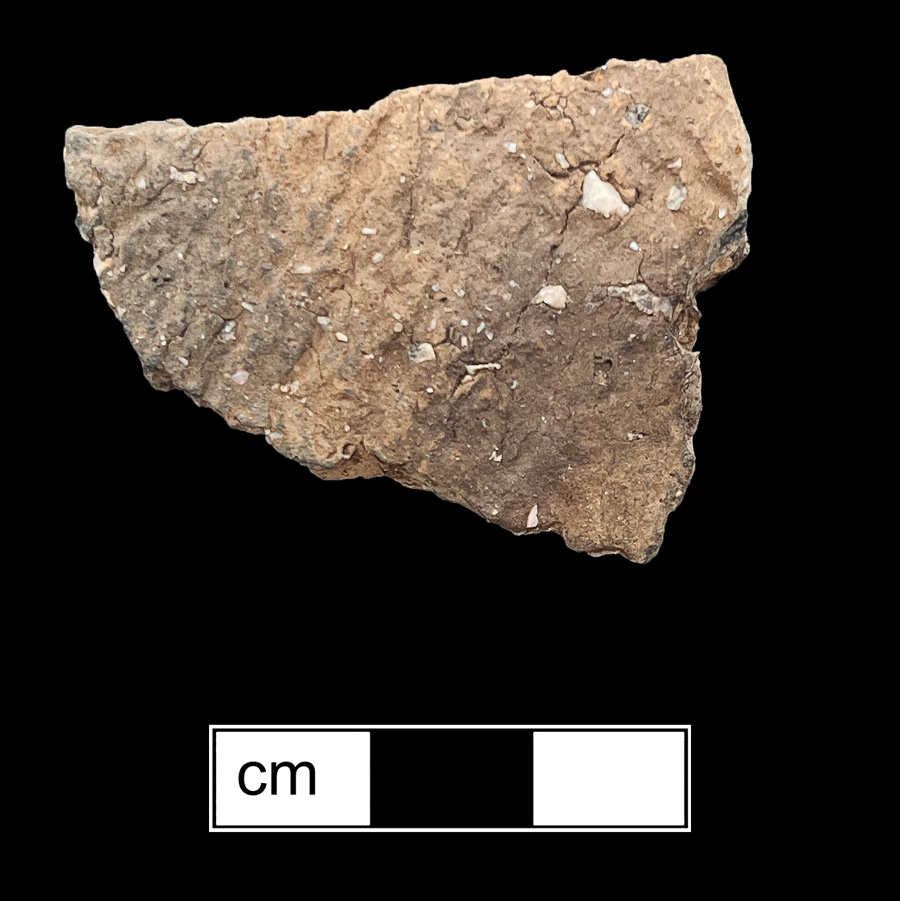
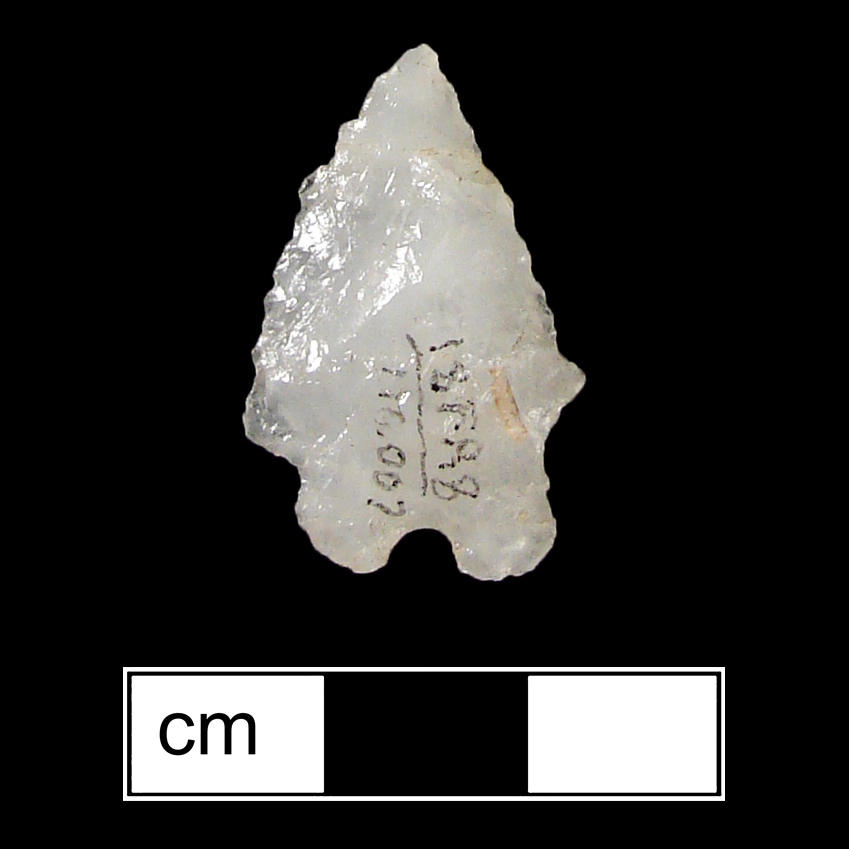
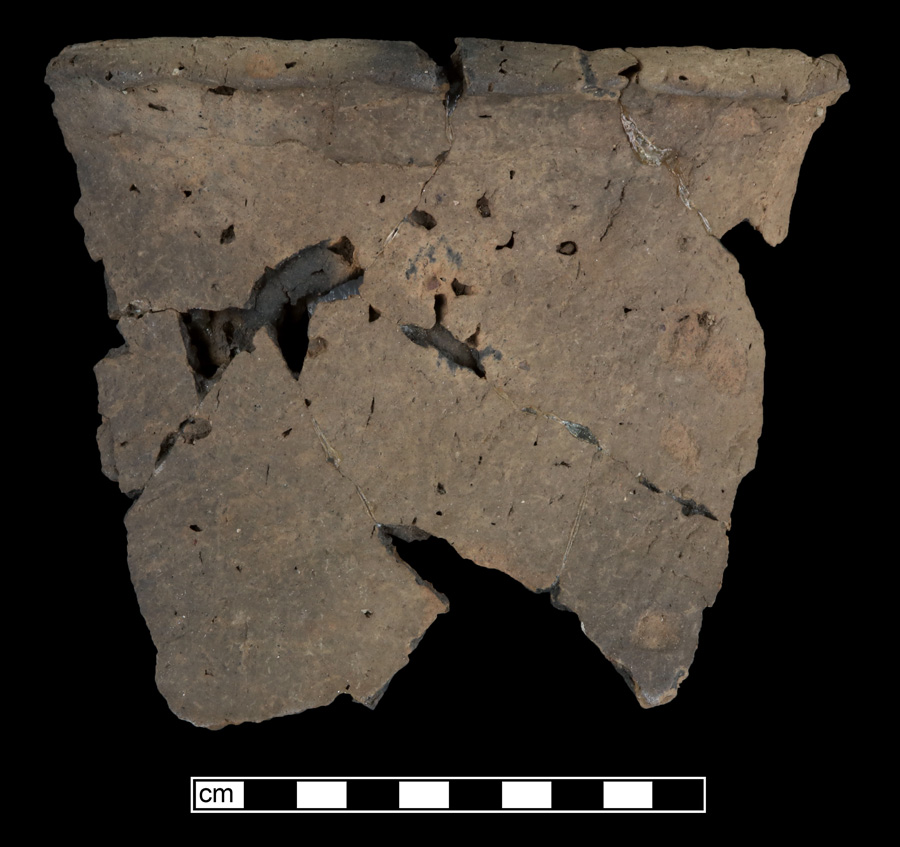
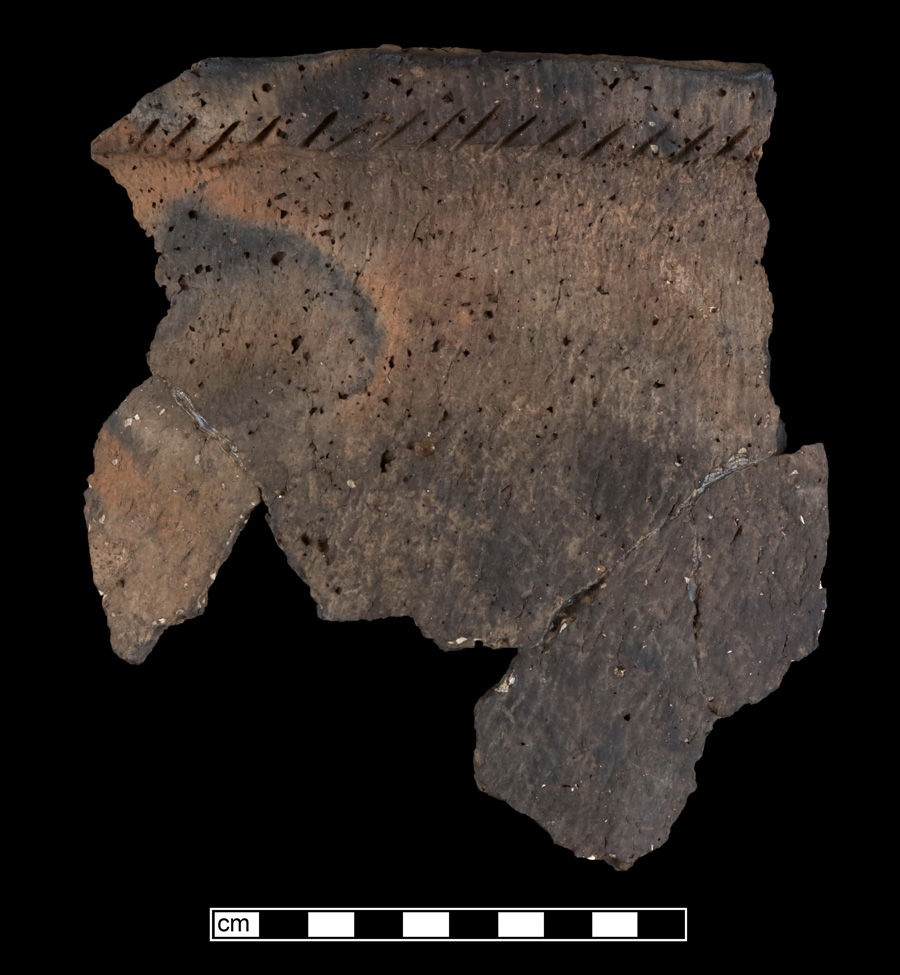
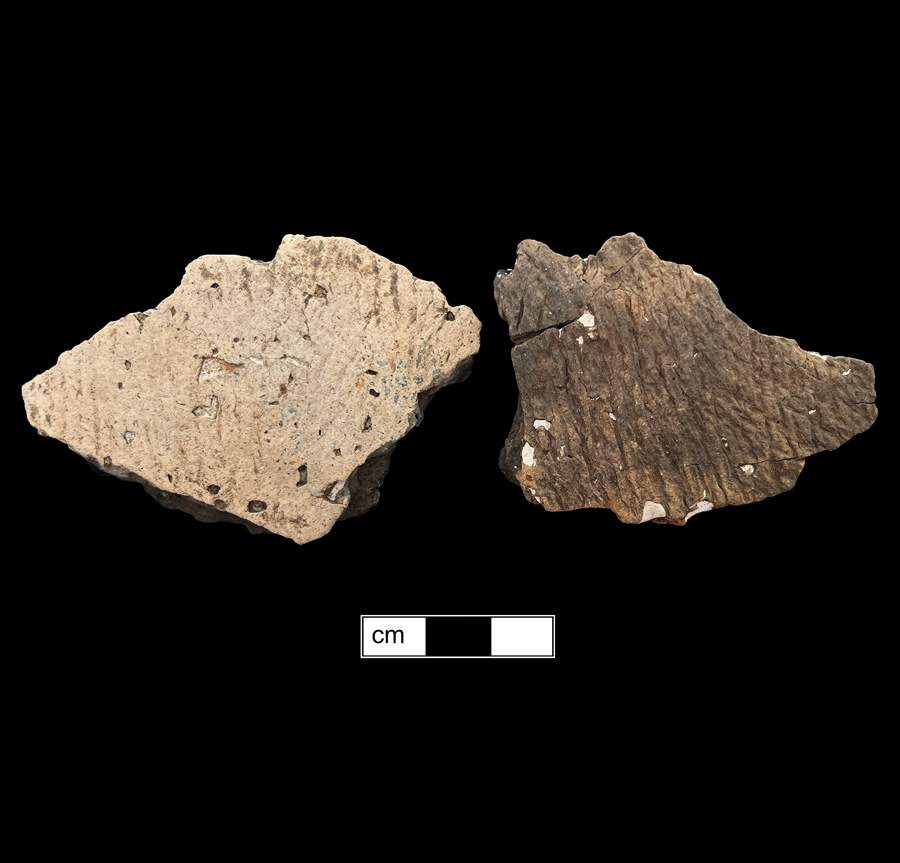
Artifacts recovered included 3 sherds of Marcey Creek ceramics, 51 sherds grit/sand tempered (includes Stoney Creek) ceramics, and 155 sherds Page ceramics, 1 small terra-cotta pipe stem fragment, 4 Late Woodland triangular points, 2 broad-stemmed Middle Woodland points, 2 stemmed and 1 side-notched points assignable to Late Archaic or Transitional broadspear tradition, 1 stemmed possible Archaic point, and 2 soapstone bowl fragments. These diagnostic artifacts indicate cultural affiliations in the Late Archaic/Transitional Archaic, and Middle and Late Woodland periods. Features identified included postholes/molds and refuse or storage pits.
References
1973 "Subfolder Containing 3 Plan Maps of Excavations at the Kanawha Springs Site."
Associated Artifacts
Marcey Creek
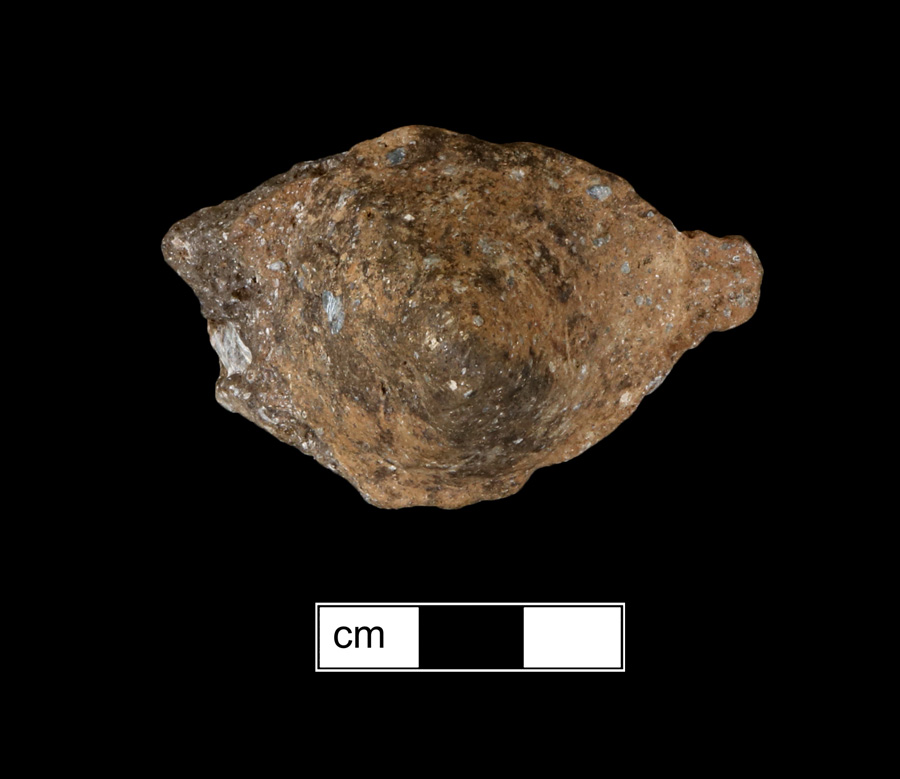
Marcey Creek
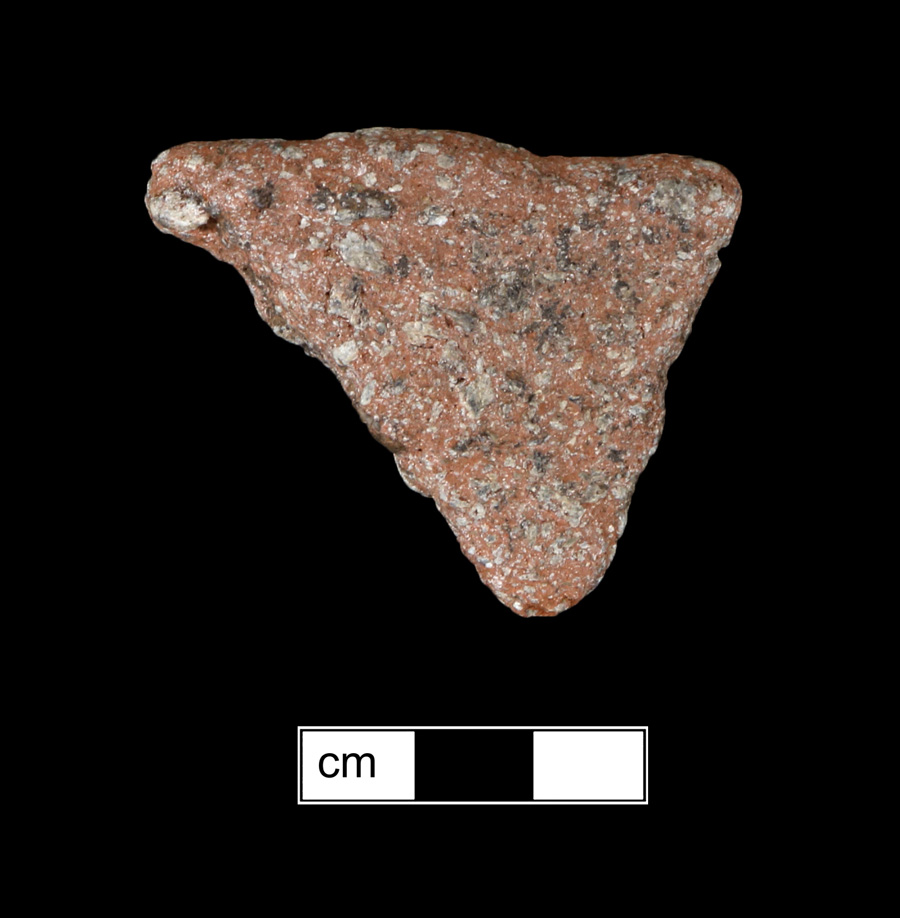
Page
Page
Page
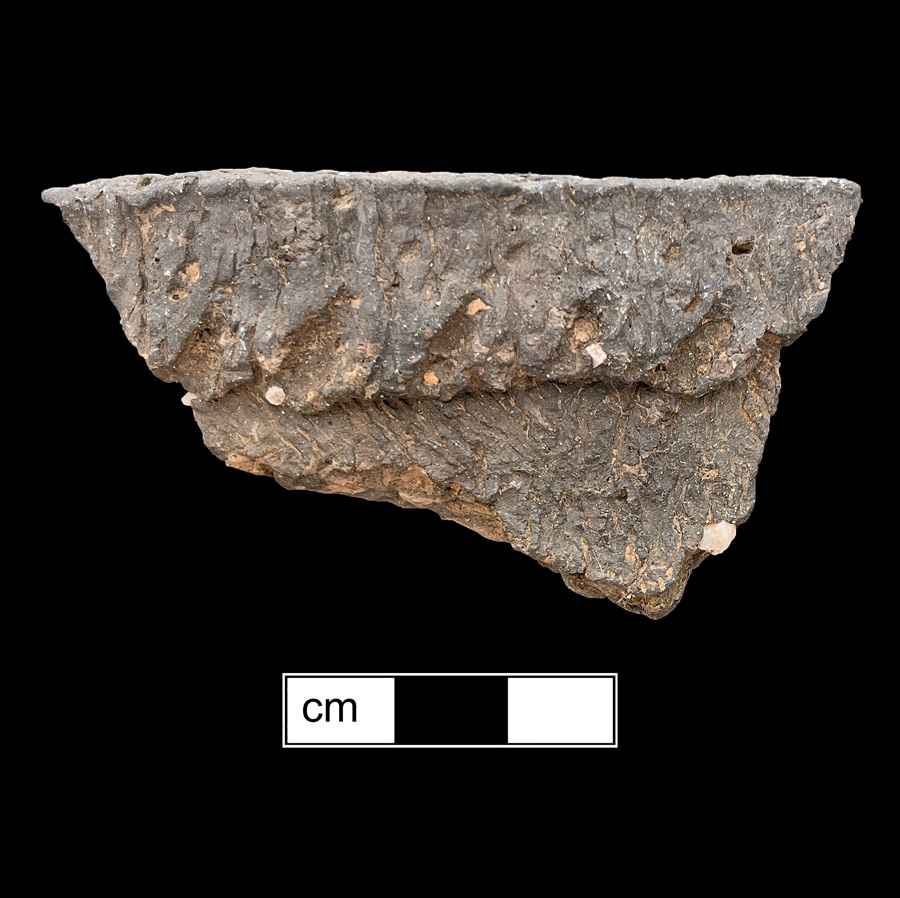
Shepard
Shepard
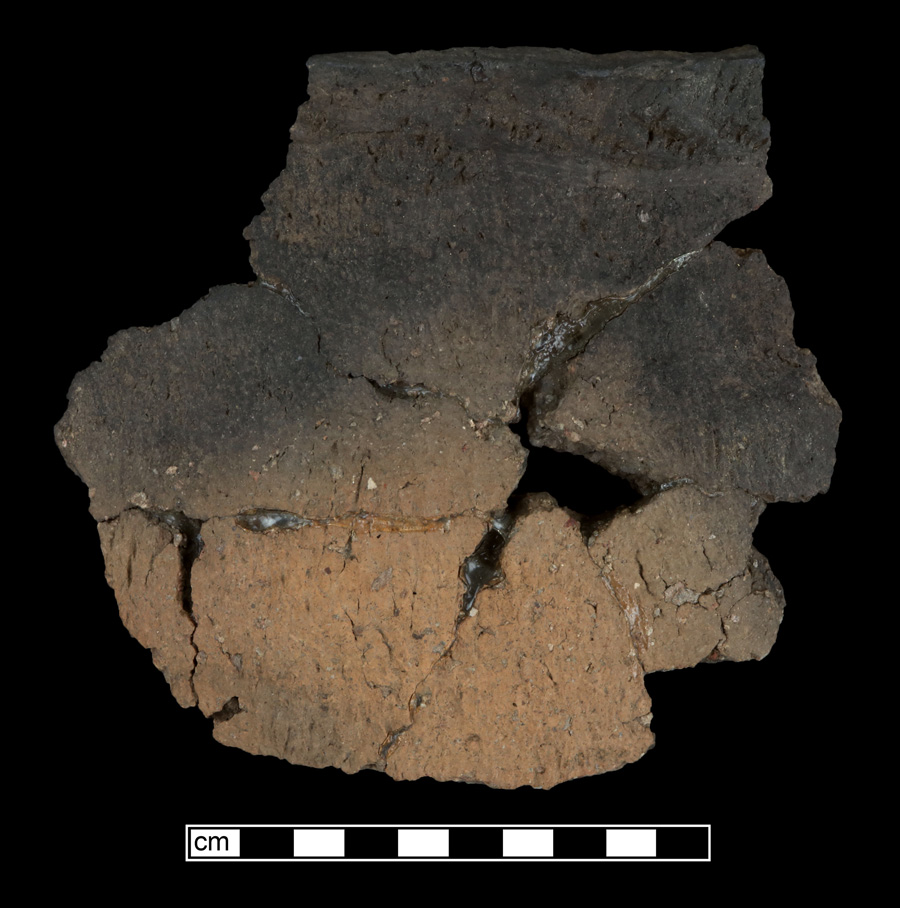
Shepard