Piscataway Creek (18PR7)
Site History
The Piscataway Creek site is located on the south bank of Piscataway Creek, east of Piscataway Park at the location of a Washington Suburban Sanitary Commission sewage treatment plant. The site is a Late Archaic camp and Early through Late Woodland village site. The site is in close proximity to the major Late Woodland village sites of Accokeek Creek (18PR8) and Farmington Landing (18PR4). Heavy occupation at the Piscataway Creek site appears to begin the Middle Woodland period and into the Late Woodland.
Archaeological Investigations
The site may have been visited as early as the 1870s/1880s by Elmer Reynolds, an early avocational archaeologist and co-founder of the Anthropological Society of Washington, D.C. In 1881 Reynolds reported on several sites he visited along the foothills between Farmington Landing and Piscataway. The first confirmed examination of the site came in the 1960s by Douglas Woodward. Woodward worked on documenting the site with the Archeological Society of Maryland (ASM) in late 1964 through 1966 after a large tract of land had been acquired for a future sewage treatment plant by the Washington Suburban Sanitary Commission.
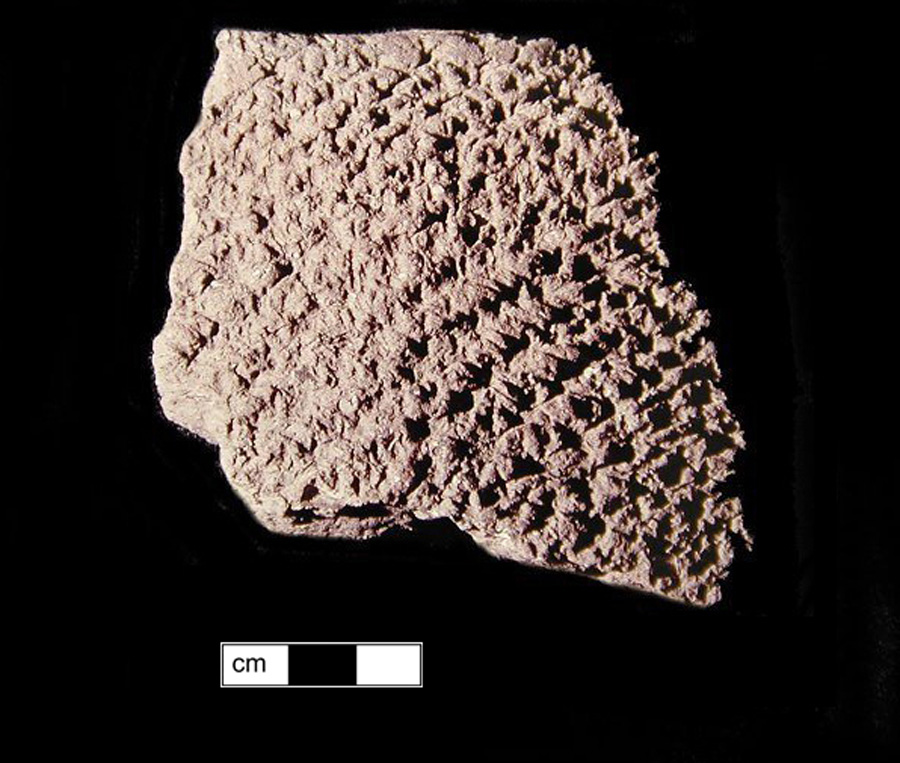
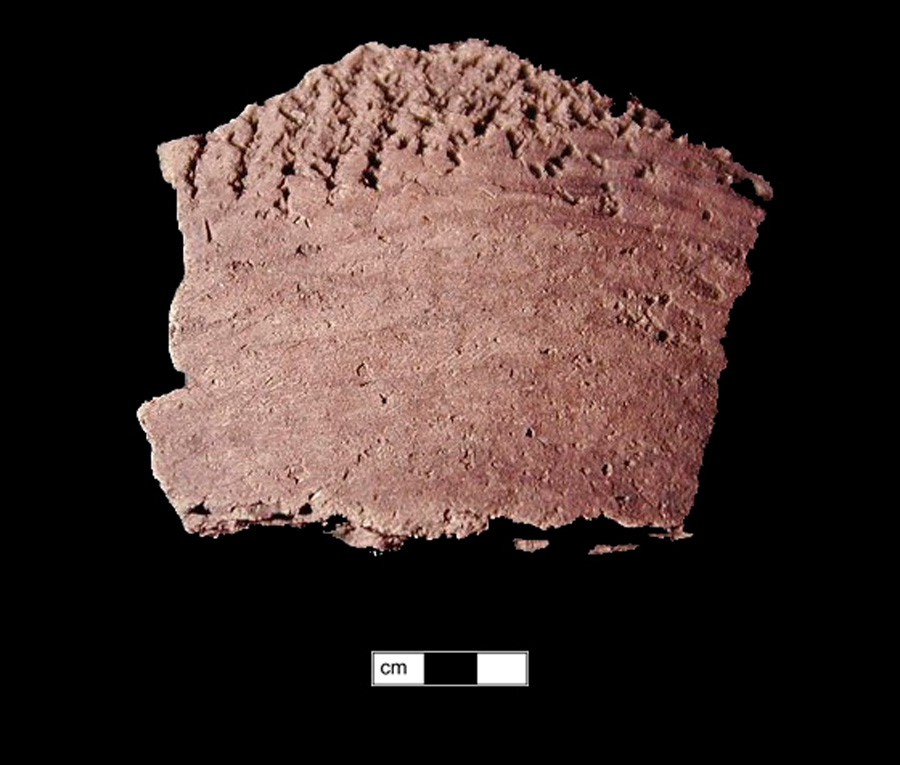
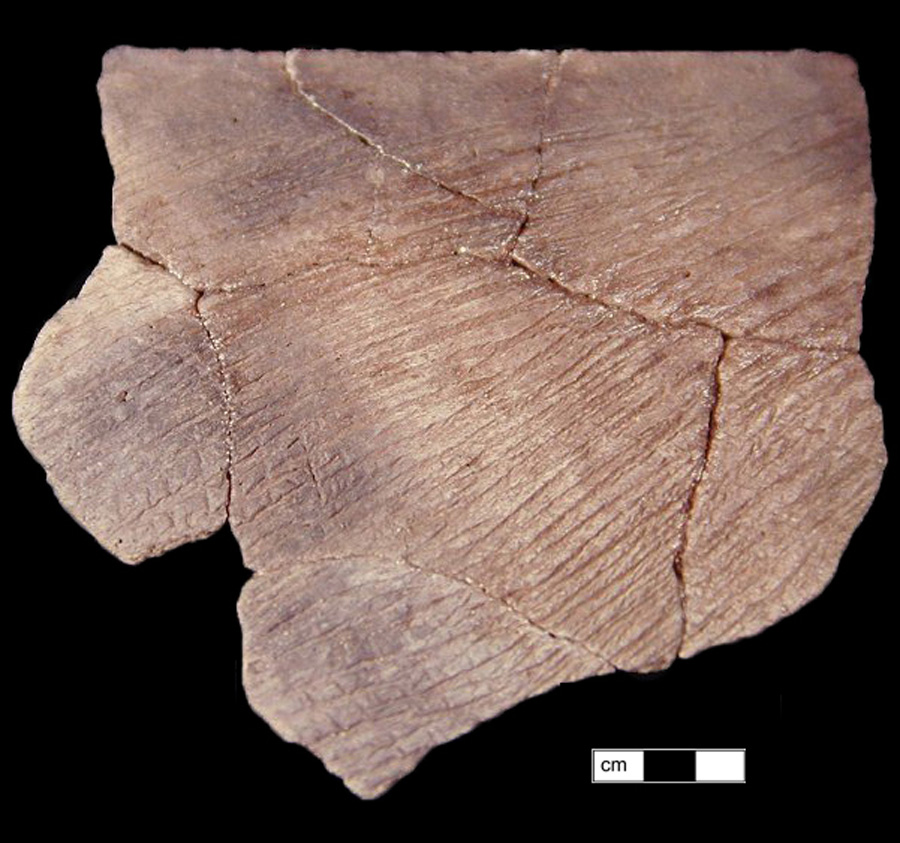
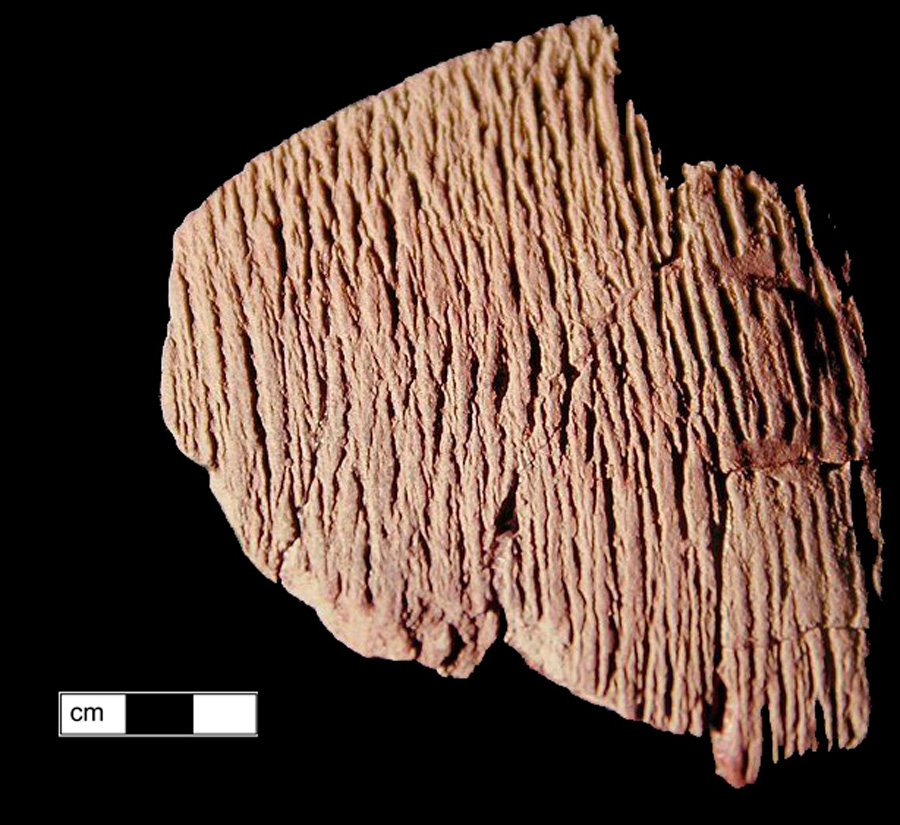
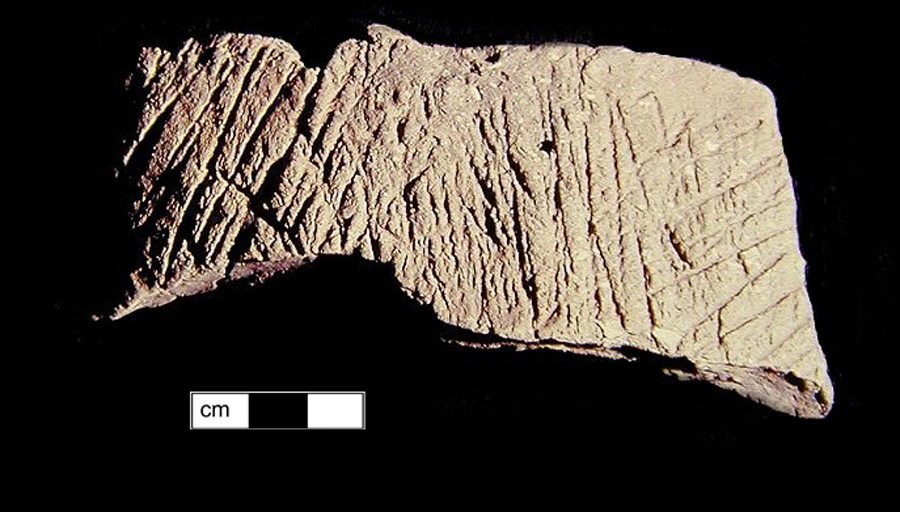
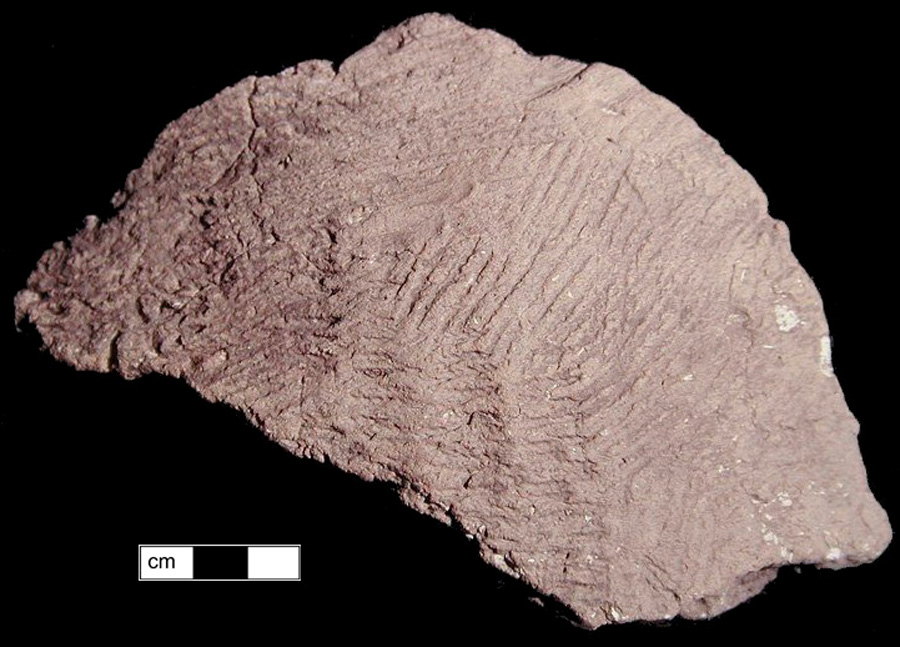
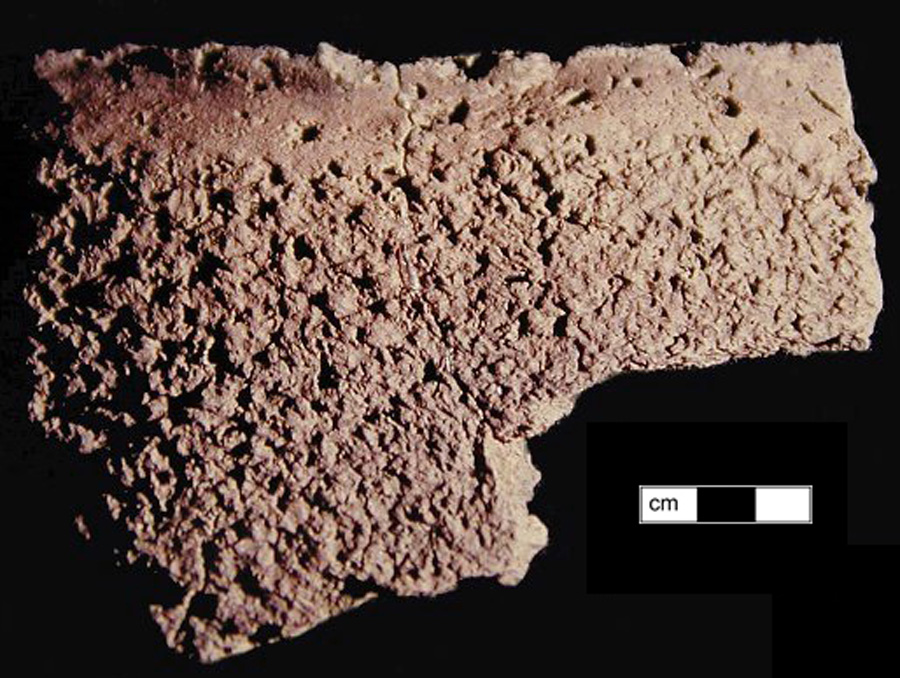
The work by Woodward and the ASM included both a pedestrian survey and test excavations. Woodward reported intact stratigraphy and features below a 6-inch thick plowzone. The total number of features encountered is unknown, but there were reportedly pits and post molds found. One feature, described as a "clam bake pit" feature was radiocarbon dated to 200 AD (+/- 90 years), during the Middle Woodland period. Diagnostic ceramics throughout the site were dominated by shell tempered wares such as Townsend Fabric-Impressed (some of which was identified as Chickahominy) and Mockley. Other wares included Potomac Creek/Moyaone, Popes Creek, and Accokeek (identified as Stony Creek). Minority wares included Marcey Creek and Albermarle.
Other artifacts recovered included tobacco pipe fragments, bone tools, other faunal material, gorgets/pendants, groundstone tools, projectile points, other stone tools, and debitage. Diagnostic lithics included Late Woodland triangular points, Jack’s Reef Pentagonal, Piscatway, Steubenville, Vernon, Calvert, Clagett, Bare Island, Rossville, and other UID stemmed, corner notched, side notched, and lanceolate points.
References
1881 Aboriginal Cemeteries Near Piscataway, MD. In Abstracts of the Anthropological Society of Washing, D.C. Smithsonian Misc. Papers.
1967 The Piscataway Site – A Progress Report. Archaeological Society of Maryland, Misc. Papers 6:1-11.
1973 The Piscataway Site: A Stratified Woodland Site in Tidewater Maryland (18PR7) Prince George’s County, MD.
Associated Artifacts
Accokeek
Accokeek
Mockley
Mockley
Mockley
Mockley