van Sweringen (18ST1-19)
The van Sweringen site (18ST1-19) is situated on 17th-century Aldermanbury Street on a bluff overlooking the St. Mary's River in St. Mary's City, Maryland. Around 1664, William Smith constructed a two-room earthfast building for use as a Council Chamber and Secretary’s Office. After completion of the State House in 1676, the building remained vacant for about two years before it became home to Dutch immigrant Garrett van Sweringen and his family. After expanding the building and property, van Sweringen established a private lodging house catering to members of the Council and other elite clients. In the 1680s, he converted a building on the rear of the property into a coffee house, the first such establishment operated in North America. Van Sweringen was an alderman in St. Mary's City in 1668, 1671, and 1685 and served as sheriff for St. Mary's County from 1686-1688. He continued to live at the site until his death in 1698, after which the property remained in the van Sweringen family into the 1720s. By 1723, his son’s widow had married William Deacon, the Royal customs collector, and the couple resided on the property for several years before moving to nearby Chancellor's Point. Archaeological evidence indicates that the van Sweringen site was occupied until ca. 1745, probably by tenants or servants.
Archaeological Investigations
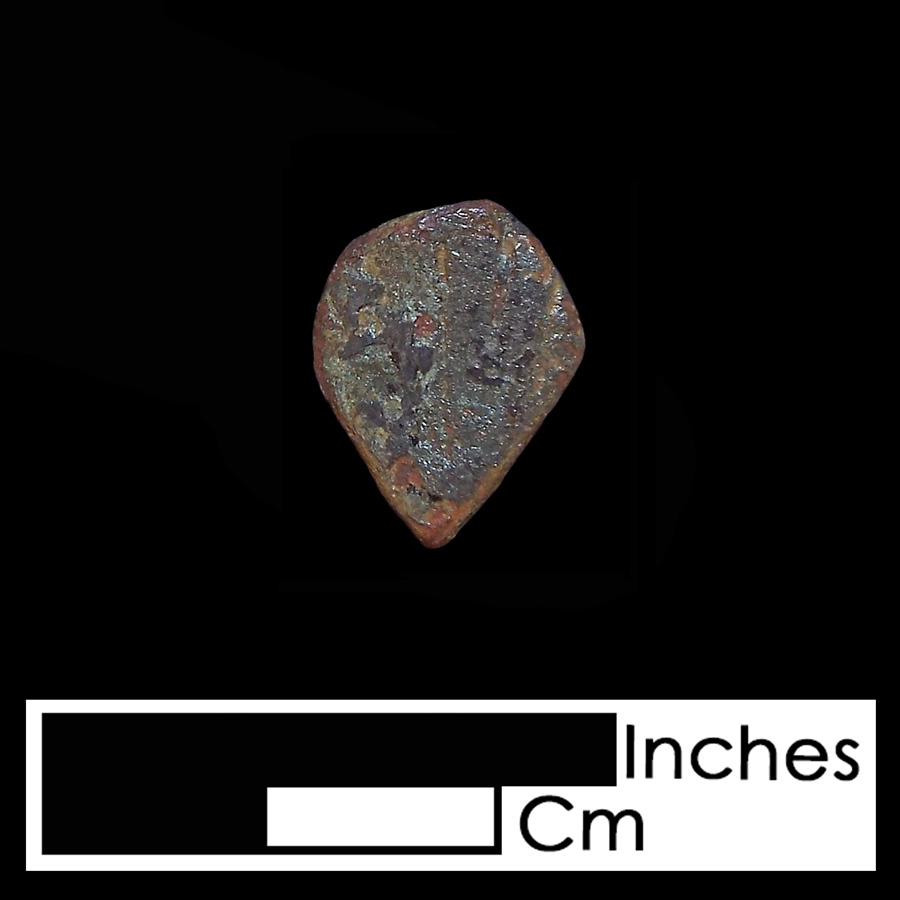
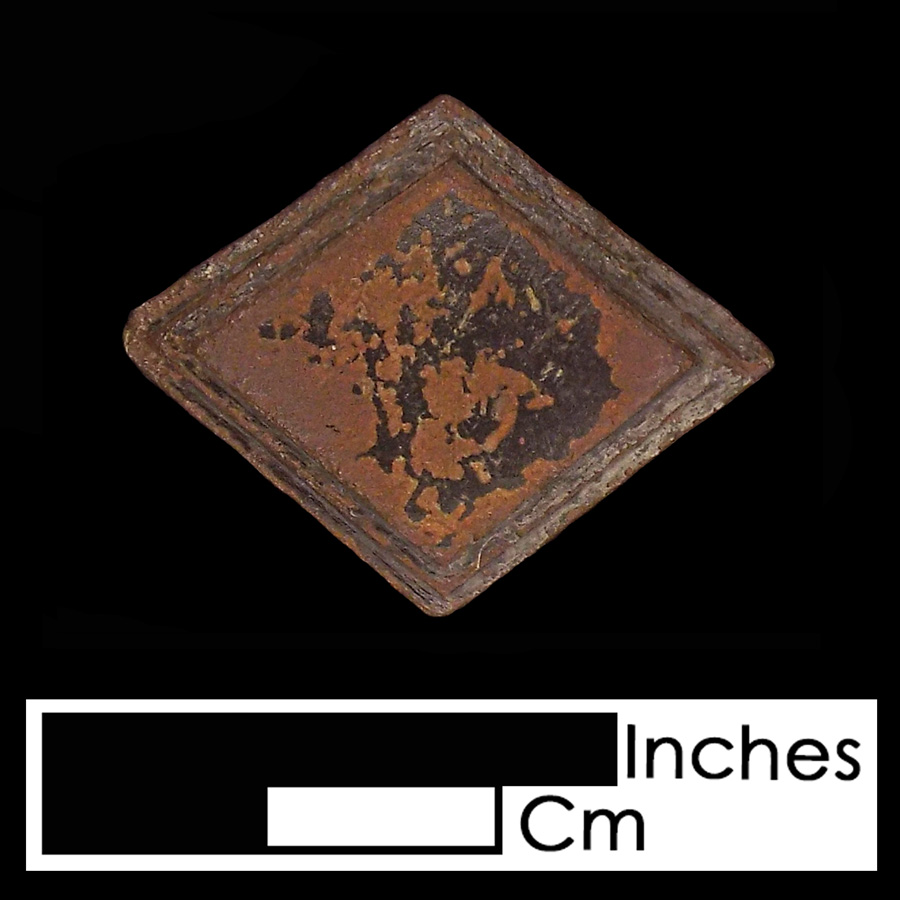
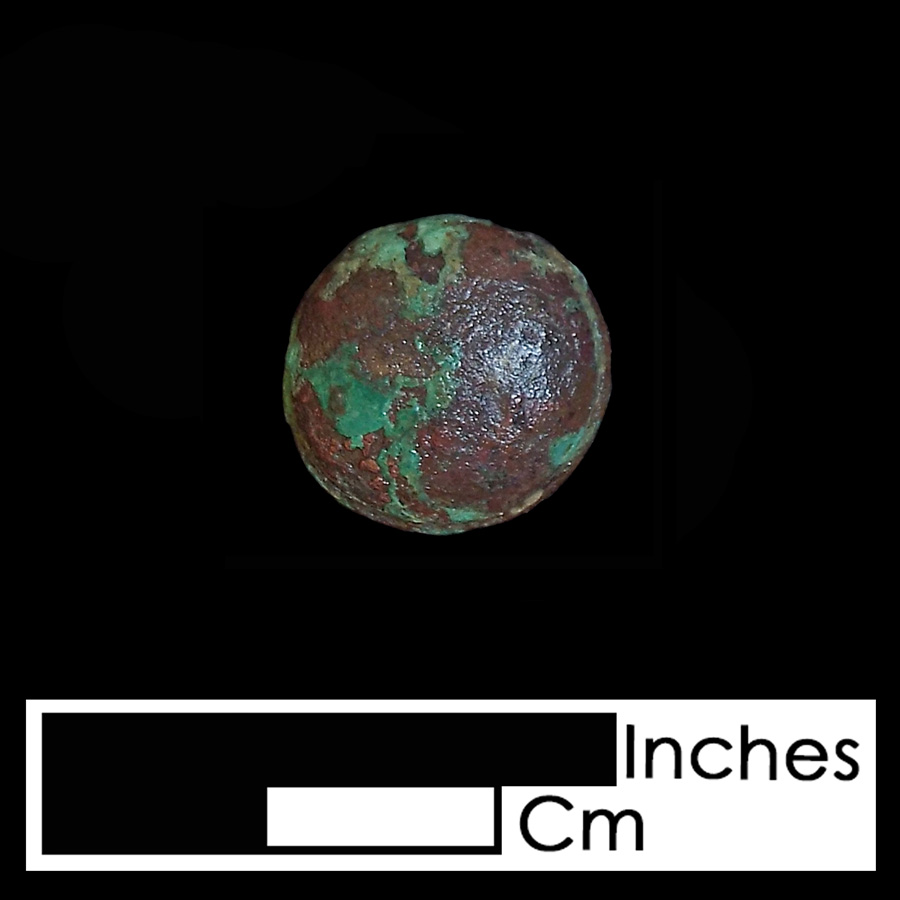
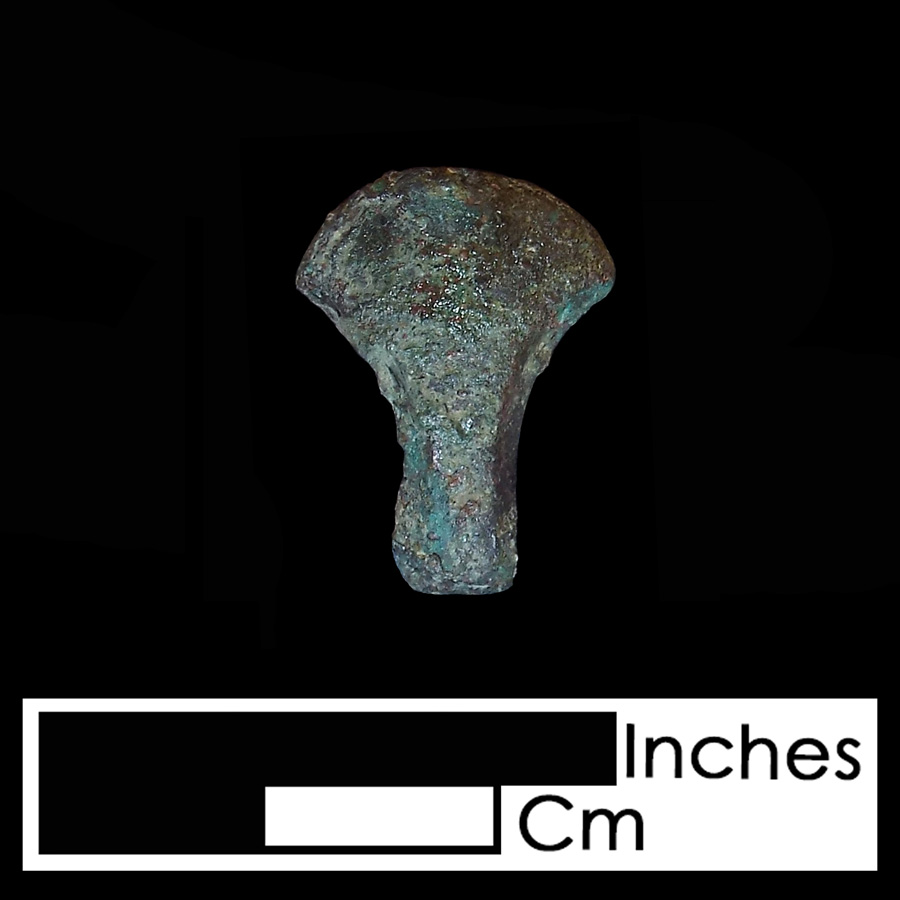
The van Sweringen site was the subject of multiple archaeological investigations by the St. Mary's City Commission (now Historic St. Mary's City in the 1970s, 1980s, and mid- 2000s. Five major feature deposits – two storage pits, a borrow pit, a 17th-century cellar, and an 18th-century dairy or milk house cellar – were discovered during these excavations. Most of the features had few artifacts, except the dairy or milk house cellar, which contained large amounts of domestic refuse, predominantly deposited in the mid-18th century. A sixth feature, a brick-lined cellar in the kitchen, has not been excavated. Other features recorded at the site were primarily architectural in nature and included post holes/molds for buildings and fence lines, builder's trenches, and chimney bases.
The site is currently an exhibit on the grounds of Historic St. Mary's City. All records and artifacts are curated at the Historic St. Mary's City Archaeological Laboratory.