St. Johns (18ST1-23)
The St. John's site (18ST1-23) is a 17th-century domestic site located in St. Mary's City in St. Mary's County, Maryland. Built in 1638, the dwelling was the home of Maryland's first provincial secretary, John Lewger. The structure was used as a meeting place for colonial legislators and was also the place where Margaret Brent petitioned for the right to vote. In the 1650s, the site was home to Dutch merchant Simon Overzee and from 1662 to 1667 to Governor Charles Calvert. Following substantial renovations in 1678, the building became a public ordinary. After the capital moved to Annapolis in 1695, the buildings fell into disrepair, and the property was abandoned around 1715.
Archaeological Investigations
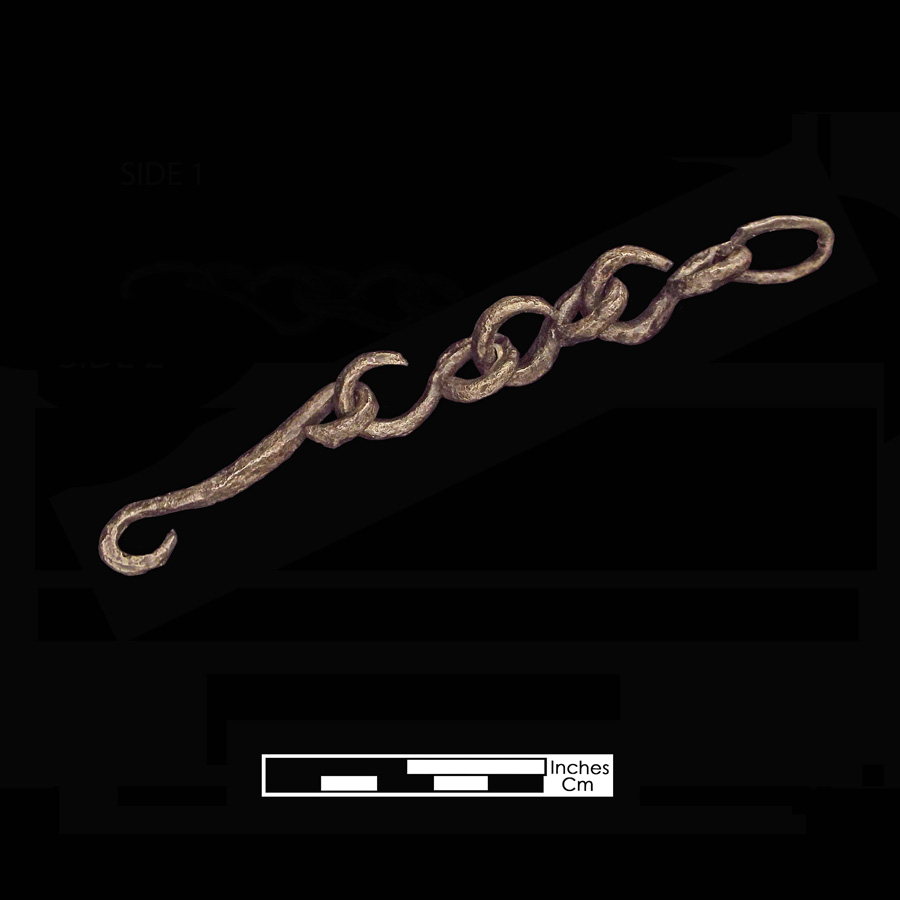
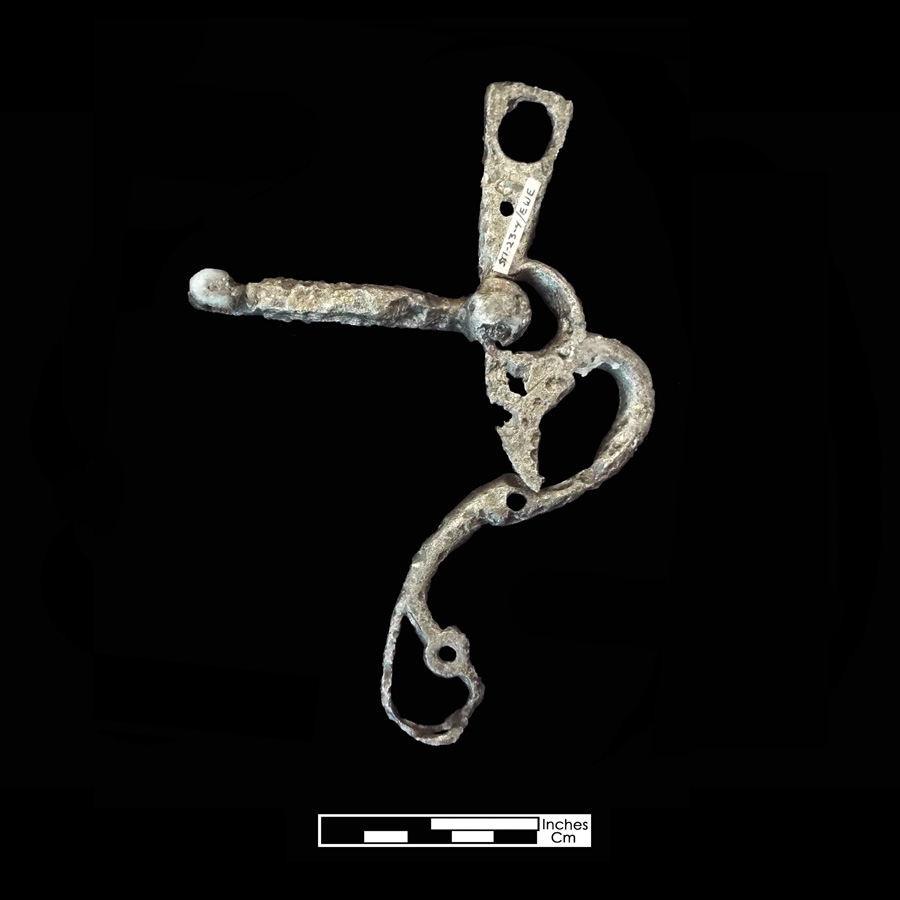
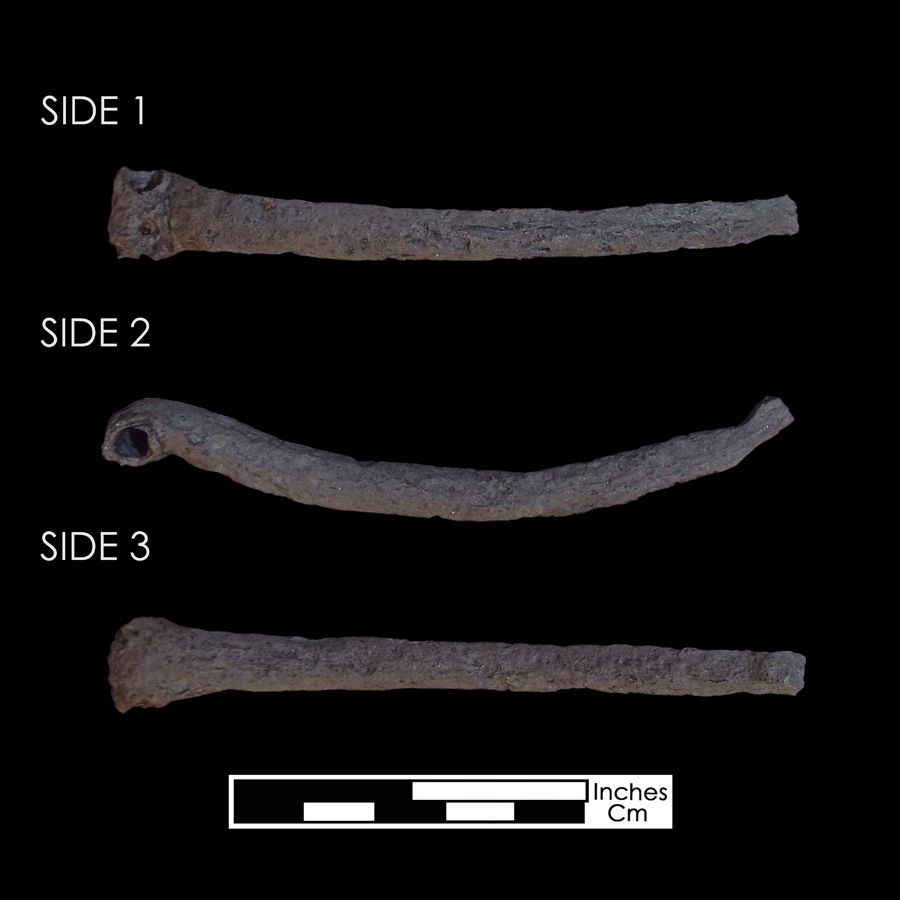
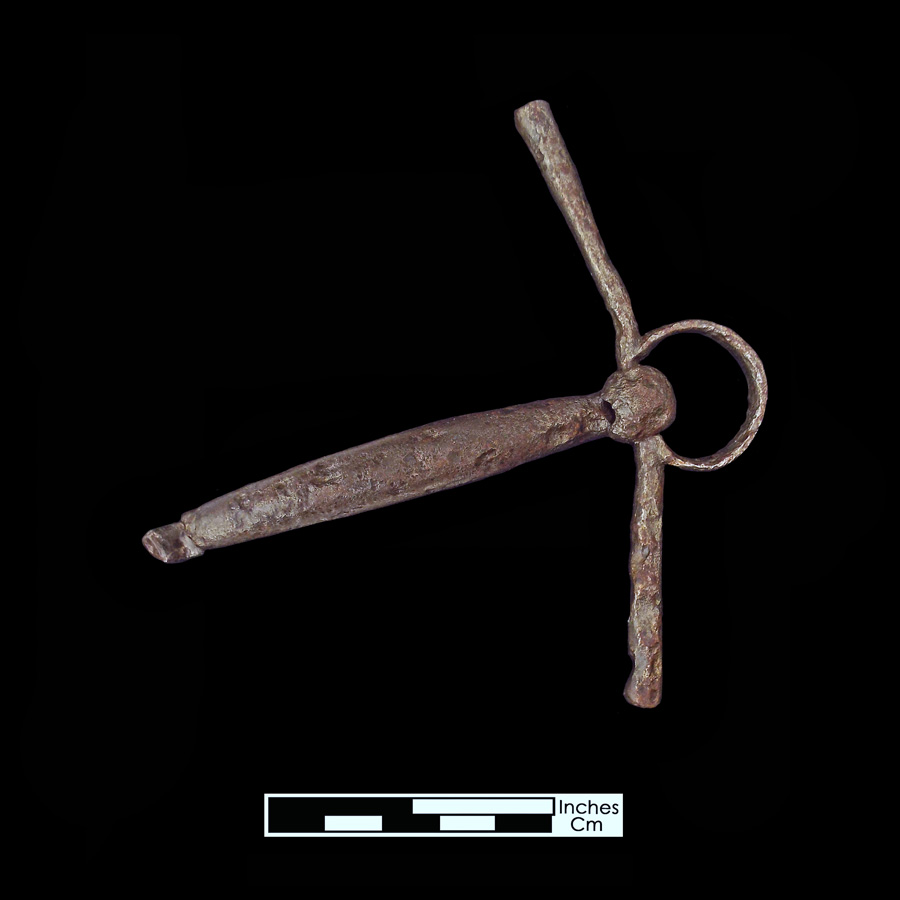
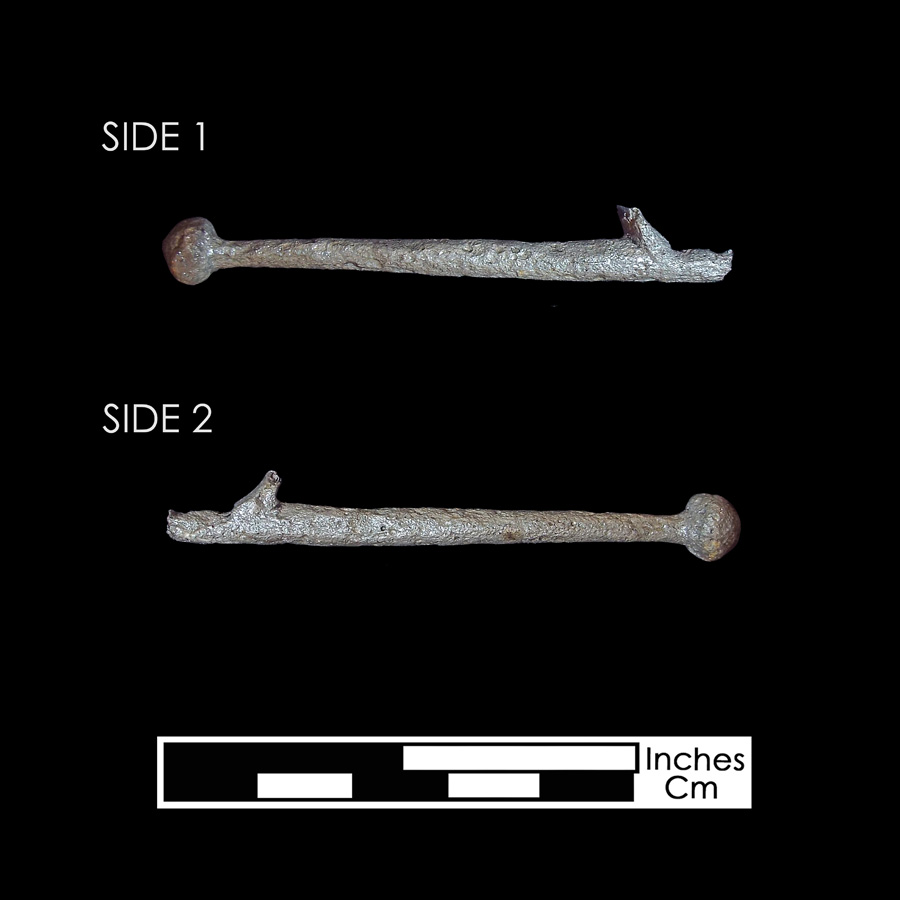
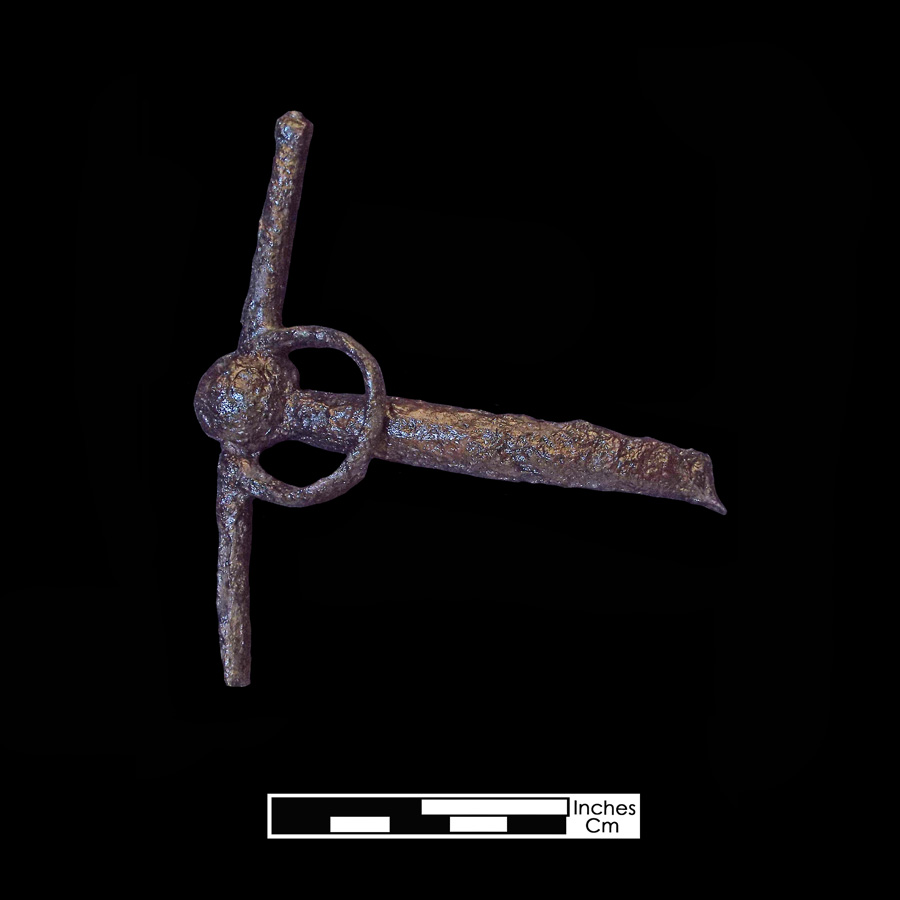
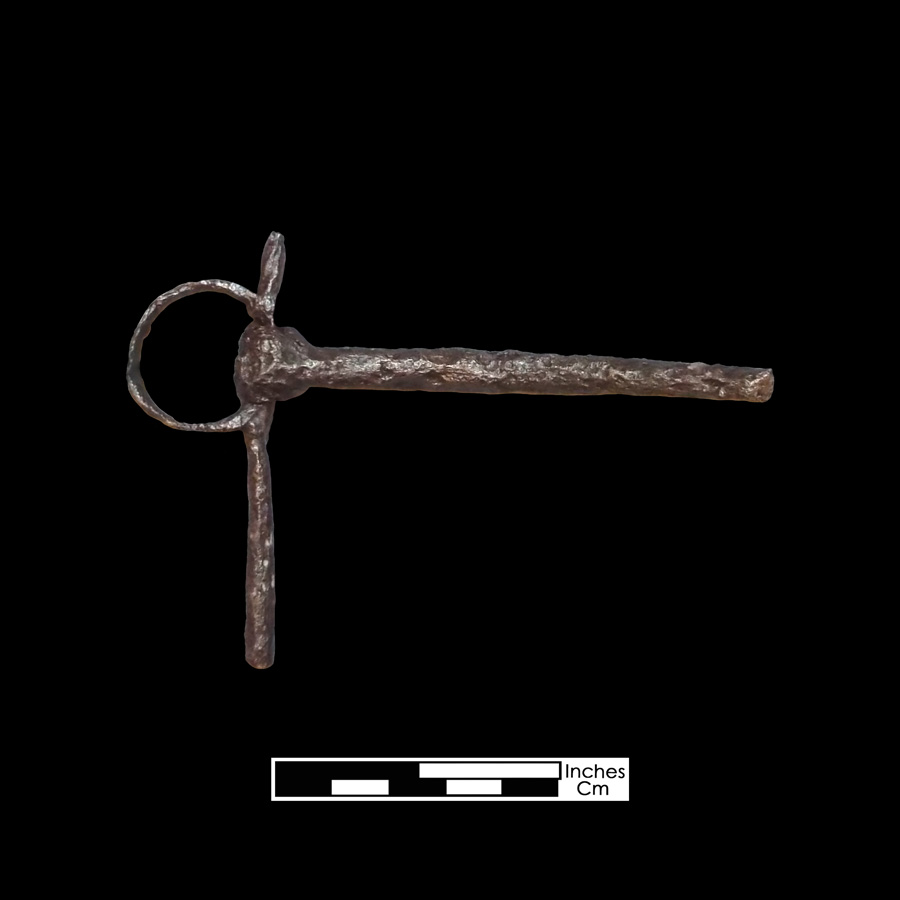
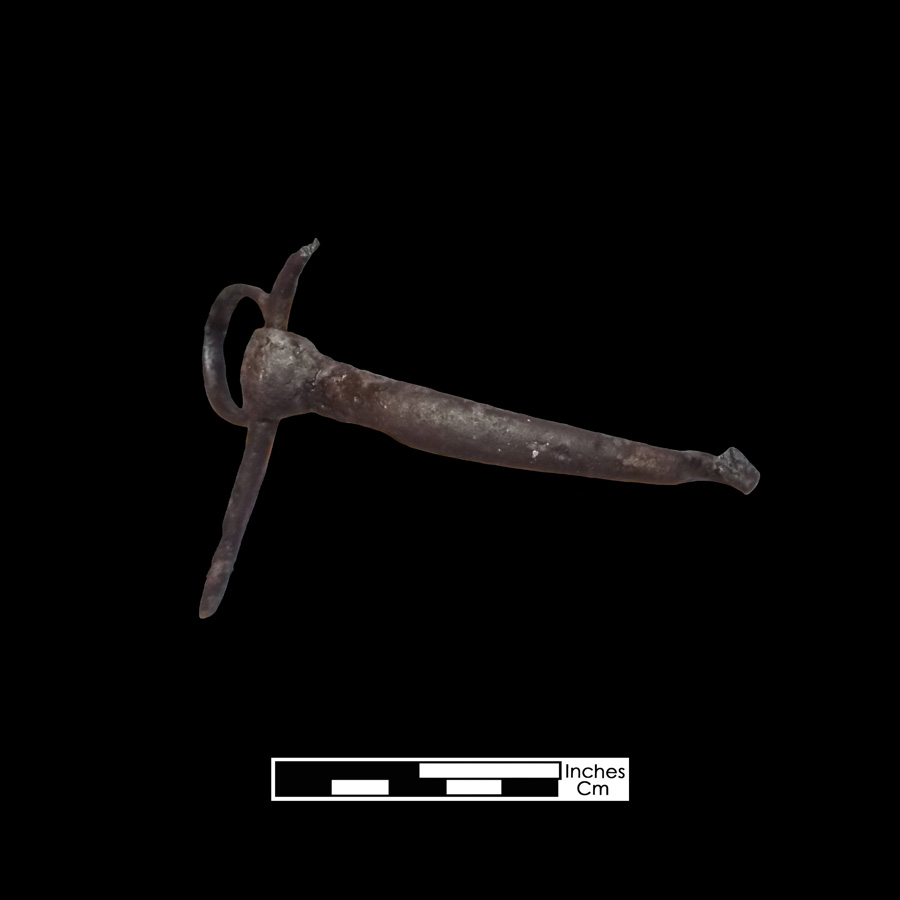
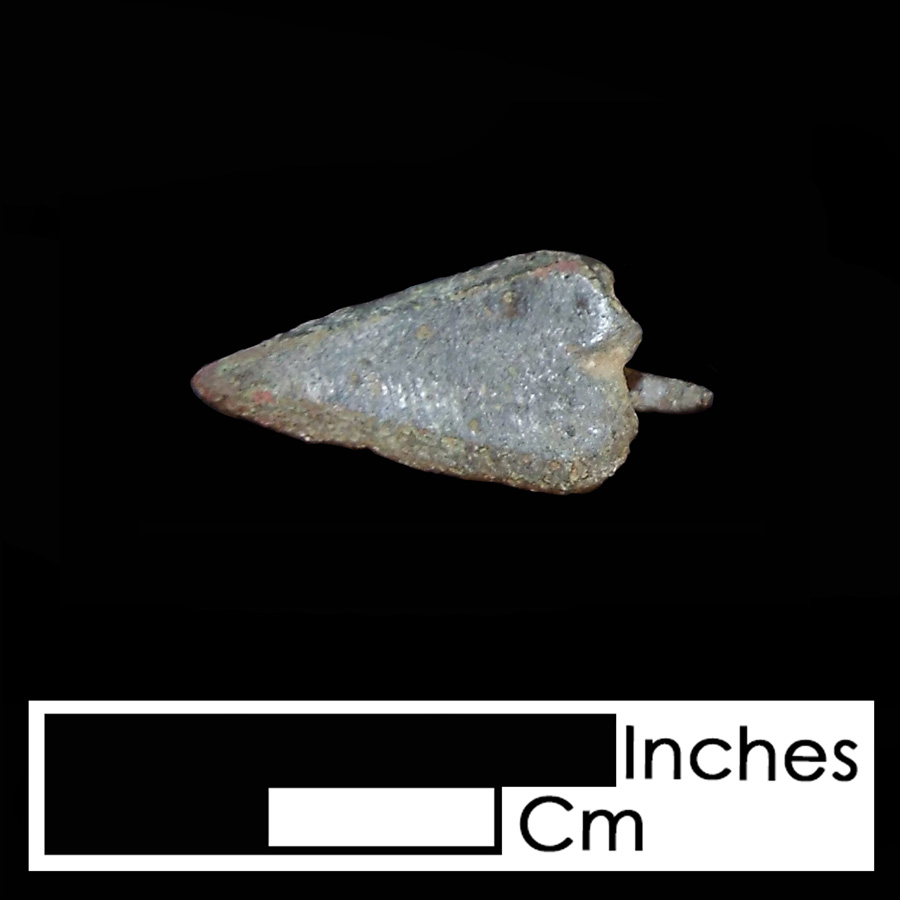
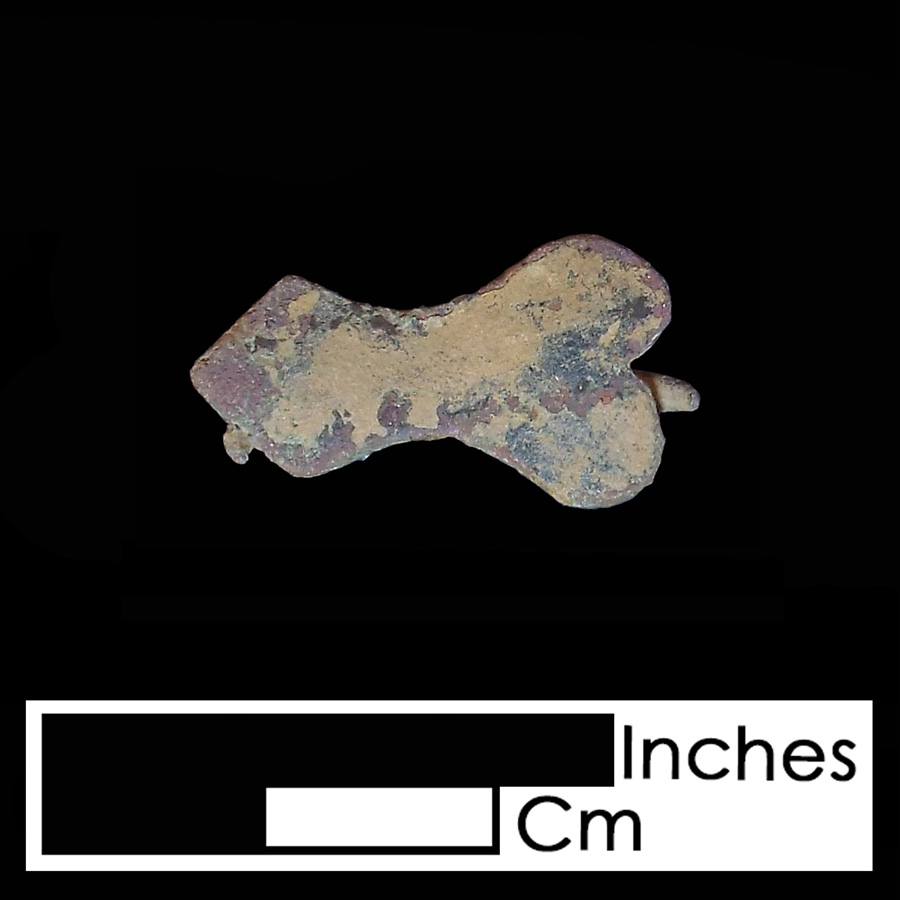
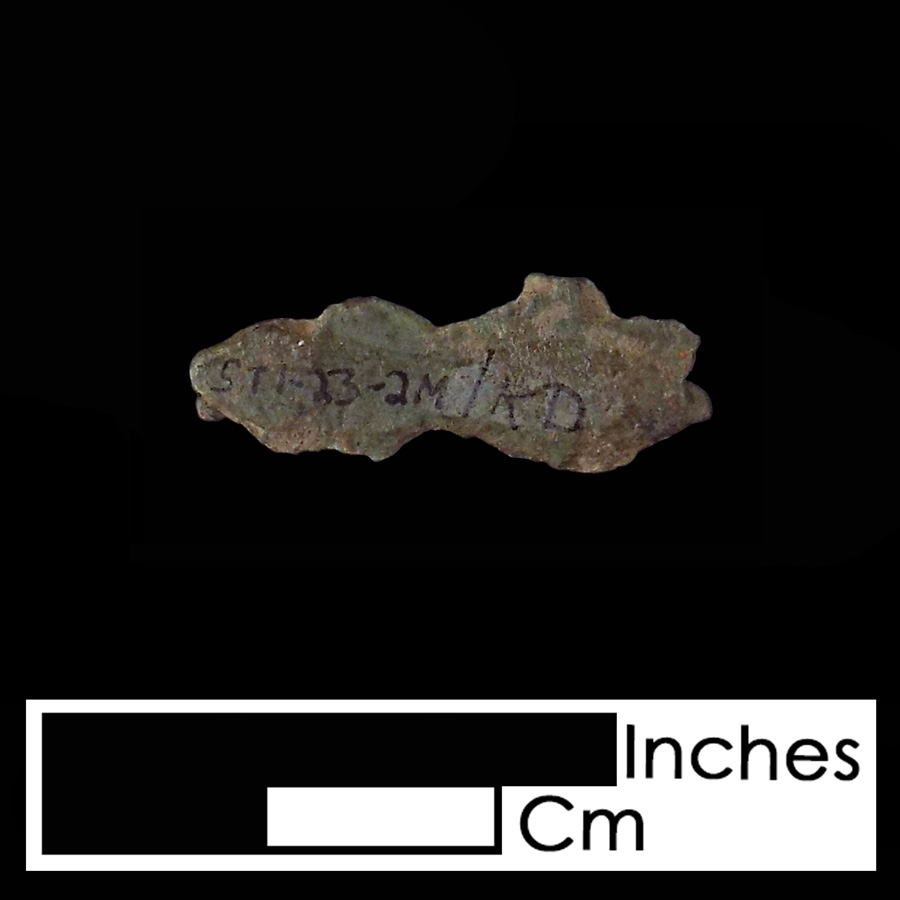
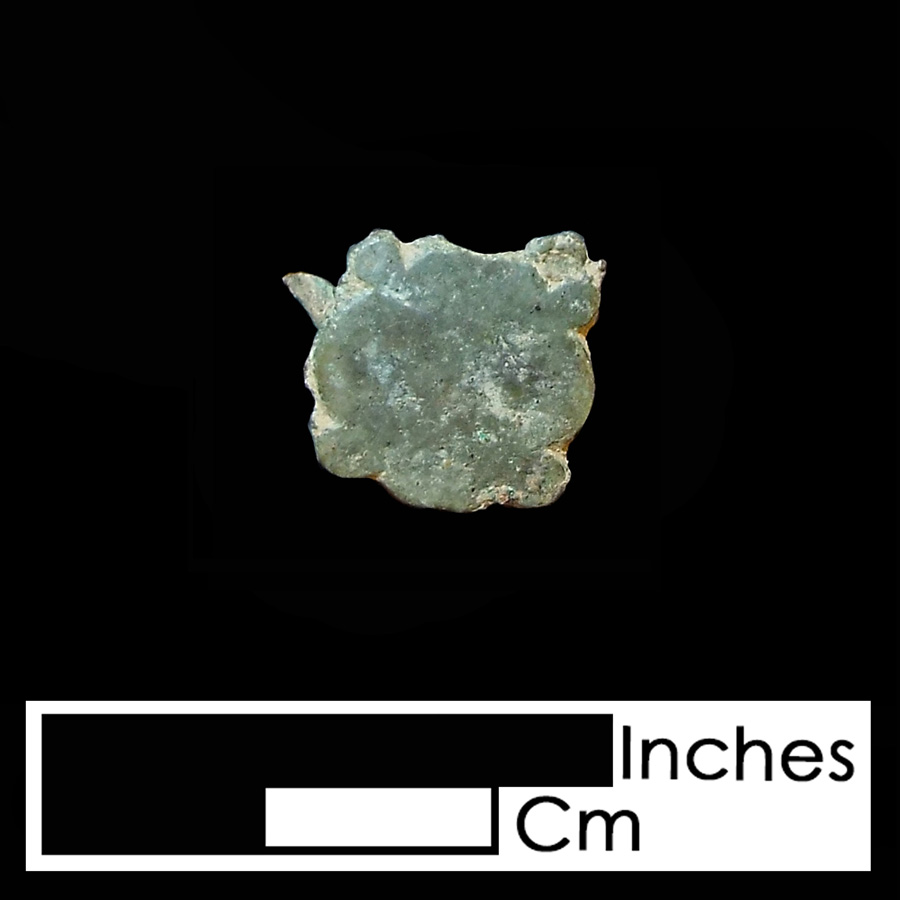
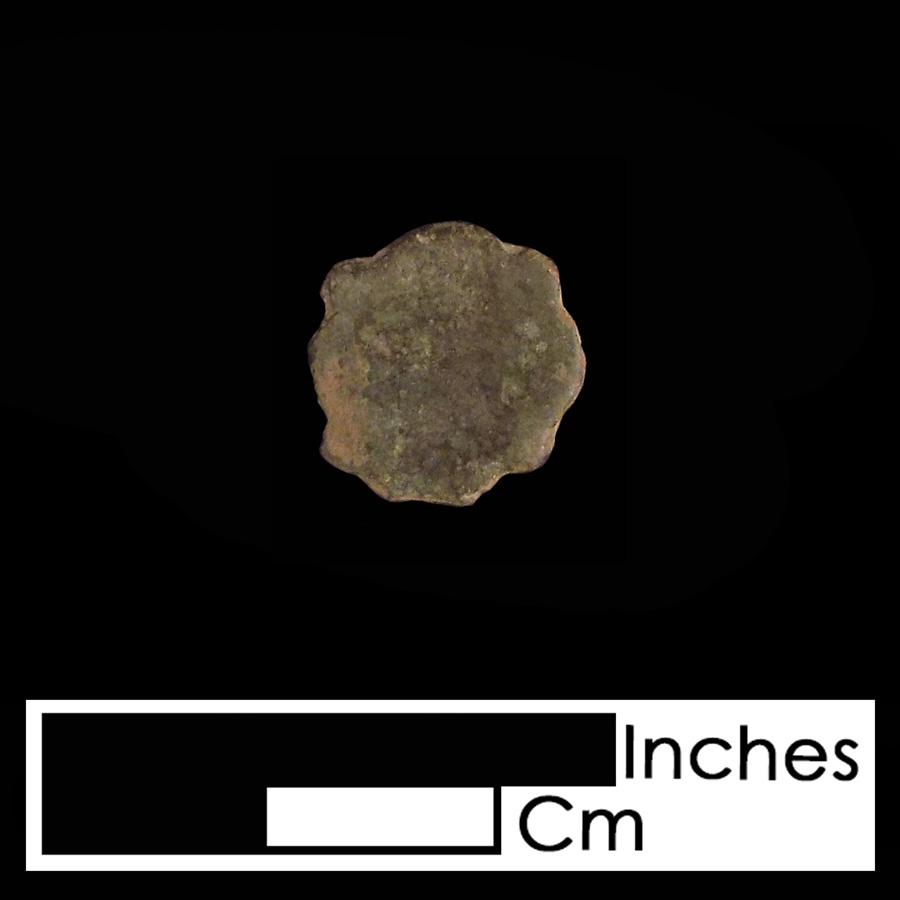
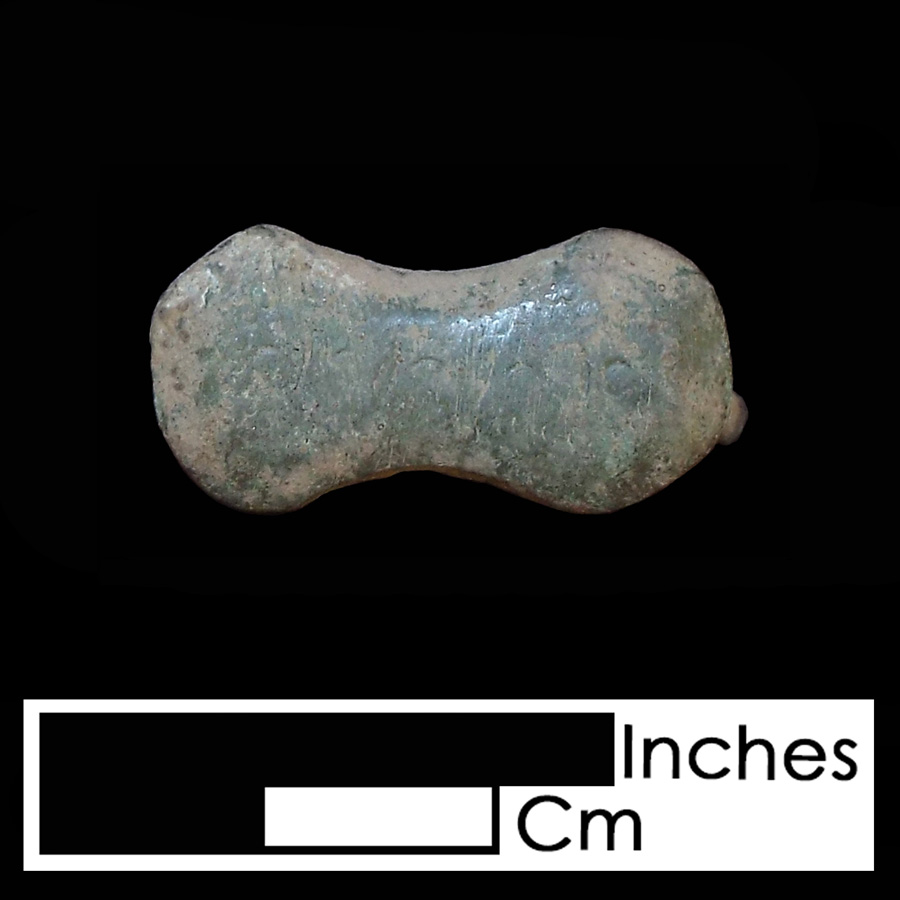
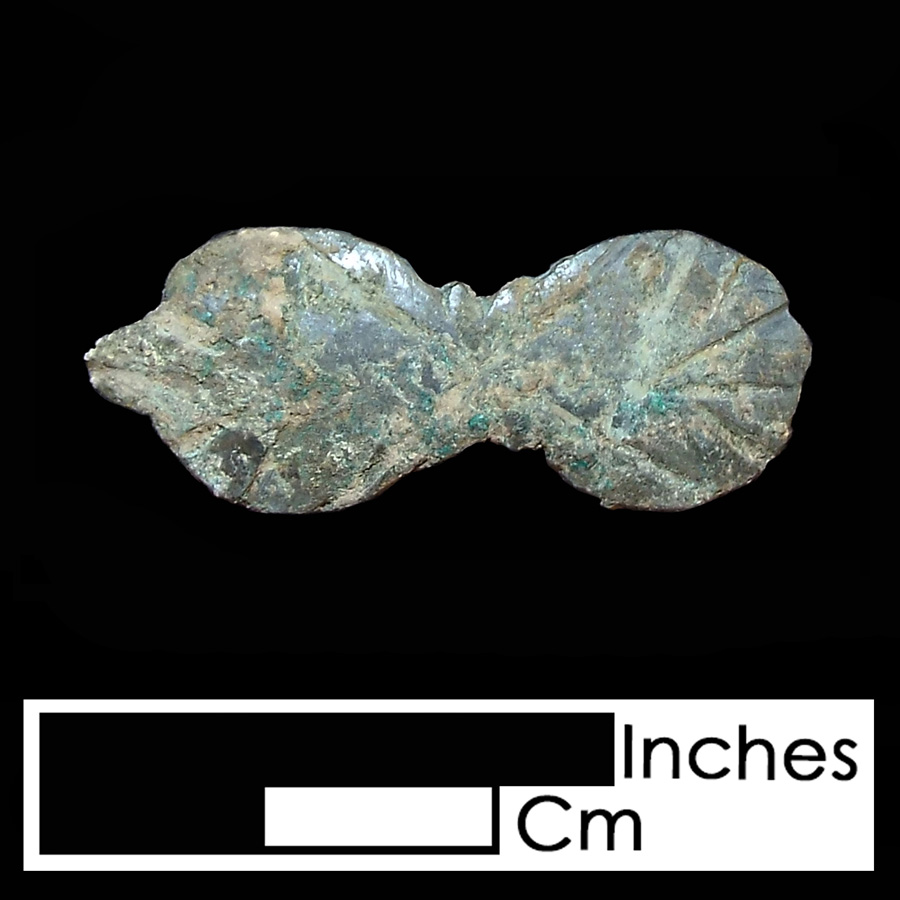
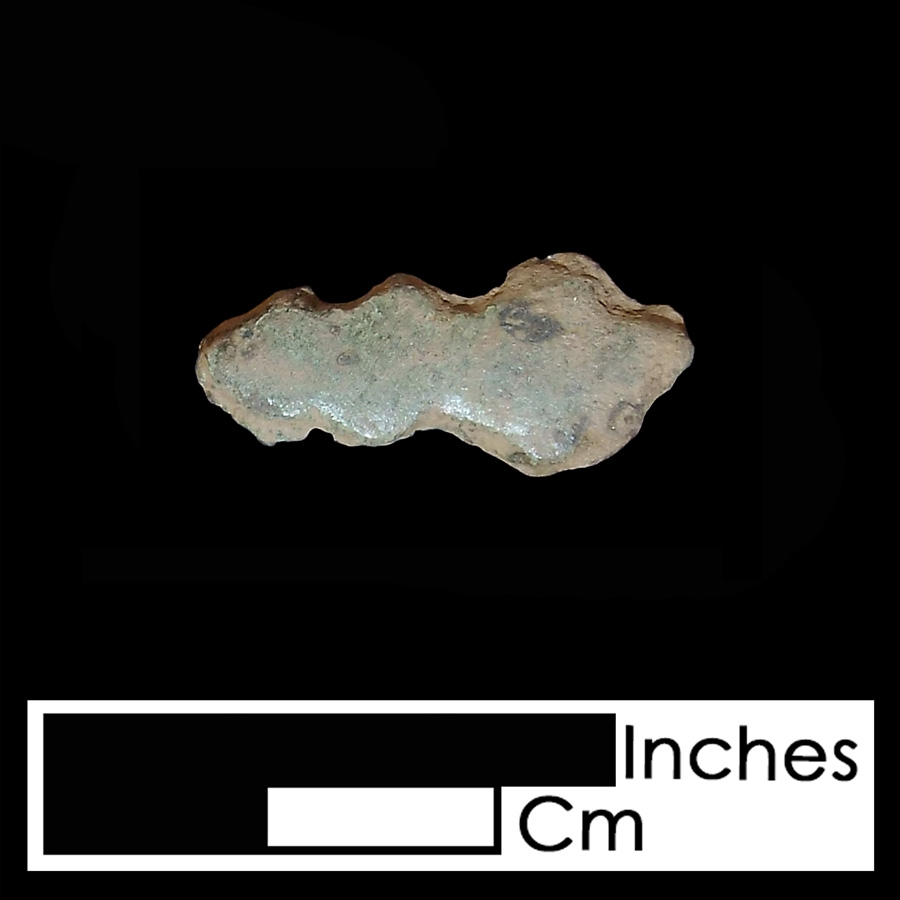
The St. John's site was first discovered by Henry Chandlee Forman in 1962. Forman tested the house foundation and dug a portion of the building's cellar in 1962 and 1963. Archaeologists at St. Mary's City began work on the site in 1972 and continued for the next four years. Subsequent excavations were conducted on the site between 2000 and 2005. The archaeological findings shed light on colonial life and 17th-century Chesapeake landscapes through architectural, artifact, and soil chemical analysis. . Excavations revealed a framed structure measuring 50 × 20 feet, with river cobble stone foundations, a stone-walled cellar, and two generations of central H-shaped fireplaces. Archaeologists also discovered several earthfast buildings: a ca. 1640 kitchen, a building referred to as a quarter (ca. 1650), and a ca. 1650 Dutch-style barn in the backyard of the site. Other excavated features included a privy, fence ditches, post holes, borrow pits, and two sheep burials. Around 1.4 million artifacts were recovered during the projects.
In 1990, the field north of Fisher Road was tested by archaeologists at Historic St. Mary's City in advance of the construction of a science building on the St. Mary's College of Maryland campus. The first phase of the project consisted of a controlled surface collection of 725 10x10' units, resulting in the recovery of over 11,000 artifacts. Subsequently, 27 5x5' excavation units were excavated in areas where the surface collection showed artifact concentrations. A precontact period site dating from the Middle Archaic up to European contact, with the principal use occurring during the Middle and Late Woodland, was located during this work and assigned the site number 18ST1-265.
The 5 × 5 foot test unit portion of the survey also identified features including a palisado fence, a possible minor building (evidenced by a cellar, postholes, and the presence of brick and domestic artifacts) which may have been a servant's quarter, and various other fence holes.
Today St. John's is the site of a museum that preserves the dwelling's 1630s foundations, brick chimney bases, and cellars, in addition to interpreting the history and material culture of the site. All records and artifacts are curated at the Historic St. Mary's City Archaeological Laboratory.
References
1977 Posts-in-the-ground: the impermanent architecture of the Chesapeake. St. John's Freehold, St. Mary's City, Md. (18 ST 1-23). (MHT Library # ST 91).
1981 Impermanent Architecture in the Southern American Colonies. Winterthur Portfolio 16:135-196.
1978 The Homelot on the Seventeenth Century Chesapeake Tidewater Frontier. Ph. D. Dissertation, University of Oregon. University Microfilms, Ann Arbor. (MHT # MD 91).
2021 "Soil Analysis at the St. John's Site: An Earthy View of Early Maryland Revisited." In Henry M. Miller and Travis G. Parno, eds., Unearthing St. Mary's City: Fifty Years of Archaeology at Maryland's First Capital, Gainesville: University Press of Florida, pp. 38-58.
2021 "St. John's Freehold: The Archaeology of One of Maryland's Earliest Plantations." In Henry M. Miller and Travis G. Parno, eds., Unearthing St. Mary's City: Fifty Years of Archaeology at Maryland's First Capital, Gainesville: University Press of Florida, pp. 113-129.
1974 "St. John's: Archaeological Questions and Answers." Maryland Historical Magazine 69:146-168. (MHT Library # ST 46 & ST 113).