Cross Manor (18ST571)
Site History
The Cross Manor site (18ST571) is a multicomponent site consisting of Late Woodland lithic scatters, a mid-late 18th-century house site, and a late 18th-early 19th-century plantation and structure. The site is located on St. Inigoes Creek in St. Inigoes in St. Mary's County, Maryland. The standing home is a 2+1⁄2-story brick structure with a side-hall double parlor plan and Greek Revival and Federal influenced woodwork. The house was constructed in three main stages with the earliest reportedly dating to before 1765. The area surrounding the standing structures and between the main house and the creek has been landscaped.
The property was owned between 1829 and 1878 by Caleb Jones, a successful local physician and planter. During the Civil War, Jones was an ardent supporter of the Union cause and leased an area at Cross Manor to the U.S. Navy for construction of a coal refueling station. This action was instrumental securing the defense of Washington, D.C. Later owner Charles S. Grason was a prominent local businessman and politician, who had a large wharfing business.
Archaeological Investigations
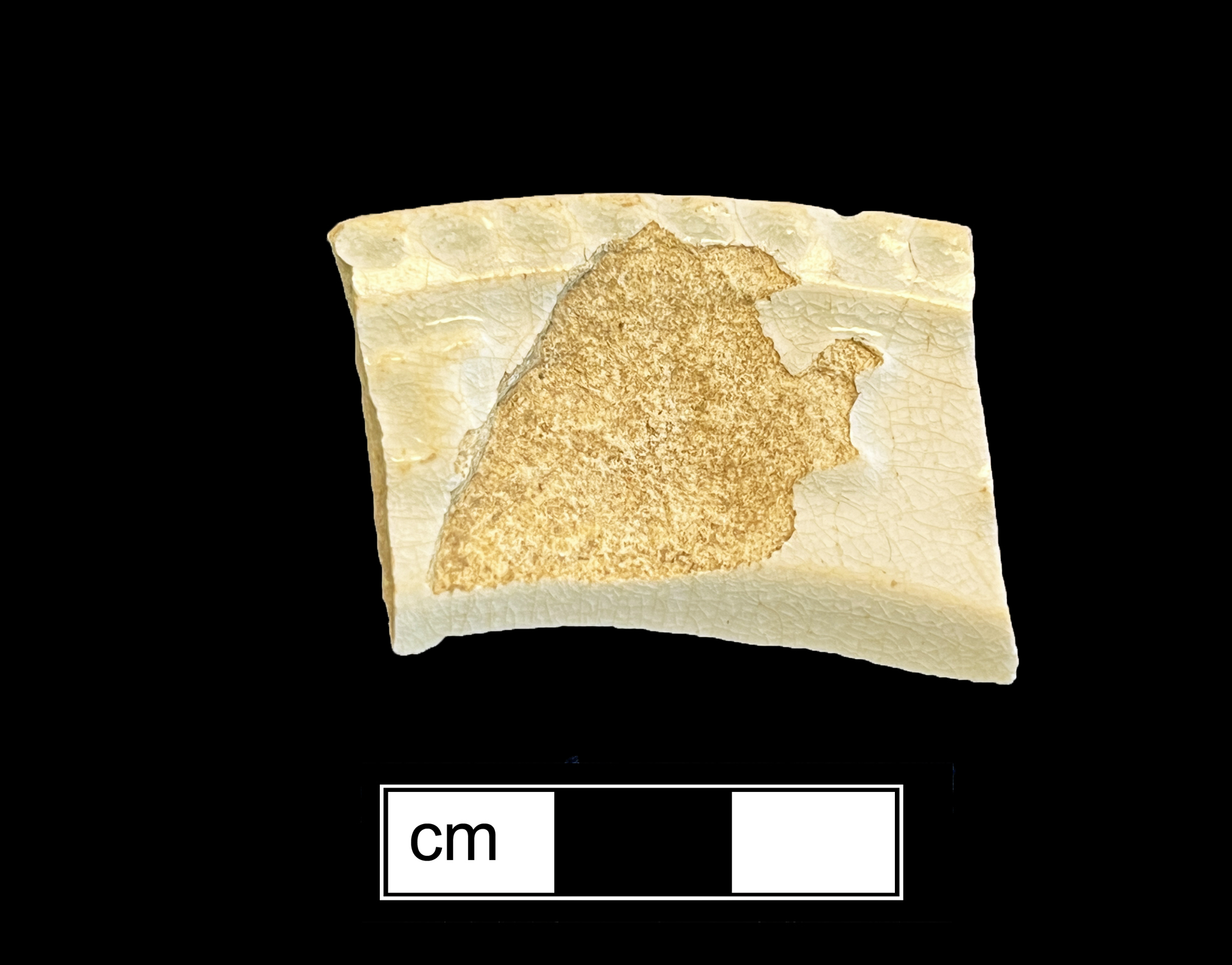
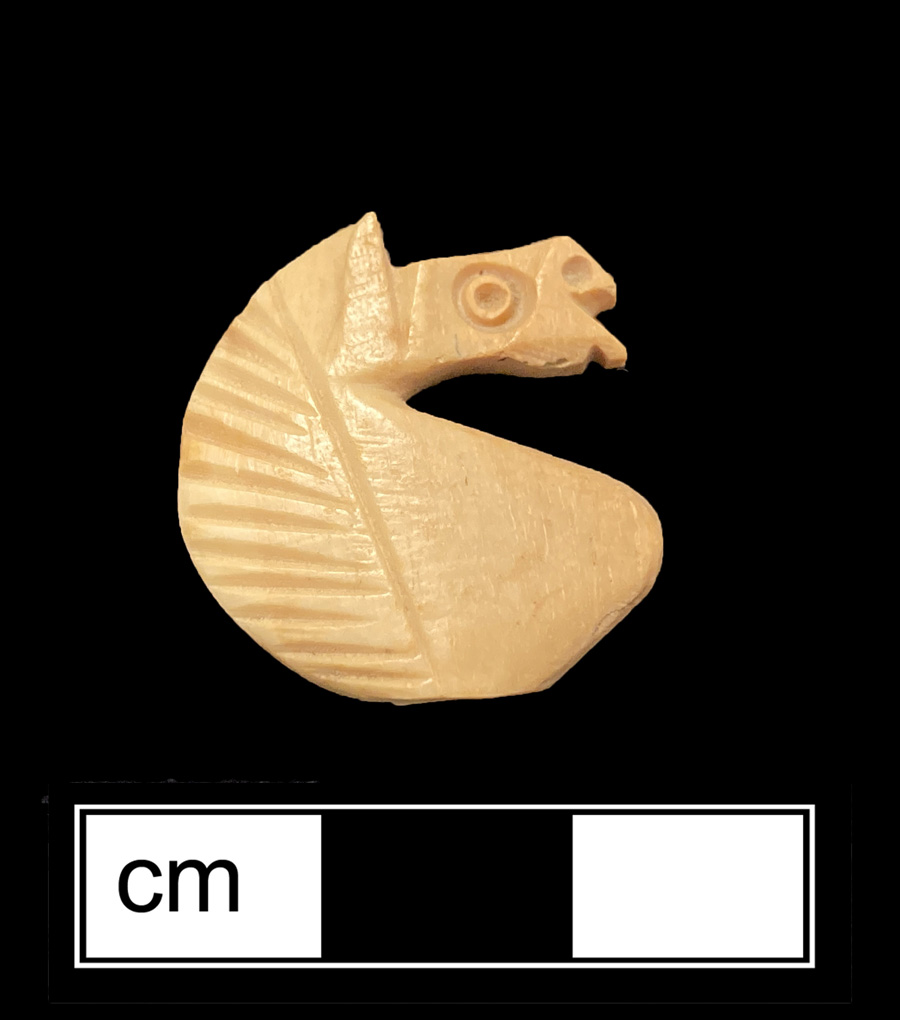
A number of small-scale archaeological projects have been conducted at Cross Manor over the years. As many as five loci of mid- to late-18th century occupation have been identified, apart from the extant 18th/early 19th-century structures. There has been no definitive evidence of a 17th-century component found yet, despite the focus of the 1989 survey on some of the areas most likely to have been selected by the 17th-century colonists. Several structures stand on the site, including a late18th-century brick house and framed kitchen ell, a reconstructed frame and brick outbuilding, an adaptively reused brick smokehouse, a swimming pool and pumphouse, and five other groundskeeping and farm-related outbuildings. Scatters of flaked stone, fire cracked rock, and oyster shell were found in several areas, including one small stemmed point and one Madison point.
The first recorded archeological work done at the Cross Manor site was an underwater survey done by Don Shomette in 1988 to comply with U.S. Army Corps of Engineers permit requirements for the erection of groins, bulkheads, a riprap breakwater, and the fill and planting of marsh grasses along the shoreline. During the May, 1988 work, the underwater area designated "Area A-3," covering both sides of the point, was designated 18ST574. Also in 1988, Thunderbird Archeological Associates conducted Phase I testing underwater around the wharf and along the shoreline, to determine if shoreline stabilization activity would impact subsurface remains on the land and also map and flag the location of the wharf pilings. This work yielded evidence of the Civil War-era coal pier and a coal lens associated with it.
In 1989, James G. Gibb was contracted by the property owners to survey an area proposed for a swimming pool. A total of 43 shovel test pits were excavated and the site of an apparent brick clamp was observed on the surface. Architectural debris found in the eastern half of the project area, may represent a structure that stood east of the limits of testing.
Later in 1989, Gibb again conducted surface survey across all the fields surrounding the manor. A total of 367 artifacts was collected from the property in general (only diagnostic artifacts were retained), of which 150 were datable ceramics from the 18th and 19th centuries (only diagnostic artifacts such as ceramics were collected).
In 1990, James Gibb examined the proposed location for a tennis court and also conducted a Phase I shovel test pit survey in the unplowed portion of the Orchard Field. All of the transects produced some late 18th- through 20th-century domestic and architectural debris, with the bulk of the 18th- and early 19th-century materials found on the south and east sides of the field, with the 18th and early 19th century material in the southeast corner of the field being dense enough to suggest the presence of a domestic structure.
In 1991, Gibb again conducted shovel testing (32 shovel test pits) along a proposed utility line. Indications of structural remains and domestic kitchen refuse were encountered between the extant house and wellhead to its north, southwest of the tennis court, but outside of the area of direct impact. Evidence of another structure was recovered in an area where a stone foundation had been recorded during a survey in 1989.
References
1988 Archeological Investigations at Cross Manor Sand Spit, St. Mary's County, Maryland. (Thunderbird Archeological Associates) MHT # ST 65.
1989a An Intensive Archaeological Survey of the proposed swimming pool site, Cross Manor (18ST571), St. Inigoes, MD. MHT# ST 93.
1989b A Rapid Surface Reconnaissance and Collection of the Plowed Fields of Cross Manor (18ST571), St. Inigoes, MD. MHT# ST 87.
1990 Supplemental Archaeological Survey at Cross Manor, St. Inigoes, MD (18 ST 571). MHT# ST 78.
1991 A Phase I Archaeological Survey of the Utility Lines, Cross Manor (18 ST 571), Areas I and II, St. Inigoes, St. Mary's County, MD. MHT# ST 82.
1988 Archaeological Reconnaissance of the Beach and Nearshore at Cross Manor, St. Mary's County, MD. MHT# ST 62.