James Geddy House (Colonial Williamsburg Foundation Block 19, Area B, Building 11)
Site History
The James Geddy House is a restored 18th-century structure located in the Historic Area of Colonial Williamsburg. In the 18th century, the property (encompassing Lots 161 and 162 at the northeast corner of Duke of Gloucester Street and Palace Green) was owned by James Geddy I, a gunsmith and brass founder, who lived and worked there. Geddy first purchased Lot 162, probably in the mid-1730s, and lived on that lot. He purchased Lot 161 to the west in 1738 and constructed a shop and forge in a building on that lot.
After Geddy's death in 1744, his two of his sons David and William continued the brass working and gunsmithing operation. In 1750, widow Geddy sold Lot 162, necessitating that the living and working spaces for the family were now confined to the structure on Lot 161. It is likely that the structure that sat on Lot 162 was demolished prior to the sale of the lot, as well as the old building and workshop addition on Lot 161. A workshop was constructed on Lot 161 around 1750. In 1760, James Geddy's widow conveyed the house and lot to son James Geddy II, who worked as a silversmith. and continued to live there for the next eleven years. The dwelling house standing on the property today was renovated in the early 1760s. He moved to Dinwiddie County in 1777 and sold the lot to Robert Jackson in 1778.
Archaeological Investigations
The James Geddy House site has been the focus of three archaeological excavations by the Colonial Williamsburg Foundation. The initial work, undertaken in 1930-1931, sought to discern colonial features on the property, which contained a standing 18th-century structure known as the Neale House. Immediately following the early 1930s excavation, Neale House was restored to remove later additions and return the structure to its colonial appearance (and is now known as the James Geddy House). Excavations on the eastern portion of the property, conducted in 1953, revealed an east wing that abutted the main dwelling of the house.
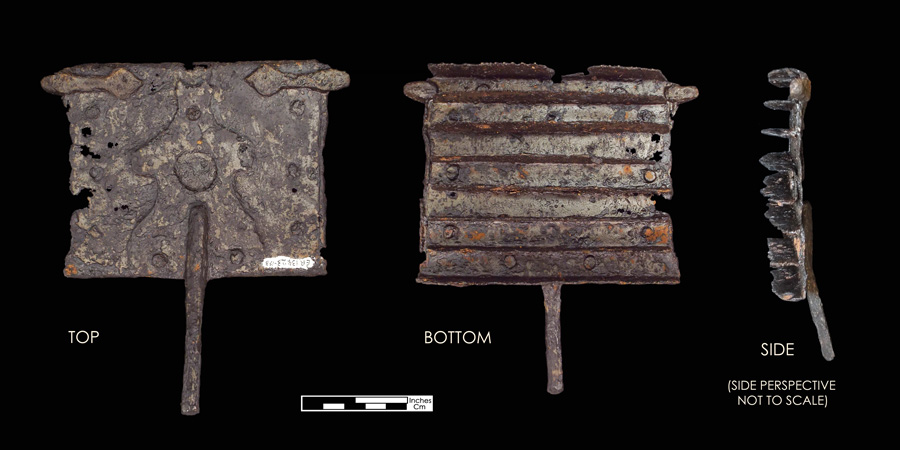
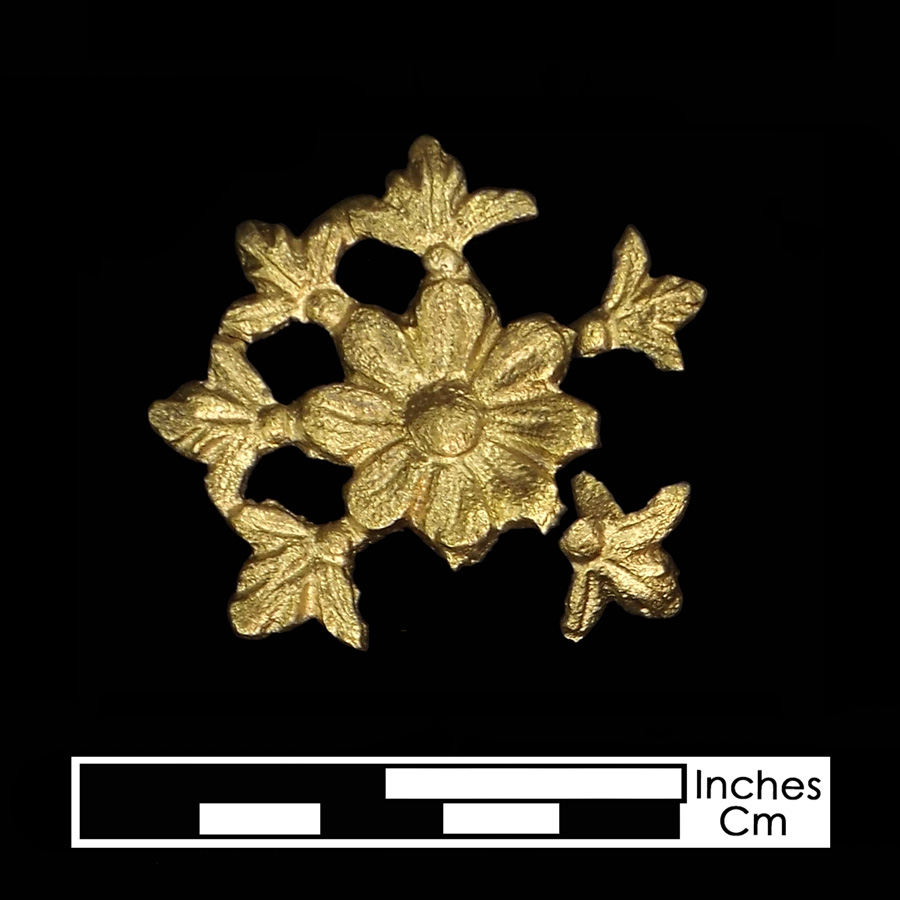
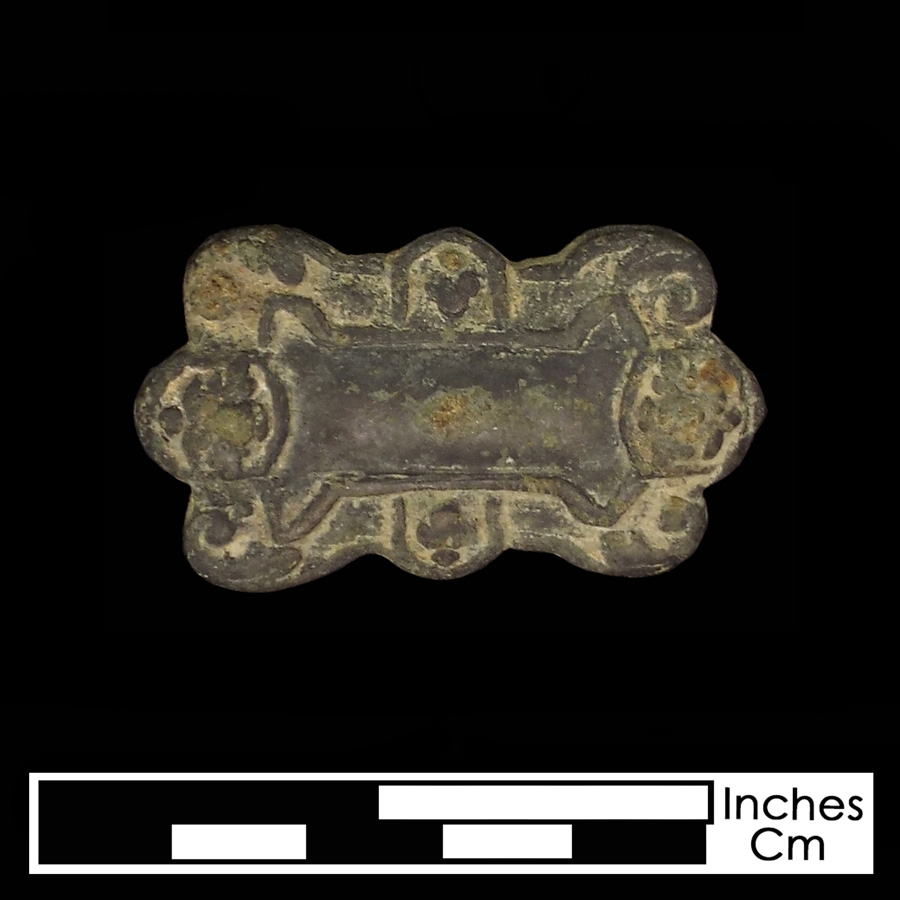
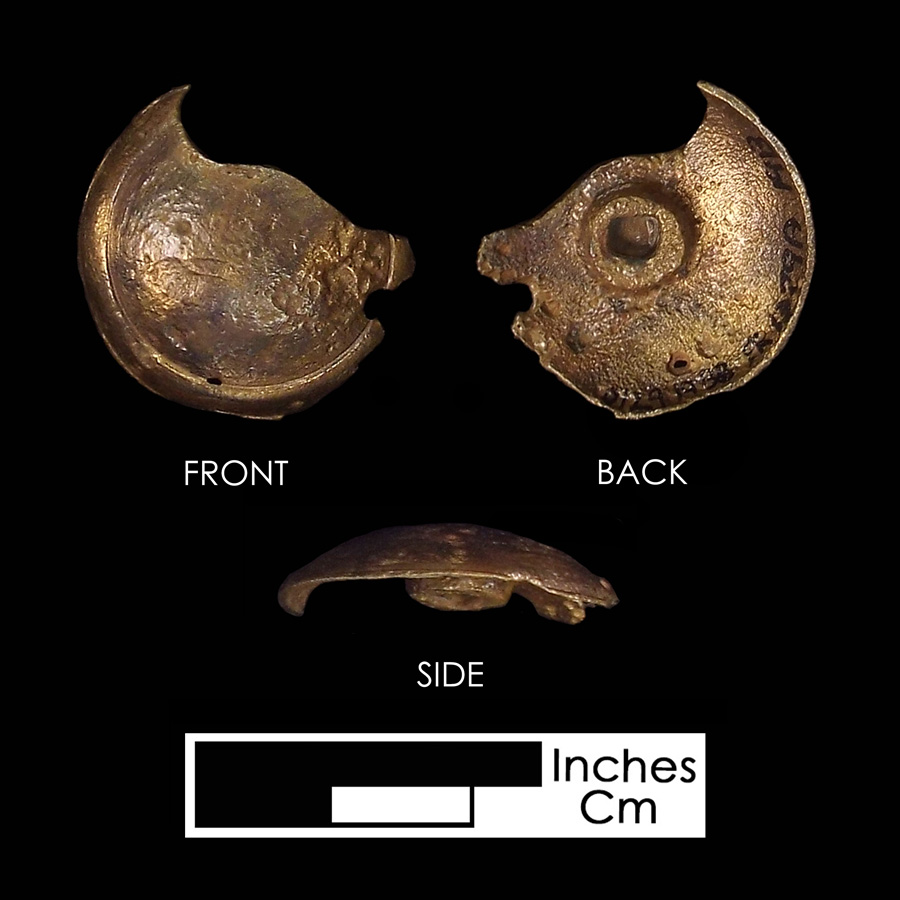
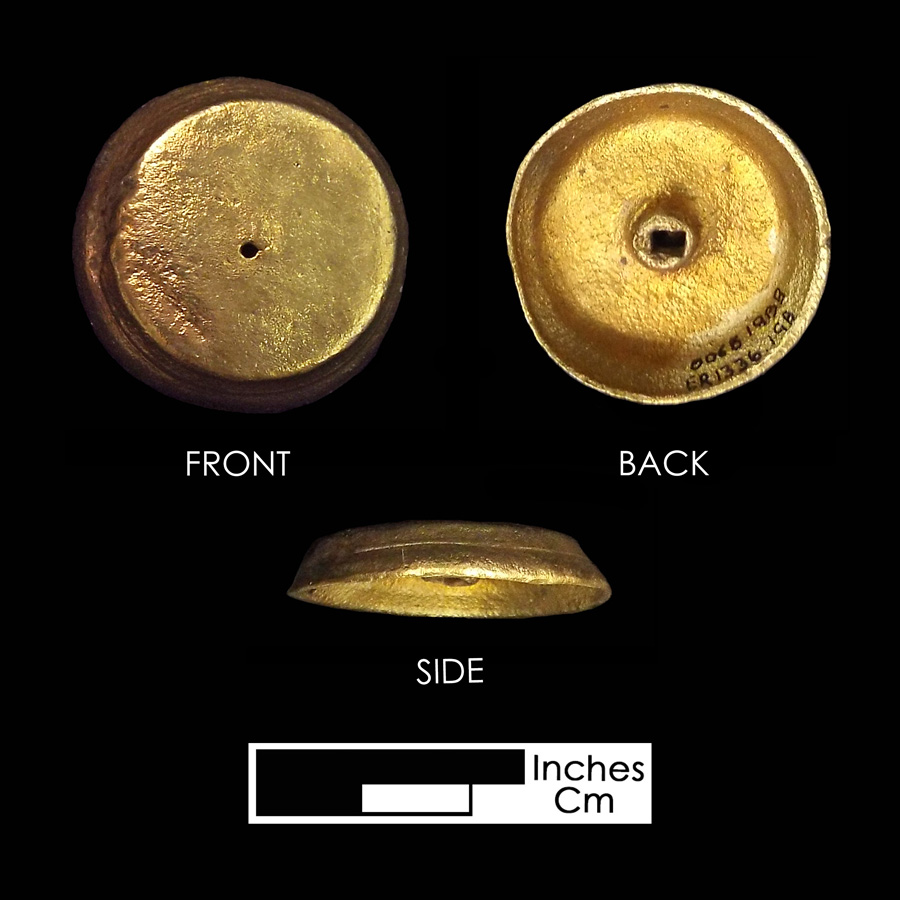
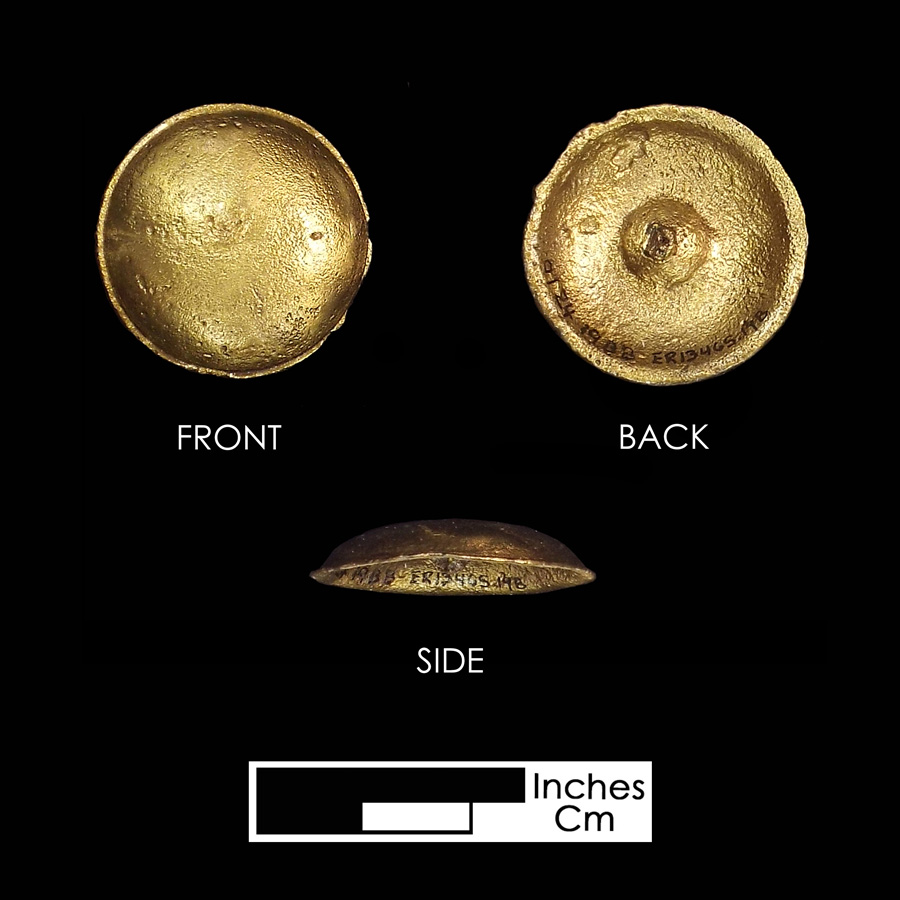
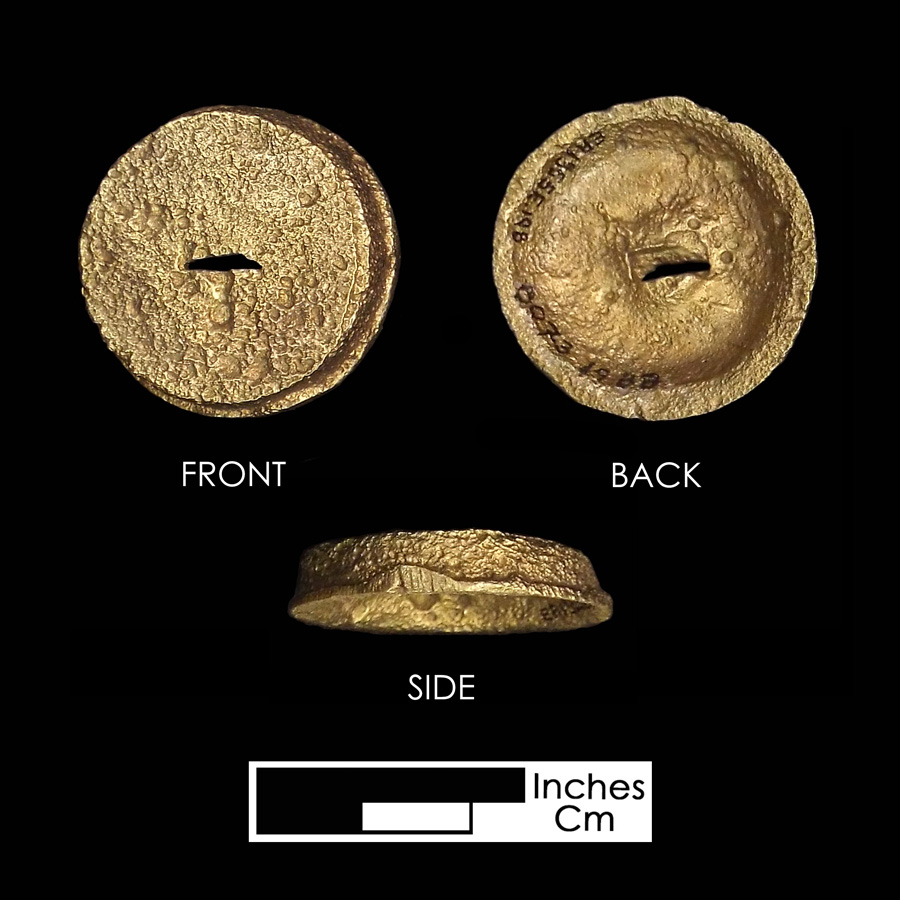
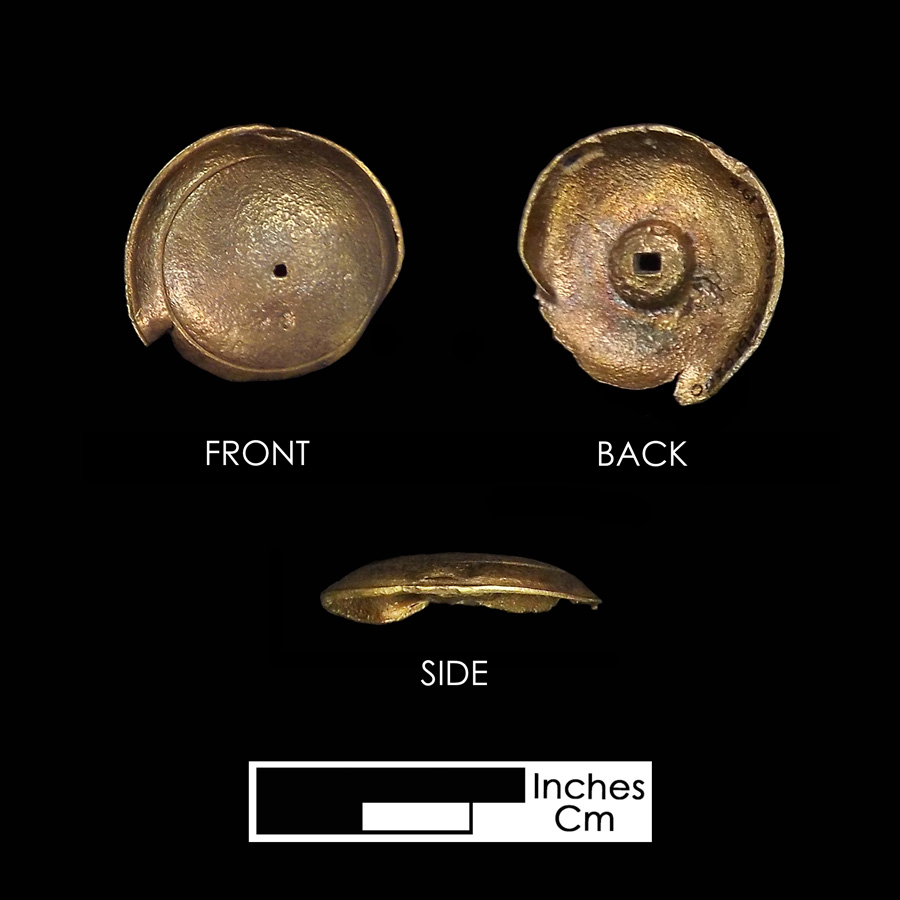
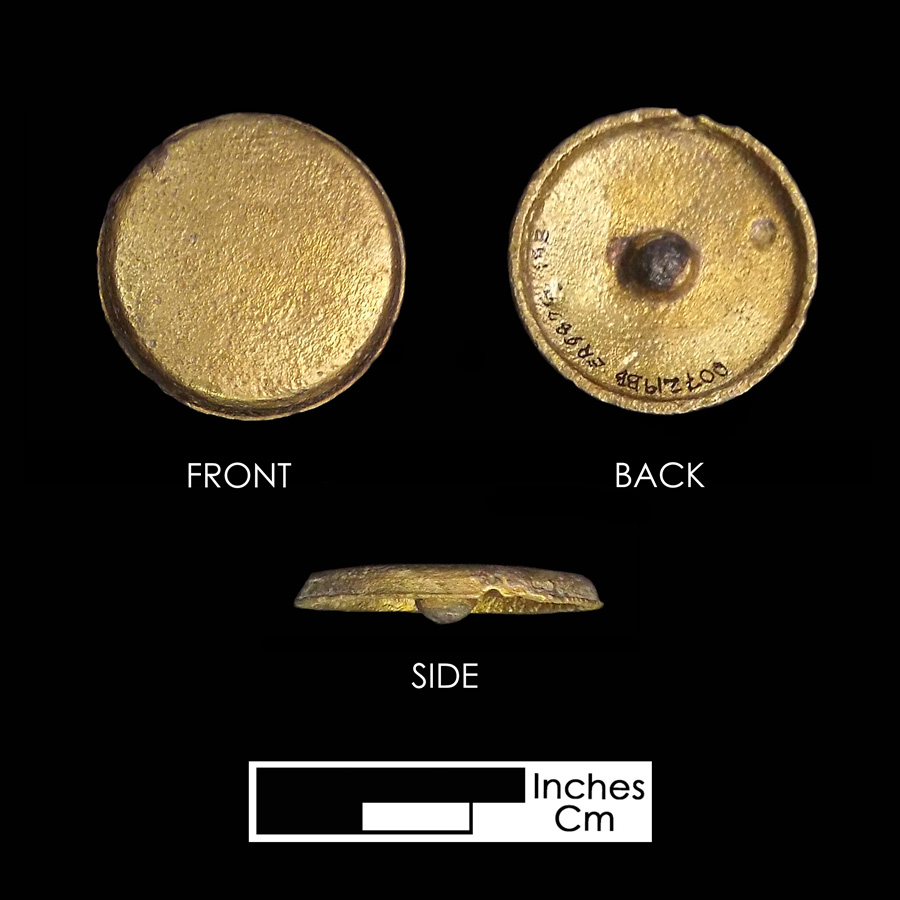
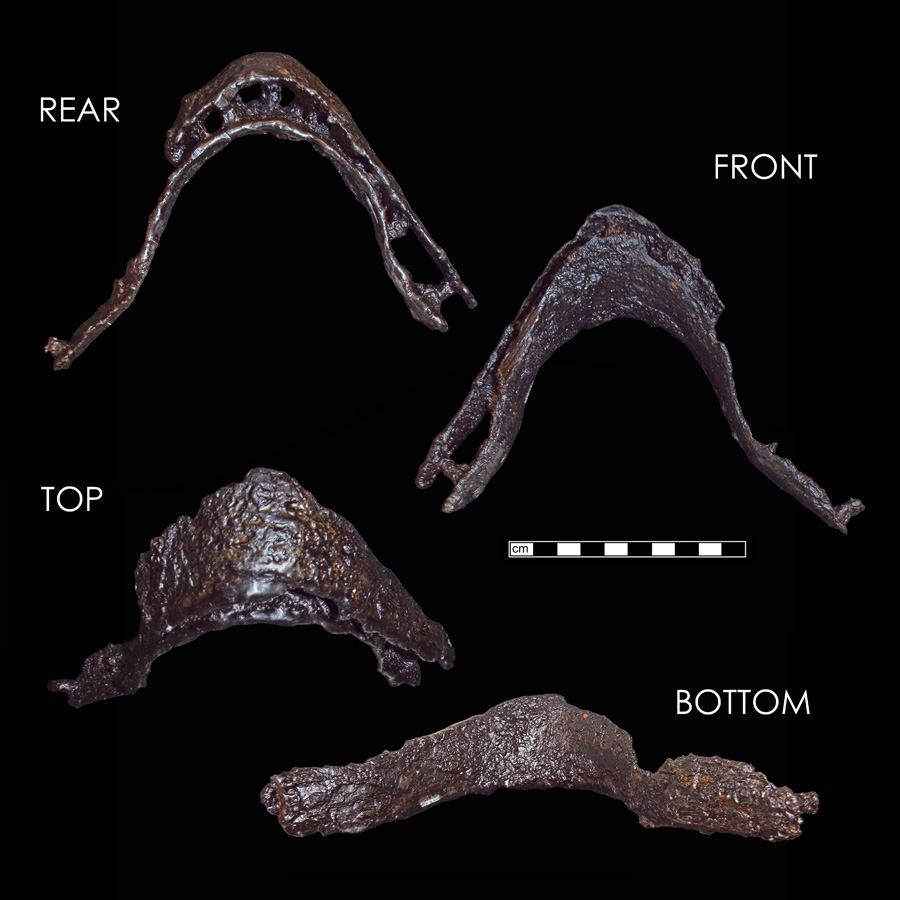
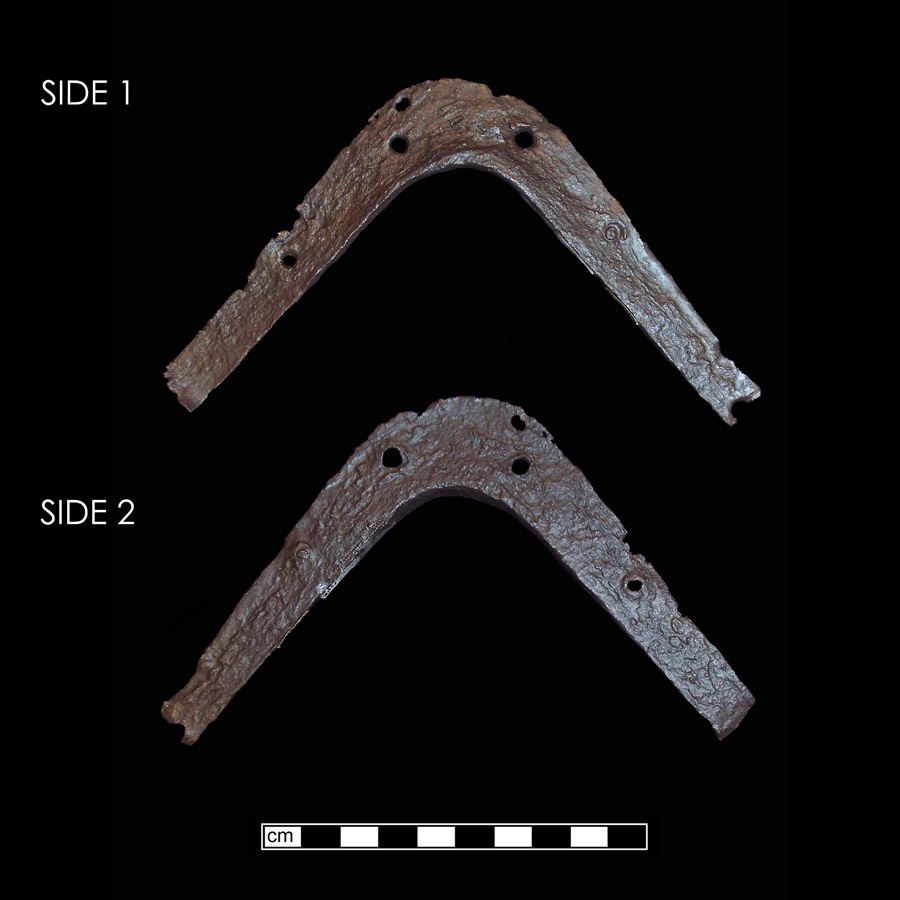
A third excavation conducted in 1967 under the direction of Ivor Noë Hume sought to recover artifacts that would provide more information about the craft activities that took place on the site. During this excavation, the remains of a brass founding shop from the James Geddy I period were found north of the dwelling house. In addition to an H-shaped fireplace and a small forge, there were numerous unfinished brass castings from items as diverse as shoe buckles, clock parts, harness elements, and sword hilts, were found during this excavation. Also discovered was a large spread of iron-working refuse, as well as a shallow pit containing iron slag and unfinished gun parts.
References
1969 James Geddy House Archaeological Report, Block 19 Building 11 Lot 161 Originally entitled: "The James Geddy Site Block 19, Area B Colonial Lot 161". Colonial Williamsburg Foundation Library Research Report Series—1446 Colonial Williamsburg Foundation Library Williamsburg, Virginia. Electronic resource accessed May 4, 2026 at https://digitalcollections.colonialwilliamsburg.org/asset-management/2RERYD4F2AOL?&WS=SearchResults&Flat=FP.
1970 James Geddy and Sons; Colonial Craftsmen. Colonial Williamsburg Archaeological Series No. 5. Colonial Williamsburg Foundation, Williamsburg, VA.