Townsend (7S-G-2)
Site History
The Townsend site (7S-G-2) is a precontact Late Woodland to Early Contact period (ca. A.D. 950–1600) village site in rural Sussex County, Delaware.
Archaeological Investigations
The Townsend site was first noted in the early 20th century by collectors. Excavations at the Townsend site were primarily conducted in the late 1940s by the Sussex Society of Archaeology and History under the direction of Smithsonian Institution physical anthropologist Thomas D. Stewart and local archaeologist Henri G. Omwake.
The Townsend Site contained at least 90 significant archaeological features, including storage pits filled with shell and refuse, post molds outlining circular domestic structures, and refuse middens containing food remains and artifacts. The site layout indicates a village-like settlement pattern.
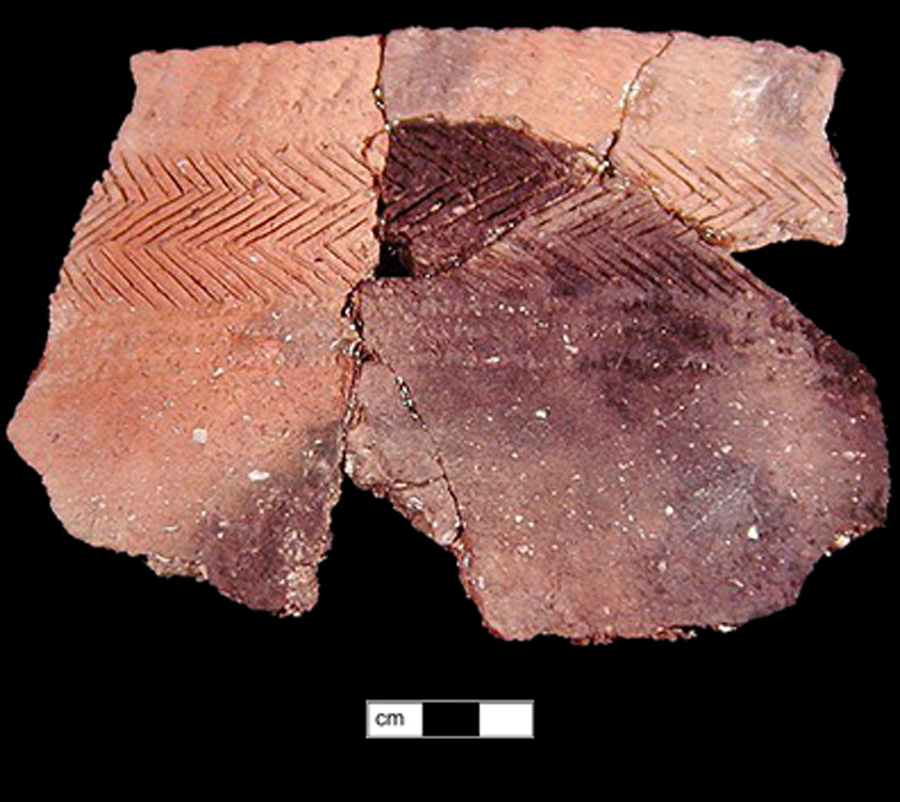
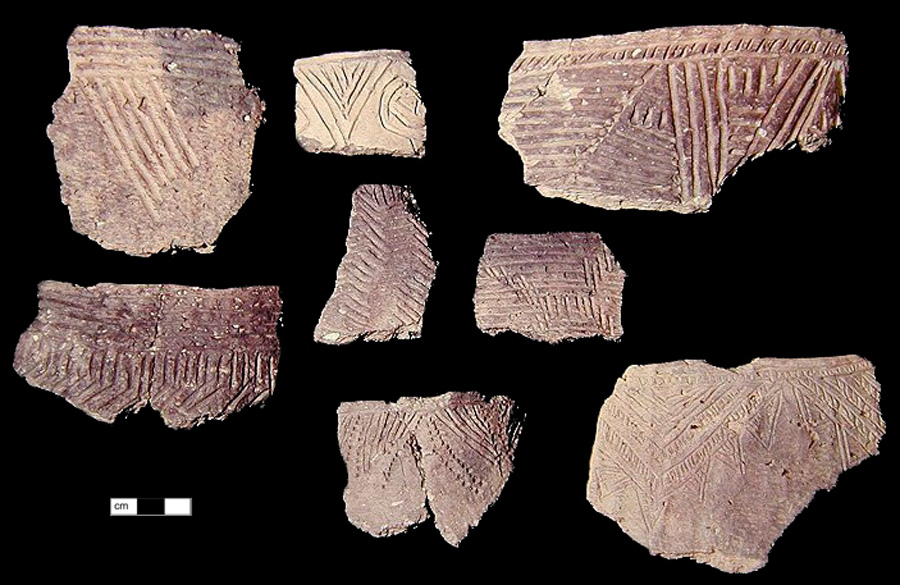
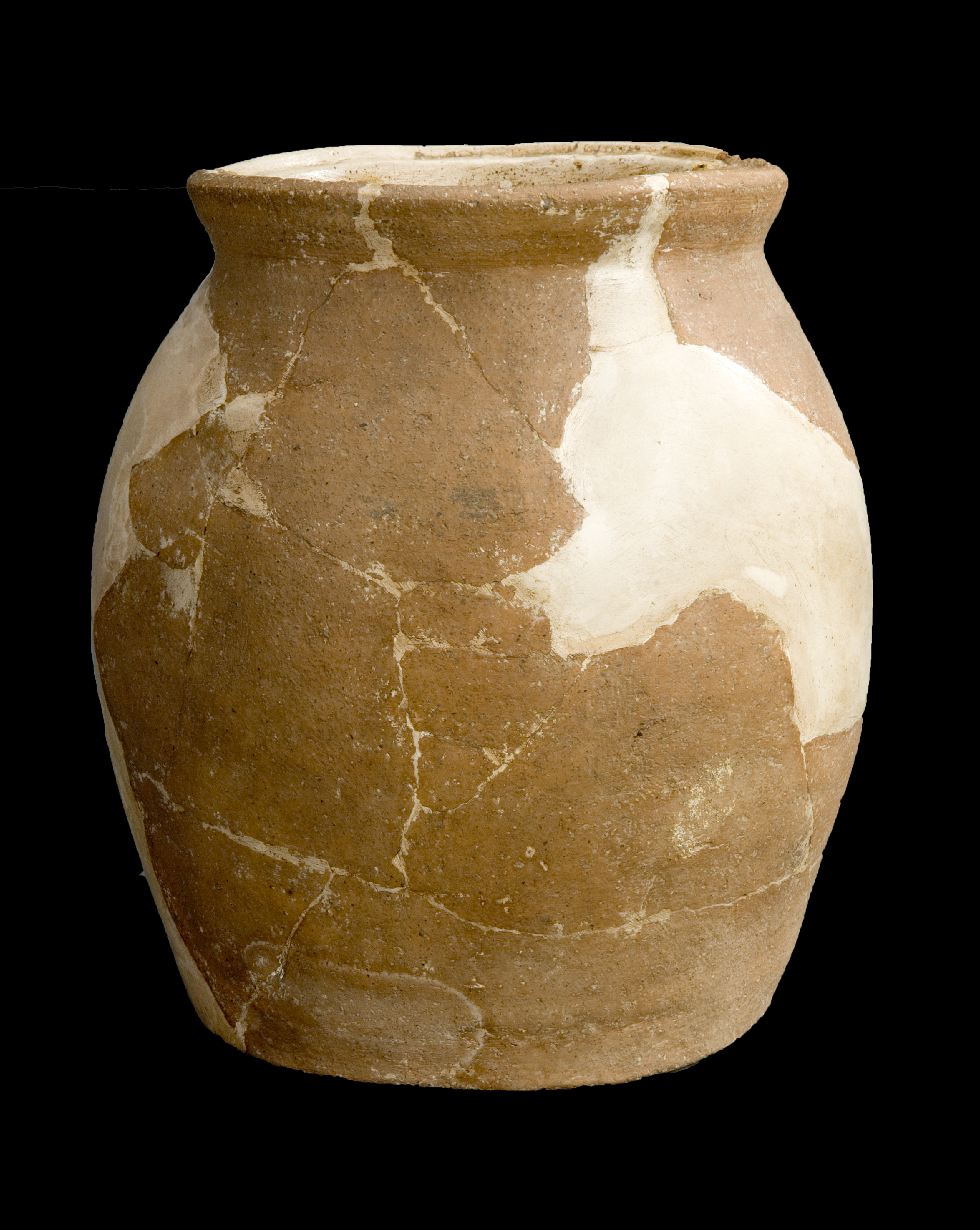
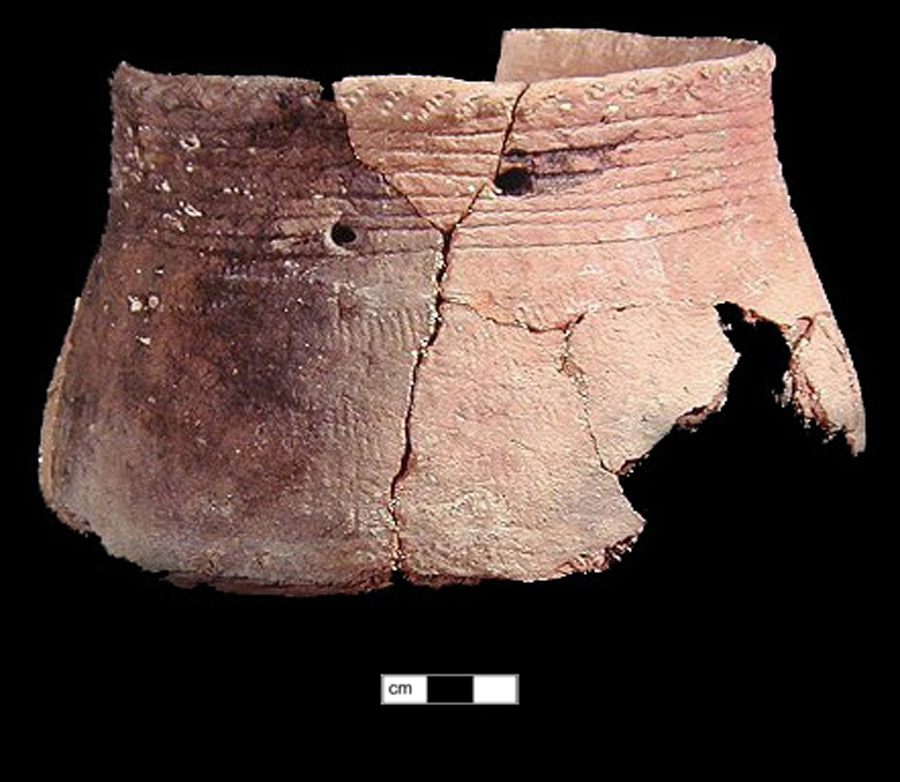
The Townsend site is perhaps best known as the site for which Townsend ceramics are named. Using collections excavated in the 1940s, archaeologist Dorothy L. Blaker identified three wares from this site in 1963: Townsend Incised, Townsend Corded Horizontal, and Townsend Herringbone. Radiocarbon dates from associated contexts at the site confirm the ceramic's temporal span of circa A.D. 950 to 1600.
The Archaeological Society of Delaware conducted a reanalysis of the site's artifacts in the early 1960s, culminating in the publication The Townsend Site Near Lewes, Delaware edited by H. Geiger Omwake and T. Dale Stewart. The Townsend Site was listed on the National Register of Historic Places in 1978.
References
1962 The Townsend Site near Lewes, Delaware. Manuscript 4669, National Anthropological Archives, Smithsonian Institution. Also published in The Archeolog v.15.1: The Sussex Archaeological Association, Delaware 1963.
Associated Artifacts
Townsend Series
Townsend Series
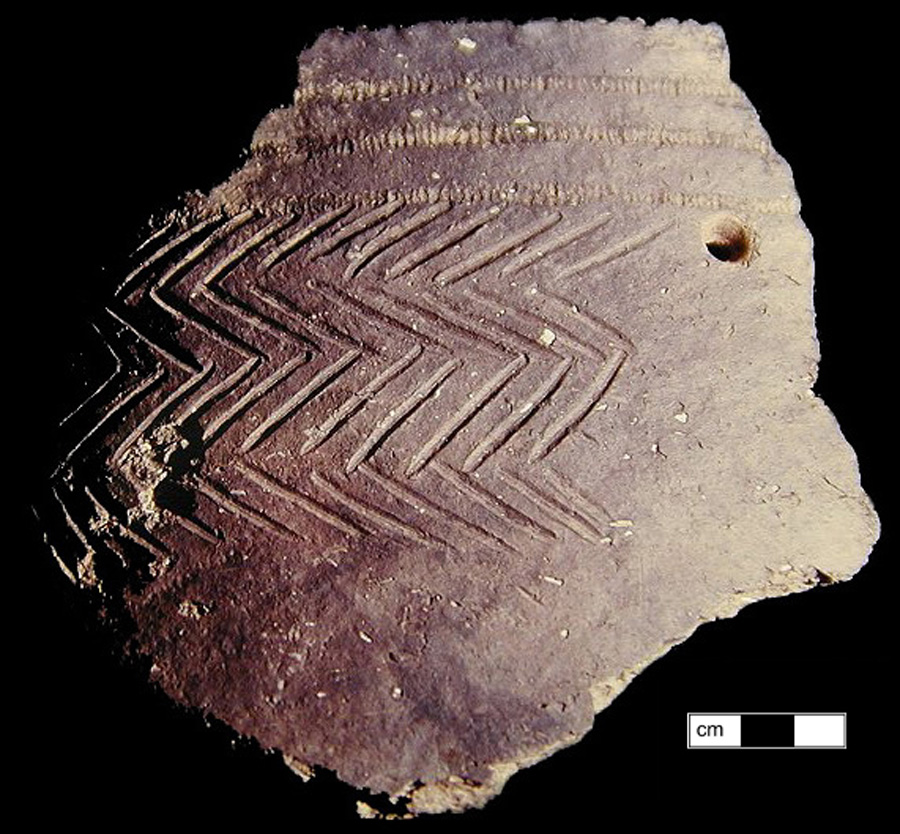
Townsend Series