Marriott Site Waster Dump (28Me449)
Site History
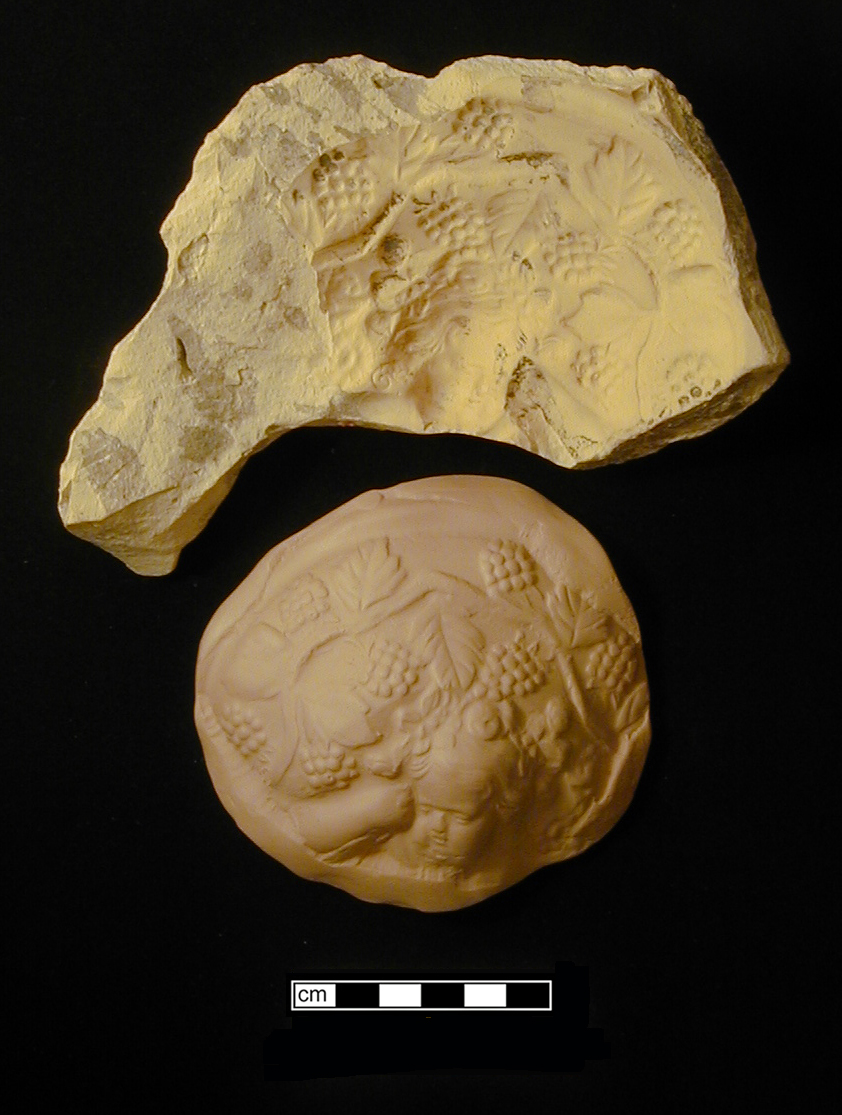
The Marriott Site yellow ware waster dump is a circa 1863-1868 deposit of yellow ware and Rockingham earthenware sherds associated with one of five known manufacturers of these ceramics in Trenton New Jersey.
Archaeological Investigations
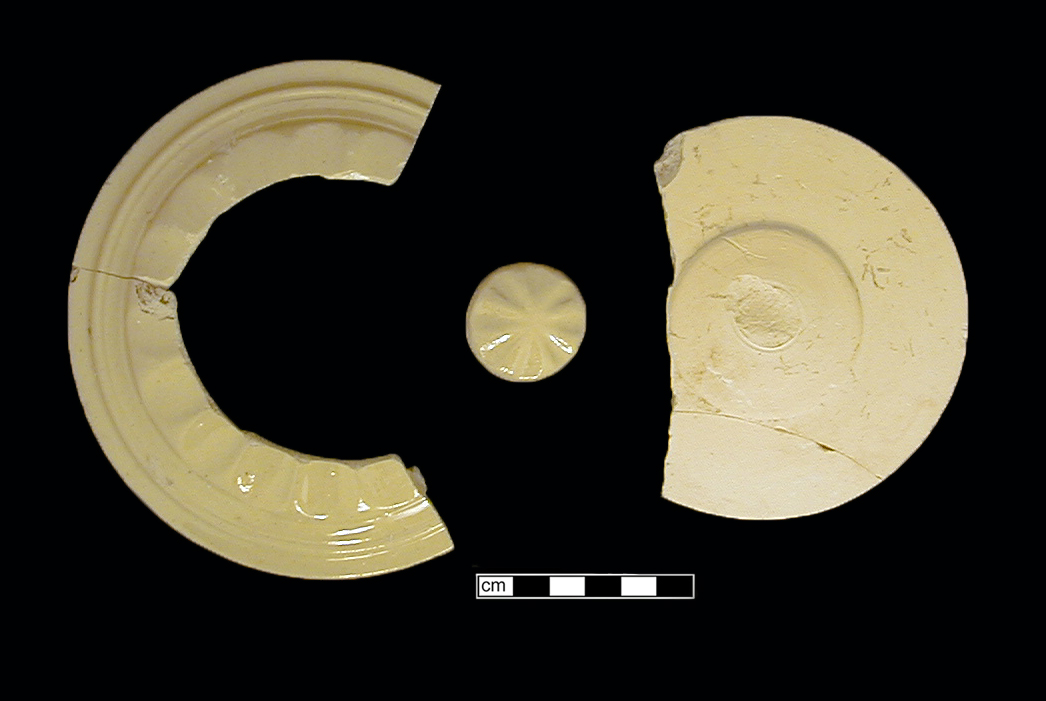
During the construction of the Marriott Hotel in Trenton, New Jersey in 2000, construction crews encountered a large deposit of ceramic wasters – sherds that broke during firing or were otherwise defective and not marketable. Archaeological monitoring by Hunter Research, Inc. in the summer of 2000 documented the dump or deposit of yellow ware and Rockingham ware sherds and related kiln furniture. The deposit, observed in the side of a construction trench, was approximately 20 feet long and between 0.5 feet to 2.5 feet thick.
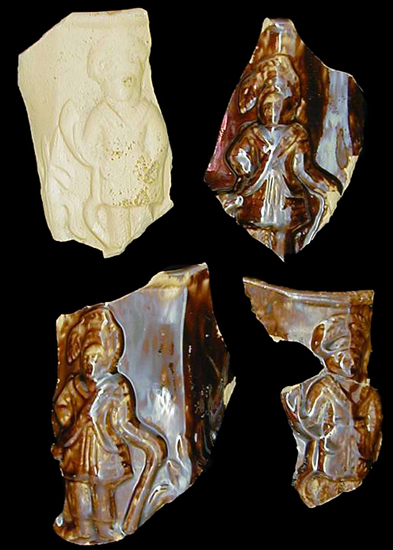
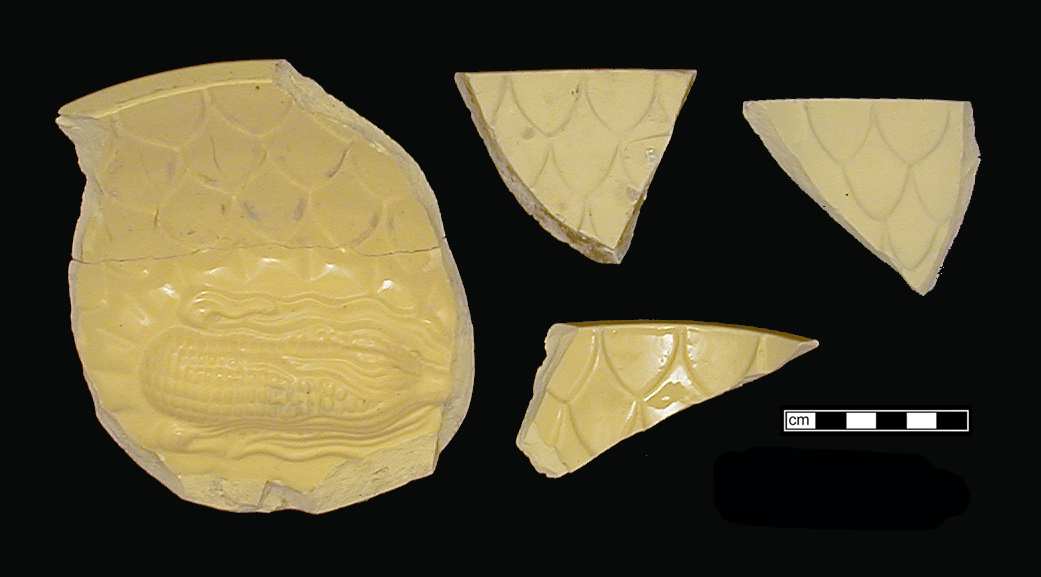
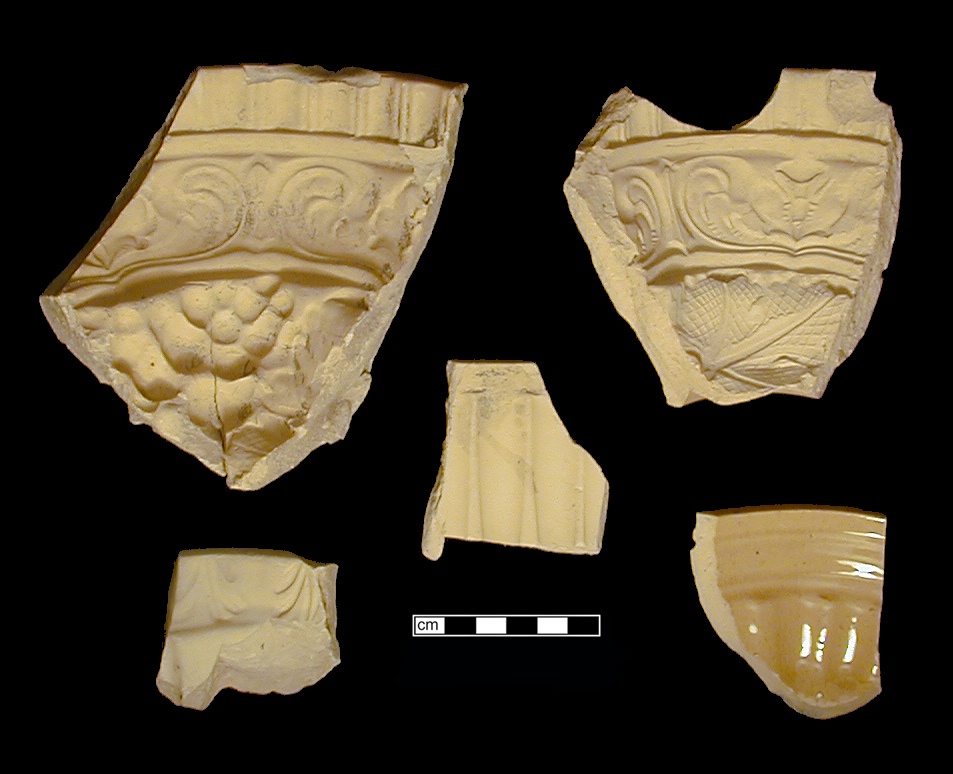
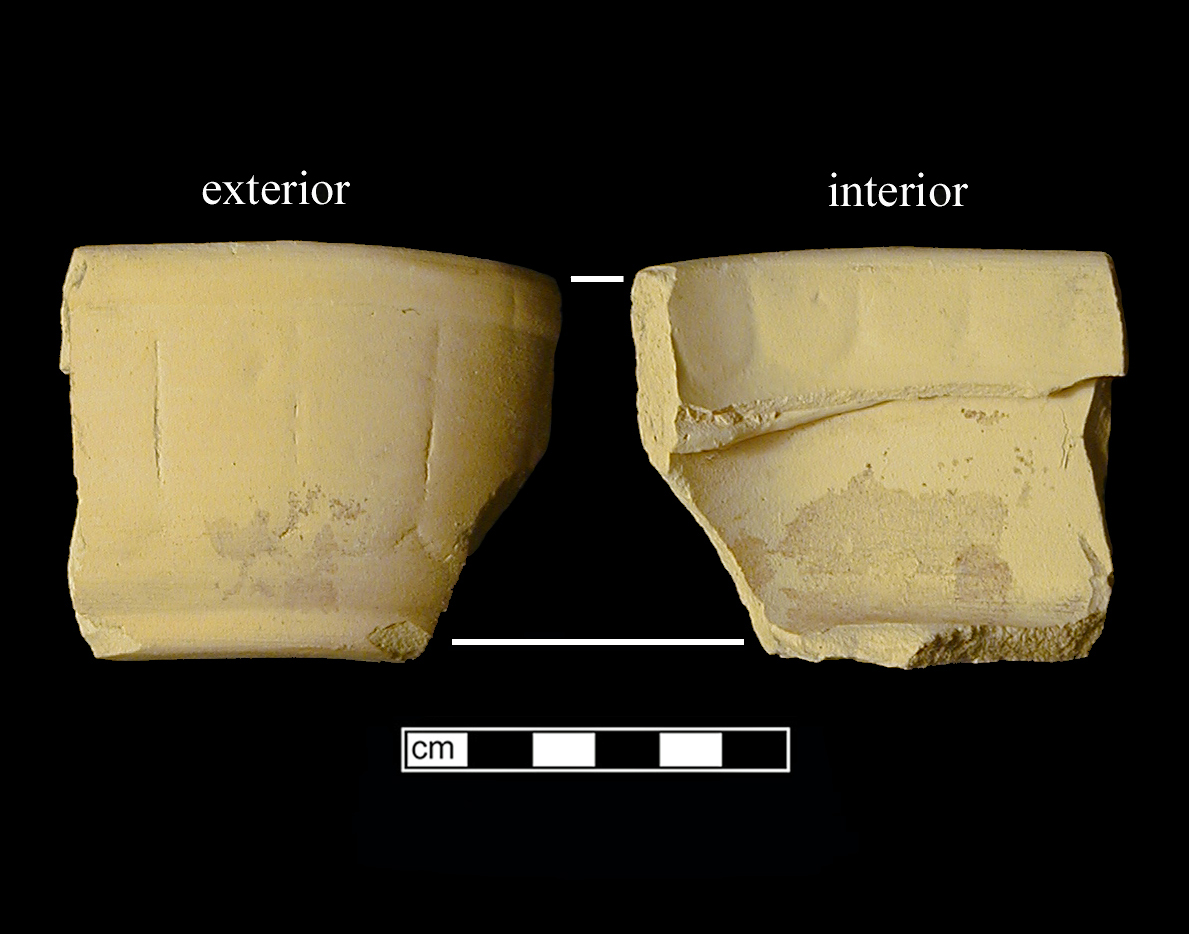
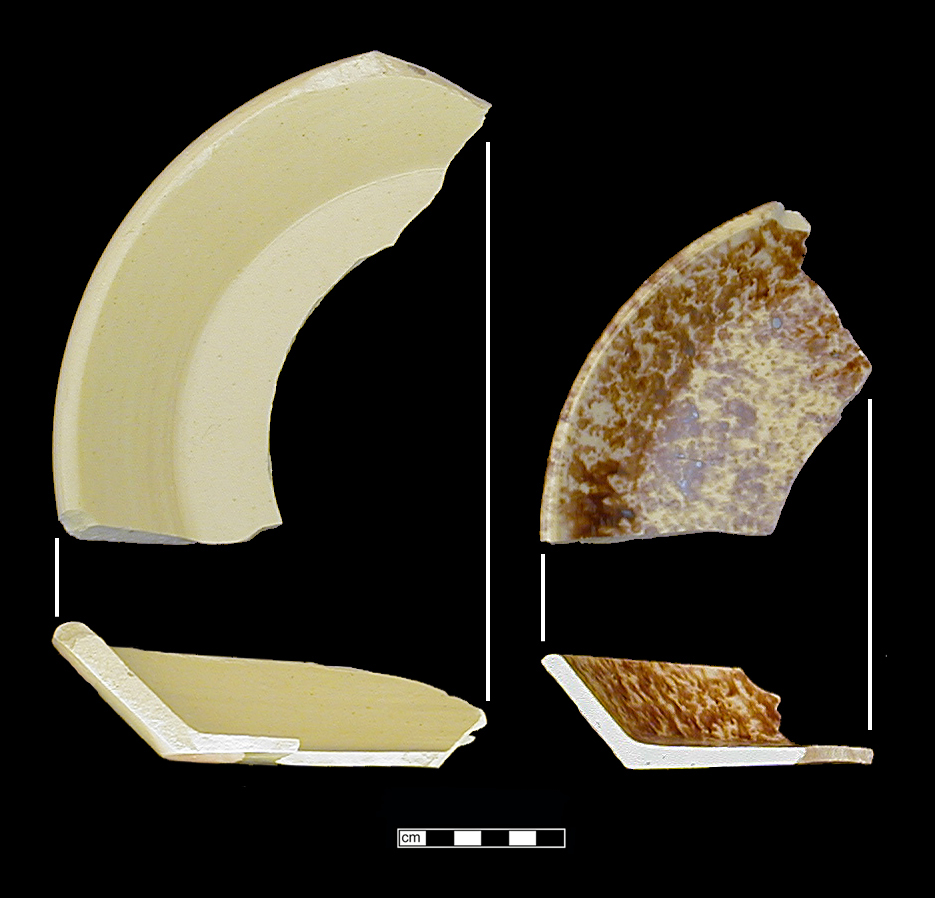
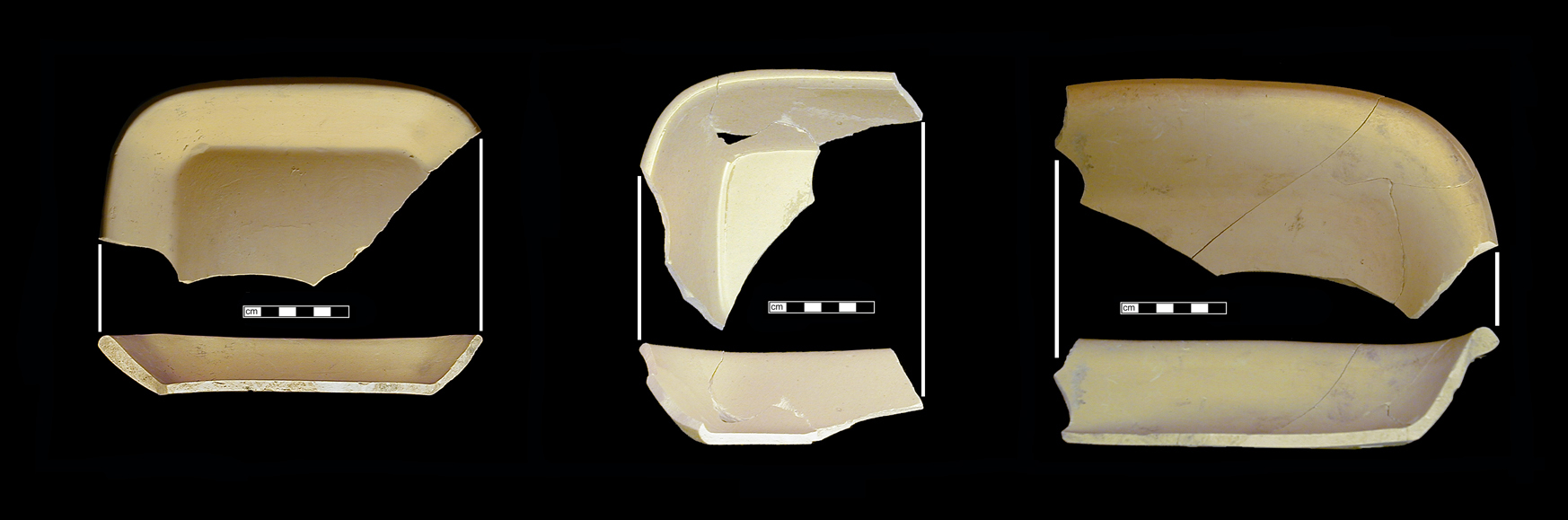
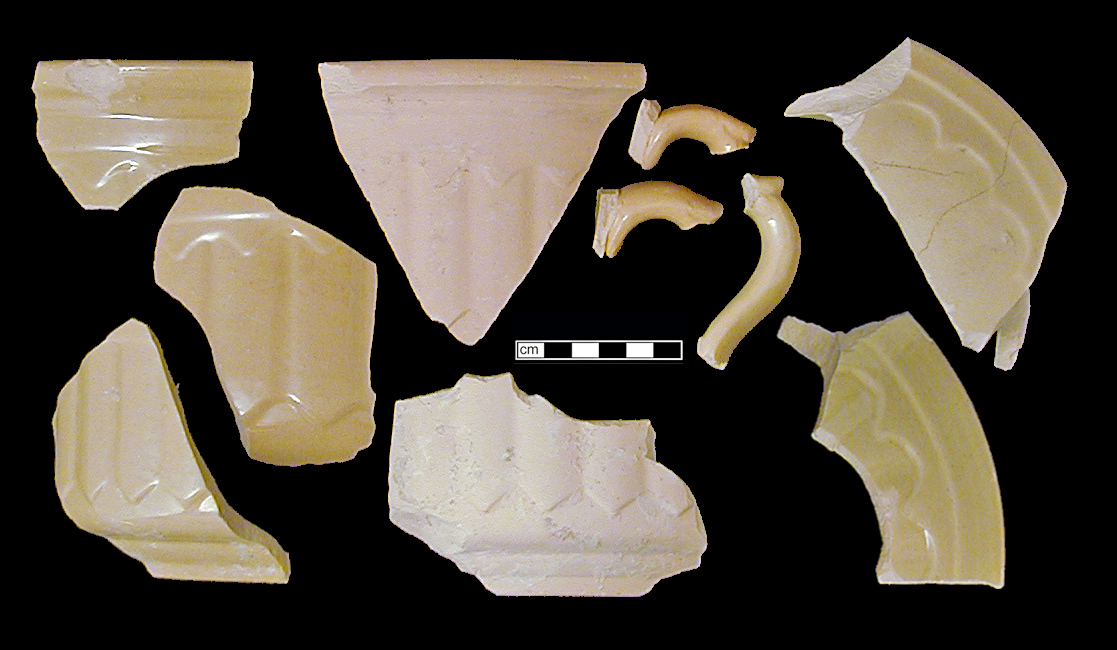
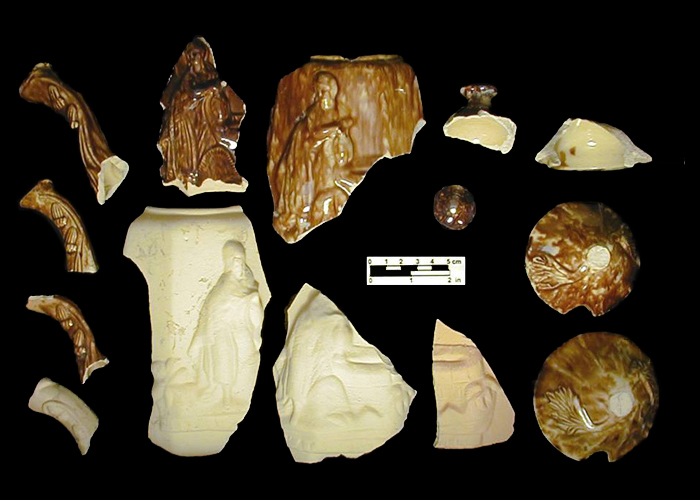
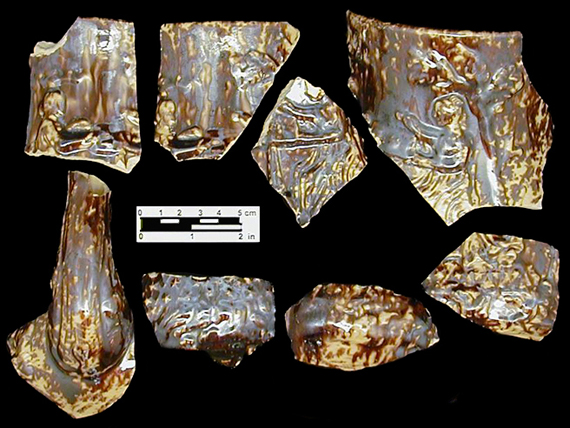
The deposit contained thousands of sherds from a variety of vessel forms, but the assemblage was dominated by shallow undecorated pie plates and nappies. Most of the sherds were undecorated yellow ware, but some had been decorated with relief molding. Approximately 40% of the sherds had a colorless alkaline glaze; others had streaked and mottled brown manganese glaze typical of Rockingham earthenware. None of the sherds contained maker’s marks, but analysis of the ceramics and land use history allowed the assemblage to be attributed to Charles Coxon's Clinton Street Pottery. Coxon founded the manufactory in 1863, operating it until his death in 1868. His sons renamed the pottery Coxon and Company and it remained in business until 1883. The sherds from the Marriott Hotel waster dump appear to date from Charles Coxon’s 1863-1868 operation.
References
2000 Archaeological Monitoring at the Proposed Marriott Conference Center, City of Trenton, Mercer County, New Jersey. Technical compliance report prepared for the City of Trenton/New Jersey Department of Environmental Protection. On file at the New Jersey Historic Preservation Office (NJHPO), Trenton, New Jersey.
2003 A Coxon Waster Deposit of the Mid-1860's Sampled in Trenton, New Jersey. Ceramics in America. Electronic resource accessed May 28, 2026 at https://chipstone.org/article.php/93/Ceramics-in-America-2003/A-Coxon-Waster-Deposit-of-the-Mid-1860's-Sampled-in-Trenton,-New-Jersey.
Associated Artifacts
Rockingham Ware
Rockingham Ware
Rockingham Ware