Common Stone Types
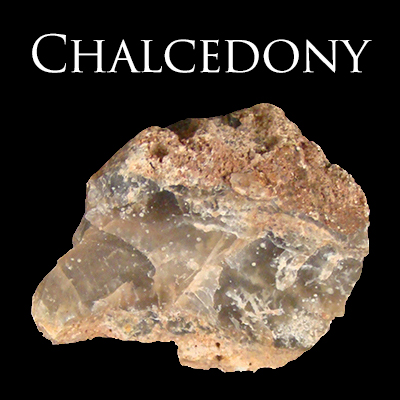
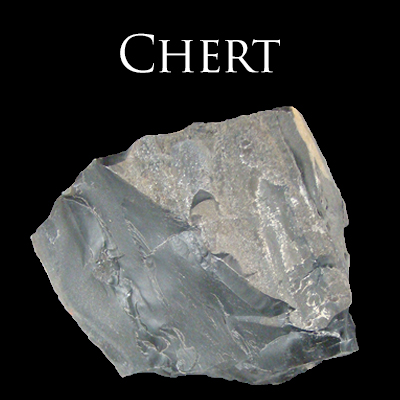
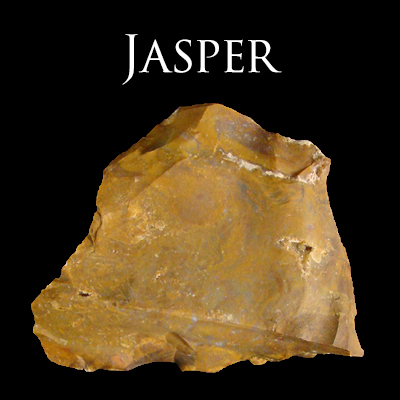
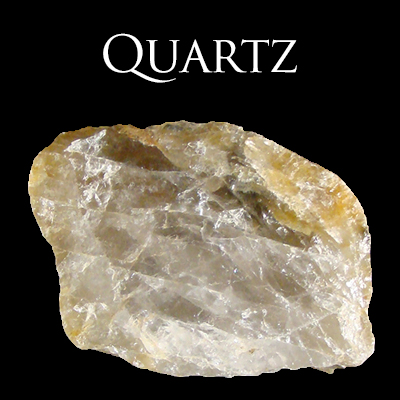
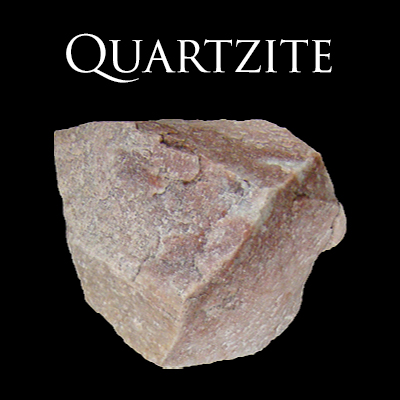
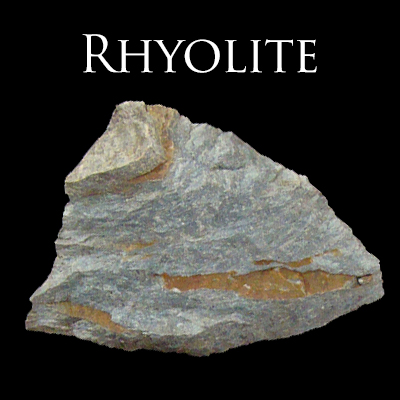
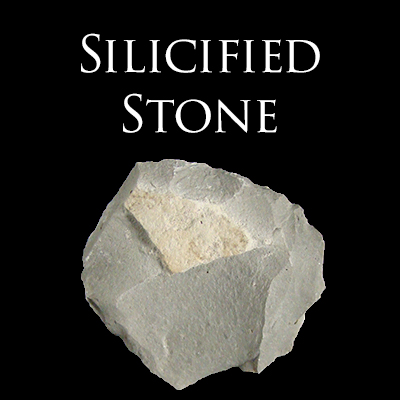
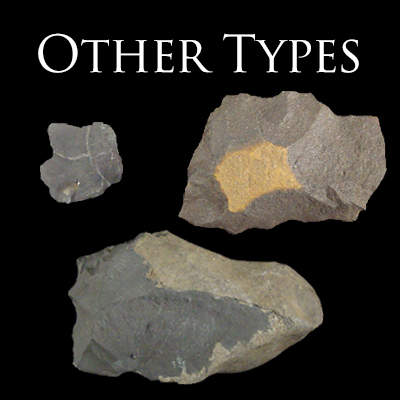
Stone projectile points must be made from suitable materials, and Native Americans knew where to find rocks of the proper size, shape, and quality. In Maryland, the best stone for points is high in silica (like glass) and flakes in a conchoidal (shell-shaped) fracture pattern that produces a sharp cutting edge. Silica-rich materials include chert, chalcedony, jasper, quartz, quartzite, rhyolite, and silicified stones.
More information about some of the rock types in the Photo Galleries can be found on the Virginia Department of Historic Resources website: https://www.dhr.virginia.gov/projectiles-lithics/.
Click on stone names below to see Photo Galleries.
References
1998 Lithics: Macroscopic Approaches to Analysis. Cambridge University Press, Cambridge, UK.
1995 Town Creek Indian Mound: A Native American Legacy. The University of North Carolina Press, Chapel Hill.
n.d. Archeological Lithic Materials. Unpublished manuscript.
2002 A Time of Dust: Archaeological and Geomorphological Investigations at the Paw Paw Cove Paleo-Indian Site Complex in Talbot County, Maryland. Chesapeake Bay Watershed Archaeological Research Foundation, Tilghman, MD.
2012 Geochemical Impacts to Prehistoric Iron-Rich Siliceous Artifacts in the Nearshore Coastal Zone. Journal of Archaeological Science 39:690-697.
1992 An Archaeologist’s Guide to Chert and Flint. Institute of Archaeology, University of California, Los Angeles.
1984 Archaeologically Significant Characteristics of Metarhyolites. In Prehistoric Lithic Exchange Systems in the Middle Atlantic Region. Edited by Jay F. Custer. University of Delaware Center for Archaeological Research Monograph 3. Newark, DE.
1992 Lithic Resource Utilization in Western Maryland Prehistory. Journal of Middle Atlantic Archaeology 8:1-10.