Earthenware
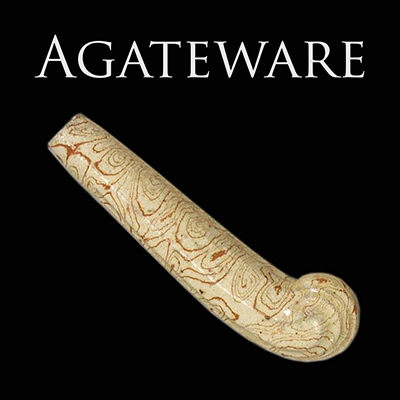
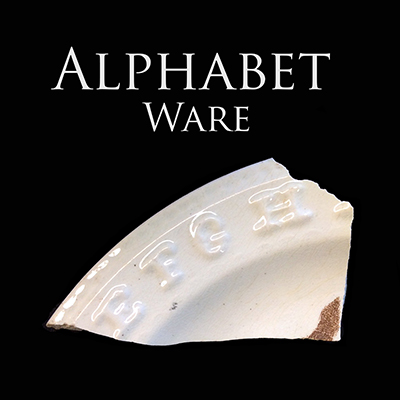
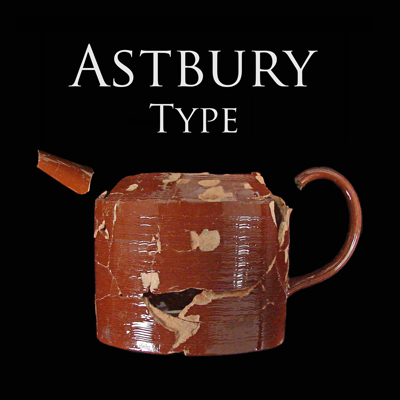
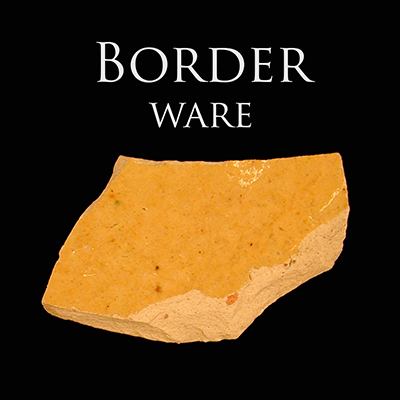
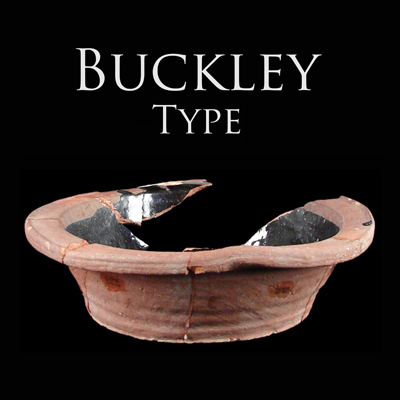
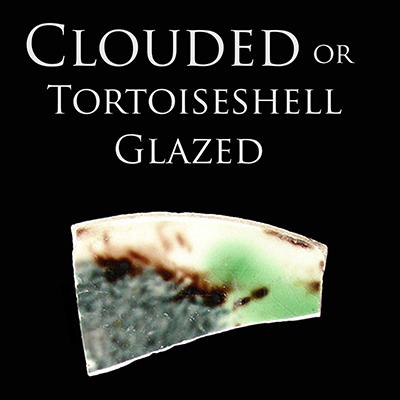
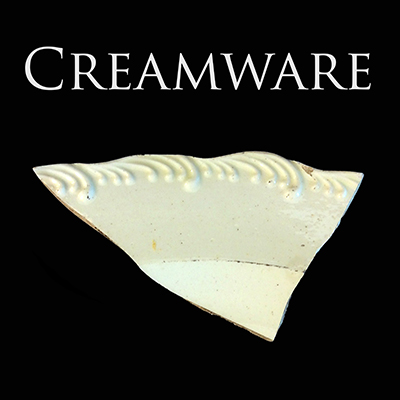
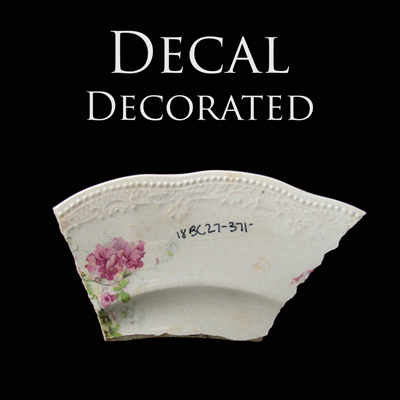
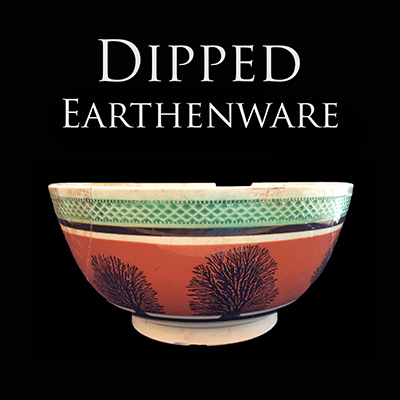
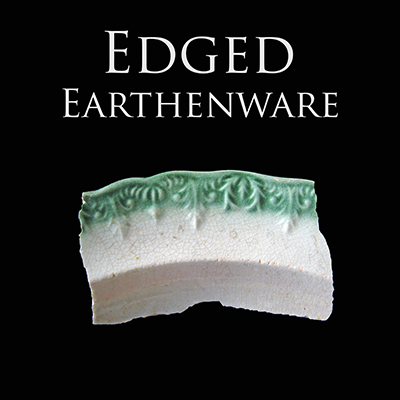
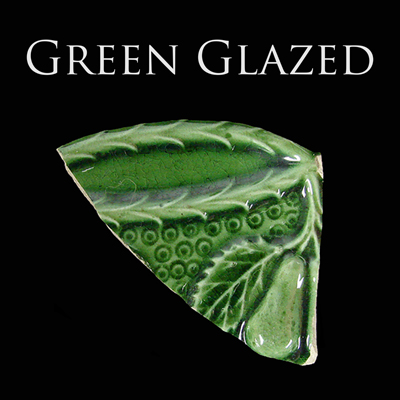
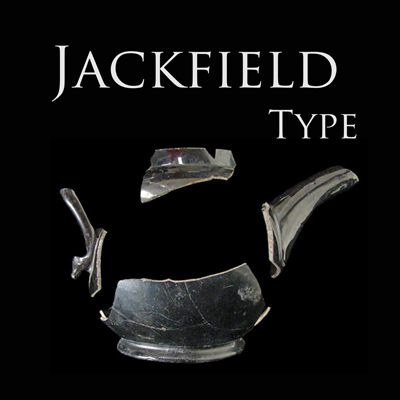
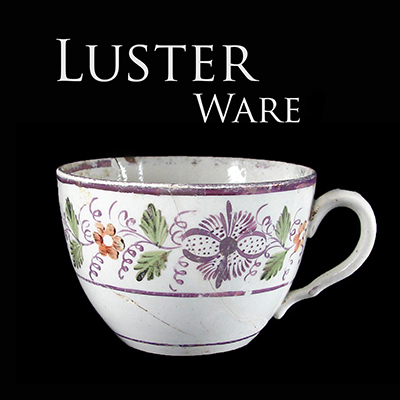
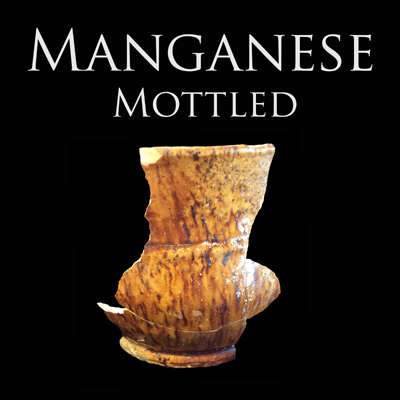
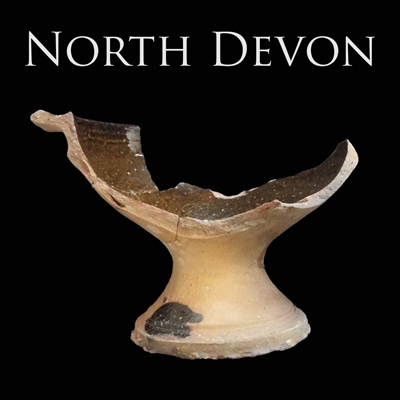
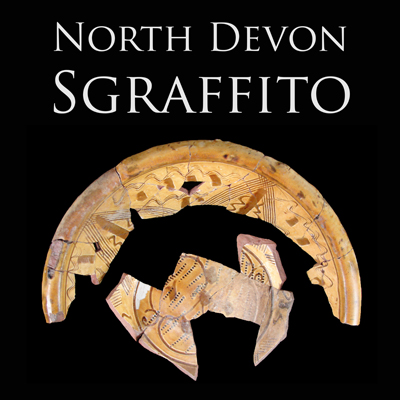
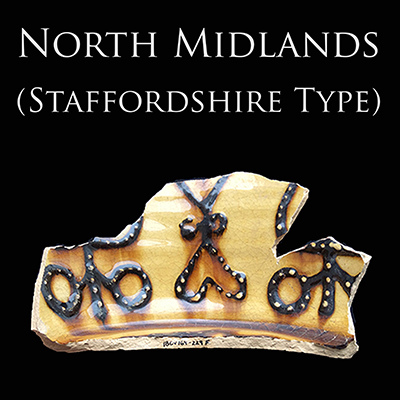
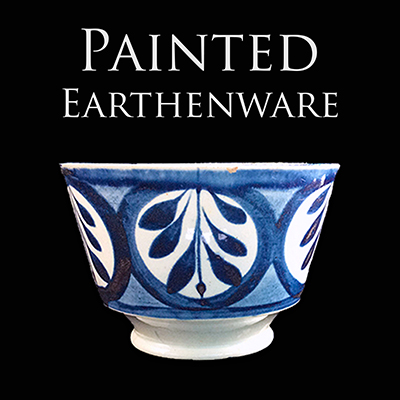
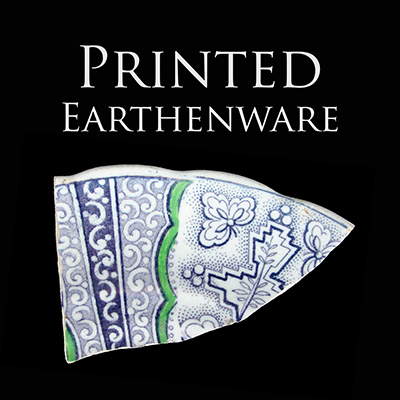
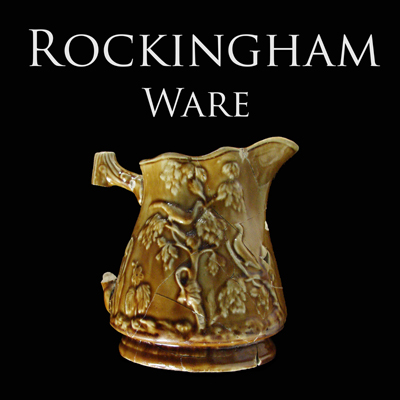
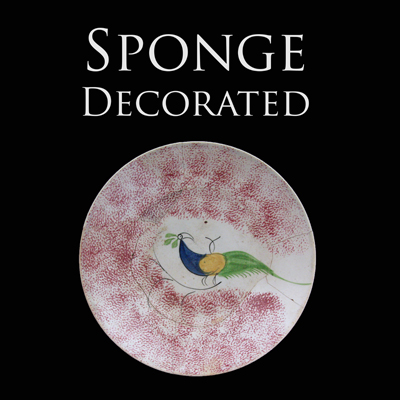
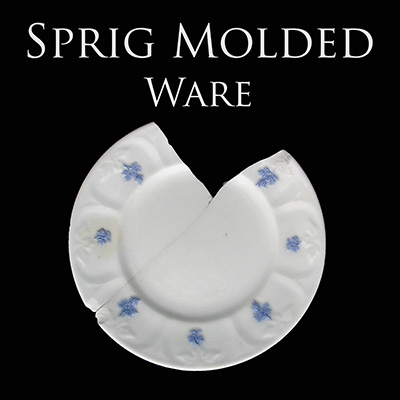
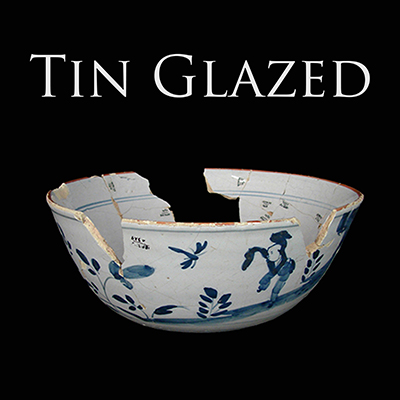
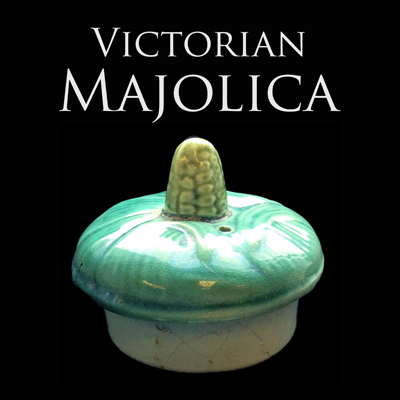
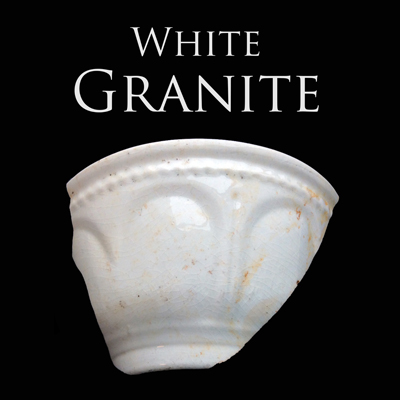
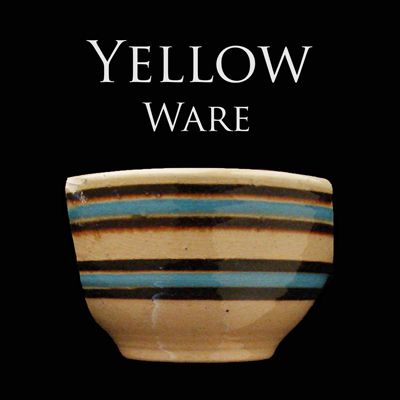
Earthenware: Earthenware is fired at the lowest temperatures, ranging from 900 degrees to 1050 degrees Celcius. This pottery is porous and requires glazing on at least one surface to hold liquids. The glaze generally contains lead oxide. Tin oxide is sometimes added to create an opaque glaze. However, not all earthenware is glazed, as is seen today on red clay flowerpots. Earthenwares fired at a low temperature have a soft, porous paste, generally ranging from buff to yellow to pink to red to grey in color. These coarse earthenwares are some of the most plentiful ceramics found on colonial archaeological sites, and their distinctive glazes, body types, and decorations help to date the site's occupation.