Clouded or Tortoiseshell Glazed
Defining Attributes
Cream-colored refined earthenware body decorated with sponged decoration in combinations of green, brown, purple and yellow.
Chronology
In 1740 Enoch Booth introduced a cream-bodied refined earthenware that was soon being manufactured by many potters in Great Britain (Noël Hume 2001:204, 209; Towner 1957:2). The development of cream colored ware, which was fired twice, marked a major transition in the English pottery industry. Each vessel was first fired to a bisque or biscuit stage; at that point it could be decorated further before being glazed and fired again.
The year 1749 is the earliest documented reference to metal oxides of manganese, antimony, iron and copper being applied to biscuit-fired wares (Barker and Halfpenny 1990:35), creating "clouded" and "tortoiseshell" wares in various shades of green, purple, brown, and yellow. This pottery is also referred to as Whieldon ware, although it was made by many factories between the 1750s – 1770s (Noël Hume 1970:124; Barker and Halfpenny 1990:36).
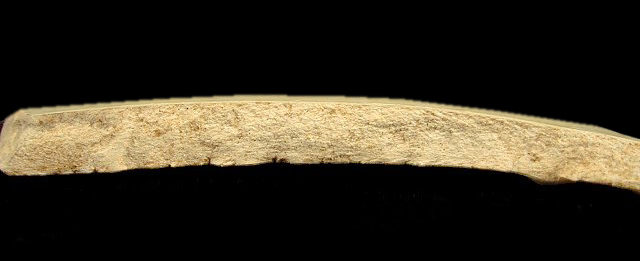
Figure 1. Clouded or tortoiseshell earthenware paste shot.
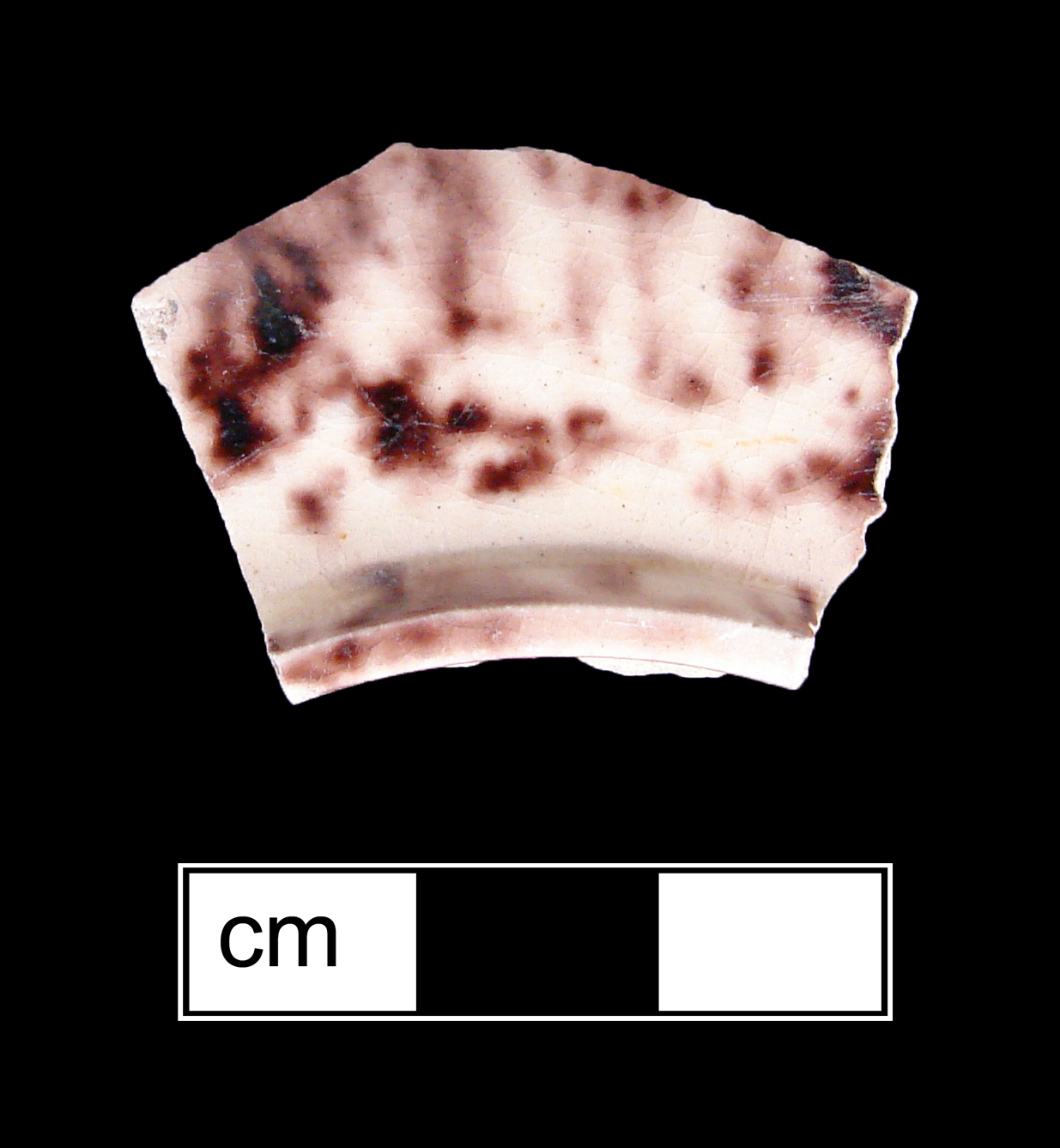
Figure 2. Clouded/tortoiseshell earthenware saucer fragment.
Description
Fabric
These wares have a hard, somewhat porous body, and thin walls. Calcined flint, feldspar, and occasionally kaolin or other local clays, were added to the white-firing ball clay (Kybalová 1989:13). Iron impurities in the clay were responsible for the cream color of this ceramic (Halfpenny 1986:14).
Glaze
Bisque (or biscuit-fired) wares were dipped into a liquid glaze containing lead oxide, flint and sometimes small amounts of clay.
Decoration
By 1749, metallic oxides were sponged onto bisque fired wares to create clouded and tortoiseshell decorated cream-colored earthenware (Barker and Halfpenny 1990:35). Clouded wares have amorphous patches of metallic oxides in combinations of green (copper oxide), purple (manganese), brown (iron) and yellow. Tortoiseshell decoration consists of brown spots or streaks on the vessel’s creamy yellow background. Clouded and tortoiseshell wares were popular throughout the 1750s and 1760s and were still in production in the early 1780s (Barker and Halfpenny 1990:36, 40).
Sprig molding, often in foliage motifs, was sometimes used in conjunction with clouded and tortoiseshell decoration. Sponged oxides were also used on plates with molded rims (barleycorn, dot, diaper and basket, or the “Success to the King of Prussia” of the late 1750s (Hildyard 2005:88), for example).
Form
Clouded and tortoiseshell wares were manufactured in a variety of forms, including teapots, plates, cups, saucers, mugs, sauceboats, pierced baskets and figurines.
References
1990 Unearthing Staffordshire: Towards a New Understanding of 18th Century Ceramics. City of Stoke-on-Trent Museum and Art Gallery, Stoke-on-Trent, England.
1986 Early Creamware to 1770. In Creamware & Pearlware; The Fifth Exhibition from the Northern Ceramic Society. Stoke-on-Trent City Museum and Art Gallery, pp. 14-19.
2005 English Pottery 1620-1840. V&A Publications, London.
1989 European Creamware. The Hamlyn Publishing Group Limited, London.
1970 A Guide to Artifacts of Colonial America. Alfred A. Knopf, New York, NY.
2001 If These Pots Could Talk: Collecting 2000 Years of British Household Pottery. Chipstone Foundation, Milwaukee, WI.
1957 English Cream-Coloured Earthenware. Faber and Faber, London.