Porcelain
Porcelain is a variety of dense, highly vitrified and translucent white-bodied ceramic produced from specialized white clays that can withstand firing temperatures over 1300° C. There are three types of porcelain: hard paste, soft paste and bone china. Each type will be discussed in separate sections. These essays are meant to be basic overviews; there are many excellent source books and other materials that explore porcelain in depth.
The Chinese were the first to create porcelain and kept the technique for making this delicate pottery secret for hundreds of years. Imports of Chinese porcelains became available to the Western world through the trade networks of the Portuguese and Dutch in the 16th and 17th centuries. European and English potters imitated the popular blue and white Chinese wares when manufacturing their tin-glazed and white-bodied earthenware and stoneware. By the 18th century, both hard-paste and soft-paste porcelain was made in Europe and England. Bone china production began in England at the beginning of the 19th century and in the United States by the turn of the 20th century (Venable et al. 2003:140).
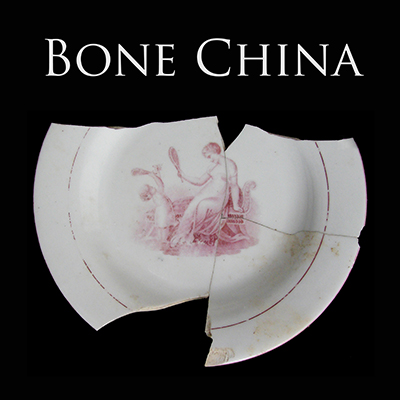
Porcelain Types
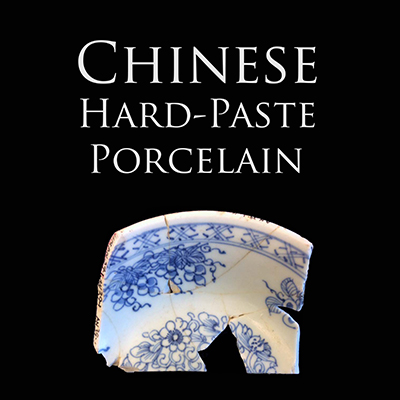
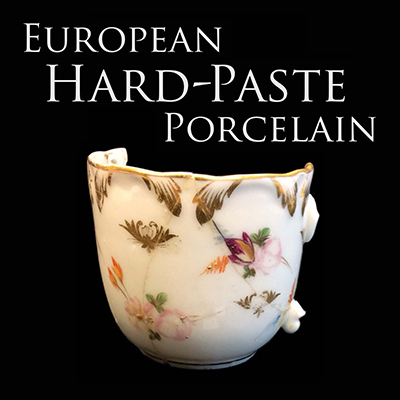
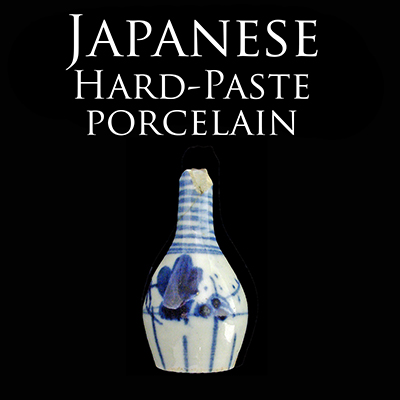
Hard-Paste Porcelain – The discussion of hard-paste porcelain has been divided into three sections: Chinese hard paste, Japanese hard paste and European hard paste (also sometimes called Continental European hard paste but here the name has been revised slightly in order to include English hard paste). Hard paste porcelain is fired at higher temperatures than bone china or soft-paste porcelain and has a highly vitrified paste that is resistant to staining.
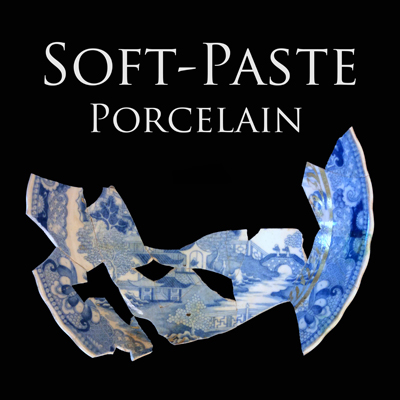
Soft-Paste Porcelain – Soft-paste porcelains were made in England, Continental Europe and the United States, in imitation of Chinese porcelain. English soft-paste porcelain from the 18th century has a somewhat softer paste than Chinese hard paste porcelain and a clear, semi-gloss glaze that frequently appears distinct from the body. The glazed surface of soft-paste porcelain fluoresces a dull pink to greyish purple under shortwave and mid-range ultraviolet light.
Bone China – Bone china is porcelain whose high translucency comes from the inclusion in the paste of calcined bone ash. It is considered to be a "porcelain hybrid" (Owen 2002:51), since its paste falls between that of hard- and soft-paste porcelains. Under short and mid-range ultraviolet light, the glazed surface of bone china appears blueish white.
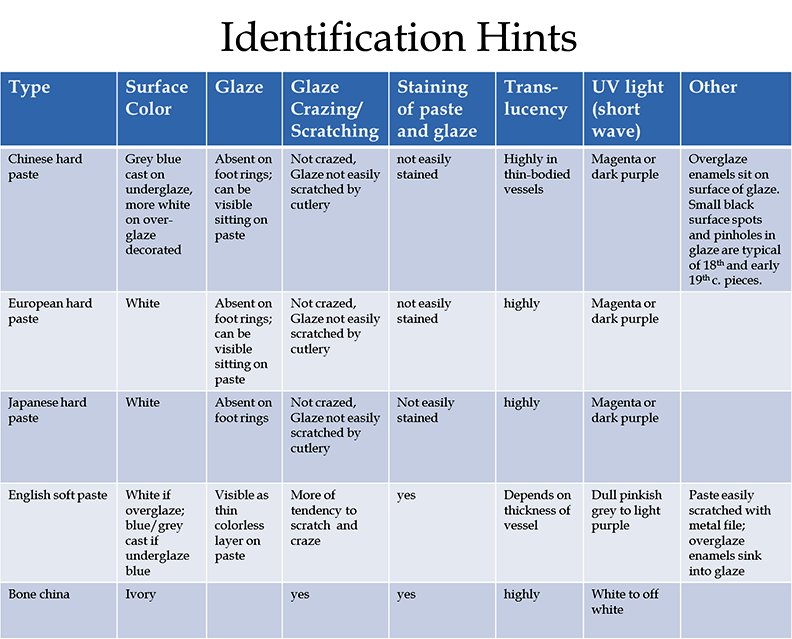
Figure 1. Porcelain identification hints (click to enlarge).
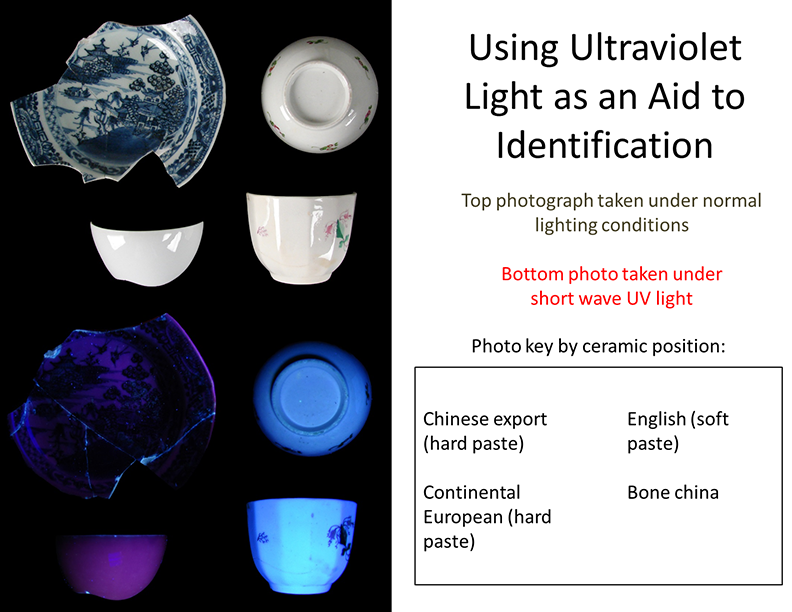
Figure 2. Identifying porcelain using ultraviolet light (click to enlarge).